7 Days in San Francisco + Bay Area Highlights
San Francisco is less a checklist city and more a collection of tightly packed neighborhoods, each operating on its own rhythm. Distances appear short on a map, but steep hills, microclimates, and transit friction slow daily execution more than first-time visitors expect. What works for a flat, car-friendly city often fails here, especially when weather shifts between districts within the same afternoon. A seven-day visit provides enough time to move deliberately, recover between heavy walking days, and avoid cramming landmarks into unrealistic schedules. This itinerary prioritizes walkability, public transit efficiency, and neighborhood flow rather than nonstop attraction hopping. The result is a plan that matches how San Francisco actually functions, not how it looks in photos.
Day 1: Downtown orientation
Union Square and North Beach
Day one focuses on orientation rather than heavy sightseeing. Union Square provides transit access and walkable streets for acclimation. North Beach introduces hills, density, and neighborhood rhythm. Energy expenditure remains moderate to prevent early fatigue.
Downtown Orientation & First Impressions
Morning
- Walk Union Square to get your bearings.
- Ride a historic cable car on the Powell–Hyde Cable Car Line (best views).
Afternoon
- Explore Chinatown side streets (Grant Ave → Waverly Place).
- Climb to Coit Tower for city views.
Evening
- Casual dinner in North Beach.
- Optional walk along the Embarcadero if energy allows.
Why this works: You stay compact while adapting to hills, crowds, and transit without burning yourself out.
Budget
Attractions: $8–10
Daily total: ~$50–70
Food: $30–45
Transit (Muni day pass): ~$13
Day 2: Waterfront essentials
Fisherman’s Wharf and Aquatic Park
The waterfront concentrates several iconic sights into a compact corridor. Short visits prevent crowd fatigue from dominating the day. Aquatic Park adds open space and visual relief. The pacing balances movement with observation.
Waterfront Icons (Do It Smart, Not Long)
Morning
- Fisherman’s Wharf (quick pass-through).
- Pier 39 sea lions.
Midday
- Walk to Ghirardelli Square.
- Loop around Aquatic Park Cove.
Afternoon (optional)
- 1-hour Bay cruise for skyline and bridge views.
Why this works: You see the icons without letting them dominate the day.
Budget
Transit: ~$13
Daily total: ~$50–100
Food: $35–55
Attractions: $0–45 (cruise optional)
Day 3: Alcatraz and literary San Francisco
Alcatraz and North Beach culture
Alcatraz delivers historical depth without requiring extensive walking. Ferry travel adds a break from urban density. North Beach provides cultural continuity after the visit. The day remains structured but not rushed.
Alcatraz & North Beach
Morning
- Ferry to Alcatraz Island (book weeks ahead).
Afternoon
- Italian lunch in North Beach.
- Relax at Washington Square Park.
- Browse City Lights Bookstore.
Evening
- Espresso or dessert crawl in North Beach.
Why this works: Alcatraz is unforgettable, and North Beach keeps the rest of the day relaxed.
Budget
Transit: ~$13
Daily total: ~$100–120
Alcatraz: ~$45
Food: $40–60
Day 4: Golden Gate and Presidio
Bridge crossing and coastal trails
This day prioritizes outdoor movement and views. The Golden Gate Bridge offers scale and orientation. Presidio trails reduce urban pressure. Physical demand is higher but offset by open space.
Golden Gate Bridge & Presidio
Morning
- Bike or walk the Golden Gate Bridge (go early for clearer skies).
Midday
- Presidio trails.
- Crissy Field walk.
Afternoon
- Palace of Fine Arts.
Why this works: You combine nature and architecture without doubling back.
Budget
Transit: ~$13
Daily total: ~$45–90
Bike rental (optional): ~$35
Food: $30–45
Day 5: Mission District immersion
Murals and neighborhood life
The Mission highlights local culture rather than formal attractions. Murals provide visual storytelling across short distances. Dolores Park creates rest opportunities between walks. Evening activity remains flexible and informal.
Mission District & Local Culture
Morning
- Mission District murals (Clarion Alley).
- Coffee on Valencia Street.
Afternoon
- Relax at Dolores Park.
- Explore independent shops.
Evening
- The Castro neighborhood.
Eat this: A Mission burrito (La Taqueria or similar).
Why this works: This is San Francisco as locals experience it.
Budget
Attractions: Free
Daily total: ~$45–65
Food: $30–50
Transit: ~$13
City parks, open spaces, and trail maintenance are overseen by San Francisco Recreation and Parks.
Day 6: Nature or regional contrast
Redwoods or tech corridors
This day introduces contrast outside the city core. Nature options reduce sensory overload from urban travel. Regional towns provide a slower rhythm. Transit time is longer but balanced by lower density.
Nature Escape or Silicon Valley
Option A: Muir Woods & Sausalito
- Morning shuttle to Muir Woods National Monument.
- Afternoon ferry or bus to Sausalito.
Option B: Tech Cities
- Train to Palo Alto or Mountain View.
- Walk Stanford campus or downtowns.
Why this works: You choose between redwoods or modern California without rushing.
Budget
Transit: $13–20
Daily total: ~$60–100
Muir Woods option: $25–35 (entry + shuttle)
Food: $35–55
Day 7: Markets and city views
Ferry Building and Twin Peaks
The final day emphasizes closure rather than exploration. Markets allow unstructured browsing. City views reinforce spatial understanding. Travel intensity remains intentionally low.
Markets, Views & Farewell
Morning
- Ferry Building Marketplace breakfast.
Afternoon
- Embarcadero walk.
- Last-minute shopping or museum.
Evening
- Sunset at Twin Peaks.
Why end here: Wide views tie the whole city together.
Budget
Attractions: Free
Daily total: ~$45–65
Food: $35–50
Transit: ~$13
7-Day Budget Overview
Daily cost expectations
Budget travelers spend less by relying on transit and casual dining. Mid-range travelers absorb higher accommodation costs. Premium travelers pay for location rather than convenience. Costs fluctuate most with lodging choices.
Day Budget Summary (Per Person)
Shoestring
- Lodging: $80–120/night (hostel/shared)
- Daily spend: $55–70
- Total: ~$1,000–1,200
Mid-Range
- Lodging: $180–250/night
- Daily spend: $85–110
- Total: ~$1,800–2,200
Comfort / Boutique
Total: ~$2,800+
Lodging: $300+/night
Daily spend: $130–180
Explore San Francisco tours on Viator, using our links supports the site—at no extra cost to you.
Food and local experiences
Mission District classics
The Mission District concentrates some of San Francisco’s most reliable casual food. La Taqueria is known for burritos focused on quality meat and minimal fillers. El Farolito provides late-night value with consistent portions. Eating in the Mission fits well into walking-heavy neighborhood days.
Chinatown and North Beach staples
Chinatown delivers dense, affordable dining within a compact area. Good Mong Kok Bakery works well for quick takeaway between stops. North Beach anchors Italian-American dining through places like Tony’s Pizza Napoletana. These neighborhoods pair efficiently with nearby sightseeing.
Fisherman’s Wharf and waterfront eating
Fisherman’s Wharf food options skew tourist-oriented but remain practical during waterfront days. Boudin Bakery is a convenient stop for sourdough-based meals. Alioto’s represents classic seafood dining in the area. Eating here reduces backtracking when covering Pier 39 and nearby attractions.
Bakeries and casual breakfast
San Francisco’s breakfast culture favors bakeries over sit-down restaurants. Tartine Bakery anchors morning routines with predictable quality. Arizmendi Bakery offers rotating baked goods with minimal wait times. These options support early starts without disrupting daily pacing.
Getting around
Public transit coverage
Public transit covers most daily travel needs within the city. Official route maps, schedules, and service updates are published by the San Francisco Municipal Transportation Agency. Bus and rail services connect major neighborhoods reliably. Transit reduces the need for private vehicles.
Walking between neighborhoods
Walking efficiently connects adjacent neighborhoods across San Francisco. Sidewalk standards, pedestrian routes, and street design guidance are maintained by the City and County of San Francisco. Dense street grids support short-distance movement. Hills increase physical demand during longer walks.
Ride-share services fill gaps when public transit is inconvenient. These services operate under local transportation regulations rather than city ownership. Late evenings and steep routes benefit most from this option. Usage remains supplemental rather than primary.
Car rental considerations
Car rentals are unnecessary for most travel within the city. Vehicle registration, licensing, and driving requirements in California are administered by the California Department of Motor Vehicles. Traffic congestion slows movement during peak hours. Vehicles are better reserved for trips outside San Francisco.
Where to base yourself
Downtown and Union Square
Downtown San Francisco provides the strongest transit connectivity in the city. Multiple rail and bus lines converge in this area. Daily travel time remains predictable from this base. Accommodation density is high across all budget levels.
Waterfront neighborhoods
Waterfront areas offer proximity to major attractions and open space. Scenic access improves walkability for shorter days. Tourist density increases during peak seasons. Prices trend higher near the bay.
Residential neighborhoods
Residential districts provide quieter evening environments. Local dining and neighborhood rhythm define these areas. Transit access varies by location. Longer commutes trade off against calmer stays.
Budget-friendly bases
Outer neighborhoods offer lower accommodation costs. Transit connections remain workable with planning. Travel time increases compared to central areas. Cost savings depend on itinerary structure.
Find the best places to stay for San Francisco trips on Trip.com, booking through these links supports our site, at no extra cost to you.
Common planning mistakes
Overpacking days
Overloading days increases fatigue rapidly. Hills slow walking speed and inflate transit time. Small delays compound across multiple stops. Flexibility improves outcomes.
Underestimating microclimates
San Francisco weather changes sharply by neighborhood. Coastal wind lowers perceived temperature quickly. Fog can reduce visibility and comfort. Layering prevents disruption.
Booking headline attractions late
High-demand attractions often sell out in advance. Limited ticket inventory reduces schedule flexibility. Late bookings force inconvenient time slots. Early reservations protect pacing.
Misusing rental cars
Driving adds friction inside dense city corridors. Parking availability is limited in many neighborhoods. Traffic slows cross-city movement at peak hours. Transit and walking usually execute faster.
Packing strategy
Clothing and footwear
Layering is essential year-round due to temperature variation. Coastal wind lowers perceived warmth quickly. Comfortable shoes prevent early burnout on hills. Footwear quality affects daily endurance.
Weather protection
Wind and fog affect comfort more than rain intensity. Lightweight waterproof layers perform best. Sudden weather shifts are common across neighborhoods. Adaptability reduces disruption.
Daypack essentials
A small daypack supports long walking days. Water and snacks prevent energy drops. Extra layers help manage microclimates. Compact gear improves mobility.
Minimalist approach
Overpacking increases daily fatigue. Carrying less improves flexibility and speed. Laundry access reduces clothing needs. Minimalism supports efficient movement.
Where to go next
Los Angeles
Los Angeles offers a contrasting scale and car-oriented travel style. Distances expand significantly compared to San Francisco. Neighborhood sprawl replaces walkable density. Travel planning shifts toward driving and regional clustering.
Pacific Coast Highway
The Pacific Coast Highway extends California’s coastal experience. Travel slows due to scenic pacing rather than congestion. Distances require overnight stops. The route rewards flexible scheduling.
Yosemite National Park
Yosemite introduces a dramatic shift toward nature-focused travel. Elevation and terrain replace urban friction. Seasonal access controls timing more strictly. Planning centers on park logistics rather than neighborhoods.
Portland
Portland maintains a relaxed urban rhythm similar to San Francisco. Neighborhood exploration remains central to the experience. Public transit supports car-free travel. Pace stays slower than major California cities.
Things to do for travelers who love San Francisco on Viator, booking through our activity links supports our site, at no extra cost to you.
How this 7-day plan actually works
Seven days allows travelers to execute San Francisco without compressing neighborhoods into unrealistic days. The city rewards deliberate pacing more than attraction density. Transit friction, hills, and microclimates make recovery time a functional requirement rather than a luxury. This itinerary prioritizes execution reliability over checklist completion.
Guides to Help Plan Your Next Escape
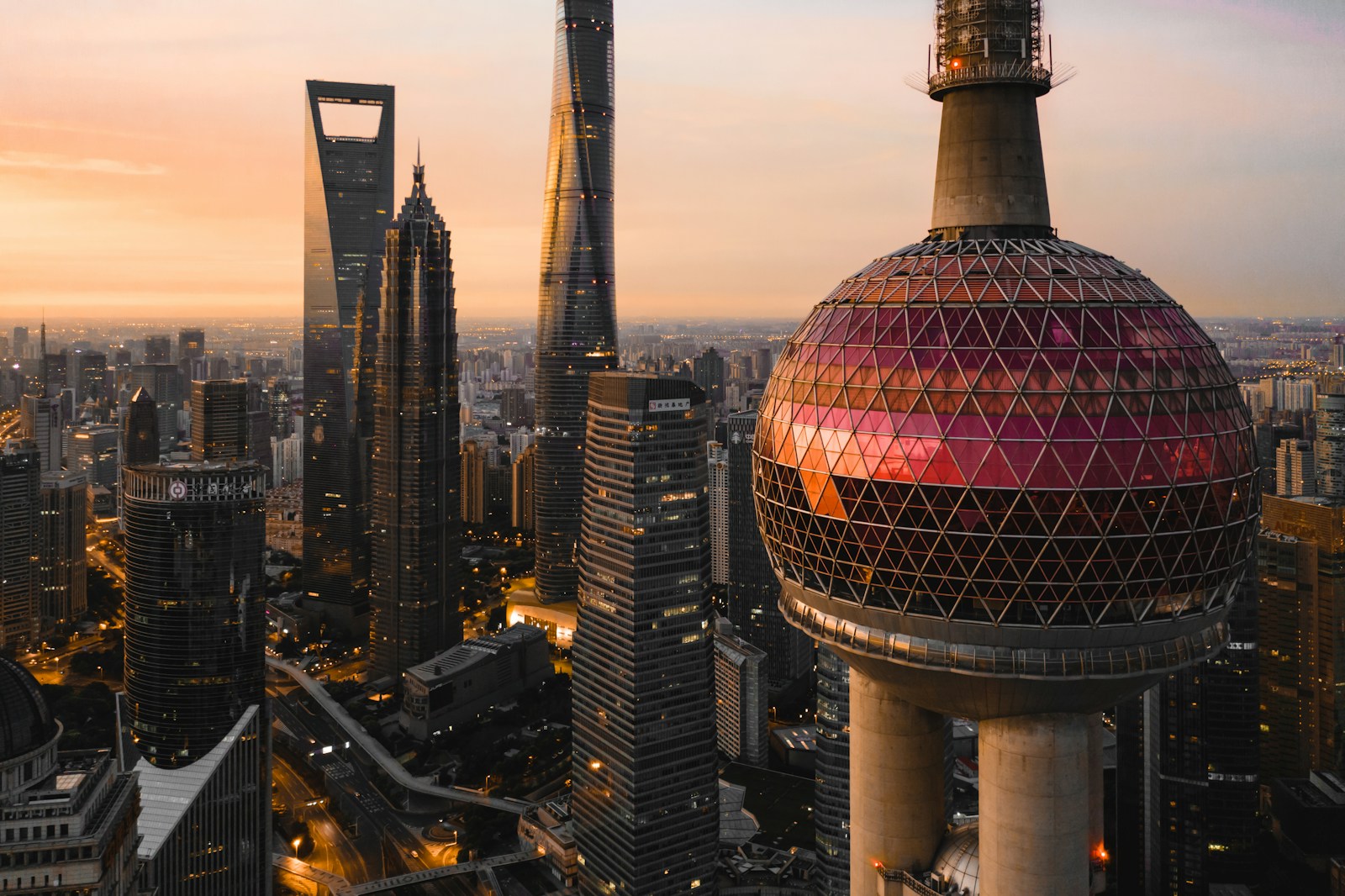
Best Skyscraper Observation Decks in the World
Trade Golden Gate fog for panoramic heights—this guide compares the world’s top observation decks by view, design, and emotional impact.
Fastest-Growing Destinations Travel Guide
If San Francisco felt familiar, try something new—explore frontier destinations before they hit mainstream travel maps.
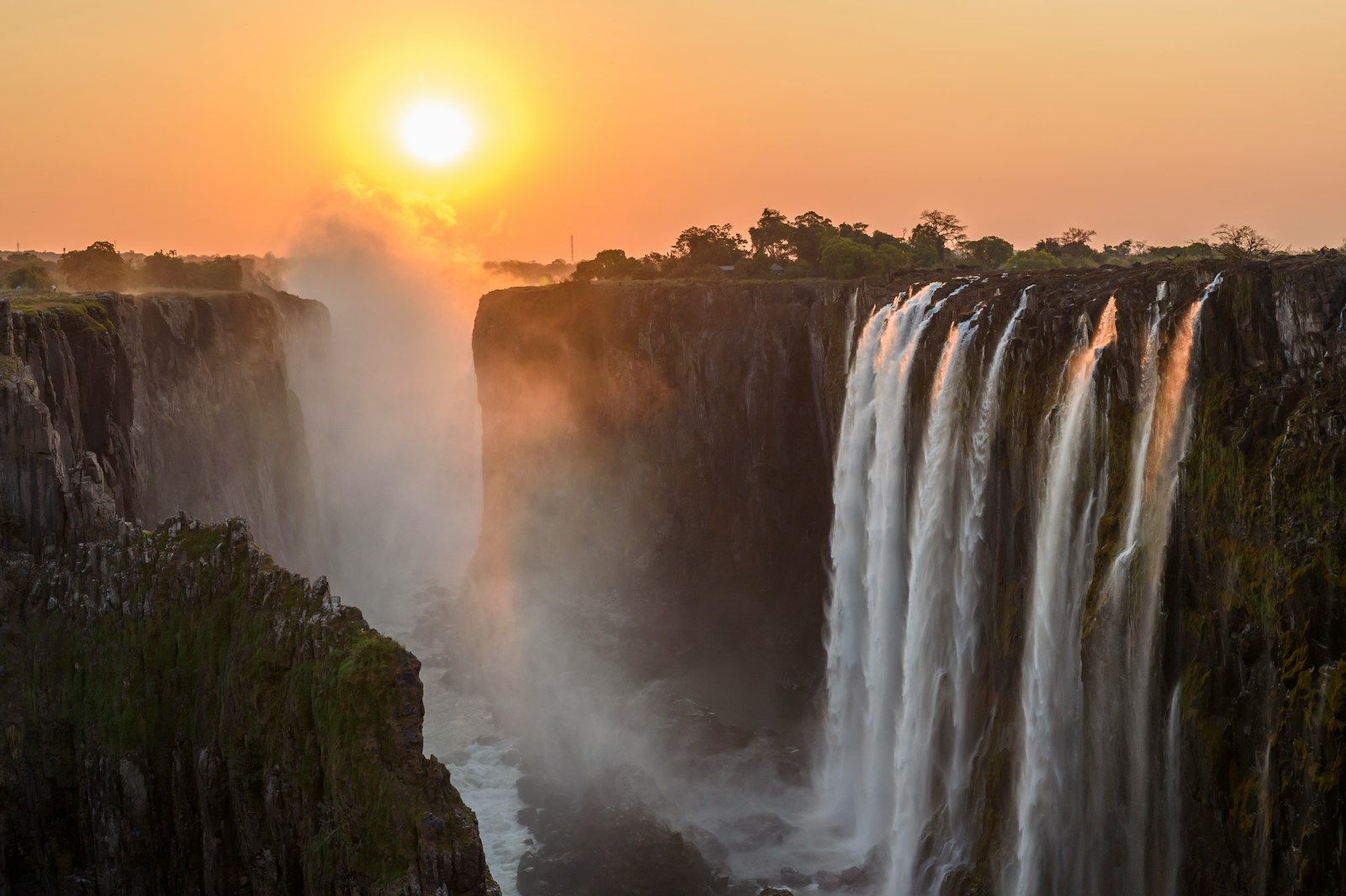
Rainbow-Chasing Travel: Best Places Worldwide
From Bay Area mist to global arcs of color—rainbow-chasing travel rewards travelers who time light, angle, and landscape just right.
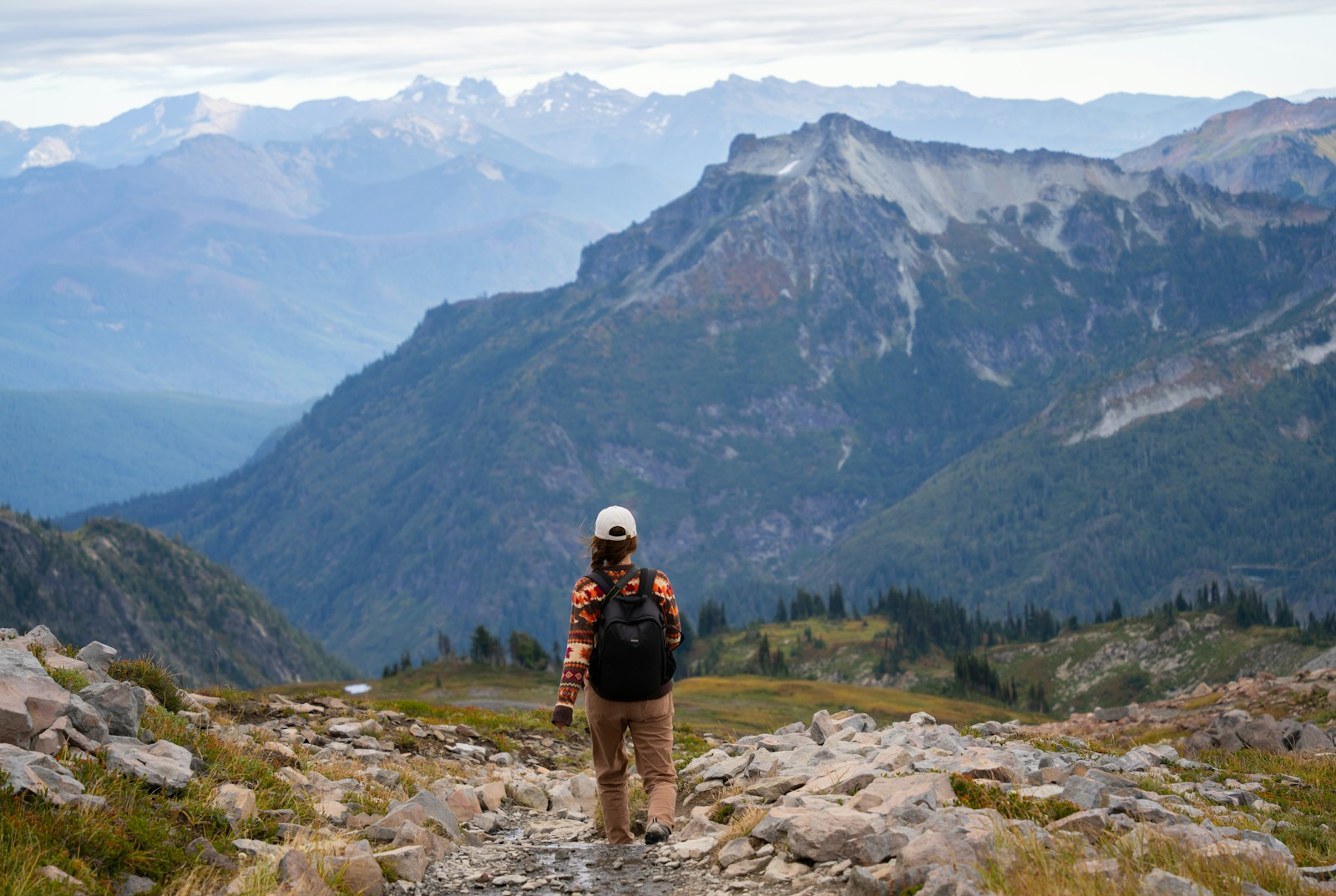
America’s Favorite National Scenic Trails
Balance your urban trip with movement—America’s top scenic trails offer real infrastructure, nature immersion, and pacing to match your energy.
Gansevoort Turks + Caicos: Stay Longer, Pay Less
Ready to swap city walking for beachfront recovery? This Gansevoort Turks + Caicos deal shows how to stretch your stay and your budget.