How Caribbean Tours Vary by Island, Pace and ExperiencePlanning Tours and Experiences in the Caribbean
The Caribbean is not a single touring environment. It is a multi-country region with radically different access rules, infrastructure quality, and tour value depending on the island. In many destinations, travelers can explore independently with ease. In others, guided tours materially improve safety, access, environmental protection, or historical understanding.
Tours in the Caribbean add the most value in three situations:
when accessing protected marine or natural areas, when interpreting colonial or cultural history, and when navigating logistics across water, terrain, or borders. In contrast, overbooking tours—especially in resort-heavy islands—often reduces flexibility without improving experience quality.
Regional tourism standards and sustainability guidance are coordinated in part through the Caribbean Tourism Organization, which provides destination-level frameworks rather than commercial promotion. Understanding this regional diversity is essential before choosing which tours are actually worth booking. Explore more detailed country pages in our Caribbean Countries & Territories.
To get oriented quickly, explore highly rated Caribbean tours and guided activities that add context and reduce decision fatigue while you learn how the region works.
Tour Types in the Caribbean and Who They Suit
Marine and Reef-Based Tours
Marine tours are the single strongest justification for booking tours in the Caribbean, as reefs, marine parks, and wildlife areas are often protected or regulated.
- These tours include licensed operators, safety equipment, and access to marine protected areas governed under regional conservation frameworks such as those recognized by UNESCO’s World Heritage Centre.
- They suit travelers seeking snorkeling, diving, or wildlife encounters that cannot be responsibly accessed independently.
- Tours typically last half to full days, with moderate physical demands depending on sea conditions.
- Compared to independent snorkeling, guided tours reduce environmental damage and safety risk.
- Weather and water clarity strongly affect quality, making timing critical.
- These tours are not interchangeable across islands; reef health varies widely.
Cultural and Historical Tours
Historical tours vary greatly in value depending on the island’s colonial history, preservation level, and interpretive infrastructure.
- These tours provide context around colonial rule, slavery, Indigenous history, and post-independence identity, often referencing materials aligned with UNESCO cultural heritage designations.
- They suit travelers interested in understanding the Caribbean beyond beaches and resorts.
- Most last two to four hours and involve walking in urban or heritage districts.
- Compared to self-guided visits, tours reduce historical oversimplification.
- Emotional intensity varies depending on subject matter.
- These tours are most valuable in destinations with preserved sites rather than resort-only development.
Nature, Rainforest, and Volcanic Tours
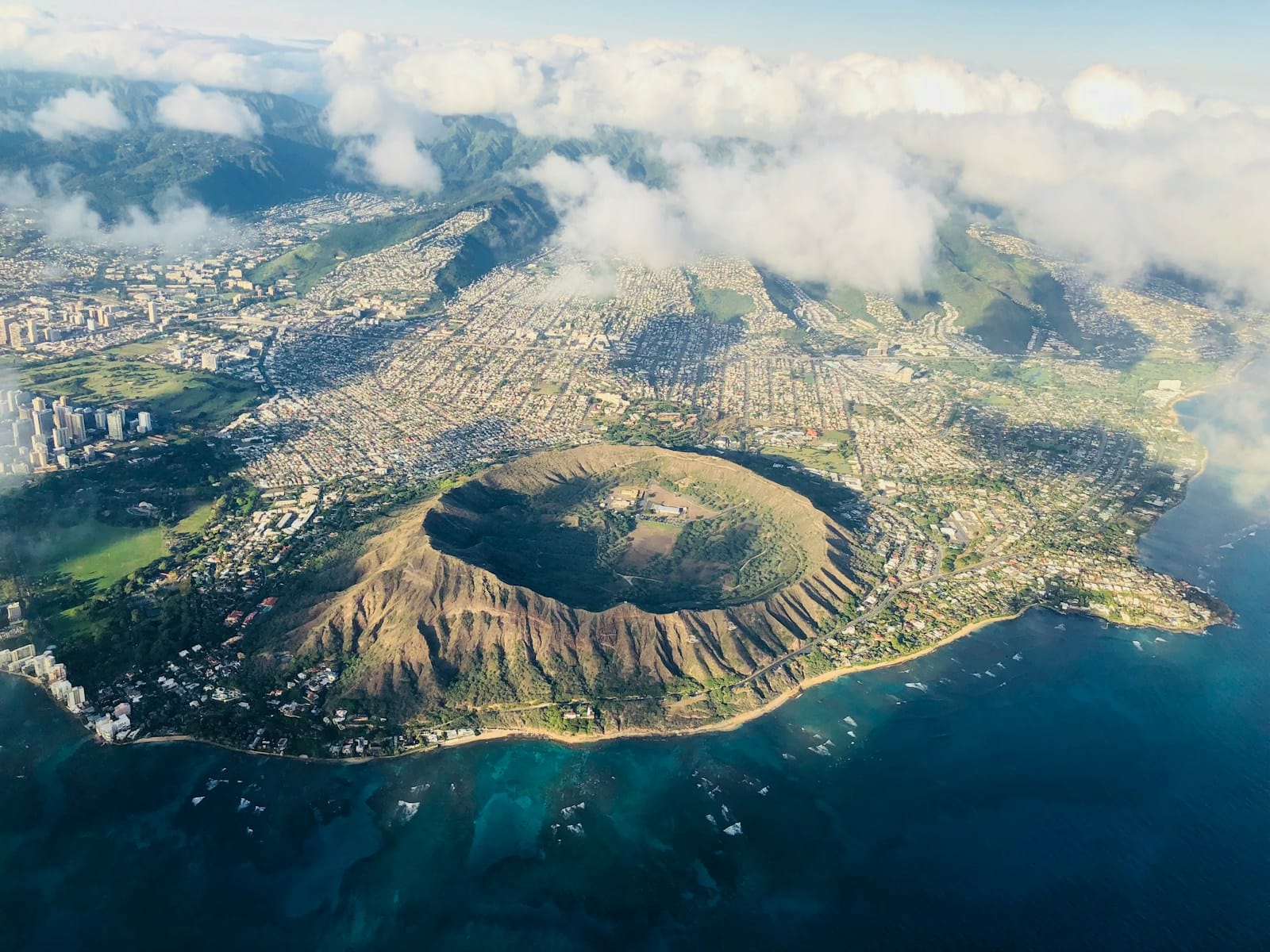
Nature-based tours are most relevant in islands with protected interiors and limited road access.
- These tours often operate within national parks or reserves supported by regional conservation bodies and local environmental agencies.
- They suit travelers interested in biodiversity, geology, and guided access to restricted terrain.
- Duration ranges from short hikes to full-day excursions with variable physical demands.
- Compared to independent hiking, tours reduce navigational and safety risks.
- Seasonal rainfall and heat significantly affect comfort.
- These tours are not evenly distributed across the Caribbean.
Water Transport and Island-Hopping Tours
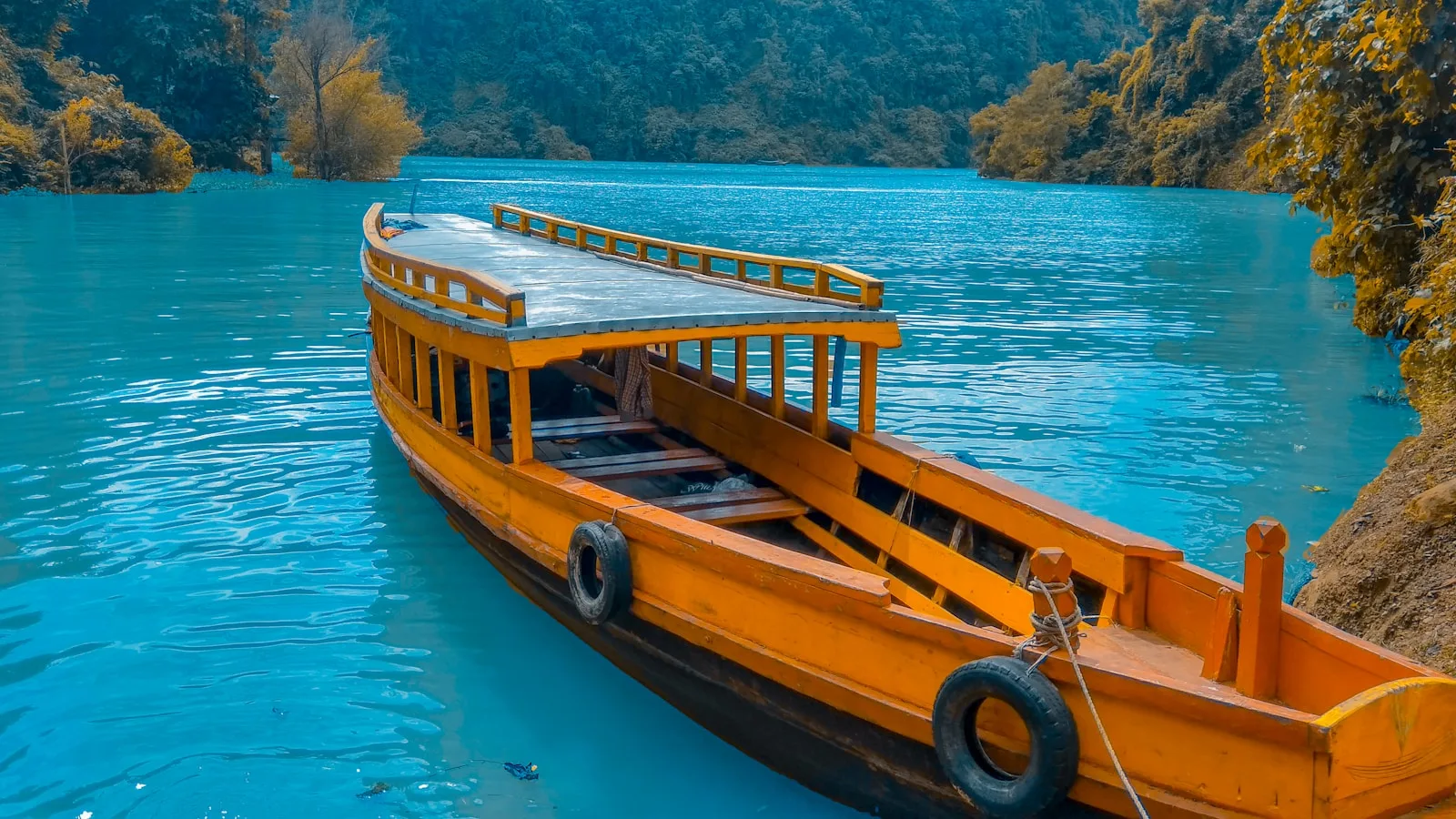
Island-hopping tours address one of the Caribbean’s main logistical challenges: inter-island movement.
- These tours bundle boats, crew, and timing coordination, reducing friction in destinations with limited ferry infrastructure.
- They suit travelers wanting to experience multiple islands without complex planning.
- Outings range from half-day hops to multi-day routes.
- Compared to independent transport, tours reduce uncertainty but limit spontaneity.
- Sea conditions and border rules affect reliability.
- Not all islands support efficient island-hopping formats.
Food and Local Culture Tours
Food tours provide insight into Caribbean identity through cuisine rather than luxury dining.
- These tours emphasize local foodways shaped by African, Indigenous, European, and Asian influences.
- They suit travelers seeking cultural immersion rather than resort dining.
- Most tours last two to three hours with minimal physical strain.
- Compared to self-guided eating, tours reduce guesswork and surface legacy establishments.
- Dietary needs should be confirmed in advance.
- These tours work best in urban or town-based destinations.
Multi-Day Regional Tours
Multi-day tours connect multiple islands or experience types into structured itineraries.
- These tours bundle accommodation, transport, and guided activities.
- They suit travelers unfamiliar with inter-island logistics or limited on planning time.
- Itineraries are structured and coverage-focused.
- Compared to independent travel, flexibility is reduced.
- Transit time must be evaluated carefully.
- These tours vary widely in quality and pacing.
Tours Worth Booking in the Caribbean
- A guided marine reserve snorkeling or diving tour is best for travelers prioritizing reef quality and safety. Licensed operators provide access and environmental oversight, though conditions are weather-dependent.
- A historical walking tour in a preserved colonial city suits travelers seeking context beyond resort zones. Guided interpretation adds depth but limits independent pacing.
- A rainforest or volcanic interior tour works well on islands with protected interiors. Guides provide safe access, though physical demands are higher.
- An island-hopping boat tour suits travelers wanting variety without planning ferry logistics. The tradeoff is fixed routing and timing.
- A food and culture tour in a major Caribbean town appeals to travelers seeking local insight. Guided tastings add efficiency but reduce spontaneity.
- A multi-day Caribbean tour suits travelers prioritizing simplicity over control. The tradeoff is limited customization.
Ready to narrow it down? Compare the top-rated Caribbean tours and things to do in the Caribbean above to match your pace, interests, and comfort level before you book. We may earn a commission if you book through our links at no additional cost to you.
How Tours Fit Into Real Caribbean Itineraries
Tours in the Caribbean work best when used sparingly and strategically, not daily.
3–4 Day Island Stay
- One marine or reef tour anchors the trip.
- One cultural or food tour adds context.
- Remaining time is best left self-guided.
This avoids over-structuring short stays.
5–7 Day Island or Dual-Island Trip
- One marine tour
- One nature or interior tour
- Optional food or city tour
Tours should be spaced with rest days in between.
8–10 Day Multi-Island Trip
- One guided experience per island maximum
- Island-hopping tours reduce transit friction
- Independent days are essential for pacing
Overbooking tours here leads to fatigue and missed downtime.
When NOT to Add Tours
- Resort-only islands often don’t benefit from daily tours.
- Consecutive full-day marine tours increase exhaustion.
- Poor-weather seasons reduce tour value significantly.
How to Compare Tours Before Booking
- Marine protection status matters more than price.
- Group size affects reef impact and experience quality.
- Tour duration should align with climate and heat tolerance.
- Private tours increase comfort but reduce value density.
- Accessibility varies widely by island.
- Cancellation terms matter due to weather volatility.
Best Timing for Caribbean Tours
Timing has an outsized impact on tour quality in the Caribbean because weather, sea conditions, and seasonal demand directly affect safety, visibility, and overall comfort. Dry-season months typically offer calmer seas and better underwater visibility, which improves snorkeling, diving, and boat-based tours. However, this same window brings higher visitor numbers, fuller tour groups, and less flexibility with departure times.
During wetter months, rainfall patterns vary significantly by island and geography. While showers are often brief, increased wind and swell can affect marine tours more than land-based experiences. Reef and wildlife tours may still operate, but cancellations and schedule changes are more common, making flexible booking terms especially important.
Time of day matters as much as season. Morning departures usually provide calmer water, better light conditions, and cooler temperatures, which benefits marine and nature-based tours. Afternoon tours may work well for cultural, food, or city-based experiences, where sea conditions are irrelevant and pacing is slower. Travelers who align tour timing with environmental conditions generally experience better outcomes than those who book purely for convenience.
Who Tours Help Most in the Caribbean
Tours provide the greatest value to travelers who lack familiarity with local marine conditions, navigation norms, or environmental regulations. First-time Caribbean visitors often benefit from guided experiences that manage safety, logistics, and timing, particularly for snorkeling, diving, and boat-based activities where independent mistakes carry higher risk.
Travelers with limited planning time also gain value from tours that bundle transport, equipment, and access into a single experience. This is especially true on islands where public transport is limited or where protected areas require licensed operators. Guided cultural and historical tours are similarly helpful for travelers who want accurate interpretation rather than fragmented or oversimplified narratives.
By contrast, experienced island travelers or repeat visitors may find tours most useful only in specific cases, such as accessing marine reserves, protected interiors, or restricted wildlife areas. For these travelers, selectively booking one or two high-impact tours often produces better results than filling each day with structured activities. Tours in the Caribbean are most effective when they support understanding, safety, or access — not when they replace independent exploration entirely.
Practical Booking Tips for Caribbean Tours
- Confirm marine park or reserve access.
- Check operator licensing and safety standards.
- Review weather-related cancellation policies.
- Clarify transport and pickup logistics.
- Assess physical demands honestly.
- Avoid stacking full-day tours back-to-back.
Where to Go Next After the Caribbean
Travelers often extend Caribbean trips into nearby regions depending on flight routing and travel goals.
Common continuations include:
- Mexico for cultural depth and mainland access
- Costa Rica for rainforest and wildlife contrast
- United States for major air hubs and urban extensions
Choose Tours With Confidence in the Caribbean
The best Caribbean tours are those that unlock protected environments, clarify complex history, or remove genuine logistical barriers. Tours should support—not replace—the region’s natural rhythm of slower, independent travel. Use this guide to choose Caribbean tours with clearer expectations, then compare options that match your timing, energy, and priorities.