Explore the Northern Mariana Islands Today
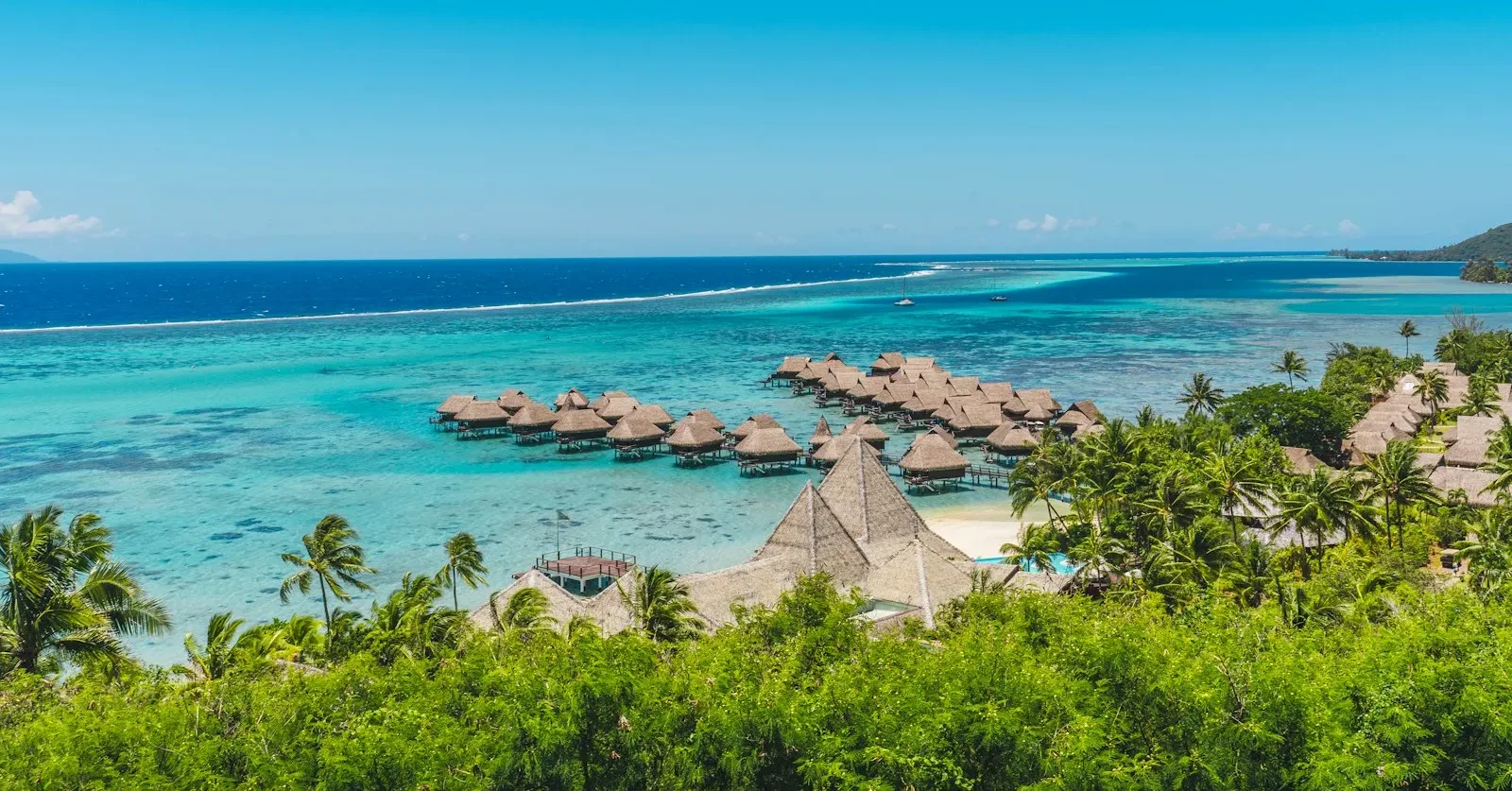
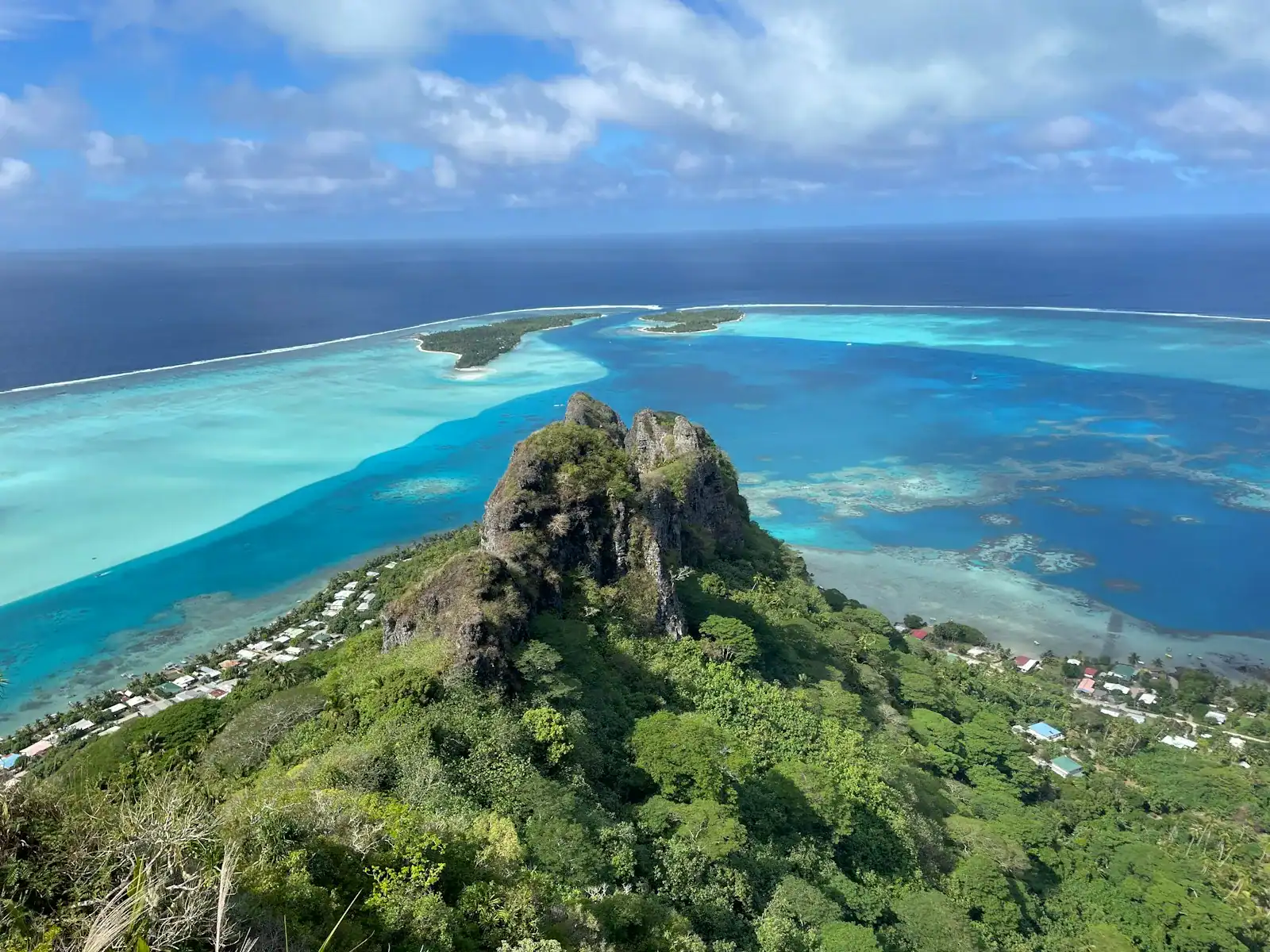
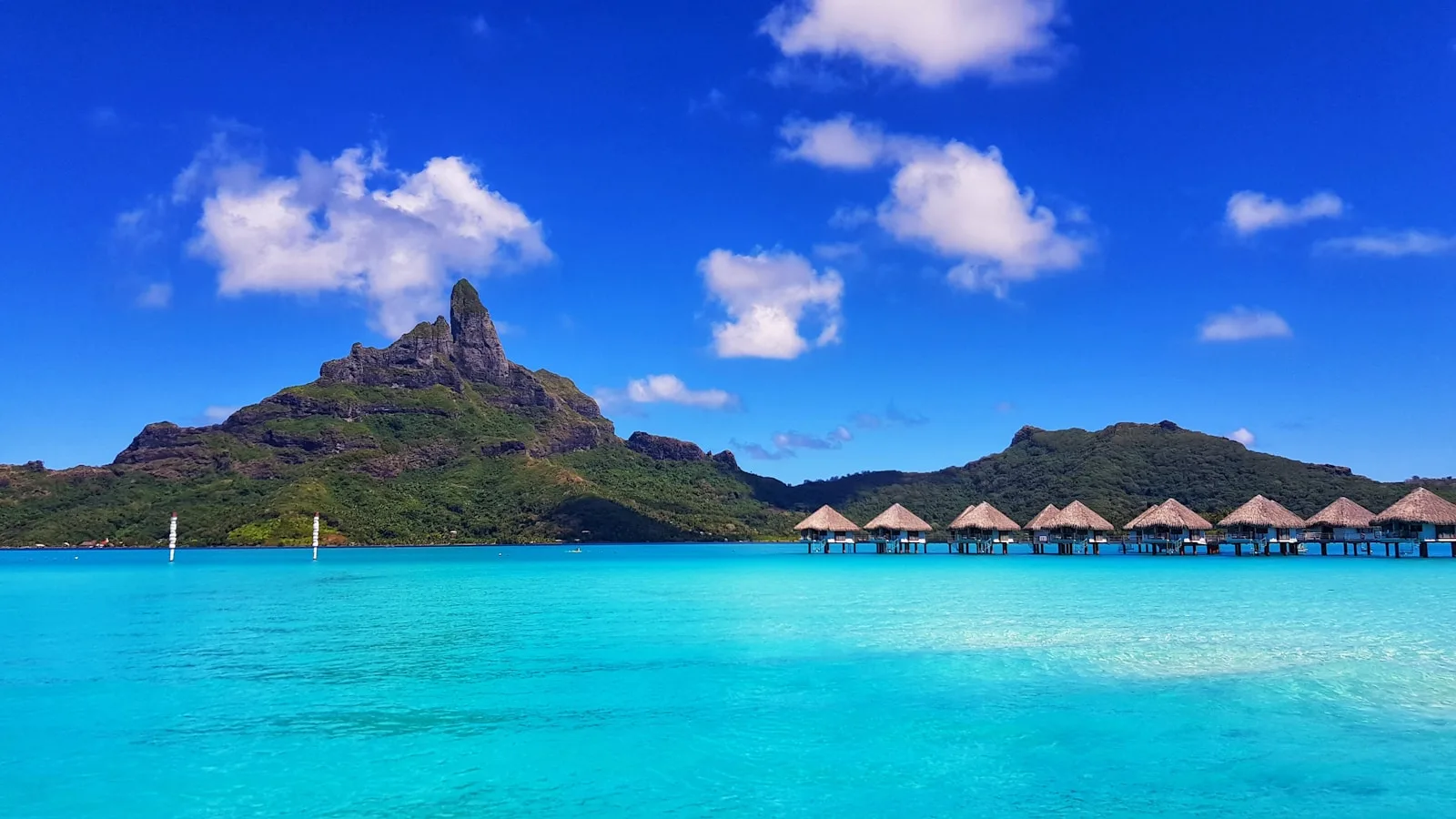
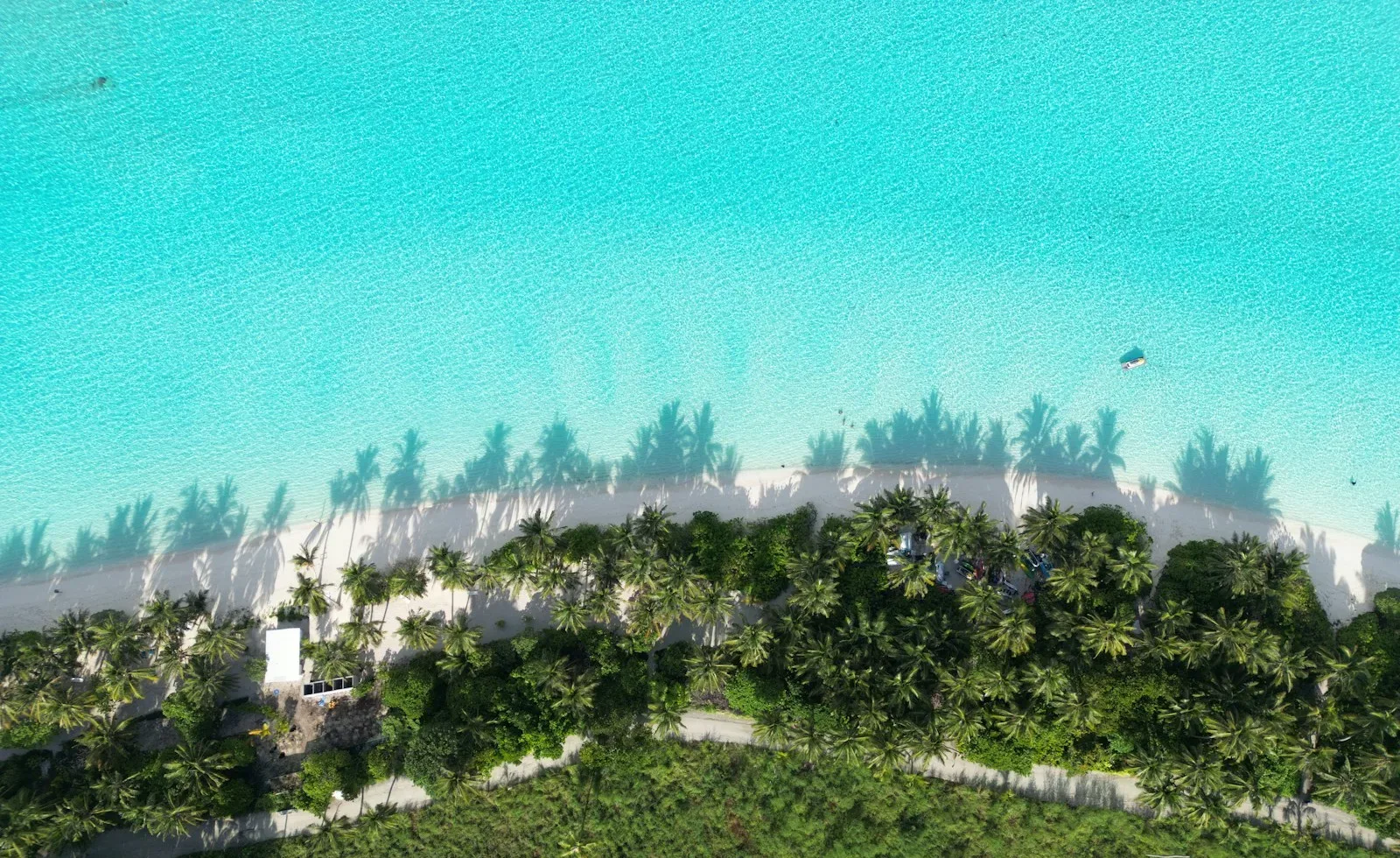
Set in the vast blue of the western Pacific, the Northern Mariana Islands are a tropical blend of Chamorro tradition, WWII history, and pristine natural landscapes. As a U.S. commonwealth, the islands are accessible yet still off the beaten path, where lush jungles, volcanic peaks, and turquoise lagoons define every view.
This archipelago invites travelers to explore contrasts: world-class diving alongside jungle hikes, wartime relics beside sacred latte stones, and bustling Saipan next to tranquil Rota. Whether you’re drawn by cultural fiestas, underwater caves, or secluded beaches, the Northern Marianas deliver a journey both rich in heritage and alive with adventure.
Start planning your trip with our complete Northern Mariana Islands Travel Guide — and discover how guided tours can bring history, nature, and island traditions vividly to life.
Where to Go in Northern Mariana Islands
Alamagan | Anatahan | Pagan | Rota | Saipan | Sarigan | Tinian | Farallon de Medinilla
💡Quick Facts:
Destination: Northern Mariana Islands (CNMI)
Continent: Oceania (Micronesia region, western Pacific)
Country/Territory: Commonwealth of the Northern Mariana Islands (U.S. territory, self-governing in political union with the U.S.)
Administrative Division: 14 islands, 3 main populated (Saipan, Tinian, Rota)
Area: 464 km²
Population: ~47,000
Density: ~101/km²
Capital: Saipan (capital: Capitol Hill)
Regions/Subregions:
Saipan: Largest island, capital and main tourism hub
Tinian: WWII history, beaches, quieter resorts
Rota: Rural, diving, agriculture
Northern Islands: Pagan, Agrihan, uninhabited/volcanic
Official Languages: English, Chamorro, Carolinian
Currency: U.S. Dollar (USD, $)
Time Zone: ChST (UTC+10)
Airports: Saipan International (SPN), Tinian International (TIQ), Rota International (ROP)
Climate: Tropical marine; warm and humid year-round, rainy season Jul–Nov
Known For: WWII sites, beaches, diving, golf resorts, Chamorro & Carolinian culture
🛂Arrival Info:
U.S. citizens: no passport required for entry.
Foreign nationals: U.S. visa or Guam-CNMI Visa Waiver Program (45 days for eligible countries, including Japan, Korea, Taiwan).
ESTA applies for travelers under U.S. Visa Waiver Program.
Customs follows U.S. regulations.
Official info: CNMI Immigration
🏥Health Info:
No mandatory vaccines; recommended: Hepatitis A, routine immunizations.
Dengue cases occur sporadically.
Saipan: Commonwealth Health Center (main hospital).
Limited facilities on Rota and Tinian.
Medical evacuation may be required for serious cases.
Travel insurance recommended.
🚑 Check travel insurance options for travel emergencies, delays, and medical needs abroad — Get coverage here
💉 Stay Informed with Official Updates: WHO – International Travel & Health | CDC – Travel health updates
🚨Travel Advisory:
Generally safe with low crime rates.
Petty theft possible in tourist zones.
Typhoon season: June–December.
🌍Track Real-Time Official Updates: US Travel Advisory | UK Foreign Travel Advice | Government of Canada
🥳Holidays:
Commonwealth Covenant Day (24 March): Marks U.S.–CNMI agreement.
Liberation Day (4 July): Celebrates U.S. liberation in WWII.
Constitution Day (8 January).
Christmas Day (25 December).
New Year’s Day (1 January).
💰Visitor Info:
Currency: U.S. Dollar (USD).
ATMs and banks on Saipan; limited services on Tinian and Rota.
Credit cards widely accepted in Saipan, cash recommended elsewhere.
Tipping customary (10–15%).
Daily budget:
Budget: $70–120
Midrange: $150–250
Luxury: $300+
🛫Airports:
Saipan International (SPN): Main hub, flights to Guam, Japan, Korea, China.
Tinian International (TIQ): Domestic flights to Saipan.
Rota International (ROP): Connects to Guam and Saipan.
United, Asiana, Jeju Air, and other regional carriers operate.
🧳 Delayed or canceled flight? Check if you’re eligible for compensation
🚍Transport:
Saipan: car rentals common, taxis available in limited areas.
No public buses; resorts often provide shuttles.
Domestic flights connect Saipan, Tinian, Rota.
Ferries: occasional seasonal charters.
Driving: right-hand traffic; U.S. license valid.
🚗 Book reliable airport transfers and in-city rides in advance. Reserve your ride here
🛰️Connectivity:
SIM providers: IT&E, Docomo Pacific.
Mobile coverage good on Saipan, patchy on Tinian and Rota.
Internet: high-speed in Saipan hotels, slower in outer islands.
Wi-Fi widely available in resorts and cafes.
🛜 Stay connected abroad with affordable eSIM data packs. Get your eSIM here
📜Laws & Etiquette:
Legal drinking age: 21.
Gambling legal on Saipan and Tinian (casinos).
Respect Chamorro and Carolinian traditions.
Modest dress in rural villages and churches.
Public intoxication frowned upon.
👮Emergency Info:
Emergency number: 911.
Commonwealth Health Center (Saipan): +1 670 236 8200.
Department of Public Safety (Saipan): +1 670 664 9000.
U.S. Federal presence provides consular protection for U.S. citizens.
🏛️ Use embassy locator tools: Embassies Worldwide
🌞Weather:
Average temperatures: 26–30°C year-round.
Dry season: Dec–Jun (best travel time).
Wet season: Jul–Nov (typhoons possible).
Diving and snorkeling possible year-round; best visibility in dry season.
🌦️ Stay prepared—check the weather forecast for your destination — Weather Forecast
Northern Mariana Islands by Region – Where to Go
The archipelago’s 14 islands are mostly uninhabited, but three are central to travel: Saipan, Tinian, and Rota. Each has its own character and rhythm.
Saipan
- Garapan – The main commercial hub, filled with shops, night markets, and hotels. It’s also home to American Memorial Park, honoring WWII sacrifices.
- Micro Beach – A family-friendly swimming spot, lined with soft white sand and views of Managaha Island.
- Mt. Tapochau – At 1,560 feet, the highest peak in the Marianas. A hike or drive rewards with 360-degree views across the island and sea.
Tinian
- San Jose Village – The quiet main town, where locals preserve Chamorro customs.
- Taga Beach – Framed by limestone cliffs and turquoise waters, with legend-shrouded latte stones nearby.
- North Field – The WWII airfield from which history-altering missions launched, today an open-air relic of the war.
Rota
- Songsong Village – Set beneath the Dragon’s Back ridge, this village is photogenic and serene.
- Swimming Hole – A natural saltwater pool carved into rock, with crystal-clear water and safe snorkeling.
- Rota Bird Sanctuary – Protecting rare species like the Mariana fruit dove and Rota white-eye.
Northern Islets
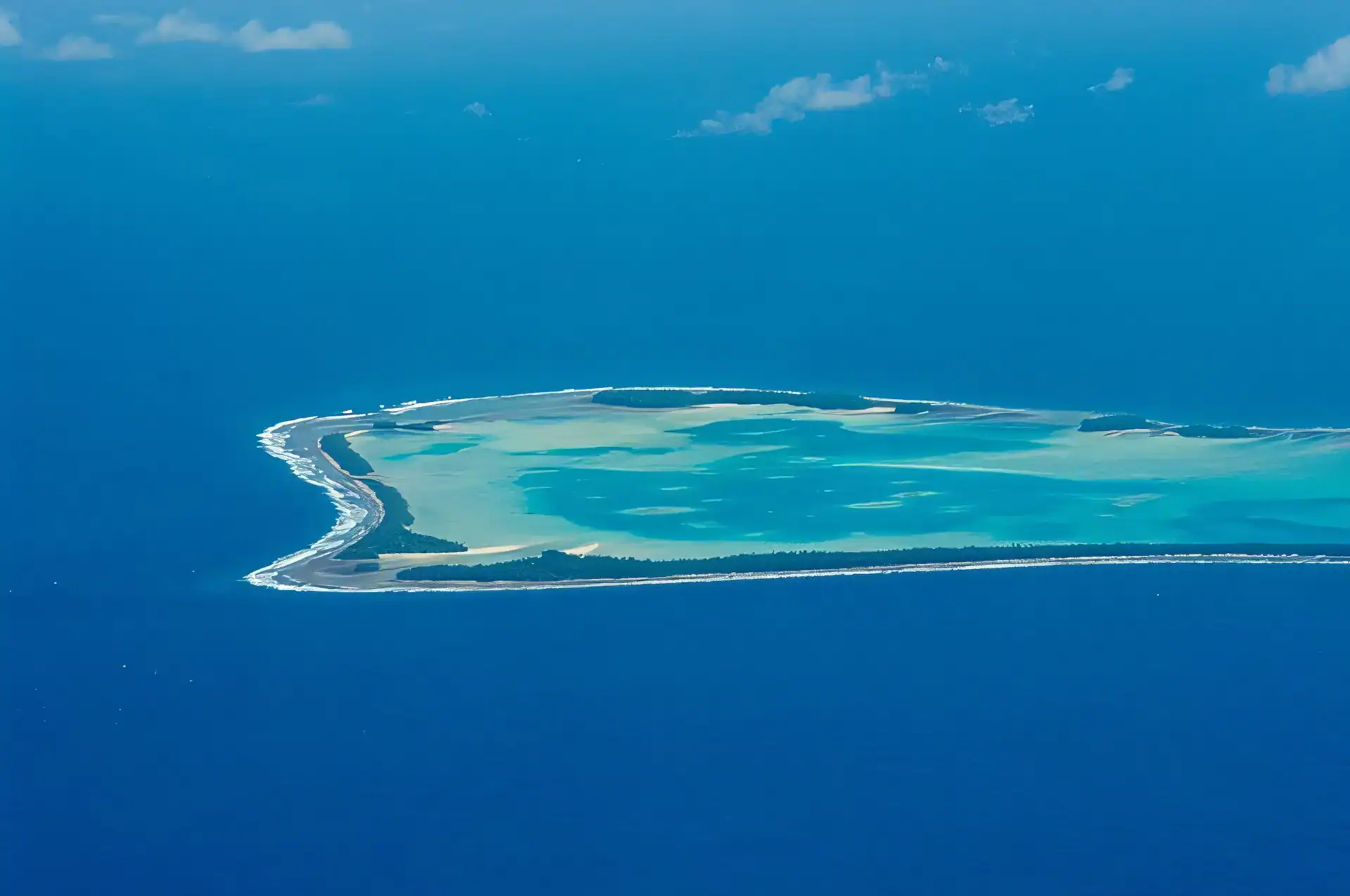
- Pagan – A volcanic island occasionally visited for research, striking when viewed by plane.
- Aguiguan (Goat Island) – Rugged and uninhabited, known for feral goats and cliffs.
- Maug Islands – Surrounding a submerged volcanic caldera, rarely accessed but stunning from the sea.
Top Places to Visit in Northern Mariana Islands
The islands are compact, yet destinations cater to cultural discovery, natural beauty, and reflective history.
Cultural Capitals
- Garapan (Saipan) – A lively blend of nightlife, Chamorro culture nights, and shopping.
- San Jose (Tinian) – Historical yet low-key, perfect for slow exploration.
Nature Escapes
- Mt. Tapochau (Saipan) – Sweeping vistas after a climb or off-road drive.
- Rota’s Swimming Hole – A natural playground for swimmers and snorkelers.
Historic Sites
- North Field (Tinian) – Iconic WWII site with preserved runways.
- Suicide Cliff & Banzai Cliff (Saipan) – Sobering memorials above dramatic ocean drop-offs.
Island Beaches
- Managaha Island (Saipan) – White sand, vibrant snorkeling, and day-trip tours.
- Taga Beach (Tinian) – Clear waters, limestone boulders, and folklore-rich ruins.
Travelers can book guided excursions to each highlight: cultural walks in Garapan, snorkeling tours to Managaha, and WWII history trips to Tinian’s airfields. Each island offers unique things to do in the Northern Mariana Islands that blend learning with leisure.
How to Choose Where to Go in Northern Mariana Islands
- First-time visitors: Base in Saipan for accessibility, a range of hotels, and easy day trips.
- History enthusiasts: Spend time in Tinian, tracing WWII sites and Chamorro ruins.
- Nature seekers: Choose Rota for birdwatching, remote beaches, and a slow pace.
- Adventure travelers: Mix all three islands with diving, hiking, and kayaking.
Pairing Saipan with a side trip to Rota gives both cultural bustle and untouched serenity in one itinerary.
How to Get Around Northern Mariana Islands
- Flights: Saipan, Tinian, and Rota are linked by commuter airlines; Tinian is a 10-minute hop, Rota about 30 minutes.
- Ferries: Rare and seasonal, weather-dependent, best to rely on flights.
- On Saipan: Car rentals are highly recommended for flexibility. Taxis cluster around Garapan but aren’t reliable outside town.
- On Tinian & Rota: Small and relaxed — arrange car hire through hotels or use local drivers. Walking and cycling work well within villages.
Travel Budget and Costs in Northern Mariana Islands
- Budget: $60–$90/day — guesthouses, local food stalls, walking tours.
- Mid-range: $120–$200/day — boutique hotels, rental car, organized excursions.
- Luxury: $250+/day — beachfront resorts, dive packages, private charters.
Sample prices:
- Local meal: $8–$12
- Resort dinner: $25–$35
- Dive tour: $80–$120
- Inter-island flight: $70–$120
- Car rental: $40–$60/day
Money-saving tips include traveling in shoulder months, booking tours directly with operators, and choosing family-run lodgings.
Best Time to Visit Northern Mariana Islands
- Dry season (Dec–Jun): Best weather, calm seas, ideal for diving and festivals.
- Rainy season (Jul–Oct): Lush greenery, fewer crowds, but risk of typhoons.
- Shoulder months (Nov & early Dec): Balanced weather with lower prices.
The best time to visit Northern Mariana Islands aligns with diving season (Feb–May), when water clarity peaks at the Grotto and reefs.
Festivals and Cultural Events in Northern Mariana Islands
Festivals showcase Chamorro and Carolinian identity.
- Liberation Day (July, Saipan) – Parades, fireworks, and island-wide pride.
- San Vicente Fiesta (April, Saipan) – Religious celebrations, traditional foods, and music.
- Christmas Festival of Lights (Dec, Saipan) – Sparkling displays across Garapan.
- Tinian Hot Pepper Festival (Mar) – Celebrates the island’s famed donni sali chili with contests and food.
- Pika Festival (Sept, Saipan) – A foodie event highlighting local dishes and crafts.
- Rota Coconut Festival (Nov) – Cultural games, dances, and coconut-themed cuisine.
Each event is a chance to join locals, sample unique food, and experience traditions.
Must-See Experiences in Northern Mariana Islands
- Snorkel at Managaha Island – Colorful coral reefs and calm waters.
- Dive the Grotto (Saipan) – A world-famous underwater cavern with ethereal light beams.
- Visit Suicide & Banzai Cliffs – Emotional WWII memorials overlooking the sea.
- Attend Chamorro cultural night – Food, music, and dance performances.
- Birdwatch in Rota – Spot rare endemic species at dawn.
- Explore Forbidden Island – A marine preserve with a rugged hike and tidal pools.
- Relax at Taga Beach – Limestone arches and quiet swimming spots.
- Kayak Saipan lagoons – Paddle across turquoise bays with views of reefs.
Book immersive Northern Mariana Islands tours and experience unforgettable things to do in the Northern Mariana Islands — from WWII history walks and reef diving to birdwatching and Chamorro feasts under the stars.
Adventure and Water Activities in Northern Mariana Islands
- Diving the Grotto (Saipan) – Famous for blue light shafts and cave passages.
- Snorkeling at Bird Island (Saipan) – Shallow reefs with abundant fish.
- Surfing Micro Beach – Gentle waves suitable for learners.
- Kayaking in Rota – Lagoon tours perfect for spotting marine life.
- Trekking Tinian’s caves – Hike through limestone landscapes.
- Zip-lining in Saipan – Thrills above jungle canopy views.
Seasonal tips: Dry months are best for diving visibility, while wet season makes waterfalls and jungle hikes more vibrant.
National Parks and Outdoor Adventures in Northern Mariana Islands
- American Memorial Park (Saipan) – A national park honoring WWII, with museums and gardens.
- Marpi Point (Saipan) – Combining dramatic coastal cliffs and memorials.
- Rota Bird Sanctuary – Protected forest for rare endemic birds.
- Forbidden Island (Saipan) – A designated marine preserve requiring a rugged hike.
- Laulau Bay (Saipan) – A diving and fishing hotspot with coral reefs.
Guides are strongly recommended for off-path hikes like Forbidden Island. Conservation programs protect reefs and forest ecosystems, making eco-tours both educational and sustainable.
History and Heritage of Northern Mariana Islands
The islands’ story spans millennia:
- Ancient Chamorro era – Latte stones, fishing traditions, and oral histories.
- Spanish colonial rule (16th–19th c.) – Catholic missions, stone churches, and galleon trade routes.
- German & Japanese periods (19th–20th c.) – Agricultural projects and military buildup.
- World War II – Fierce battles in Saipan and Tinian; tragic civilian losses remembered at Banzai Cliff.
- U.S. administration (post-1945) – Modern infrastructure, education, and commonwealth status in 1978.
Today, heritage lives in bilingual schools, Chamorro crafts, and preserved historic sites across all three main islands.
Best Travel Itineraries in Northern Mariana Islands
3-Day Highlights
Day 1: Explore Garapan, visit American Memorial Park, and dine at a Chamorro night market.
Day 2: Snorkeling trip to Managaha Island + sunset at Micro Beach.
Day 3: Day trip to Tinian’s North Field and relax at Taga Beach.
5-Day Explorer
Day 1: Saipan city highlights, museums, and Garapan nightlife.
Day 2: Hike Mt. Tapochau + trek to Forbidden Island.
Day 3: Fly to Rota, explore Songsong Village and the Bird Sanctuary.
Day 4: Swim at Rota’s Swimming Hole + hike Dragon’s Back Ridge.
Day 5: Return to Saipan for a Chamorro cultural evening.
7-Day Island-Hopping
Days 1–2: Saipan — city, WWII memorials, Managaha dive.
Days 3–4: Tinian — explore North Field, caves, and quiet beaches.
Days 5–7: Rota — birdwatching, village fiestas, and nature walks.
10-Day Grand Tour
Blend all three islands with added depth: multiple dives at Grotto and Laulau Bay, Tinian’s latte stone sites, and Rota’s Coconut Festival if traveling in November. Evening fiestas, village visits, and cultural shows balance adventure with local life.
Unique Stays and Accommodation Styles in Northern Mariana Islands
- Beachfront resorts (Saipan) – With dive centers, spas, and infinity pools.
- Boutique hotels (Garapan) – Cozy and modern, near nightlife and shopping.
- Local guesthouses (Rota) – Authentic island hospitality, family-run.
- Eco-lodges (Tinian) – Rustic comfort near pristine coasts and heritage sites.
Local Cuisine and Culinary Experiences
Chamorro and Carolinian cuisine defines the islands’ identity.
- Red rice – Colored with achiote, served with almost every meal.
- Chicken kelaguen – Citrus-marinated chicken mixed with coconut and onions.
- Coconut crab – A delicacy, especially on Rota.
- Shrimp patties – Golden and crispy, a street market snack.
- Chamorro BBQ – Pork, chicken, or beef grilled and sold at roadside stalls.
- Donni sali chili dishes (Tinian) – Infamously fiery, often in sauces.
Cultural nights and Garapan night markets are the best places to taste these specialties, often accompanied by music and dance.
Travel Safety and Cultural Etiquette in Northern Mariana Islands
- General safety: Low crime rates, but use caution in isolated beaches at night.
- Weather hazards: Typhoon season July–Oct; check forecasts.
- Roads: Drive carefully, especially rural routes.
- Etiquette: Always ask before photos, cover shoulders in churches, and bring small gifts if invited to a home.
- Health: Wear reef-safe sunscreen, hydrate, and carry mosquito repellent.
Respecting Chamorro and Carolinian customs will enrich your experience and earn warm hospitality in return.
Practical Travel Tips for Northern Mariana Islands
- Currency: U.S. dollar is official; ATMs are limited on Rota and Tinian.
- Connectivity: U.S. carriers operate, but prepaid SIMs or eSIMs may be cheaper.
- Plugs: Type A/B (same as U.S.); 120V supply.
- Cards: Widely accepted in Saipan; carry cash for Rota/Tinian.
- Tipping: Not mandatory, but 10%–15% appreciated in restaurants.
- Apps: Download offline maps and translation apps; rideshare isn’t common.
- Entry: U.S. territory — check ESTA/visa requirements depending on nationality.
Where to Go Next – Pair Northern Mariana Islands with These Destinations
- Guam Travel Guide – Just a short flight away, offering larger resorts and Chamorro culture.
- Philippines Travel Guide – Direct links to Manila for island-hopping and city breaks.
- Japan Travel Guide – Historical ties and regular flights to Tokyo and Osaka.
- Palau Travel Guide – A diving paradise, easily combined with the Northern Marianas.
Guam Travel Guide | Philippines Travel Guide | Japan Travel Guide | Palau Travel Guide
Final Planning Checklist for Northern Mariana Islands
- Book inter-island flights early, especially around festivals.
- Reserve dives at the Grotto and Rota guesthouses well ahead.
- Carry U.S. dollars, especially for Tinian and Rota.
- Download offline maps and a language app.
- Pack light, breathable clothing, and reef-safe sunscreen.
- Bring waterproof cases for hikes and snorkeling trips.
- Check typhoon forecasts and secure travel insurance.
- Review Chamorro cultural etiquette before attending fiestas.
Embrace the Northern Mariana Islands confidently — from cultural fiestas and coral reefs to solemn WWII history and vibrant villages. Explore more guides on our site to keep planning your Pacific adventures.