How to Plan a Trip to Saudi Arabia
Saudi Arabia is a country where sacred traditions and contemporary ambitions converge. For more than 1,400 years, it has been the spiritual center of Islam, welcoming millions of pilgrims annually to the holy cities of Makkah and Madinah for Hajj and Umrah. Yet beyond its spiritual heart, the Kingdom has revealed itself as a diverse destination for heritage explorers, nature enthusiasts, and modern travelers alike.
Here, you can walk among the coral-stone architecture of Jeddah’s Al-Balad, wander through the sandstone tombs of AlUla’s UNESCO-listed Hegra, trek the dramatic cliffs of the Edge of the World, or relax on the pristine beaches of the Red Sea. Vision 2030 has propelled Saudi Arabia into a new era, opening its borders to leisure tourism and investing in the preservation of its cultural landmarks, environmental treasures, and centuries-old hospitality traditions.
Whether you’re coming to fulfill a sacred religious obligation, to explore ancient civilizations, or to discover cutting-edge megacities rising in the desert, Saudi Arabia offers an unforgettable blend of faith, culture, and adventure. Start planning your journey with our complete Saudi Arabia Travel Guide — and discover how guided tours can bring the country’s sacred landmarks, cultural treasures, and natural wonders to life.
Where to Go in Saudi Arabia
Abha | Al Bahah | Al Hofuf | Al Jubail | Al Khobar | Al Qassim | AlUla | Dammam | Dhahran | Diriyah | Hafar Al-Batin | Hail | Jazan | Jeddah | Khafji | Khobar | Madinah | Makkah | Najran | Riyadh | Sakakah | Tabuk | Taif | Yanbu
💡Quick Facts:
Destination: Saudi Arabia
Continent: Asia
Country: Saudi Arabia
Administrative Division: 13 provinces (mintaqah)
Area: 2,149,690 km²
Population: ~36 million
Density: ~17/km²
Capital: Riyadh
Regions/Subregions: Central, Western (Hejaz), Eastern, Southern (Asir, Najran, Jizan), Northern Borders
Official & Regional Languages: Arabic (official); regional dialects (Najdi, Hejazi, Gulf)
Currency: Saudi Riyal (SAR)
Time Zone(s): Arabia Standard Time (UTC+3)
Airports: King Khalid International (RUH), King Abdulaziz International (JED), King Fahd International (DMM), Prince Mohammed bin Abdulaziz (MED), Abha (AHB)
Climate: Desert climate; hot summers, mild winters; Red Sea coast more humid
Known For: Islamic holy cities (Makkah, Madinah), Hajj & Umrah pilgrimages, Empty Quarter desert, Red Sea diving, UNESCO heritage sites (Diriyah, AlUla)
🛂Arrival Info:
Tourist eVisa available for 60+ nationalities; apply via Saudi eVisa portal
Visa-free entry for GCC nationals
Visa-on-arrival for select passport holders
Maximum tourist stay: 90 days per entry (multi-entry visa valid 1 year)
Hajj visas issued separately via licensed agencies; strict entry windows apply
Customs info: Saudi ZATCA
💉Health Info:
Recommended vaccines: Hepatitis A & B, Typhoid; Meningococcal ACWY mandatory for Hajj pilgrims
Yellow fever certificate required if arriving from endemic countries
Hospitals in Riyadh, Jeddah, Dammam, and other major cities have modern facilities; rural access limited
English-speaking clinics available in major urban areas
Heat exhaustion risk in summer; stay hydrated and avoid midday outdoor activity
Travel insurance covering medical evacuation advised
✅ Check travel insurance options for travel emergencies, delays, and medical needs abroad — Get coverage here
✅ Stay Informed with Official Updates: WHO – International Travel & Health | CDC – Travel health updates
🚨Travel Advisory:
Generally Level 2: Exercise Increased Caution; avoid border areas with Yemen
Religious law strictly enforced; public dress and behavior regulated
Penalties for alcohol, drugs, public indecency are severe
Petty crime low but remain alert in crowded markets and pilgrimage zones
✅ Stay Informed with Official Updates: US Travel Advisory | UK Foreign Travel Advice
📅Holidays:
Eid al-Fitr – End of Ramadan (dates vary by lunar calendar)
Eid al-Adha – Festival of Sacrifice (coincides with Hajj)
Saudi National Day – 23 September
Founding Day – 22 February
Islamic New Year – 1 Muharram (Hijri calendar)
💰Visitor Info:
Currency: Saudi Riyal (SAR)
Exchange available at airports, banks, and licensed bureaus
ATMs widely available in cities; some rural areas cash-only
Credit cards widely accepted in urban areas; cash recommended for markets
No tipping obligation; small gratuities appreciated in hospitality and taxi services
No tourist tax currently imposed
✈️Airports:
King Khalid International (RUH) – Riyadh
King Abdulaziz International (JED) – Jeddah, main Hajj gateway
King Fahd International (DMM) – Dammam, largest by area globally
Prince Mohammed bin Abdulaziz (MED) – Madinah, key Umrah arrival point
Abha International (AHB) – Asir region access
✅ Delayed or canceled flight? Check if you’re eligible for compensation
🚍Transport:
Riyadh Metro under phased opening; buses in major cities
Licensed taxis, Uber, Careem operate nationwide
Haramain High-Speed Railway connects Makkah, Madinah, Jeddah, KAEC
Domestic flights frequent between major cities
Driving on right; IDP recommended for foreign drivers
Car rental available; strict traffic enforcement
✅ Book reliable airport transfers and in-city rides in advance. Reserve your ride here
📶Connectivity:
Main mobile providers: STC, Mobily, Zain; prepaid SIMs at airports with passport ID
eSIM available for visitors
Mobile coverage strong in cities; weaker in desert regions
Public Wi-Fi in malls, hotels; use VPN for privacy
✅ Stay connected abroad with affordable eSIM data packs. Get your eSIM here
📜Laws & Etiquette:
Alcohol prohibited; smoking allowed in designated areas
Public dress code: modest attire; women not required to wear abaya but should dress conservatively
Public displays of affection discouraged
Friday is weekly holy day; some businesses closed
Photography of government buildings, military, or locals without permission prohibited
🛡️Emergency Info:
Emergency: Police 999, Ambulance 997, Fire 998
Tourist Police active in key destinations
Embassy contacts: check respective government websites before travel
✅ Use embassy locator tools: Embassies Worldwide
🌦️Weather:
Summers extremely hot (up to 50°C inland); coastal areas humid
Winters mild to cool; occasional rain Nov–Feb
Best time: Oct–Mar for cooler temperatures and comfortable travel
Sandstorms possible in desert areas year-round
✅ Stay prepared—check the weather forecast for your destination — Weather Forecast
Saudi Arabia by Region – Where to Go
Riyadh Province (Central)
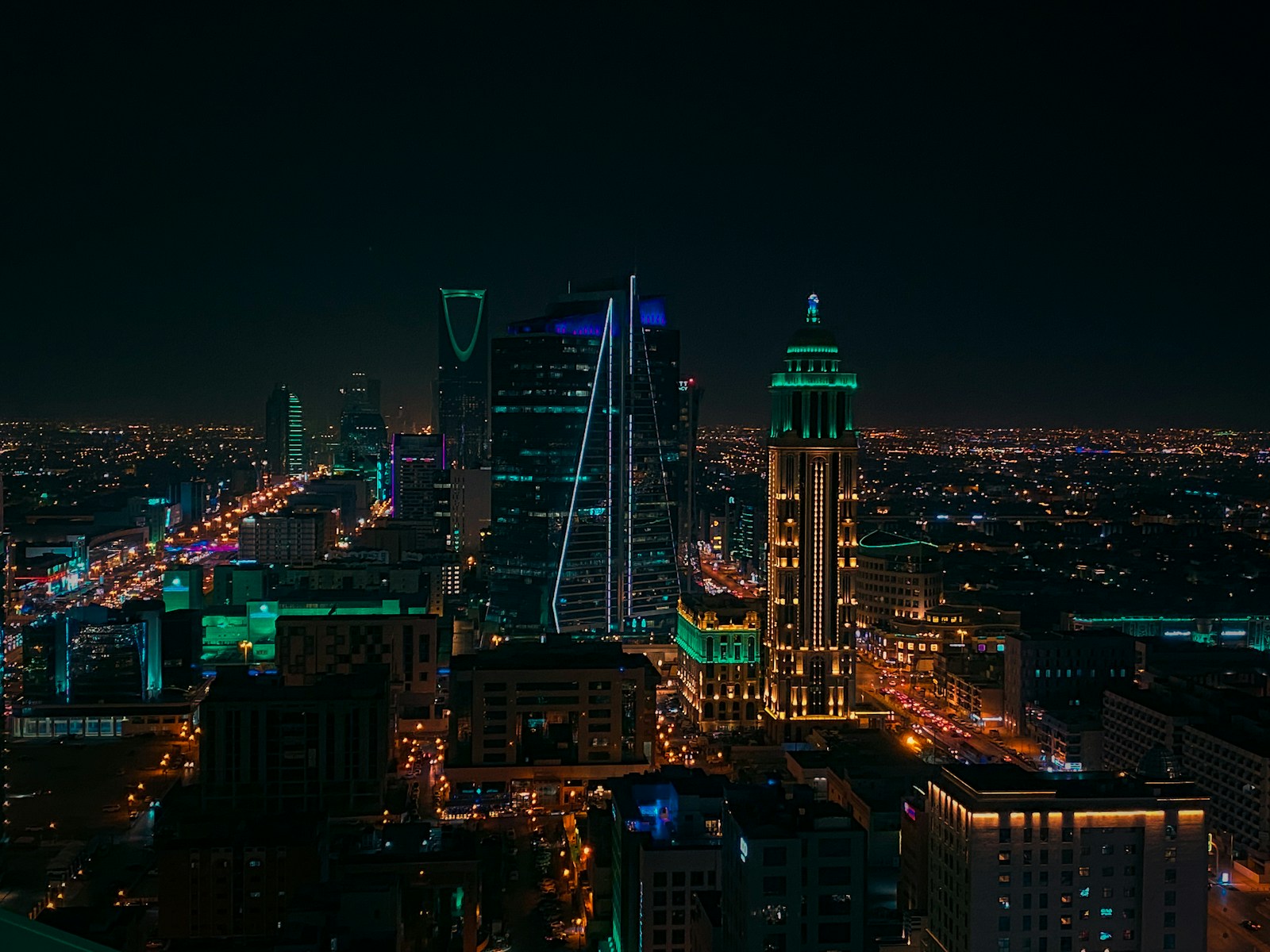
- Riyadh – The capital city is a blend of ultramodern architecture and preserved heritage. Explore Masmak Fortress, the 19th-century adobe stronghold pivotal in the unification of Saudi Arabia. The National Museum showcases Arabia’s history from prehistoric times to the modern era. For a taste of local life, wander Souq Al Zal for carpets, perfumes, and spices, then end your day at the Sky Bridge atop Kingdom Centre Tower for panoramic views.
- Diriyah – A UNESCO World Heritage site and the birthplace of the Saudi state. The At-Turaif district, with its restored mudbrick palaces and palm-lined lanes, offers museums, cultural performances, and artisanal cafes. Visiting Diriyah is a walk through the roots of the Kingdom’s identity.
- Edge of the World – Located about an hour northwest of Riyadh, this dramatic geological site features sheer cliffs dropping into an endless plain. Hike along the ridge for breathtaking desert views, best enjoyed in the cooler hours of early morning or late afternoon.
Makkah Region (West)
- Makkah (Mecca) – The holiest city in Islam, accessible only to Muslims. The Grand Mosque (Masjid al-Haram) is the focal point, housing the Kaaba — the spiritual center for Muslims worldwide. Pilgrims performing Hajj or Umrah visit other sacred sites including Mount Arafat, Mina, and the Jamarat Bridge. The Abraj Al-Bait complex offers accommodations, dining, and a bird’s-eye view over the Haram.
- Taif – Nestled in the mountains, Taif offers cooler summer weather, terraced rose farms, and bustling souqs. The annual Taif Rose Festival celebrates the city’s famed rosewater and perfume-making traditions.
- Al Lith – A small coastal town serving as the starting point for diving trips to the Farasan Banks, an area of the Red Sea rich in marine biodiversity and vibrant coral reefs.
Madinah Region (West)
- Madinah (Medina) – Islam’s second holiest city and the burial place of Prophet Muhammad. The Prophet’s Mosque (Al-Masjid an-Nabawi) is its centerpiece, with its green dome and vast prayer halls. Other important sites include Quba Mosque — the first mosque built in Islam — and Uhud Mountain, site of a pivotal early battle.
- Yanbu – A Red Sea port city with preserved merchant houses in its old town and nearby beaches perfect for relaxation and diving.
- AlUla – A desert treasure known for towering rock formations and UNESCO-listed Hegra, the southern sister city of Petra. Visit the Old Town with its mudbrick buildings and shaded alleys, then explore the surrounding oasis farms.
Eastern Province
- Dammam – A lively coastal city with a scenic Corniche, the Heritage Village Museum, and fresh seafood restaurants.
- Al Khobar – Known for its cosmopolitan energy, modern waterfront parks, and Half Moon Bay’s family-friendly beaches.
- Al Ahsa Oasis – The largest oasis in the world, with over 2.5 million date palms, natural springs, historic forts like Qasr Ibrahim, and UNESCO World Heritage status.
Northern Borders & Al Jouf
- Sakaka – A hub for exploring archaeological wonders like the Rajajil Standing Stones, often called Arabia’s Stonehenge.
- Dumat Al Jandal – An oasis town with the ancient Marid Castle, Al-Dar’i Mosque, and a rare desert lake.
- Harrat Khaybar – A volcanic field featuring black lava flows, white volcanic cones, and striking geological contrasts.
Asir & Jizan (Southwest)
- Abha – A cool-climate city at high altitude, offering colorful markets, Asir National Park’s cloud forests, and cable car rides to nearby mountain villages.
- Rijal Almaa – A heritage village with stone houses decorated with vibrant windows and murals. Cultural festivals here celebrate Asir’s unique architecture and traditions.
- Jizan – Gateway to the Farasan Islands, where mangroves, coral reefs, and rare bird species create an eco-paradise.
Top Places to Visit in Saudi Arabia
Cultural Capitals
- Riyadh – A city where heritage sites and modern design coexist, from the historic Masmak Fortress to the futuristic King Abdullah Financial District.
- Jeddah – The gateway to the holy cities, Jeddah’s Al-Balad district boasts coral-stone houses, UNESCO recognition, and vibrant street art.
Nature Escapes
- Edge of the World – Dramatic desert cliffs that offer endless horizon views.
- Asir National Park – Verdant highlands and cool forests ideal for hiking and camping.
Historic & Religious Sites
- Makkah’s Grand Mosque – The largest mosque in the world and the heart of Islamic worship.
- Madinah’s Prophet’s Mosque – A place of peace and reflection for millions of visitors.
- AlUla’s Hegra – Monumental rock-cut tombs and inscriptions of the Nabataean civilization.
Coastal Getaways
- Farasan Islands – White-sand beaches, turquoise waters, and diverse marine life.
- Al Khobar Corniche – A modern waterfront lined with cafes, parks, and family areas.
Book immersive Saudi Arabia tours and experience unforgettable things to do in Saudi Arabia — from standing before the Kaaba in Makkah and visiting the Prophet’s Mosque in Madinah to hiking the Edge of the World, discovering AlUla’s sandstone tombs, and diving the coral reefs of the Farasan Islands.
Hajj & Umrah: A Pilgrim’s Guide
Hajj is one of the Five Pillars of Islam and occurs annually in the Islamic month of Dhul Hijjah. It is obligatory for able-bodied Muslims with the means to perform it. The rites span several days and include Tawaf (circling the Kaaba), Sa’i (walking between Safa and Marwah), standing at Arafat, overnighting in Muzdalifah, and stoning the Jamarat in Mina.
Umrah is a non-mandatory pilgrimage that can be performed year-round. It involves Tawaf and Sa’i, and many pilgrims combine it with a visit to Madinah.
Visas & Access
- Hajj visas are issued only through licensed agents.
- Umrah visas and eVisas are available to many nationalities.
- Non-Muslims are prohibited from entering Makkah and Madinah’s sacred areas.
Pilgrim Tips
- Book accommodations close to the Haram for ease of access.
- Wear modest, breathable clothing suitable for the climate.
- Stay hydrated and rest between rites.
- Learn basic Arabic greetings and phrases for smoother interactions.
Best Time to Visit Saudi Arabia
Saudi Arabia’s climate varies dramatically by region, and pilgrimage timing plays a crucial role in planning.
- Hajj Season – Occurs in Dhul Hijjah; dates shift annually in the Gregorian calendar. Expect high demand for flights and accommodations.
- Umrah – Can be performed any time; peak seasons are during Ramadan and winter months.
- Spring (Mar–May) – Mild temperatures make it ideal for exploring heritage sites and outdoor landscapes. Taif’s roses bloom during this time, attracting visitors to its festival.
- Summer (Jun–Aug) – Coastal and central lowlands can exceed 40°C, but mountain areas like Abha and Taif offer cooler weather. Red Sea diving is excellent.
- Autumn (Sep–Nov) – Warm days and cool nights make it perfect for desert trips and cultural festivals.
- Winter (Dec–Feb) – Comfortable in most regions, with chilly evenings in the mountains.
Must-See Experiences in Saudi Arabia
- Perform Tawaf around the Kaaba in Makkah.
- Pray at the Prophet’s Mosque in Madinah.
- Explore AlUla’s UNESCO-listed Hegra.
- Wander Jeddah’s Al-Balad and shop its souqs.
- Hike the Edge of the World.
- Ride Abha’s cable cars over Asir’s highlands.
- Dive with whale sharks near the Farasan Islands.
- Camp under the stars in the Empty Quarter.
- Visit Diriyah’s restored At-Turaif district.
- Sip Arabic coffee in Taif’s rose-scented air.
Best Travel Itineraries in Saudi Arabia
7-Day Pilgrimage & Heritage
Day 1: Arrive in Makkah, check into hotel near the Haram, perform Umrah rites.
Day 2: Visit Mount Arafat, Mina, and Jamarat area; evening prayers at Grand Mosque.
Day 3: Travel to Madinah via Haramain train; evening prayers at Prophet’s Mosque.
Day 4: Visit Quba Mosque, Qiblatain Mosque, and Uhud Mountain.
Day 5: Fly to Jeddah, explore Al-Balad and Corniche.
Day 6: Day trip to Taif’s rose farms and markets.
Day 7: Return to Jeddah for final shopping before departure.
10-Day Nature & Culture
Days 1–2: Riyadh — Masmak Fortress, National Museum, Diriyah.
Day 3: Hike Edge of the World.
Days 4–5: Fly to AlUla — Hegra and Old Town.
Days 6–7: Abha — Asir National Park, Rijal Almaa village.
Days 8–9: Jeddah — Al-Balad, Red Sea diving.
Day 10: Departure.
14-Day Grand Tour
Days 1–3: Riyadh and Diriyah.
Days 4–5: Makkah pilgrimage (or Taif for non-Muslims).
Days 6–7: Madinah’s holy sites.
Days 8–9: Jeddah’s heritage and coastal attractions.
Days 10–11: AlUla’s Hegra and landscapes.
Days 12–13: Abha and Asir highlands.
Day 14: Return to Riyadh.
Local Cuisine and Culinary Experiences
- Kabsa – Aromatic rice with lamb or chicken, a national staple.
- Jareesh – Crushed wheat cooked with meat and spices.
- Mutabbaq – Pan-fried pastry stuffed with savory fillings.
- Samak Mashwi – Charcoal-grilled fish, often from the Red Sea.
- Dates & Arabic Coffee – Served as a gesture of hospitality.
Food tours in major cities offer market visits and cooking demonstrations.
Travel Safety and Cultural Etiquette in Saudi Arabia
- Dress modestly; women should cover shoulders and knees.
- Non-Muslims cannot enter Makkah or Madinah’s sacred zones.
- Alcohol is prohibited.
- Shops close during prayer times.
- Always carry identification.
Where to Go Next – Pair Saudi Arabia with These Destinations
- United Arab Emirates – Dubai’s modern attractions and Abu Dhabi’s cultural sites.
- Oman – Wadis, forts, and dramatic coastlines.
- Jordan – Petra, Wadi Rum, and the Dead Sea.
United Arab Emirates Travel Guide | Oman Travel Guide | Jordan Travel Guide
Final Planning Checklist for Saudi Arabia
- Obtain correct visa (tourist, Umrah, or Hajj).
- Book flights and hotels early for Hajj or Ramadan.
- Arrange domestic flights for long distances.
- Pack for varied climates.
- Download offline maps and translation tools.
- Learn key Arabic greetings.
- Respect local customs and religious laws.
For more expert tips, detailed itineraries, and insider travel advice, explore our full library of Middle East travel guides on our main site. Whether you’re coming for the sacred pilgrimage or a once-in-a-lifetime desert adventure, Saudi Arabia offers a journey that will stay with you forever.