Where to Stay and Explore in Cebu
Less a single destination and more a collection of sharply divided coastlines, heritage corridors, and emerging resort zones, Cebu rewards travelers who plan by sub-region, not map scale. What works in Mactan does not work in the city center, and a day shaped around Kawasan Falls fails if treated like a quick stop from Lapu-Lapu. Traffic, geography, and ferry routes shape every decision—especially for first-time visitors trying to balance beach time, cultural insight, and local immersion. Cebu is fragmented by design, but that fragmentation rewards clarity: either lean into the zone you’re based in or invest in a real transfer. Treat each destination cluster as a separate trip. Start with how Cebu actually functions on the ground.
Cebu’s Geographic Decision Points
Urban density is not central
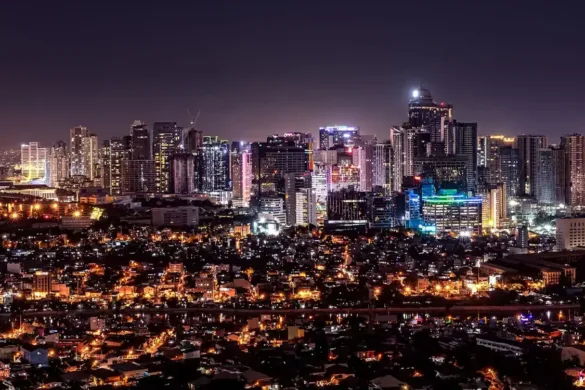
Cebu City may be the island’s hub, but it’s not the functional heart of most trips—and that matters because travelers expecting a central core may misplan everything else. Colon Street and Mango Avenue hold historic and commercial weight, but most visitors actually orbit around IT Park, Fuente Circle, or uptown zones. The decision is whether to stay near the heritage core or move to modern commercial areas with easier access to amenities. Execute by using the heritage downtown for half-day cultural immersion, not as your base of operations.
Mactan is not Cebu
Mactan Island hosts the airport and most major beach resorts, yet it is technically outside Cebu City proper. It’s a separate landmass connected by two main bridges, both of which suffer from chronic congestion. The decision is whether to accept transit delays or build your trip fully around Mactan’s leisure offerings. Execute by staying in Mactan if your priorities are beach access and resort convenience, not city exploration.
South vs. north divides your trip
Southern Cebu offers adventure and natural features—like whale shark watching in Oslob and canyoneering in Badian—while northern Cebu offers quieter escapes like Bantayan Island. These directions are not compatible in a single short itinerary. The decision is whether you want a nature-forward or chill-out beach trip, because combining both will cost multiple travel days. Execute by choosing either a southern loop or a northern retreat, not both, unless you have more than 7 days.
Ferry ports shape regional pivots
Cebu is a maritime hub, and that matters because it enables movement to Bohol, Negros, Leyte, and Siquijor—but only from certain terminals. Pier 1 and Pier 3 serve different destinations, while nearby Tagbilaran and Dumaguete have tighter schedules. The decision is whether to treat Cebu as an anchor or as a gateway. Use the Cebu Port Authority terminal listings to match your ferry options before building the route.
Bad weather reshuffles plans
Cebu’s wet season from June to October can affect ferries, beach days, and inland access to waterfalls and trails. Mactan is more weather-insulated due to its resort infrastructure, while southbound trips are more weather-sensitive. The trade-off is flexibility versus fragility—are you building a fixed itinerary or leaving room to pivot? Execute by planning weather-sensitive days early, so you have fallback days if transport or access gets disrupted.
Who Cebu Rewards — and Who It Doesn’t
Beach-and-culture combo travelers
Cebu suits travelers who want both relaxation and cultural depth without flying between islands. Sites like Magellan’s Cross, Fort San Pedro, and Basilica Minore del Santo Niño sit near urban hotels, while Mactan offers snorkeling and sand within an hour. The decision is whether you’re willing to move zones mid-trip or need a single anchor. Execute by splitting your stay between Cebu City and Mactan—don’t try to commute daily.
First-timers seeking access and ease
Cebu rewards travelers who want island access without Manila’s sprawl or Palawan’s infrastructure challenges. Mactan-Cebu International Airport is cleanly connected to Korea, Japan, Singapore, and key domestic routes. The decision is whether to treat Cebu as a final destination or a jump-off to Bohol, Dumaguete, or Siquijor. Execute by planning at least 3 full days in Cebu province before pivoting outward.
Digital nomads or workcation travelers
Cebu City and IT Park in particular support remote work, co-working, and long stays with urban access and beach options. Areas like Lahug and Apas offer strong Wi-Fi, mid-range apartments, and easy logistics. The trade-off is urban noise and transit pressure versus coastal calm. Execute by basing in IT Park if working, and adding weekend overnights in Moalboal or Bantayan for contrast.
Who struggles in Cebu
Travelers who hate traffic or want walkable zones will struggle. Cebu has limited sidewalks, scattered development, and extreme time-to-distance mismatches during peak hours. First-time travelers expecting short hops between attractions may feel frustration. Execute by accepting longer rides and planning each day around a tight zone—not by attraction type.
Cebu Basics for First-Time Visitors
Airport to city travel
Mactan-Cebu International Airport (MCIA) is located on Mactan Island, requiring bridge access to reach Cebu City proper. Transit options include taxis, Grab, MyBus, or private transfers, with varying reliability depending on time of day. The decision is whether to stay near the airport on arrival or push through to the city immediately. Use the official airport transport guide for route planning.
Tap-to-pay doesn’t dominate
Cash still rules outside malls and larger businesses. Most restaurants in areas like Fuente Osmeña, Carbon Market, and Colon Street are still cash-first. The trade-off is speed versus flexibility—cards may work in Ayala or SM, but not in transit or independent shops. Execute by keeping small bills on hand and only using cards in major retail zones.
Language and communication
English is widely spoken in Cebu, especially in urban and tourism-facing areas. Bisaya is the dominant local language, but most signage and official processes are in English. The decision is whether to learn key phrases or rely on English only. While translation isn’t mandatory, using simple Bisaya greetings like “Salamat” (thank you) goes a long way in southern barangays.
SIM cards and data
Prepaid SIMs are easy to buy at the airport, malls, or sari-sari stores. Globe and Smart are the major providers, with Globe typically stronger in cities and Smart favored in rural southbound zones. The decision is whether to rely on roaming or set up a local number. Execute by purchasing a load-ready SIM at the airport or in Ayala Center Cebu for strong signal throughout the province.
Safety, scams, and street sense
Cebu is generally safe, but pickpocketing occurs in crowded markets and jeepneys. Tourist scams are rare but watch for inflated private van fares at the airport. Execute by booking transport in advance, avoiding walking isolated routes after dark, and using registered tour operators for day trips.
Cebu’s Neighborhoods and Key Districts
Mactan Island for resorts
Mactan houses the majority of Cebu’s high-end beachfront resorts, including Shangri-La, Crimson, and Bluewater Maribago. It’s ideal for travelers prioritizing beach access, pool time, and resort dining. The trade-off is isolation—reaching Cebu City or provincial day trips from Mactan is time-consuming. Use Mactan if you’re building a rest-forward itinerary or traveling with kids.
Cebu IT Park for convenience
IT Park is a master-planned commercial zone with modern accommodations, 24/7 cafes, co-working spaces, and low-friction mobility. It works well for remote workers, digital nomads, and travelers who want access without chaos. The decision is whether to prioritize city experiences or avoid them altogether. Execute by basing here for part of your stay and using it as a pivot point to northern attractions.
Moalboal for diving and chill
Moalboal is a southern coastal town famous for sardine runs, free diving, and casual beach stays. It anchors many southbound day trips to Kawasan Falls and Badian canyoneering routes. The trade-off is accessibility—it’s 3–4 hours by van or bus from Cebu City. Use Moalboal as a 2-night module in a southern itinerary, not as a one-day hit.
Colon and Carbon for heritage
Colon Street is the oldest street in the Philippines, and the Carbon Market nearby offers a chaotic but authentic local shopping experience. These zones show Cebu’s working core but can feel overwhelming for first-timers. The decision is whether to brave crowds for depth or stay in the sanitized mall zones. Visit by day and pair with nearby museums like Casa Gorordo for context.
Lahug and Apas for mid-range stays
These hill-adjacent neighborhoods sit between IT Park and the Marco Polo Hotel zone. They offer breezier climates, quieter nights, and fast access to the Transcentral Highway. The trade-off is distance from both beaches and downtown heritage sites. Choose Lahug if you want urban calm and weekend escape routes.
Cebu’s Major Attractions and Landmarks
Basilica Minore del Santo Niño
The Basilica Minore del Santo Niño is the heart of Cebu’s religious life, housing the country’s oldest Christian relic. It sits beside Magellan’s Cross and Fort San Pedro in the downtown heritage zone. The decision is whether to visit during off-peak hours or navigate dense crowds during Mass or fiesta days. Execute by visiting early in the day and pairing it with the nearby Plaza Independencia walk.
Fort San Pedro
Fort San Pedro is a 16th-century Spanish military outpost and one of Cebu’s key colonial anchors. Located beside the pier and Plaza Independencia, it offers stone ramparts and shaded gardens for rest and context. The trade-off is scale—it’s smaller than expected and better as a short historical stop. Plan to combine it with the Basilica and museum visits, not as a standalone.
Sirao Flower Garden
Sirao’s “Little Amsterdam” sits in the uplands above Cebu City and features rows of celosia, sunflower fields, and photo platforms. It’s accessed via the Transcentral Highway and best done with a private car or motorbike hire. The decision is whether you want a social-media-friendly detour or nature immersion. Visit early to avoid crowds and pair it with Temple of Leah or Tops Lookout.
Temple of Leah
Built as a Roman-inspired monument to love, Temple of Leah has become a selfie-driven landmark in Cebu’s mountain suburbs. It’s perched above Lahug and reached by winding upland roads, often in tandem with Sirao or Tops. The trade-off is substance—it’s architecturally dramatic but limited in cultural depth. Use it as a break point during a half-day upland loop.
Kawasan Falls
Kawasan is Cebu’s most famous waterfall, known for bright turquoise pools and canyoneering. Located near Badian on the island’s southwestern coast, it requires a multi-hour van ride from Cebu City or Moalboal. The decision is whether to visit independently or join a guided day tour. Execute by booking early with a registered operator and using a waterproof dry bag—expect physical exertion.
Cebu’s Cultural and Historic Highlights
Casa Gorordo Museum
Casa Gorordo is a restored Spanish-era home turned museum that offers deep insight into Cebu’s mestizo elite lifestyle. It sits in the Parian district near Colon and Carbon markets. The decision is whether to invest in its full interpretive depth or pass through quickly. Plan by pairing it with nearby Yap-Sandiego Ancestral House and the Heritage of Cebu Monument for a full circuit.
Yap-Sandiego Ancestral House
This 17th-century bahay-na-bato is one of the oldest residential houses in the Philippines still standing. It’s preserved with period furniture and located beside the Casa Gorordo Museum. The trade-off is time—tight spaces and dim lighting mean visits are quick but immersive. Visit back-to-back with Casa Gorordo and bring cash for entry.
Heritage of Cebu Monument
A massive concrete sculpture by Eduardo Castrillo, this monument combines symbolic scenes from Cebu’s past—from pre-Hispanic roots to the Spanish period and revolution. It’s located along Colon Street, tying together the cultural spine. The decision is whether to stop for photos or interpret the history through guided context. Execute by stopping en route between museums or using it as a cultural orientation point on Day 1.
Museo Sugbo
Museo Sugbo is housed in Cebu’s former provincial jail and now presents exhibits on Spanish colonization, the Katipunan, and World War II. Located near the North Reclamation Area, it’s slightly off the usual walking loop. The trade-off is distance—worth it for context but harder to reach without a car or Grab. Visit if you want structured national history over personal narratives.
Taoist Temple
Built by Cebu’s Chinese community in the Beverly Hills subdivision, the Taoist Temple is a peaceful cultural site with dragon statues and hillside views. It’s accessible via Lahug and Apas, requiring a tricycle or private car. The decision is whether to include it for cultural contrast or save time for core heritage zones. Use it as a morning outing from IT Park or Lahug when the weather is cool.
Cebu’s Top Places to Visit
Oslob for whale shark watching
Oslob is Cebu’s most controversial attraction, offering early-morning whale shark interaction under regulated but debated feeding practices. Located 3 hours south of Cebu City, it requires very early departure and exact timing. The decision is whether you accept the ethical trade-off or opt for alternate marine experiences. If visiting, book an early transport-inclusive tour and pair it with Tumalog Falls or Sumilon Island.
Bantayan Island for beach stillness
Bantayan sits off the north coast of Cebu and offers laid-back beaches with minimal crowds, ideal for longer stays. Accessible via Hagnaya Port and a RoRo ferry, it requires at least two travel legs. The trade-off is time—it’s not feasible for a single-day trip. Use Bantayan as a 2–3 night northern retreat when Cebu City gets too dense.
Camotes Islands for mid-tier adventure
Camotes is a less-developed island group reachable via Danao Port, offering caves, lakes, and basic beach resorts. It sits northeast of Cebu and functions as an off-grid escape. The decision is whether to trade infrastructure for solitude. Visit if you’ve already seen Mactan and Moalboal and want a new circuit.
Tops Lookout for city panoramas
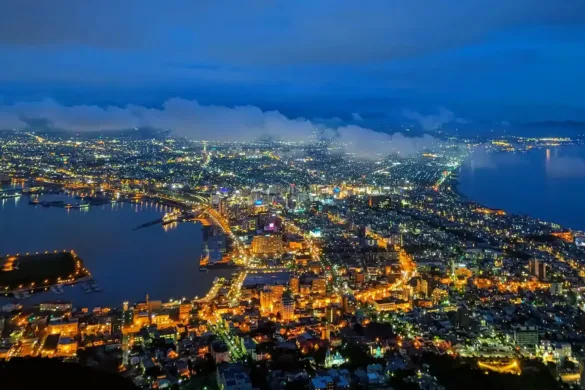
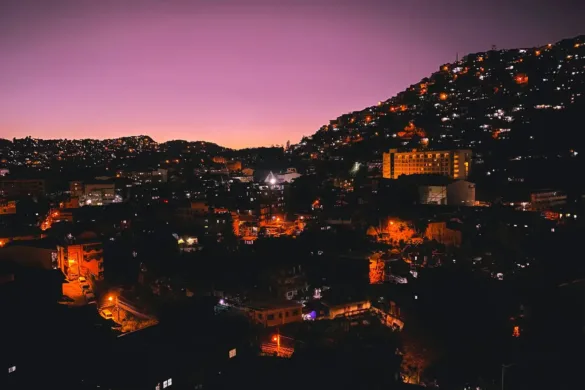
Tops sits high above Cebu and delivers sweeping night views of the city and coast. It’s best reached by private vehicle via Busay or Lahug. The trade-off is weather—fog can kill visibility quickly. Visit at dusk with weather checks, and pair it with dinner in Busay’s scenic restaurants.
Sumilon Island for resort day trips
Sumilon is a small private island operated by Bluewater Resorts, famous for its sandbar and marine sanctuary. It’s accessible via Bangcogon near Oslob and often paired with whale shark tours. The decision is whether to book a day pass or stay overnight. Use it as a buffer to decompress after early wildlife activity.
Cebu’s Food and Local Experiences
Larsian BBQ
Larsian is Cebu’s most famous open-air barbecue hub, offering grilled pork, chicken, and seafood with sawsawan dips. Located near Fuente Osmeña Circle, it’s chaotic, smoky, and fully authentic. The decision is whether to prioritize atmosphere or food quality—this is about vibe, not plating. Visit at night for the full local crowd and bring small bills.
Sugbo Mercado
Sugbo Mercado is a night market and food park in IT Park, featuring local vendors, desserts, craft brews, and communal seating. It anchors the area’s social scene Thursday to Sunday. The trade-off is popularity—it gets packed fast. Visit early in the evening and share plates to sample multiple vendors.
Taboan Market
Taboan is Cebu’s pungent dried fish market, the go-to place for pasalubong (souvenirs) like danggit and pusit. Located near Pasil and Carbon, it’s a sensory overload. The decision is whether to brave the smell and crowds or skip it for convenience. Visit with a purpose—don’t linger—and seal goods tightly before flying out.
Rico’s or House of Lechon
Cebu’s lechon (roast pig) is a national icon, and local chains like Rico’s and House of Lechon offer accessible, air-conditioned options. Rico’s has branches in Mactan and Capitol, while House of Lechon is popular in Kamputhaw. The trade-off is mass appeal versus hidden gems. Eat here for reliability, and use local tips to hunt hole-in-the-wall spots if staying longer.
Carbon Market for full immersion
Carbon is Cebu’s oldest and largest market, offering everything from vegetables to streetwear to street food. Located near the downtown heritage zone, it’s loud, dense, and unfiltered. The decision is whether to chase authenticity or stick to malls. Visit early morning for fresh produce or dusk for food stalls—but protect your valuables and go with purpose.
Getting Around Cebu
Inter-island ferries as pivot points
Cebu’s ferries aren’t just exit routes—they’re the core of how you access neighboring provinces like Bohol and Negros. Most fast craft leave from Pier 1, with OceanJet and SuperCat serving Tagbilaran and Dumaguete daily. The decision is whether to day-trip or move entirely to another island. Use the official ferry schedules for route clarity and build buffer time for port congestion.
Metro Cebu’s limited rail
There is no metro or train service in Cebu—only road-based transport, which shapes everything from planning to execution. Jeepneys, buses, Grab, taxis, and habal-habal (motorcycle taxis) make up the patchwork network. The trade-off is comfort versus local immersion. Use Grab for point-to-point movement in urban zones and avoid commuting during rush hours (7–10am, 4–7pm).
Southbound van logistics
To reach Moalboal, Oslob, or Badian, vans and Ceres buses depart from Cebu South Bus Terminal, which sits off N. Bacalso Avenue. The terminal is organized but gets chaotic during weekends and holidays. The decision is whether to pre-book or wing it. Arrive at least 45 minutes early and carry cash—private van hires are more flexible but 3x the price.
Island-wide driving realities
Driving in Cebu is not recommended for most travelers. Roads between Cebu City and upland or coastal routes narrow quickly, traffic laws are loosely enforced, and parking is unpredictable. The decision is whether you value flexibility or reduced stress. Use private drivers or tour vans instead of rentals unless you’re experienced with Philippine driving conditions.
Walking isn’t the norm
Cebu is not built for pedestrians. Sidewalks are scarce, intersections are inconsistent, and heat/humidity slow you down quickly. Malls, like SM Seaside and Ayala Center, are more walkable than streets. Execute by using taxis or Grab even for short trips between heritage stops—walking drains time and energy faster than you expect.
Where to Base Yourself in Cebu
Mactan for beach-first travel
Mactan Island is best for travelers who want pool access, beachfront stays, and low-exertion schedules. Resort strips like Punta Engaño and Maribago concentrate luxury and mid-range options. The trade-off is city detachment—you’ll need 60–90 minutes to reach downtown. Use Mactan if your itinerary leans toward marine activities or you’re entering/leaving via MCIA.
IT Park is clean, compact, and full of dining, work, and shopping options, making it ideal for travelers who want balance. It’s walkable by Cebu standards and works well for co-working or recovery nights between day trips. The trade-off is lack of historic charm. Base here if you want frictionless comfort and reliable food access.
Moalboal for marine southbound
Moalboal is best used as a 2–3 night southbound base for marine activities and adventure. It’s located 3–4 hours from Cebu City but offers coral reefs, sardine runs, and short links to Kawasan Falls and Badian. Stay in Panagsama Beach for access, or White Beach for calm. Don’t use Moalboal as a day trip—it’s too far.
Lahug for altitude and city escape
Lahug offers hilltop hotels, city views, and quick access to Busay and Sirao without leaving Cebu metro. It’s quieter than downtown and cooler at night. The trade-off is mobility—you’ll rely on cars to go anywhere. Use Lahug as a quiet urban escape or a mid-point between city errands and nature trips.
Capitol Site and Fuente for quick access
These older central zones give fast links to Colon, Carbon, museums, and markets. They aren’t beautiful, but they’re central and dense. The decision is whether you prioritize utility or experience. Base here if you want to visit key sites quickly, but don’t expect peace or greenery.
Find the best places to stay in Cebu on Trip.com, booking through these links supports our site, at no extra cost to you.
Cebu Budget Tracker
Budget daily range
Budget travelers can spend around ₱1,200–₱1,800 (USD 20–30) per day with dorms, buses, and market meals. Areas like Colon or Mabolo offer the cheapest beds, while jeepneys and street food cut costs further. The trade-off is crowding and less comfort. Use this range for short stays or flexible backpacking.
Mid-range daily range
Mid-tier travelers average ₱2,500–₱4,000 (USD 45–75) per day, balancing boutique hotels, Grab rides, and sit-down dining. Zones like IT Park, Apas, and Lahug offer strong value in this range. The decision is where to splurge—on better tours or better food. Plan two “spend days” and three buffer days to stretch this bracket.
Luxury daily range
Upscale stays in Cebu start around ₱6,000/day (USD 110+), but full resort setups in Mactan or Sumilon run much higher. Dining, spa treatments, and private transfers quickly raise the total. Base in Punta Engaño or Busay for top-tier experiences. Don’t expect full international five-star standards, but expect warm service and good security.
Cost reduction strategies
Book inter-island ferries in person instead of online to save markup fees. Avoid airport taxi stands—use Grab instead. Eat lechon at local carinderias instead of tourist-famous outlets. Execute these tweaks daily and save ₱500–₱1,000 with no real sacrifice.
Price anchors to track
Prices spike during Sinulog Festival (third Sunday of January), Holy Week (March/April), and long local holidays. Mactan resorts, heritage hotels, and island-hopping tours book out months ahead. Use the official Sinulog page to check festival dates before confirming flights or rooms.
Best Areas to Choose in Cebu
For beach recovery days
Choose Mactan or Bantayan Island when your priority is ocean time with low planning stress. Resorts often include full-day packages, transfers, and on-site dining. Avoid these zones if your goal is city immersion.
For cultural deep dive
Base in the downtown Cebu City core near Colon, Parian, or Carbon Market if you want to walk heritage sites. These zones are loud, gritty, and real. Pair this choice with early morning visits to avoid heat and crowd fatigue.
For adventure launches
Use Moalboal or Badian as base camps for waterfalls, canyoneering, and diving. These are not luxury zones—they’re about movement, not comfort. Only choose this if you have 2+ nights to stay and recover between outings.
For digital nomad rhythm
Pick IT Park or Apas if you’re working remotely. You’ll find co-working spaces, 24/7 cafes, and decent broadband. Avoid here if you want constant nature access—it’s urban first, convenience second.
For altitude contrast
Lahug and Busay offer highland air, scenic cafes, and fast access to Sirao and Tops. These are great for short breaks from city intensity. Expect thin transit options—bring private transport or prebook Grab rides.
Realistic Itineraries in Cebu
Cebu is not a checklist destination—it’s a collection of separated zones best explored in segments. Each day must anchor to a corridor or coastline, not bounce across them.
Day 1: Arrival and Orientation
Land at Mactan, settle into a nearby resort or hotel, and assess local transit times. Use this as a decompression day and scout nearby options like Lapu-Lapu Shrine or local BBQ stalls. Don’t try to cross to Cebu City unless you’re based there. Recovery and recon are the only goals—stretch, swim, and recalibrate.
Day 2: Heritage Core and Carbon Market
Begin early in downtown Cebu City with the Basilica, Fort San Pedro, and nearby museums. Grab lunch near Colon or inside SM City for AC. Explore Carbon Market or Casa Gorordo in the afternoon. Don’t attempt Mactan or Moalboal from here—city density will stall your timing.
Day 3: Upland Loop – Temple of Leah + Sirao
Base in Lahug or Busay and explore the highlands: Sirao Flower Farm, Temple of Leah, and Tops Lookout. Bring layers and expect uphill rides. This is your visual contrast day—green, breezy, and elevated. Return before sunset; fog and darkness complicate returns.
Day 4: Moalboal Southbound Transfer
Transfer to Moalboal via South Bus Terminal or pre-arranged van. Travel will consume 3–4 hours. Check in, walk Panagsama, and prepare gear for diving or snorkeling. This is a low-activity transfer day—don’t plan excursions on arrival.
Day 5: Sardine Run + White Beach
Morning snorkel or dive for sardine run (shore entry). Break mid-day, then transfer to White Beach for chill time. Don’t double-stack waterfalls or inland trips—surf sun and ocean safety take priority. Use this day to reset your body clock to marine rhythm.
Day 6: Kawasan Falls and Canyoneering
Book a full-day canyoneering trip with certified guides—expect climbing, swimming, and some impact. Pack dry bags and prepare for fatigue. This is your peak output day. Recover back in Moalboal by early evening—no transfers.
Day 7: Transfer to Cebu City or Mactan
Depart Moalboal after breakfast and ride north toward your exit base. If energy permits, stop in Carcar for lechon. Expect traffic. Recheck flight timing if your next day involves airport movement—don’t assume city distances = city speeds.
Day 8: Mactan Island Reset
Use this day for marine tours, stand-up paddleboarding, or island-hopping tours around Hilutungan and Nalusuan. Alternatively, check in to a full-service resort and do nothing. This is your decompression day—float, not force.
Day 9: Museum Loop or Mall Culture
Return to Cebu City for optional museum stops: Museo Sugbo, Casa Gorordo, or a re-entry into Carbon Market. If heat wins, stay indoors with coffee in Ayala Center or SM Seaside. This day is designed for final errands or cultural add-ons before departure.
Day 10: Departure
Leave buffer time—Cebu traffic is variable and bridge congestion between Mactan and Cebu City is real. If flying internationally, allow 3 hours at the airport. Don’t schedule anything beyond breakfast. Treat this day as transit-only.
Explore the top Cebu tours on Viator, booking through our tour links supports the site—at no extra cost to you.
Cebu’s Seasonal Expectations
Spring (Mar–May)
Late dry season brings rising heat and higher humidity—especially inland and downtown. Beach areas like Mactan and Bantayan offer relief, but waterfalls may run lower. Plan water-intensive days early and escape to uplands like Busay to avoid midday drain.
Summer (Jun–Aug)
This is rainy season—expect afternoon downpours, especially in upland and southern zones. Transport becomes less predictable and ferries may be delayed. Indoor days and mall-based activities shine here. Book early for backup options like spa days or museums.
Fall (Sep–Nov)
Transitional season offers a break from rain with thinner crowds before holiday surges. It’s the sweet spot for Moalboal and inter-island pivots to Bohol or Negros. Plan big moves mid-trip and lock accommodation ahead of school holiday weekends.
Winter (Dec–Feb)
Cebu’s best weather window—cooler temps, blue skies, and full access to waterfalls, diving, and overland routes. Sinulog Festival (January) causes city gridlock and high prices. Visit early December or late February for full access without the chaos.
Common Mistakes in Cebu
Underestimating travel times
Cebu is deceptively spread out—Google Maps times don’t match reality. Mactan to Moalboal can take 4–5 hours with traffic. Don’t plan multi-zone days. Lock your location and commit.
Trying to “do Bohol” as a day trip
While ferries make it possible, this move fails under real conditions. Ferry delays, return risks, and limited daylight ruin the experience. Visit Bohol properly or not at all.
Booking tours too late
Popular activities like Oslob whale watching and canyoneering get booked out 24–48 hours in advance. Last-minute booking means higher prices or no availability. Secure major excursions at least two days ahead.
Assuming Grab works everywhere
Grab is great in the city, but once you’re in Moalboal, Badian, or the mountains—forget it. Have local transport contacts, ask your accommodation for return options, and never rely on app-based rides in rural zones.
Expecting Manila-level infrastructure
Cebu is not Manila. Sidewalks vanish, signage is inconsistent, and power/internet occasionally cut out. Adjust expectations to match local norms, not urban assumptions.
Packing and Preparation for Cebu
Pack for salt, sun, and stairs
You’ll encounter beach days, heat, and stair-heavy heritage zones. Most streets lack shade and sidewalks, so physical load matters. Pack breathable fabrics, a dry bag, and a power bank for long days away from charging points. Skip formalwear—Cebu is function-first.
Bring reef-safe sun protection
Snorkeling, diving, and boat trips are part of most Cebu itineraries, but local ecosystems are fragile. Reef-safe sunscreen is preferred, and marine guides may restrict chemical sunblocks. The trade-off is cost—reef-safe brands are pricier. Bring your own or buy at diving shops, not pharmacies.
Cash dominance still holds
You’ll need small bills for jeepneys, market food, and provincial transfers. ATMs are common in cities but rare in places like Moalboal or Malapascua. Load cash before moving between zones and break large bills early in the trip. Always carry backup PHP 500 in case ATMs go down.
Footwear realism matters
Sandals are fine for Mactan or Bantayan, but you’ll need supportive shoes for Badian canyoneering or heritage walking in Carbon or Lahug. Expect wet trails, broken sidewalks, and sharp coral. Bring two options—one for water, one for urban grit.
SIMs and signal zones
Buy a SIM at the airport or mall. Globe has stronger coverage in central Cebu; Smart performs better in rural southern zones. Data reliability drops fast in Moalboal, uplands, or ferry terminals. Download offline maps before heading out of Cebu City.
Where to Go Next from Cebu
Bohol for nature and culture
Bohol is a classic next step—easy ferry access, Tarsier sanctuaries, the Chocolate Hills, and Panglao beaches. Ferries leave from Pier 1 daily. Use this as your “gentler” leg if Cebu pushed your energy limits. Check updated fast craft schedules via Cebu Pacific.
Dumaguete for slow town pace
Dumaguete offers sea breezes, laid-back cafes, and proximity to Apo Island and Valencia’s waterfalls. Best reached via ferry from Liloan or by flight. Choose Dumaguete if Cebu felt too urban or high-friction. It’s a reset, not a rush.
Siquijor for mystical calm
Siquijor combines white-sand beaches, waterfalls, and folk healing culture. It’s small, but ferry transfers are indirect—expect overnight stops or creative pivots. Use it if your next trip leg needs more detachment and fewer logistics.
Negros for nature immersion
Negros Oriental offers hot springs, diving, and mountain lodges within reach of Dumaguete. Northbound links toward Bacolod give access to sugar country history. Choose this if you want contrast from Cebu’s marine focus. It’s under the radar and spacious.
Manila as outbound anchor
If flying out of the country, Cebu-Manila is the dominant domestic air route. Flights run hourly but still require lead time. Don’t pair a Manila layover with unfinished Cebu plans—it adds stress. Depart Cebu clean.
Let the city slow you down, then remind you why you travel. Whether it’s the chaos of Carbon Market, the silence of Sumilon’s sandbar, or the wild shout of a canyon drop in Badian, Cebu isn’t about checking boxes—it’s about choosing zones. Stay still in Moalboal, surf the rush in Mactan, or climb the Sirao hills until the city disappears. You’ll never see it all, but you’ll feel where it changed you. That’s Cebu.
To connect your island trip with broader regional planning, start with our Philippines Travel Guide for timing, routes, and execution tips—or visit the Philippines Department of Tourism for updated events and government resources.
Where to Go in Cebu
Bantayan Island | Cebu City | Danao | Lapu-Lapu City | Malapascua Island | Medellin | Moalboal | Oslob | Samboan | Toledo City
Things to do in Cebu on Viator, booking through these activity links supports our site, at no extra cost to you.