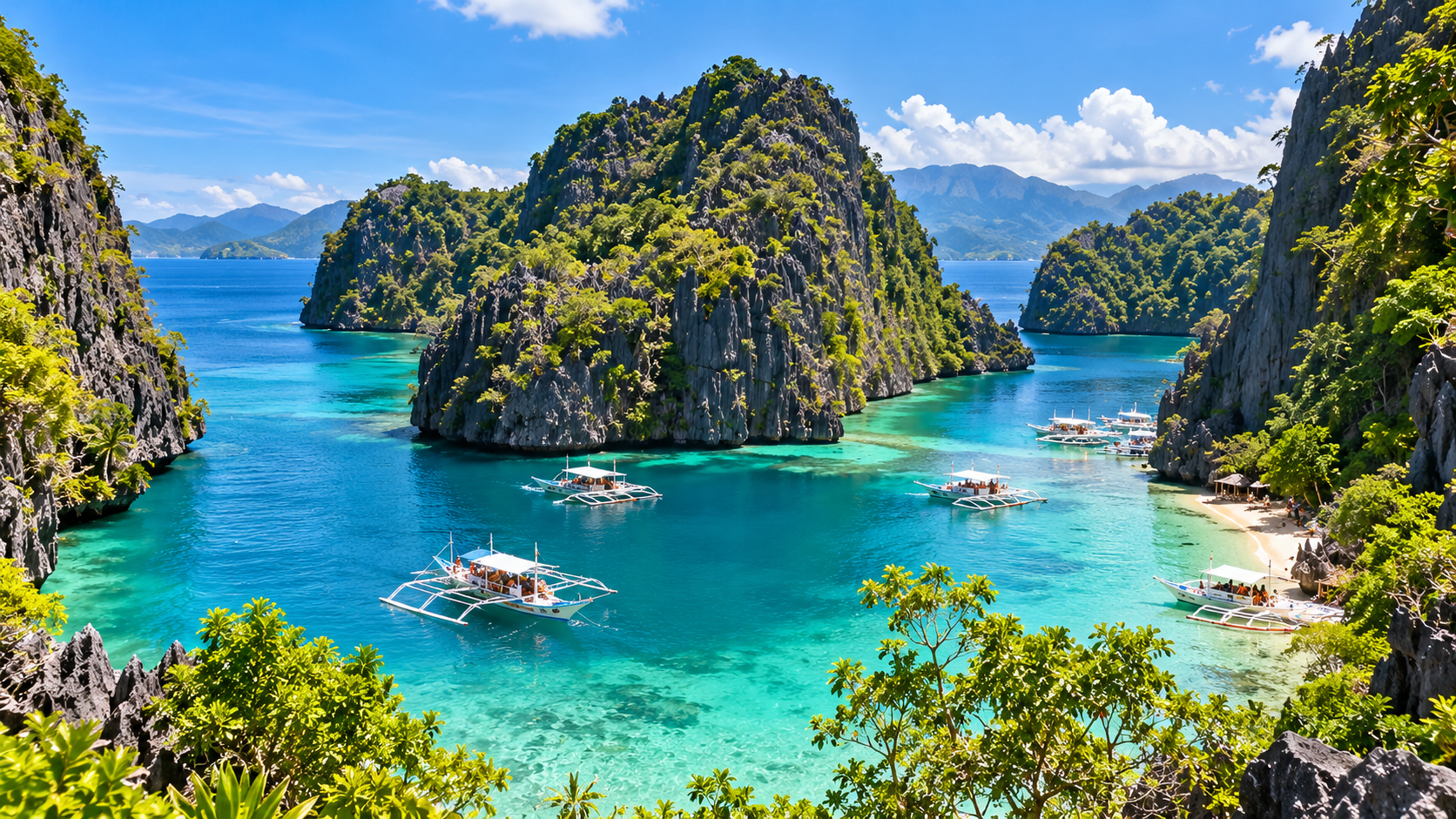
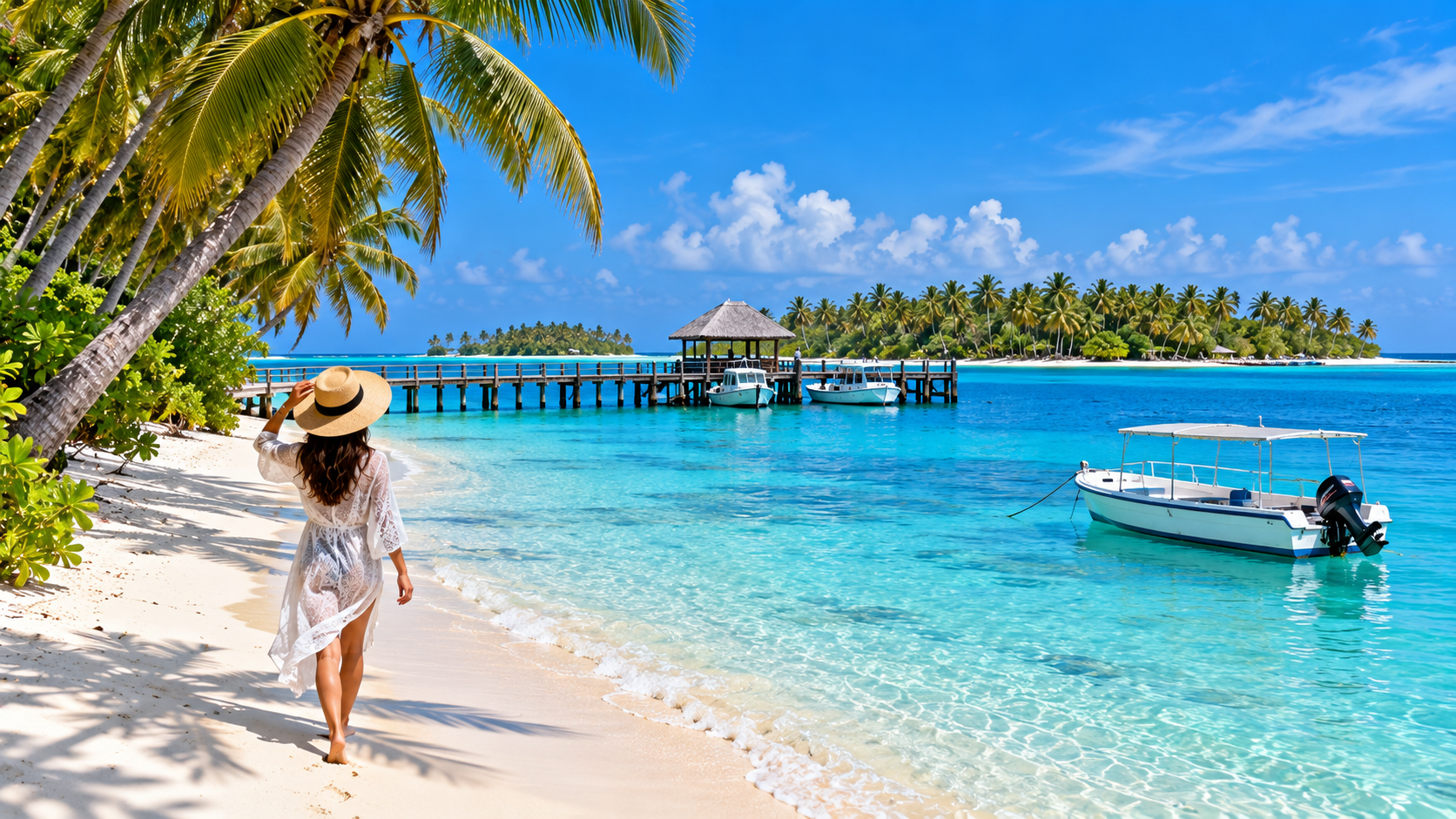
Palawan is one of the Philippines’ most spectacular travel destinations, a long island province celebrated for towering limestone cliffs, turquoise lagoons, tropical forests, coral reefs, and peaceful coastal communities. From the famous island-hopping adventures of El Nido and Coron to the underground river near Puerto Princesa and the quieter beaches of Port Barton and San Vicente, Palawan offers experiences that go far beyond a typical beach vacation. However, its attractions are spread across a large geographical area, and traveling between them can take much longer than visitors expect. This Palawan travel guide explains where to go, how to choose the right destinations, where to stay, and how to plan an unforgettable island journey without spending most of your holiday in transit.
Travel Essentials
Discover Palawan, the Philippines’ spectacular island province, renowned for turquoise lagoons, limestone cliffs, coral reefs, white-sand beaches and tropical rainforests. Explore the Underground River in Puerto Princesa, island-hop through El Nido’s Bacuit Bay, discover Coron’s famous lagoons and shipwrecks, relax in Port Barton and San Vicente, or venture to the remote islands of Balabac. From entry requirements and inter-island transportation to marine safety, environmental regulations and seasonal weather, find essential information for planning your Palawan adventure.
Palawan Quick Facts
Essential information for visiting the island province of Palawan, Philippines.
Palawan is an archipelagic province in the western Philippines, celebrated for exceptional marine biodiversity, limestone landscapes and island scenery. Puerto Princesa is the principal urban gateway and home to the UNESCO-listed Underground River. El Nido offers spectacular Bacuit Bay lagoons, Coron is famous for Kayangan Lake, Twin Lagoon and wreck diving, while San Vicente and Port Barton provide quieter coastal escapes. Southern Palawan and Balabac offer remote island experiences requiring more advance planning and flexible travel arrangements.
Arrival Information
Entry requirements and the principal air, road and sea gateways to Palawan.
Choose your arrival airport based on your destination. Puerto Princesa (PPS) serves central and southern mainland Palawan, El Nido (ENI) serves northern Palawan, and Busuanga (USU) serves Coron. Traveling between these destinations can involve lengthy road journeys or weather-dependent ferries.
Passport & Visa
International visitors must meet Philippine immigration requirements. Visa-free eligibility, passport validity and onward-ticket requirements depend on nationality and current rules.
Philippine eTravel
Travelers subject to Philippine eTravel requirements should register using the official government portal within 72 hours before arrival. Registration is free.
Domestic Flights
Many visitors connect through Manila, Cebu or Clark to reach Palawan. Confirm current airline routes, baggage allowances and schedules before booking.
Overland Transfers
Shared vans, buses and private vehicles link Puerto Princesa with Port Barton, San Vicente and El Nido. Road travel can take several hours and varies with conditions.
Inter-Island Ferries
Passenger ferries may connect El Nido and Coron. Other sea services vary by route and operator. Weather, sea conditions and maintenance can disrupt departures.
Environmental Fees
Protected areas and tourist destinations may require environmental, conservation, entrance or permit fees. Rates and payment procedures differ across Palawan.
Health Information
Medical services and health precautions for Palawan’s islands and remote communities.
Medical Facilities
Puerto Princesa offers more extensive medical services than many smaller island communities. Serious emergencies in remote areas may require evacuation to a larger hospital.
Travel Insurance
Consider comprehensive medical and evacuation insurance, particularly for diving, snorkeling, boat tours, remote island stays and outdoor adventures.
Vaccinations
Keep routine vaccines current. Consult a travel health professional about hepatitis A, hepatitis B, typhoid and other vaccinations appropriate to your itinerary.
Mosquito-Borne Diseases
Dengue occurs in the Philippines. Malaria risk also exists in parts of Palawan; seek itinerary-specific advice about prevention and medication before travel.
Food & Water Safety
Drink properly treated or sealed water, practice good hand hygiene and choose freshly cooked meals. Carry extra drinking water during long excursions.
Marine & Sun Safety
Protect against strong tropical sunlight, dehydration, coral cuts, sea urchins and currents. Use flotation equipment and follow professional diving and snorkeling guidance.
Travel Advisory
Weather, marine conditions and safety considerations throughout Palawan.
Travel conditions vary significantly across Palawan. El Nido, Coron, Puerto Princesa and remote southern islands have different access arrangements and emergency capabilities. Monitor official government advisories, PAGASA forecasts and Philippine Coast Guard notices, especially before marine travel.
Boat & Ferry Safety
Use licensed operators, wear life jackets and respect official sailing suspensions. Rough seas and monsoon winds can affect island-hopping and ferry routes.
Tropical Weather
Heavy rain, tropical cyclones and changing monsoon conditions may disrupt flights, boats and road travel. Keep flexibility in your itinerary.
Remote Island Travel
Balabac, remote coastal communities and some offshore islands have limited transport, communication and medical access. Arrange reliable local guides and contingency plans.
Road Conditions
Roads outside major towns may be narrow, uneven, unlit or affected by flooding. Exercise caution when riding scooters or taking long-distance road transfers.
Personal Security
Protect valuables in busy transport hubs, markets and tourist areas. Follow current official security advice, especially for less-traveled parts of southern Palawan.
Protected Area Access
Some lagoons, beaches, reefs and conservation areas require advance permits, visitor limits or approved guides. Closures may occur for environmental protection.
Holidays & Festivals
National holidays and local celebrations that may influence travel in Palawan.
Visitor Information
Practical advice for exploring Palawan’s beaches, towns, islands and protected areas.
Payments & ATMs
Cash is essential in many small towns and island communities. Larger hotels may accept cards, but ATMs and electronic payments can be unreliable in remote destinations.
Where to Stay
Puerto Princesa offers city hotels; El Nido and Coron feature resorts and guesthouses. Port Barton, San Vicente and Balabac provide quieter or more remote experiences.
Top Attractions
Visit the Puerto Princesa Underground River, El Nido’s Big Lagoon, Coron’s Kayangan Lake, Twin Lagoon, San Vicente’s Long Beach and Port Barton’s islands.
Island-Hopping Tours
Boat excursions are central to many Palawan itineraries. Confirm included stops, environmental fees, snorkeling equipment, safety measures and cancellation policies.
Languages
Filipino and English are widely used in tourism. Cuyonon, Palawano, Tagbanwa and other local languages reflect the province’s diverse cultural heritage.
Local Food
Enjoy grilled seafood, Filipino rice dishes, tropical fruits and regional specialties. Try locally prepared dishes at reputable establishments and confirm seafood prices.
Major Airports
Choose an airport based on the area of Palawan you intend to explore.
Puerto Princesa International Airport
Primary gateway for Puerto Princesa, the Underground River and overland journeys to Port Barton, San Vicente and El Nido.
El Nido Airport (Lio Airport)
Closest airport to El Nido and Bacuit Bay. Check current airline services, routes and baggage policies.
Francisco B. Reyes Airport
Located on Busuanga Island and serving Coron-bound visitors. Road transfer is required to reach Coron Town.
San Vicente Airport
Airport serving the San Vicente area, including access toward Long Beach and Port Barton. Scheduled flight availability should be verified.
Flight planning tip: Palawan is geographically extensive. Flying into Puerto Princesa and out of El Nido or Busuanga, when suitable flights are available, may reduce backtracking. Compare total transport time rather than airfare alone.
Transport in Palawan
Navigate mainland roads, island communities and marine connections.
Shared Vans
Passenger vans connect Puerto Princesa, El Nido, Port Barton and other mainland destinations. Confirm departure points and luggage allowances.
Buses
Bus services operate on selected mainland Palawan routes. They may be more economical than private transfers but can take longer.
Island-Hopping Boats
Licensed boat excursions provide access to lagoons, beaches and snorkeling areas. Tour routes depend on permits and sea conditions.
Tricycles
Motorized tricycles are commonly used for short local journeys in Puerto Princesa, El Nido and Coron. Confirm the fare before departure.
Private Transfers
Private vans and vehicles offer flexible schedules for airport transfers, sightseeing and longer mainland trips. Use established operators.
Ferries & Water Transport
Ferries and smaller boats connect certain islands and towns. Routes may be suspended because of rough seas or operational changes.
Connectivity & Electricity
Internet, mobile coverage and electricity across urban and remote Palawan.
Wi-Fi
Hotels, cafés and restaurants in major tourist centers often provide Wi-Fi. Speeds and reliability vary, and remote islands may have no internet access.
Mobile Networks
Globe and Smart provide mobile coverage in many populated areas. Signals can weaken considerably in remote islands, mountainous terrain and offshore locations.
SIM & eSIM
Prepaid Philippine SIMs and compatible eSIM services can be useful. Confirm coverage and comply with local SIM registration requirements.
Electricity
The Philippines generally uses 220V at 60Hz with Types A, B and C plugs. Power interruptions may occur in remote communities; carry a power bank.
Laws & Etiquette
Marine conservation, protected-area rules and respectful tourism in Palawan.
Marine Protection
Do not touch or damage coral, collect protected marine species or disturb wildlife. Follow snorkeling and diving regulations in marine protected areas.
Protected Areas
Destinations such as the Underground River, El Nido–Taytay protected seascape and other conservation areas may require permits, approved guides and visitor fees.
Waste Management
Never leave litter on beaches or islands. Follow local restrictions on plastics and waste disposal, and carry reusable containers when practical.
Drug Laws
Philippine drug laws are strict and violations can carry severe penalties. Do not possess or transport prohibited substances.
Road Regulations
Vehicles drive on the right. Follow helmet and license requirements when renting motorcycles or scooters, and never drive under the influence.
Cultural Respect
Respect local and Indigenous communities, ask before photographing people or cultural activities, and obtain permission before entering private or protected areas.
Emergency Information
Emergency assistance across Palawan’s towns, islands and coastal waters.
Call 911 for urgent police, fire or medical assistance. For marine incidents, alert your boat operator and the Philippine Coast Guard through local emergency channels. Provide your precise location, nearby landmarks or GPS coordinates when possible. Remote island rescues may take additional time.
Medical Emergencies
Contact emergency services and notify your accommodation. Serious cases in remote locations may require transfer to Puerto Princesa or another major medical center.
Marine Emergencies
Inform your boat captain immediately. Follow life-jacket and evacuation instructions, and avoid entering rough water without professional rescue support.
Severe Weather
Monitor PAGASA warnings and official sailing restrictions. Seek safe shelter and postpone sea travel when authorities issue hazardous-weather notices.
Lost Passport
Report suspected theft to local police and contact your embassy or consulate. Replacement travel documents may require travel to Manila.
Palawan Weather by Season
Understand tropical rainfall, monsoon winds and their impact on island travel.
Cooler Dry Period
December – FebruaryOften relatively dry and comfortable for sightseeing. Northeast monsoon winds can still create rough seas along exposed coasts.
Hot Dry Period
March – MayGenerally warm, sunny conditions popular for beaches, diving and island-hopping. Expect strong sunshine and high daytime temperatures.
Wetter Period
June – SeptemberSouthwest monsoon conditions can bring frequent rain, strong winds and rough seas, particularly in western coastal areas.
Transition Period
October – NovemberWeather gradually changes toward the drier season, but tropical storms and significant rainfall remain possible.
Palawan travel tip: December through May is generally popular for island adventures, with March through May often offering hot, sunny conditions. However, weather patterns vary across the province, and marine conditions can change quickly. Plan buffer days for ferries, diving and island-hopping excursions.
Understanding Palawan
Palawan is an island province in the western Philippines, stretching between the South China Sea and the Sulu Sea. Its provincial capital, Puerto Princesa, is a major transportation hub and one of the most practical starting points for exploring the main island.
The province includes the long island of Palawan and numerous smaller islands, including those in the Calamian group around Coron.
Unlike Boracay, which is relatively compact, Palawan is a large region where major destinations can be separated by several hours of road travel, flights, or boat connections.
For planning purposes, think of Palawan as five main travel areas:
- El Nido: Famous for Bacuit Bay, limestone lagoons, island hopping, snorkeling, and dramatic coastal scenery.
- Coron: Known for Kayangan Lake, Twin Lagoon, snorkeling, shipwreck diving, and the islands of northern Palawan.
- Puerto Princesa: The provincial gateway, with urban amenities, nearby natural attractions, and access to the Underground River.
- Port Barton and San Vicente: Quieter coastal destinations with relaxed beach communities and less intensive tourism.
- Southern Palawan and Balabac: More remote areas with extraordinary beaches and island scenery, requiring considerably more logistical preparation.
Palawan rewards travelers who choose a manageable route rather than attempting to see every destination in one visit.
Is Palawan Worth Visiting?
Palawan is particularly rewarding for travelers who love natural scenery, boat excursions, snorkeling, diving, and outdoor adventures.
Couples and honeymooners can enjoy secluded island resorts and sunset views. Families may appreciate beach stays and guided nature experiences. Adventure travelers can explore limestone lagoons, coral reefs, and more remote island groups.
Palawan also offers cultural and ecological experiences, from the Underground River to the landscapes and communities of the Calamian Islands.
However, it is not the easiest Philippine destination for visitors who dislike long transfers or weather-dependent activities.
Seven to ten days is a practical starting point for a first Palawan trip. With one week, focus on two destinations. With ten days, you can combine El Nido, Coron, and possibly Puerto Princesa, depending on flight and ferry schedules.
Travelers with only three or four days should choose a single destination rather than rushing across the province.
Essential Palawan Travel Basics
How to Get to Palawan
Palawan’s main visitor gateways include Puerto Princesa International Airport, El Nido Airport, and Busuanga Airport, which serves the Coron area.
Puerto Princesa is useful for exploring the main island by road. El Nido Airport provides closer access to Bacuit Bay, while Busuanga Airport is the principal air gateway for Coron.
Domestic flight routes and frequencies change, so confirm your connections before booking accommodation.
The Philippine Department of Tourism provides official destination information through philippines.travel, including guidance for planning travel around the country.
Understanding Distances and Transfers
The distance between destinations is one of Palawan’s most important planning considerations.
Traveling from Puerto Princesa to El Nido by road commonly takes around five to seven hours, depending on road conditions, stops, and traffic.
Port Barton is reached by a separate road connection, while Coron is in a different island group and cannot be reached from El Nido by ordinary road transport.
Travel between El Nido and Coron may be possible by scheduled ferry, subject to service availability and sea conditions.
Entry Requirements and Environmental Rules
Palawan’s most popular natural attractions operate under environmental regulations and local visitor-management rules.
Some excursions require environmental fees, protected-area access arrangements, or advance reservations.
Check requirements with official destination authorities and properly authorized operators before departure.
The Palawan Council for Sustainable Development explains the province’s environmental management framework at pcsd.gov.ph.
Money, Connectivity, and Safety
The Philippine peso is the local currency.
Cash is useful outside major tourism centers, especially in smaller communities and for local transportation. Electronic payments are more common at established hotels and restaurants, but availability varies.
Mobile connectivity can be unreliable in remote coastal areas and on offshore islands.
Boat activities depend on weather, wind, and sea conditions. The Philippine weather agency provides official forecasts and advisories at pagasa.
Palawan’s Main Destinations and Travel Areas
El Nido: Lagoons and Limestone Islands
El Nido is the destination many travelers picture when imagining Palawan.
Its dramatic limestone formations, sheltered lagoons, and offshore islands make it one of the province’s most memorable places.
Most visitors stay in El Nido Town, Corong-Corong, Lio Beach, or the northern coastal area around Nacpan.
El Nido Town is the most convenient base for island-hopping tours, while Corong-Corong and Lio Beach appeal to travelers who prefer a more relaxed atmosphere.
Coron: Lakes, Reefs, and Wreck Diving
Coron is located in northern Palawan’s Calamian Islands.
The main tourism base is Coron Town on Busuanga Island, while many famous attractions are reached by boat around Coron Island and nearby waters.
Coron is particularly attractive to snorkelers and divers because of its clear-water sites, coral reefs, and historic shipwrecks.
Puerto Princesa: Gateway and Natural Heritage
Puerto Princesa offers the most developed urban base on Palawan’s main island.
It is a useful arrival point for visitors traveling north toward Port Barton or El Nido, but it also deserves time for its own attractions.
The Underground River, Honda Bay, and local dining experiences make Puerto Princesa more than simply a transportation stop.
Port Barton: A Relaxed Coastal Village
Port Barton is a smaller tourism destination within San Vicente municipality.
Its appeal lies in its peaceful beachfront, casual atmosphere, and island-hopping excursions.
It is particularly suitable for travelers who want a slower experience after the busier tour operations of El Nido.
San Vicente: Long Beach and Open Coastlines
San Vicente is associated with Long Beach, one of the Philippines’ longest uninterrupted sandy beaches.
The area offers broad coastal scenery and a more spacious atmosphere than the concentrated tourism center of El Nido.
Accommodation and transportation options are less extensive, so planning ahead is worthwhile.
Balabac: Remote Southern Islands
Balabac, near Palawan’s southern end, is known for remote islands, pale sandbars, and striking coastal waters.
It is best suited to experienced travelers who can accommodate long transfers, limited infrastructure, and weather-dependent boat journeys.
Balabac should be planned as a dedicated trip rather than added casually to a short Palawan itinerary.
Major Attractions and Landmarks in Palawan
Big Lagoon, El Nido
Big Lagoon is one of Palawan’s defining sights, with enormous limestone cliffs rising around clear, sheltered water.
Kayaking is a popular way to experience the lagoon, although access is managed and advance arrangements may be required.
It is usually included in El Nido’s Tour A island-hopping route. Confirm the current itinerary and lagoon reservations before booking.
The official tourism guide at philippines.travel/destinations/palawan-el-nido introduces Bacuit Bay’s limestone scenery and the island-hopping experience.
Kayangan Lake, Coron
Kayangan Lake is among Coron’s best-known natural attractions.
Visitors reach the lake by boat and a short but steep walk, which rewards them with views of limestone cliffs and clear water.
Swimming areas and access rules are managed locally, so follow posted instructions and your guide’s directions.
Twin Lagoon, Coron
Twin Lagoon offers a striking combination of limestone walls and enclosed coastal water.
Depending on conditions, visitors may enter sections by swimming or kayaking. The connection between the lagoons can be affected by tides.
It is best experienced with a qualified local guide who understands the changing conditions.
Puerto Princesa Underground River
Puerto Princesa Subterranean River National Park is one of Palawan’s most important natural landmarks and a UNESCO World Heritage Site.
The park protects an extensive limestone cave system, underground river, forests, and surrounding habitats. Guided boat visits introduce travelers to the cave environment, although access depends on permits, weather, and conservation requirements.
UNESCO explains the park’s ecological significance and protected status at UNESCO.
Nacpan Beach, El Nido
Nacpan Beach provides a quieter alternative to El Nido’s organized boat excursions.
Its long sandy shoreline, open coastal scenery, and relaxed atmosphere make it a worthwhile mainland day trip.
Swimming conditions vary, so pay attention to waves, currents, and local advice.
Honda Bay, Puerto Princesa
Honda Bay is known for organized island-hopping excursions that visit beaches and snorkeling areas offshore from Puerto Princesa.
It is a practical option for travelers who want a coastal excursion without traveling all the way to El Nido.
Actual island stops depend on the operator, approved routes, and sea conditions.
Tubbataha Reefs Natural Park
Tubbataha Reefs Natural Park is a remote marine protected area in the Sulu Sea and a UNESCO World Heritage Site.
It is internationally significant for coral biodiversity and marine wildlife, attracting experienced scuba divers.
Unlike ordinary day-trip snorkeling destinations, Tubbataha generally requires a specialized liveaboard diving expedition during its operating season.
UNESCO documents its exceptional marine ecosystems at UNESCO.
Palawan’s Culture, Heritage, and Natural Identity
Indigenous Communities and Local Traditions
Palawan is home to Indigenous communities, including Palaw’an, Tagbanua, and Batak peoples, whose traditions form an important part of the province’s cultural heritage.
Travelers interested in cultural experiences should seek community-supported activities and avoid entering Indigenous settlements without permission.
Some natural areas are also associated with ancestral domains and customary management practices.
Maritime History and Coron Shipwrecks
Coron’s waters contain Japanese shipwrecks from the Second World War, creating a distinctive underwater heritage landscape.
These sites are popular with scuba divers, but many wrecks require appropriate certification, experience, and specialist guidance.
Non-divers can still appreciate Coron’s maritime scenery through snorkeling and island excursions.
Conservation and Responsible Tourism
Palawan’s appeal depends heavily on healthy reefs, forests, beaches, and marine ecosystems.
Avoid touching coral, feeding wildlife, or removing natural materials. Follow protected-area rules and choose operators who explain environmental responsibilities.
The province’s conservation challenges are especially important in heavily visited areas such as El Nido and Coron.
Where to Go in Palawan Based on Your Interests
For Iconic Island Hopping
El Nido is the strongest starting point for limestone lagoons, hidden beaches, and kayaking.
Coron is an excellent alternative for lakes, dramatic cliffs, snorkeling, and boat-accessible island scenery.
The Philippine tourism board’s Palawan destination overview at Travel Philippines – Travel Philippines App highlights these areas and their contrasting experiences.
For Scuba Diving
Coron is particularly appealing for wreck diving, while Tubbataha is a specialist destination for experienced divers seeking remote reefs and marine biodiversity.
Diving plans should reflect certification level, sea conditions, and appropriate safety procedures.
For Quiet Beaches
Port Barton, San Vicente, and selected northern El Nido beaches offer alternatives to the busiest island-hopping centers.
Travelers seeking solitude should consider staying longer in one quieter location rather than constantly changing accommodation.
For Nature and Wildlife
Puerto Princesa’s Underground River provides an opportunity to experience Palawan’s forest and cave environments.
Marine excursions around the province may also offer opportunities to observe reef fish, turtles, and other wildlife, although sightings are never guaranteed.
For Remote Adventures
Balabac offers a more demanding island expedition with extraordinary coastal scenery.
It requires careful planning around transportation, accommodation, food, water, and changing marine conditions.
What to Eat and Drink in Palawan
Palawan’s food scene combines Filipino staples, fresh seafood, and regional dishes.
Fresh Seafood
Grilled fish, shrimp, squid, and other seafood are common in coastal restaurants.
Prices vary between local eateries, beachfront establishments, and resort dining venues.
When ordering seafood by weight, confirm the total cost before preparation.
Chicken Inasal and Filipino Favorites
Adobo, sinigang, grilled chicken, and pancit are reliable choices throughout the province.
Rice meals are widely available and often provide better value than dining exclusively at resort restaurants.
Tamilok
Tamilok is a regional delicacy associated with Palawan. Despite often being called a woodworm, it is a marine mollusk found in mangrove wood.
It is commonly served fresh with vinegar or other seasonings.
Travelers considering raw seafood should be aware of foodborne illness risks and choose establishments with appropriate food handling.
Crocodile Sisig
Crocodile meat appears in some Palawan specialty restaurants, sometimes prepared as sisig.
Visitors interested in trying it should choose establishments that source meat through lawful, regulated channels.
Tropical Fruit and Local Desserts
Fresh mangoes, bananas, coconuts, and other tropical fruits are widely enjoyed.
Fruit shakes and Filipino desserts such as halo-halo are especially refreshing after a hot day outdoors.
Where to Eat
Puerto Princesa offers the broadest urban dining selection.
El Nido Town and Coron Town have substantial restaurant scenes catering to visitors, while Port Barton and smaller communities offer a more limited range of establishments.
Getting Around Palawan
Domestic Flights
Flying is the most practical way to reach some of Palawan’s widely separated destinations.
Puerto Princesa, El Nido, and Busuanga serve different travel routes, so choosing the right arrival and departure airports can save substantial time.
An open-jaw itinerary—arriving through one airport and leaving through another—may be more efficient than returning to your starting point.
Vans and Buses
Shared vans and buses connect destinations on mainland Palawan, including Puerto Princesa, Port Barton, San Vicente, and El Nido.
Travel times can be long, and departure schedules vary.
Private transfers provide greater flexibility but usually cost more.
Ferries Between El Nido and Coron
Sea connections can allow travelers to combine El Nido and Coron without returning to Manila.
However, departures are weather-dependent and schedules may change.
Avoid planning an international flight immediately after a ferry journey without a substantial buffer.
Tricycles and Local Rides
Tricycles are commonly used for short journeys in Puerto Princesa, El Nido, and Coron Town.
Agree on fares before departure, especially for private trips or journeys beyond central areas.
Island-Hopping Boats
Organized boat excursions are essential for many of Palawan’s most famous attractions.
Confirm whether your tour includes environmental fees, snorkeling equipment, lunch, transfers, and kayak rentals.
Choose properly authorized operators and follow their safety instructions.
Where to Stay in Palawan
El Nido Town for Island-Hopping Convenience
El Nido Town is ideal for travelers who want easy access to tour departures, restaurants, and transportation.
It is generally more practical than a remote resort for visitors planning several boat excursions.
Corong-Corong for Couples
Corong-Corong offers sunset views and a quieter atmosphere while remaining close to El Nido Town.
It is a good compromise between convenience and relaxation.
Coron Town for Divers and Explorers
Coron Town is the principal accommodation base for visitors exploring the Calamian Islands.
It offers restaurants, guesthouses, hotels, and access to boat tours.
Puerto Princesa for Practical Connections
Puerto Princesa is useful for travelers arriving by air, visiting the Underground River, or beginning a road trip north.
It offers a broad selection of accommodation and urban amenities.
Port Barton for Slow Travel
Port Barton is a strong choice for travelers who want a relaxed beachfront atmosphere and fewer crowds.
Its smaller accommodation and dining scene is part of its appeal, although visitors should expect fewer services than in El Nido.
Island Resorts for Luxury and Privacy
Selected island resorts around Palawan offer secluded accommodation, private beaches, and organized marine activities.
These properties may require additional boat or aircraft transfers, so compare the complete travel arrangements before booking.
How Much Does a Palawan Trip Cost?
Palawan can accommodate budget, mid-range, and luxury travelers, but its overall cost depends heavily on how many destinations and organized excursions you include.
Budget Travel
Budget travelers can choose guesthouses, eat at local restaurants, use shared vans, and join group island-hopping tours.
Focusing on one or two destinations is usually more affordable than constantly changing accommodation.
Mid-Range Travel
Mid-range visitors can combine comfortable hotels, organized boat excursions, and a mixture of local and resort dining.
This is often the best balance for travelers who want to experience El Nido or Coron without paying for private tours every day.
Luxury Travel
Luxury travelers can choose private island resorts, premium accommodation, and privately arranged excursions.
Some resorts include meals and transfers, while others charge separately. Compare the total package cost before booking.
Common Extra Expenses
Plan for environmental fees, lagoon reservations, kayak rentals, airport transfers, ferry tickets, snorkeling equipment, and other activity charges.
These expenses can add up, especially when visiting multiple destinations.
Best Palawan Destinations by Traveler Type
- First-time visitors: El Nido for classic limestone lagoons and island-hopping scenery.
- Couples and honeymooners: El Nido, Corong-Corong, or selected island resorts.
- Scuba divers: Coron for wreck diving, or Tubbataha for advanced liveaboard expeditions.
- Families: Puerto Princesa or carefully selected El Nido resorts, depending on children’s ages and activity preferences.
- Budget travelers: Puerto Princesa, Coron Town, or guesthouses in El Nido.
- Slow travelers: Port Barton and San Vicente.
- Adventure travelers: El Nido, Coron, and remote southern Palawan.
- Wildlife and nature enthusiasts: Puerto Princesa Subterranean River National Park and other protected natural areas.
For a first trip, prioritize the destination that best matches your interests instead of trying to visit every famous location.
Realistic Palawan Itineraries for 5, 7, or 10 Days
Palawan’s distances make itinerary design especially important. The following routes avoid unnecessary backtracking where practical.
Five Days in Palawan: Focus on El Nido
Day 1: Arrival
Fly into El Nido if suitable flights are available, or travel north from Puerto Princesa.
Settle into your accommodation and enjoy a relaxed evening.
Day 2: El Nido Tour A
Explore Big Lagoon and other approved island-hopping stops.
This is the classic introduction to Bacuit Bay.
Day 3: Nacpan Beach
Spend the day at Nacpan Beach or another accessible mainland coastal area.
Enjoy a slower pace between organized excursions.
Day 4: El Nido Tour C
Take a second island-hopping tour focused on dramatic beaches and snorkeling, subject to sea conditions.
Day 5: Departure
Return to your departure airport with sufficient time for transfers.
Seven Days in Palawan: El Nido and Coron
Days 1–3: El Nido
Arrive in El Nido, explore the town and nearby beaches, and take two island-hopping excursions.
Prioritize Tour A, then choose another route according to your interests.
Day 4: Transfer to Coron
Travel from El Nido to Coron by scheduled ferry when available and safe.
Treat the crossing as a transfer day rather than adding another major activity.
Days 5–6: Coron
Visit Kayangan Lake, Twin Lagoon, and selected snorkeling areas on one day.
Use the second day for another island excursion, a suitable diving experience, or a relaxed coastal outing.
Day 7: Departure
Fly from Busuanga Airport or continue according to your onward itinerary.
This route works best when you can arrive in El Nido and depart from Busuanga, avoiding unnecessary return travel.
Ten Days in Palawan: Puerto Princesa, Port Barton, and El Nido
Days 1–2: Puerto Princesa
Arrive in Puerto Princesa and explore the city.
Dedicate a full day to the Underground River excursion, allowing time for the road journey, visitor procedures, and boat arrangements.
Days 3–4: Port Barton
Travel to Port Barton and enjoy its relaxed coastal atmosphere.
Spend one day on an organized island-hopping excursion or simply enjoy the beach.
Days 5–9: El Nido
Continue north to El Nido.
Allow time for two island-hopping excursions, Nacpan Beach, and a flexible day for weather changes or relaxation.
Day 10: Departure
Depart through El Nido Airport if practical, or arrange a suitably timed transfer to Puerto Princesa.
This route provides a more balanced mainland Palawan experience than attempting to include Coron as well.
Best Time to Visit Palawan
Palawan has a tropical climate, with seasonal differences in rainfall, wind, and sea conditions.
November to May: Generally Drier Conditions
This period is often favored for beach holidays and island-hopping activities.
December through February can offer comparatively comfortable temperatures, while March through May is generally hotter.
Popular destinations may be crowded during holidays and peak travel periods.
June to October: Wetter Conditions
The wetter months bring a greater possibility of heavy rainfall, rough seas, and transportation disruptions.
Accommodation may be less expensive, but flexibility becomes more important.
Boat excursions and ferry services can be delayed or canceled when conditions are unsafe.
Seasonal Conditions Vary Across Palawan
Because Palawan stretches across a large geographical area, weather conditions can differ between Coron, El Nido, Puerto Princesa, and the southern islands.
A forecast for Puerto Princesa does not necessarily describe the conditions in Coron or Balabac.
For an overview of Philippine climate patterns, consult the official information at pagasa.
Common Palawan Travel Planning Mistakes
Trying to Visit Too Many Destinations
Palawan is too large for a rushed island-wide itinerary.
With five days, choose one destination. With seven days, focus on two. With ten days, a carefully planned three-stop route is more realistic.
Underestimating Road Transfers
The drive from Puerto Princesa to El Nido can consume much of a day.
Avoid booking a major excursion immediately after a long transfer.
Booking Tight Ferry and Flight Connections
Sea conditions can disrupt ferry services between El Nido and Coron.
Allow substantial buffers before onward flights, particularly international departures.
Choosing Accommodation Without Considering Tour Departures
A remote resort may be beautiful but inconvenient for early island-hopping departures.
Confirm transfer arrangements before booking.
Ignoring Environmental Fees and Permits
Protected attractions may require advance reservations or additional payments.
Ask operators for a complete breakdown of costs and requirements.
Expecting Perfect Weather Every Day
Boat tours are weather-dependent, even during traditionally favorable months.
Keep at least one flexible day when island hopping is a major priority.
Overlooking Local Communities
Palawan is not simply a collection of beaches and photo opportunities.
Respect local customs, support community businesses, and follow rules in protected or culturally significant areas.
What to Pack and Prepare for Palawan
Packing for Palawan should account for tropical weather, long transfers, and frequent boat activities.
- Waterproof dry bag: Protects electronics and valuables during boat excursions.
- Lightweight clothing: Comfortable for hot and humid conditions.
- Water shoes: Useful for rocky shorelines and uneven landing areas.
- Swimwear and quick-drying towel: Essential for island-hopping days.
- Sun protection: Bring sunscreen, sunglasses, and a hat.
- Reusable water bottle: Helps reduce disposable waste and supports hydration.
- Insect repellent: Useful around forested and coastal areas.
- Cash: Important in smaller communities and remote destinations.
- Portable power bank: Helpful during long road journeys and full-day tours.
- Light rain jacket: Particularly useful during the wetter season.
Before departure, confirm your flights, ferry schedules, accommodation transfers, tour reservations, and applicable environmental fees.
Where to Go Next
Palawan can be combined with other Philippine destinations that offer contrasting cultural, urban, and coastal experiences.
Manila
Manila is the country’s main international gateway and a useful place to explore Philippine history, museums, traditional neighborhoods, and urban food culture before or after a Palawan trip.
Boracay
Boracay offers a different beach experience from Palawan, with a long developed beachfront, convenient restaurants, sunset sailing, and a lively tourism atmosphere.
It is a good choice for travelers who want a more resort-centered vacation after Palawan’s boat excursions.
Cebu
Cebu combines urban attractions, historic landmarks, beaches, and access to other islands in the Central Visayas.
It is a useful destination for travelers interested in combining cultural sightseeing with marine activities.
Bohol
Bohol offers the Chocolate Hills, wildlife experiences, heritage attractions, and beach areas around Panglao.
It provides a contrasting landscape and a mixture of inland and coastal experiences.
Siargao
Siargao is known for surfing, coastal scenery, island excursions, and a relaxed tourism atmosphere.
It appeals to travelers who want a different kind of island adventure after exploring Palawan’s lagoons and limestone cliffs.