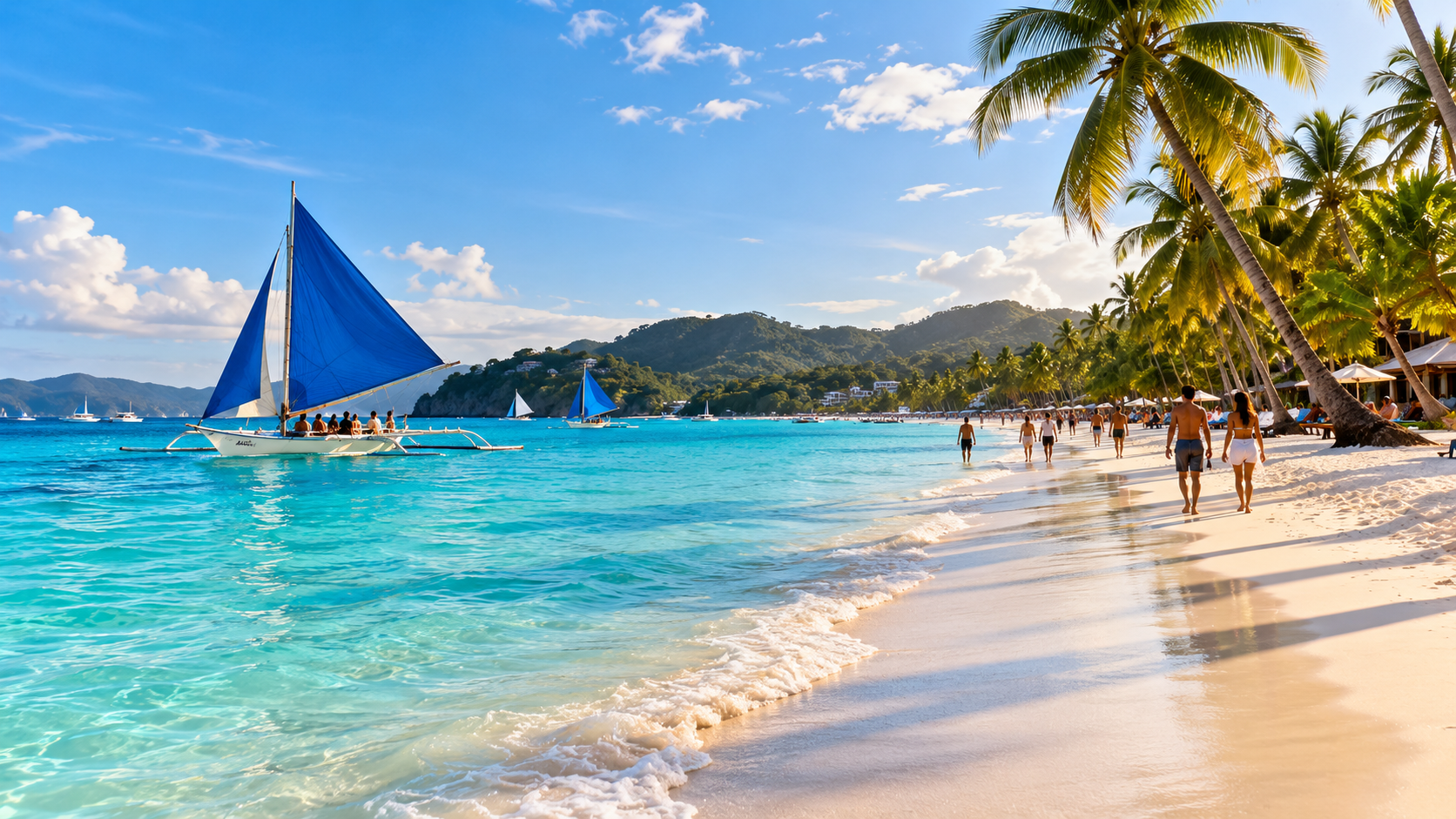
Bohol is one of the Philippines’ most enchanting destinations, where rolling “Chocolate Hills,” tiny tarsiers, and centuries-old churches sit alongside pristine beaches and coral reefs. Often paired with Cebu, Bohol is more than just a side trip — it’s a place where natural wonders, adventure activities, and cultural depth intertwine. From island-hopping in Panglao to river cruising in Loboc, this Bohol travel guide brings together all you need to plan a trip filled with exploration, relaxation, and a touch of magic.
What to See in Bohol
Alona Beach | Anda Beach | Baclayon Church | Blood Compact Shrine | Chocolate Hills | Dimiao Twin Falls | Hinagdanan Cave | Loboc River Cruise | Man-Made Mahogany Forest | Panglao Island | Philippine Tarsier Sanctuary | Sevilla Hanging Bridge | Virgin Island Sandbar
Travel Essentials
Essential information for planning your trip to Bohol, Philippines, from arrival requirements and island transportation to local customs, emergencies and tropical weather.
Bohol Quick Facts
Essential details worth knowing before you travel.
Bohol is an island province in the Central Visayas, known for the Chocolate Hills, Philippine tarsiers, Loboc River cruises and centuries-old churches. Panglao Island offers beaches, diving and resort accommodation, while inland areas feature rural landscapes and nature attractions.
Arrival Information
Important entry and arrival considerations for Bohol.
Philippine entry rules apply. Visa requirements depend on nationality, travel purpose and length of stay. Confirm current immigration, passport and eTravel requirements before departure.
Passport & Visa
International visitors need a valid passport. Many nationalities qualify for visa-free short stays, but eligibility and permitted duration vary. Check Philippine immigration requirements.
Immigration & eTravel
International arrivals may need to register through the official Philippine eTravel system at etravel.gov.ph. Complete any required registration within the official time window.
Customs
Philippine customs rules apply to international arrivals. Declare goods when required and review restrictions on agricultural products, controlled substances and other regulated items.
Medication
Keep prescription medicines in their original packaging with supporting documentation. Check Philippine import rules for controlled or restricted medications before traveling.
Health Information
Practical health considerations while traveling around Bohol.
Healthcare
Hospitals and medical facilities are concentrated around Tagbilaran City. Services may be more limited in remote municipalities and on smaller islands.
Vaccinations
Keep routine vaccinations current and review destination-specific recommendations with a healthcare professional. Mosquito-borne illnesses, including dengue, occur in the Philippines.
Travel Insurance
Consider medical coverage that includes emergency treatment and evacuation, especially for diving, island excursions and travel to remote parts of Bohol.
Heat & Hydration
Bohol is warm and humid throughout the year. Use sun protection, drink safe water and plan rest breaks during inland tours and outdoor activities.
Travel Advisory
Safety and natural-hazard considerations for visitors.
Check current official travel advice from your government and local Philippine weather alerts before departure. Conditions can change during severe weather or other emergencies.
Personal Safety
Use normal precautions with valuables, transportation and unfamiliar areas. Choose reputable tour operators and agree on transport prices before departure.
Earthquakes
Bohol is in an earthquake-prone region. Familiarize yourself with emergency exits, evacuation procedures and local safety instructions.
Typhoons & Heavy Rain
Tropical storms and heavy rainfall can disrupt flights, ferries, tours and road travel. Monitor PAGASA forecasts and transport announcements.
Marine & Road Safety
Sea conditions can change quickly. Follow boat-operator instructions, use life jackets and exercise caution on rural roads, particularly after dark or during rain.
Holidays & Busy Periods
Periods that can affect accommodation, transport and opening hours.
Visitor Information
Everyday details that make traveling around Bohol easier.
Payments
Philippine pesos are essential for small shops, local transport and rural attractions. Cards are accepted at many hotels and larger establishments, but cash remains useful.
Tipping
Tipping is appreciated but generally discretionary. Check whether a restaurant has already included a service charge before adding a gratuity.
Tourist Information
Hotels, local tourism offices and accredited operators can help arrange countryside excursions, island-hopping trips and transfers.
ATMs & Shopping
ATMs are easier to find around Tagbilaran and Panglao than in remote areas. Carry smaller bills for markets, transport fares and entrance fees.
Major Airports
Useful air gateways for reaching Bohol and nearby islands.
Bohol–Panglao International Airport
Bohol’s principal passenger airport, located on Panglao Island near major beach resorts and accessible by road from Tagbilaran.
Mactan–Cebu International Airport
A major regional gateway. Travelers can continue to Bohol by transferring to a Cebu ferry terminal for services to Tagbilaran or other Bohol ports.
Transport in Bohol
Ways to travel between beaches, towns and countryside attractions.
Ferries
Passenger ferries connect Bohol with Cebu and other islands. Check the specific departure port, schedule and weather conditions.
Buses
Provincial buses serve towns and countryside routes, with many services operating through Tagbilaran-area terminals.
Tricycles
Motorized tricycles provide short local journeys in many towns. Confirm the fare before boarding.
Private Transfers
Prearranged cars and vans are convenient for airport transfers, hotel connections and multi-stop countryside tours.
Rental Cars & Scooters
Rentals offer flexibility, but road conditions and traffic vary. Check licensing, insurance and helmet requirements.
Boat Excursions
Local operators arrange island-hopping, snorkeling and diving trips around Panglao and nearby marine destinations.
Connectivity & Electricity
Internet access, mobile service and device compatibility.
Wi-Fi
Wi-Fi is available at many hotels, resorts, cafés and restaurants, particularly in Tagbilaran and Panglao. Speed and reliability vary.
SIM & eSIM
Philippine mobile operators offer prepaid SIM and supported eSIM options. Confirm registration requirements and coverage for your itinerary.
Electricity
The Philippines uses approximately 220V electricity, with Type A, B and C sockets encountered. Check your device’s voltage compatibility.
Frequency
Electricity operates at 60Hz. Travelers may need a plug adapter, and some appliances may require voltage conversion.
Laws & Etiquette
Important legal considerations and local customs.
Controlled Substances
Philippine drug laws are strict. Check restrictions on controlled medicines and carry appropriate prescription documentation.
Smoking Rules
Smoking restrictions apply in many enclosed public places and designated smoke-free areas. Follow posted local regulations.
Public Transportation
Be courteous to fellow passengers, follow operator instructions and agree on fares where meters or fixed prices are not used.
Religious Sites
Dress respectfully when visiting churches and religious landmarks, particularly during services and community celebrations.
Wildlife Protection
Follow sanctuary rules when viewing Philippine tarsiers. Avoid touching animals, using flash photography or disturbing their habitat.
Marine Conservation
Respect protected marine areas, avoid touching coral and follow local rules on wildlife encounters, snorkeling and diving.
Emergency Information
Numbers and assistance worth keeping accessible.
Visitor Assistance
Ask your accommodation or local tourism office for the nearest medical facility and relevant local emergency contacts. The Philippine national emergency hotline is 911.
Lost Passport
Report a lost passport to local police and contact your embassy or consulate for replacement-document instructions and travel guidance.
Bohol Weather by Season
Warm tropical conditions prevail year-round, with rainfall and sea conditions varying by month.
Drier Season
Dec – FebOften relatively comfortable for sightseeing and beach trips, although rain and occasional rough seas remain possible.
Hotter Months
Mar – MayTypically hot and sunny, with strong midday heat. Popular for beach travel and countryside excursions.
Wetter Period
Jun – AugRainfall and humidity may increase. Outdoor plans and boat excursions require flexibility.
Variable Weather
Sep – NovShowers and tropical weather systems can affect the region. Monitor forecasts and allow flexibility for ferries and flights.
Exploring Bohol by Area
Tagbilaran City
The island’s capital, Tagbilaran is the gateway for most travelers arriving by ferry or plane. While often just a transit point, it has historical sites like the Blood Compact Shrine and lively markets.
Panglao Island
Linked by bridge to the main island, Panglao is Bohol’s resort hub, famous for Alona Beach, diving spots, and nightlife. Luxury resorts and boutique hotels make it ideal for both families and honeymooners.
Chocolate Hills Region
Located in Carmen, this UNESCO-listed geological formation features over 1,200 grassy limestone mounds that turn brown in the dry season. A must-see for any first-time visitor.
Loboc
Best known for its river cruises, Loboc is a scenic town with cultural charm, home to one of the Philippines’ oldest churches.
Anda
On Bohol’s eastern coast, Anda boasts powdery beaches and some of the island’s best diving, without the crowds of Panglao.
Baclayon & Dauis
Historic towns where centuries-old churches and Spanish-era relics remain, offering a glimpse into Bohol’s colonial past.
Can’t-Miss Sights in Bohol
Natural Icons
- Chocolate Hills: Bohol’s most famous attraction, with viewing decks in Carmen and Sagbayan.
- Philippine Tarsier Sanctuary: A conservation center in Corella where visitors can observe the world’s smallest primates respectfully.
Cultural Landmarks
- Baclayon Church: One of the Philippines’ oldest stone churches, dating back to 1596.
- Blood Compact Shrine: A monument commemorating the historic pact between Spaniards and Boholano leaders.
Family-Friendly Spots
- Loboc River Cruise: A floating restaurant serving Filipino food while musicians entertain guests along a jungle-fringed river.
- Butterfly Conservation Center: A fun, educational stop for children and families.
Natural Escapes in and Around Bohol
Hinagdanan Cave
A limestone cave with a natural freshwater lagoon, accessible from Panglao, perfect for adventurous swimmers.
Anda White Beach
A quieter alternative to Panglao, Anda’s shoreline remains unspoiled, with powdery sand and clear water.
Danao Adventure Park
For adrenaline-seekers, this park offers ziplining, caving, rappelling, and the “Plunge” freefall.
Abatan River Firefly Watching
Evenings along the Abatan River are illuminated by thousands of fireflies, a mesmerizing eco-tour experience.
Must-See Experiences in Bohol
- Island-Hopping in Panglao: Explore Balicasag and Virgin Island for snorkeling, dolphin watching, and marine life encounters.
- Visit a Tarsier Sanctuary: Learn about conservation efforts while seeing these delicate nocturnal creatures.
- Paddleboarding in Loboc: A quieter way to enjoy the river beyond the tourist boats.
- Countryside Tour: A classic day trip combining the Chocolate Hills, Loboc River, tarsiers, and heritage churches.
Hidden Gems of Bohol
- Cadapdapan Rice Terraces: Lush green paddies in Candijay that rival those of northern Luzon.
- Can-umantad Falls: Bohol’s tallest waterfall, tucked into rural scenery near Anda.
- Lamanok Island: A mystical islet with caves, ancient burial sites, and cultural legends.
- Cambuyo Rice Terraces: Another less-visited farming landscape with serene trails.
Cultural & Historic Highlights of Bohol
- Sandugo Festival: Held every July in Tagbilaran, commemorating the historic blood compact with parades and performances.
- Spanish Watchtowers: Built along the coast to guard against pirate raids, now cultural relics.
- Bohol National Museum: Exhibits local history, archeology, and geology, including Chocolate Hills studies.
- Loboc Church: Rebuilt after the 2013 earthquake, this historic site continues to serve as a cultural anchor.
Eating Your Way Through Bohol
- Seafood by the Shore: Panglao and Anda serve fresh crabs, prawns, and reef fish grilled to perfection.
- Calamay: A sticky coconut-based dessert packed in coconut shells, a famous local specialty.
- Chorizo de Bohol: Local sausages with a sweet-savory flavor, often enjoyed for breakfast.
- Banana Cue & Street Eats: Skewered bananas fried with caramelized sugar, found in town markets.
- Buffets on the Loboc River: Floating restaurants combine scenery, local flavors, and music.
Nightlife and Events in Bohol
- Alona Beach Bars: Panglao’s nightlife strip, with beach clubs, live music, and cocktail lounges.
- Anda Beach Parties: Smaller, local-style gatherings often held on weekends.
- Sandugo Festival: A city-wide celebration with colorful parades and street dances.
- Firefly Cruises at Night: A quieter alternative for evening fun, offering a magical natural display.
Suggested Bohol Travel Itinerary Ideas
3 Days in Bohol
- Day 1: Explore Panglao’s Alona Beach and Hinagdanan Cave, ending with a beachside dinner.
- Day 2: Take the classic countryside tour — Chocolate Hills, tarsiers, Loboc River cruise, and heritage churches.
- Day 3: Island-hop to Balicasag and Virgin Island, with snorkeling and dolphin watching.
5 Days in Bohol
- Day 1–3: Follow the 3-day itinerary.
- Day 4: Head east to Anda for beaches, caves, and waterfalls.
- Day 5: Visit Cadapdapan Rice Terraces and Can-umantad Falls before returning to Panglao.
7 Days in Bohol
- Day 1–5: Follow the 5-day plan.
- Day 6: Take a firefly cruise on the Abatan River and explore smaller heritage towns nearby.
- Day 7: Spend a leisure day in Panglao, diving or relaxing by the sea before departure.
10 Days in Bohol
- Day 1–7: Follow the 7-day itinerary.
- Day 8: Visit Danao Adventure Park for ziplining and caving.
- Day 9: Explore Lamanok Island’s caves and cultural sites.
- Day 10: Unwind on Anda’s quiet beaches, enjoying a final island sunset.
Where to Base Yourself in Bohol
- Panglao Island: Best for resorts, nightlife, and diving access.
- Tagbilaran City: Convenient for transport and short city stays.
- Anda: Perfect for quiet escapes and pristine beaches.
- Countryside Stays: Homestays in Loboc or Carmen for authentic cultural immersion.
Insider Tips for Experiencing Bohol Like a Local
- Visit Chocolate Hills at sunrise for the best light and fewer crowds.
- Avoid flash photography when visiting tarsiers — they are sensitive nocturnal animals.
- Rent a motorbike for flexibility; roads are scenic and relatively safe.
- Try local jeepneys for short rides, but arrange private transport for countryside tours.
- Respect village etiquette — greet locals with a smile and simple “Maayong buntag” (good morning).
Navigating Bohol Like a Local
- Tricycles: Common for short distances in towns.
- Jeepneys & Vans: Connect Tagbilaran with Loboc, Carmen, Anda, and other towns.
- Ferries: Link Bohol to Cebu, Siquijor, and Camiguin.
- Motorbike Rentals: Popular for Panglao and countryside exploration.
- Airport Access: Bohol-Panglao International Airport is the main gateway.
Best Time to Visit Bohol
- December–May: Dry season, ideal for island-hopping and countryside tours.
- June–October: Rainier months, but landscapes are greener and prices lower.
- July: Sandugo Festival brings cultural celebrations.
- November: Off-season charm, fewer tourists, and cooler evenings.
Planning Your Stay in Bohol – Practical Tips
- Booking: Resorts in Panglao fill quickly in December and Holy Week — book ahead.
- Duration: 4–5 days cover highlights; 7–10 days allow deeper exploration.
- Payments: Credit cards accepted in resorts; cash needed in rural towns.
- Connectivity: Good in Panglao and Tagbilaran, patchier inland.
- Eco-Practices: Use reef-safe sunscreen and avoid plastic to help protect marine life.
Plan Smarter, Travel Better
Bohol blends natural wonders with cultural treasures, making it one of the Philippines’ most rewarding destinations. This Bohol travel guide equips you with the insights to explore its hills, rivers, reefs, and heritage towns with confidence.
Continuing Your Journey Beyond Bohol
- Cebu: Just a ferry away, with city heritage and waterfall adventures.
- Boracay: A quick flight away, ideal for beach nightlife and island-hopping.
- Davao: Experience durian farms, nature parks, and the Philippine Eagle Center.
- Vigan: Travel back in time along cobblestone streets and colonial mansions.
- Palawan (Puerto Princesa): Access the Underground River and island-hop Honda Bay.
Final Tips for a Smart Bohol Adventure
- Pack light but bring water shoes for river and cave activities.
- Early morning trips help you avoid heat and crowds.
- Buy calamay and peanut kisses as edible souvenirs.
- Respect nature: avoid touching corals or disturbing tarsiers.
- Carry small bills for transport and local food stalls.
- Try eco-tours like river kayaking or mangrove cruises to support community tourism.
- Stay flexible; weather shifts quickly in the Visayas.
- Enjoy slow travel — Bohol rewards those who linger.
It’s Time to Experience Bohol
From the surreal Chocolate Hills to the gentle gaze of a tarsier, Bohol offers a mix of landscapes and stories found nowhere else. This Bohol travel guide gives you everything you need to dive into its rivers, explore its islands, and connect with its communities. Plan your trip now and let Bohol’s charm unfold before you.