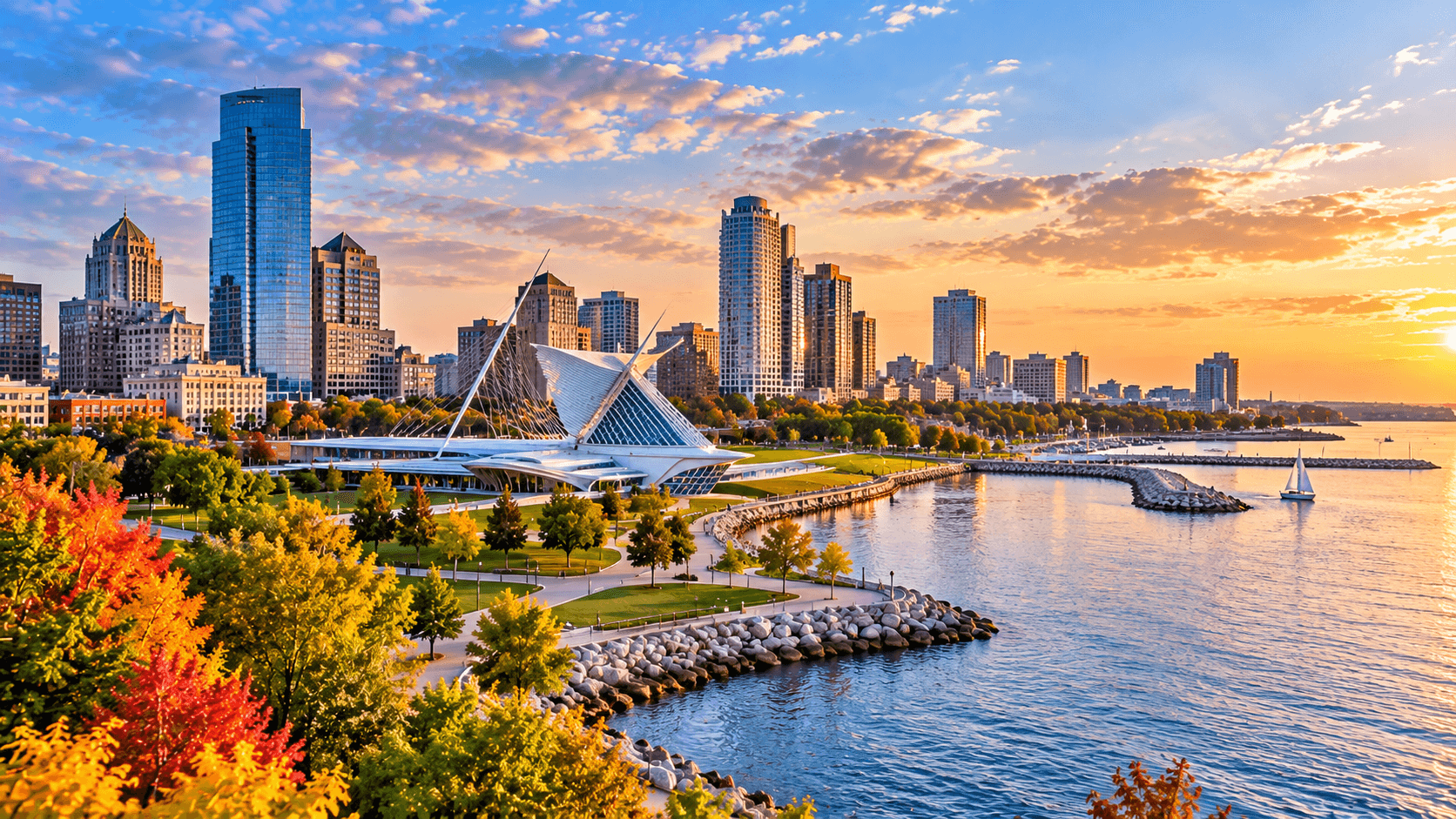
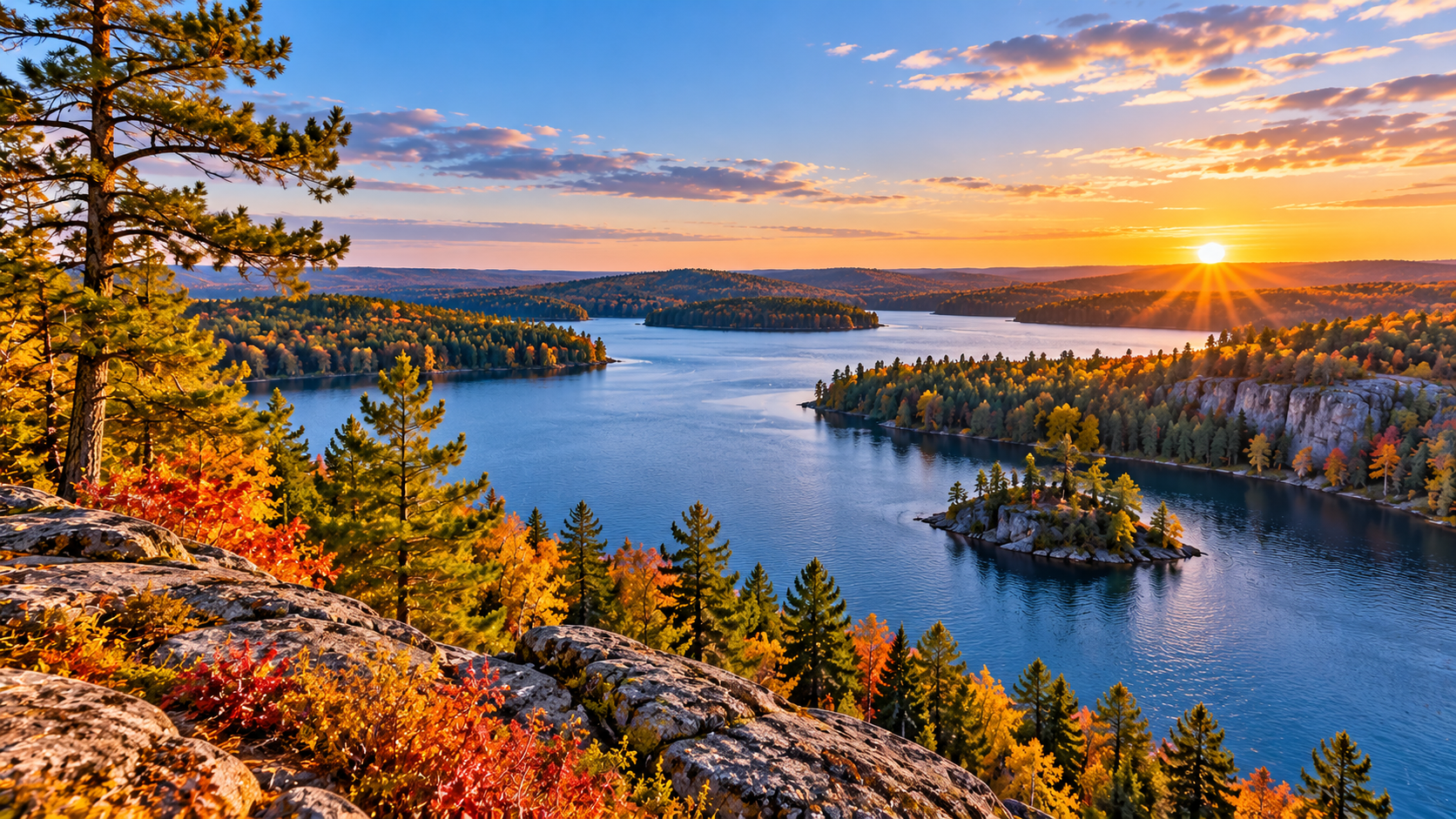
Quebec is a province of striking contrasts, where French-speaking cities, the St. Lawrence River, forested mountains, historic villages, and rugged coastal landscapes shape very different travel experiences. Montréal offers urban culture and food, Québec City provides a historic riverside setting, while Charlevoix, the Laurentians, and the Gaspé Peninsula reward travelers who venture beyond the major cities. Distances are substantial, particularly when exploring eastern Québec, so choosing the right regions matters more than trying to cover the entire province. Rail and buses work for certain city connections, but many scenic areas are much easier to explore by car. This Québec travel guide helps first-time visitors choose destinations, organize transportation, and build a realistic itinerary.
Travel Essentials
Discover Québec, Canada’s French-speaking province, where historic cities, dramatic landscapes, charming villages and four distinct seasons create unforgettable experiences. Explore Old Québec’s fortified streets, Montréal’s vibrant neighborhoods, Mont-Tremblant’s mountains, Charlevoix’s scenic countryside and the spectacular coastline of Gaspésie. From Canadian entry requirements and French-language customs to winter driving, public transportation and seasonal attractions, find essential information for planning your Québec adventure.
Québec Quick Facts
Essential information for visiting the province of Québec, Canada.
Québec is Canada’s largest province by area, celebrated for its French-speaking heritage, historic architecture, forests, mountains and the St. Lawrence River. Montréal is its largest city and a major cultural center, while Québec City is the provincial capital and home to the UNESCO-listed Historic District of Old Québec. Visitors can explore Mont-Tremblant’s outdoor recreation, Charlevoix’s scenic landscapes, the Eastern Townships’ villages, Saguenay’s fjord and the dramatic coastline of Gaspésie. Québec offers distinctive experiences in every season, from summer festivals to autumn foliage and winter sports.
Arrival Information
Canadian entry requirements and the main ways to reach Québec.
Entry rules are set by Canada, not Québec. Travelers may require a visa or an Electronic Travel Authorization (eTA), depending on their citizenship, travel documents and method of arrival. U.S. citizens generally do not need an eTA or visitor visa for ordinary short visits, but must carry acceptable travel documents.
Passport & Visa
Foreign visitors must meet Canadian immigration requirements. Verify passport, visa and other entry-document rules based on nationality and residency status.
Electronic Travel Authorization
Many visa-exempt foreign nationals need an eTA when flying to Canada. An eTA does not apply to every traveler or every mode of entry.
International Airports
Montréal–Trudeau International Airport (YUL) is the province’s principal international gateway. Québec City Jean Lesage International Airport (YQB) serves the capital region.
Entering by Road
Visitors can enter Québec from neighboring Canadian provinces or through authorized U.S.–Canada border crossings. Carry required identification and declare goods as instructed.
Customs Declarations
Canada restricts or regulates certain foods, plants, animals, weapons, medications and other goods. Check Canada Border Services Agency requirements before arrival.
Length of Stay
The permitted stay depends on your immigration status and border officer’s decision. An approved eTA or visa does not guarantee admission.
Health Information
Medical care, insurance and seasonal health precautions in Québec.
Medical Facilities
Major cities have hospitals, clinics and pharmacies. Smaller rural and northern communities may have limited medical services and longer travel distances to specialized care.
Travel Health Insurance
Most international tourists are not covered by Québec’s public health insurance system. Medical treatment can be expensive, so comprehensive travel insurance is strongly recommended.
Vaccinations
Keep routine vaccinations up to date. Consult a healthcare professional about recommendations for your age, medical history and planned outdoor activities.
Winter Health
Cold temperatures, wind chill, snow and ice can cause frostbite, hypothermia and falls. Wear insulated layers, waterproof footwear, gloves and appropriate head protection.
Drinking Water
Municipal tap water is generally safe in major cities unless an advisory is issued. Check local notices when visiting smaller or remote communities.
Ticks & Outdoor Safety
Ticks carrying Lyme disease are present in parts of southern Québec. Use repellent, check for ticks after hiking and follow wildlife and trail safety guidance.
Travel Advisory
Weather, road conditions and safety considerations throughout Québec.
Seasonal conditions can significantly affect travel. Winter snowstorms, freezing rain and extreme cold can disrupt roads and flights. Spring flooding and summer wildfire smoke may also affect some regions. Check official forecasts, Québec 511 road conditions and local notices before traveling.
Winter Driving
Snow, ice and freezing rain can create hazardous road conditions. Winter tires are required for many Québec-registered vehicles during the designated winter period; visitors should check rules applicable to their vehicle.
Extreme Weather
Winter storms, summer thunderstorms, heat waves and heavy rain can disrupt travel. Monitor Environment and Climate Change Canada warnings.
Remote Travel
Parts of northern Québec, Gaspésie and rural regions have long distances between services. Plan fuel stops, accommodation and emergency communication before departure.
Personal Security
Exercise normal precautions in cities, crowded festivals and transit stations. Protect valuables and avoid leaving belongings visible inside parked vehicles.
Flooding & Wildfires
Spring flooding can affect river communities, while forest fires and smoke can disrupt travel in warmer months. Follow official evacuation orders and air-quality alerts.
Road Updates
Check Québec 511 for closures, construction and winter driving conditions. Allow extra time during holiday weekends and major festivals.
Holidays & Festivals
Major Québec holidays and celebrations that can influence travel and business hours.
Visitor Information
Practical advice for exploring Québec’s cities, towns and natural landscapes.
Payments & Currency
Canadian dollars are used throughout Québec. Credit and debit cards are widely accepted, including contactless payments. Carry some cash for small purchases or remote areas.
Where to Stay
Montréal offers urban neighborhoods and nightlife; Québec City is ideal for historic sightseeing. Mont-Tremblant, Charlevoix and the Eastern Townships suit nature-focused getaways.
Top Attractions
Explore Old Québec, Château Frontenac, Montmorency Falls, Old Montréal, Mount Royal, Mont-Tremblant, Saguenay Fjord and Forillon National Park.
Language
French is Québec’s official language. English is common in many tourist settings, especially Montréal, but learning a few French greetings is helpful and appreciated.
Taxes & Tipping
Most purchases are subject to federal GST and Québec sales tax, often added at checkout. Restaurant tipping is customary; check whether gratuity is already included.
Local Cuisine
Try poutine, tourtière, maple products, Montréal-style bagels, smoked meat, regional cheeses and traditional sugar-shack meals.
Major Airports
Air gateways for reaching Québec’s cities and regions.
Montréal–Trudeau International Airport
Primary international gateway for Montréal and much of southern Québec, with connections to regional destinations.
Québec City Jean Lesage International Airport
Serves Québec City and the surrounding region, with domestic and selected international services.
Saguenay–Bagotville Airport
Regional gateway to Saguenay–Lac-Saint-Jean. Verify current scheduled flight availability.
Michel-Pouliot Gaspé Airport
Regional airport serving the Gaspé area. Flight schedules and services may be limited.
Airport planning tip: Montréal–Trudeau (YUL) is generally the most versatile international gateway. Québec City (YQB) may be more convenient for visiting the provincial capital, Charlevoix and nearby destinations.
Transport in Québec
Travel between major cities, scenic regions and remote destinations.
Montréal Metro
The STM Metro and bus network provides convenient access to Montréal neighborhoods, attractions and transport connections.
City Buses
Québec City has RTC bus services, while Montréal and surrounding communities have their own transit systems. Check current routes and fares.
Intercity Trains
VIA Rail connects Montréal, Québec City and other destinations along selected routes. Advance reservations are useful during busy periods.
Intercity Buses
Bus operators connect cities and regional communities, though service frequency can be limited in less-populated areas.
Rental Cars
A car is useful for Gaspésie, Charlevoix, Mont-Tremblant and many rural areas. Winter conditions require appropriate tires and driving experience.
Ferries & Scenic Routes
Ferries cross sections of the St. Lawrence River and connect selected coastal communities. Services vary by season and weather.
Connectivity & Electricity
Mobile service, Wi-Fi and electrical information for Québec visitors.
Wi-Fi
Hotels, cafés, libraries and many public venues offer Wi-Fi. Service availability and speed vary, especially in rural and northern communities.
Mobile Networks
Major Canadian mobile providers include Bell, Rogers, Telus and Videotron. Coverage is generally strong in populated areas but may be limited in remote regions.
SIM & eSIM
Prepaid SIM and eSIM options may be available for compatible phones. Compare data allowances, network coverage and roaming charges before purchasing.
Electricity
Québec uses 120V at 60Hz with Types A and B plugs, matching standard U.S. outlets. Visitors from other countries may need adapters or voltage converters.
Laws & Etiquette
Local regulations, French-language customs and respectful travel practices.
French Language
French is the official language of Québec. Begin interactions with “Bonjour” when possible and respect local language practices, even where English assistance is available.
Driving Rules
Vehicles drive on the right. Seat belts are mandatory, speed limits are posted in kilometers per hour, and handheld phone use while driving is restricted.
Winter Tires
Québec requires winter tires on many Québec-registered vehicles from December 1 through March 15. Verify applicable exemptions and rental vehicle equipment.
Alcohol & Cannabis
Québec’s legal drinking age is 18. Cannabis is regulated, with a minimum legal age of 21 in Québec and restrictions on possession, consumption and transportation across borders.
Nature & Wildlife
Follow park regulations, remain on designated trails and keep a safe distance from wildlife. Some protected areas require reservations or entrance fees.
Restaurant Etiquette
Service is generally polite and informal. Tipping is customary in full-service restaurants, and sales taxes are often added to displayed menu prices.
Emergency Information
Emergency services and useful assistance numbers throughout Québec.
Call 911 for immediate emergencies. Québec’s 811 service provides non-emergency health advice, while Québec 511 provides road-condition information. In remote areas, provide GPS coordinates or precise landmarks whenever possible.
Medical Emergencies
Call 911 for serious injuries or urgent medical situations. For non-emergency health guidance, use Info-Santé 811 where available.
Winter Emergencies
Stay inside your vehicle if stranded in dangerous conditions when it is safer than walking for help. Contact emergency services and follow official guidance.
Severe Weather
Follow Environment Canada warnings, local evacuation instructions and Québec emergency alerts for storms, floods and wildfires.
Lost Passport
Report theft to local police and contact your embassy or consulate for replacement travel documents. Keep digital copies of important documents securely stored.
Québec Weather by Season
Plan around snowy winters, spring thaw, warm summers and colorful autumns.
Winter
December – FebruaryCold temperatures, snow and icy conditions. Popular for skiing, winter festivals, snowshoeing and seasonal attractions.
Spring
March – MayVariable temperatures, melting snow and occasional rain. Maple-syrup season is a highlight, while some trails can be muddy.
Summer
June – AugustGenerally warm, with occasional hot and humid periods. Ideal for festivals, city exploration, hiking and road trips.
Autumn
September – NovemberCooler weather and colorful foliage, especially in September and October. Temperatures drop rapidly toward winter.
Québec travel tip: June through September is generally attractive for outdoor sightseeing and road trips, while late September through mid-October is popular for autumn foliage in many southern regions. December through March is ideal for winter activities, provided travelers are prepared for snow and freezing temperatures. Seasonal timing varies significantly across the province.
Understanding Québec’s Geography and Travel Routes
Québec is Canada’s largest province by area, stretching from the United States border toward the Arctic. Most first-time visitors concentrate on the southern portion, where the major cities, established road networks, and accessible tourism regions are located.
The province is easiest to understand through several distinct travel corridors.
- Montréal and the St. Lawrence corridor: The most practical starting point for urban sightseeing, restaurants, festivals, and train travel toward Québec City.
- Québec City and Charlevoix: A combination of historic architecture, riverside scenery, mountain landscapes, and smaller communities.
- The Laurentians and Eastern Townships: Two different countryside escapes, with lakes and mountain resorts in the Laurentians and villages, farms, and rolling landscapes in the Eastern Townships.
- Saguenay–Lac-Saint-Jean: A region of fjords, lakes, forests, and outdoor experiences that deserves several days.
- Gaspésie: A dramatic eastern peninsula with coastal highways, fishing communities, national parks, and long driving distances.
Montréal–Trudeau International Airport and Québec City Jean Lesage International Airport are the principal gateways for many visitors. Montréal is particularly useful for international arrivals and travelers continuing by train.
The central planning decision is whether to concentrate on Montréal and Québec City or build a road trip around one of Québec’s scenic regions. Trying to combine all of them in a single week usually creates too much driving.
Who Should Visit Québec?
Québec suits travelers interested in French-speaking North American culture, historic architecture, regional cuisine, and landscapes that change dramatically with the seasons.
City travelers can enjoy Montréal and Québec City without renting a car. Couples seeking picturesque villages and countryside accommodation may prefer Charlevoix or the Eastern Townships. Outdoor travelers have more options in the Laurentians, Saguenay, and Gaspésie, particularly when they can devote time to hiking or scenic drives.
Families can combine museums, urban parks, wildlife experiences, and relatively accessible nature outings. Winter travelers will find skiing, snowshoeing, skating, and seasonal festivals, although outdoor activities require proper clothing and flexibility.
Québec is less convenient for visitors expecting inexpensive, frequent public transportation to remote attractions. Outside the major urban corridors, a vehicle or organized excursion can make a substantial difference.
Essential Québec Travel Basics
French is Québec’s official and common public language. English is widely encountered in major visitor areas, particularly central Montréal, but its availability varies elsewhere. Learning a few French greetings is useful and courteous.
The Canadian dollar is the currency, and credit cards are widely accepted. Taxes are commonly added to displayed retail prices, and tipping is customary for table-service dining.
International travelers should check passport, visa, and electronic travel authorization requirements according to their nationality and method of entry. Canada’s official immigration guidance at canada.ca provides the relevant entry information.
For travel planning, remember that Québec operates on Eastern Time in its main visitor regions. Weather can change considerably between Montréal, mountain communities, and the Gulf of St. Lawrence coast.
Visitors arriving in winter should consider daylight hours, snow conditions, and appropriate winter transportation. During summer and autumn, accommodation in popular scenic regions can fill early, especially on weekends and holidays.
Travelers planning to drive should also account for Montréal’s parking restrictions, Québec’s road signs, and the possible additional costs of one-way car rentals.
Major Cities and Destinations Across Québec
Montréal: Culture, Food, and Neighborhoods
Montréal is Québec’s largest city and a strong starting point for first-time visitors. Its appeal comes from neighborhoods rather than one concentrated historic district.
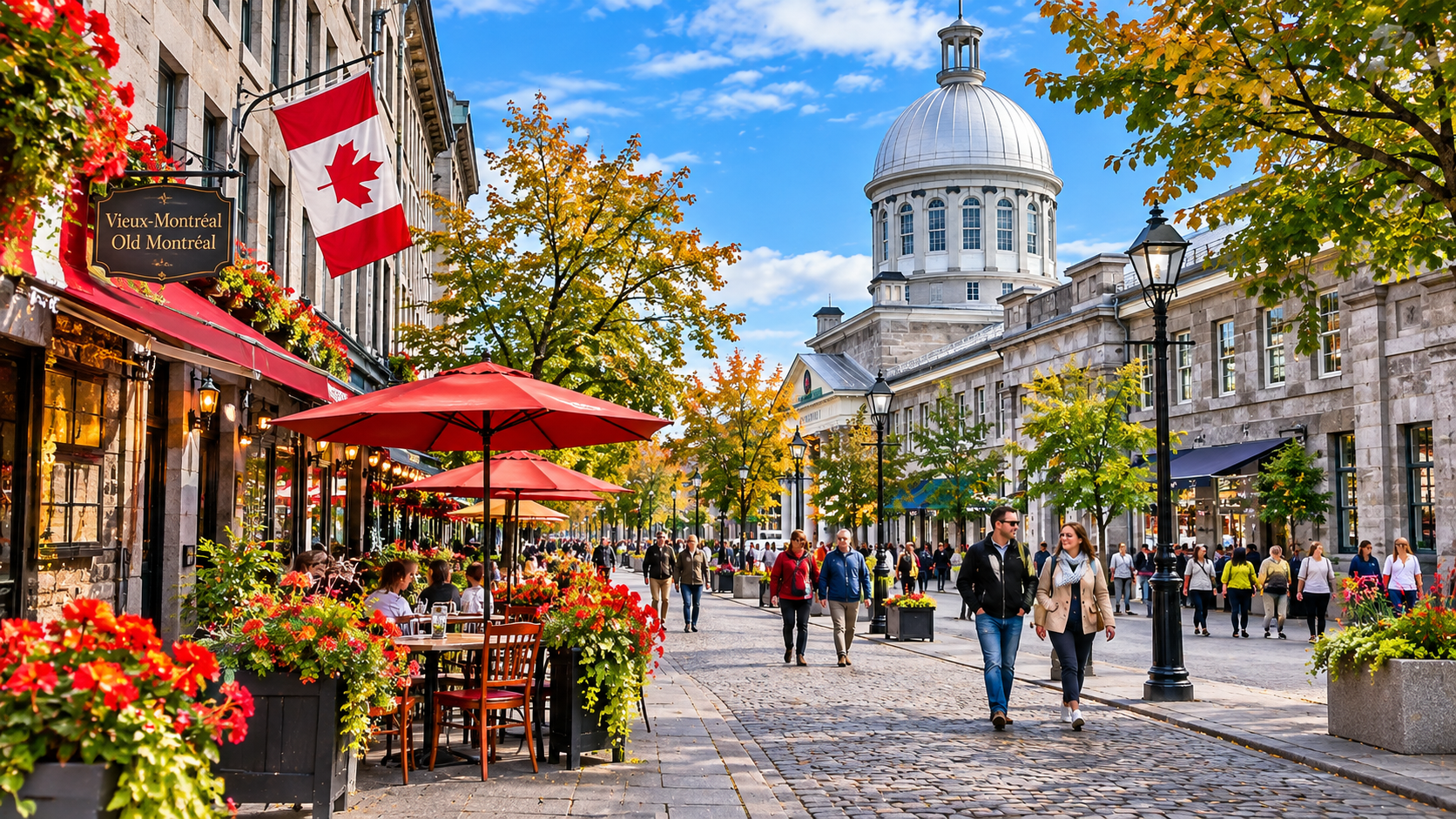
Old Montréal offers cobbled streets, historic buildings, and the Old Port. Plateau-Mont-Royal and Mile End are known for cafés, independent shops, and distinctive residential streets. Mount Royal provides elevated city views, while downtown has major museums, shopping, and entertainment venues.
Allow two to three full days for a satisfying first visit. Montréal is also a useful gateway to the Laurentians and Eastern Townships, although those excursions become more convenient with a car.
Québec City: History Along the St. Lawrence
Québec City is the provincial capital and an important cultural destination. Its historic core includes Upper Town, Lower Town, Place Royale, Petit-Champlain, and the fortifications surrounding Old Québec.
The city’s UNESCO-listed historic district preserves a distinctive fortified urban landscape. Visitors can explore its heritage significance through UNESCO.
Two full days are reasonable for Old Québec and nearby neighborhoods. Add another day for Montmorency Falls, Île d’Orléans, or a slower exploration of local museums and dining.
Charlevoix: Villages and Mountain Scenery
Northeast of Québec City, Charlevoix combines St. Lawrence scenery, mountainous terrain, galleries, local food producers, and small towns.
Baie-Saint-Paul is a convenient cultural base, while La Malbaie works well for exploring farther east. Travelers interested in nature can consider Parc national des Grands-Jardins or Parc national des Hautes-Gorges-de-la-Rivière-Malbaie.
Charlevoix deserves at least two nights if the aim is more than a quick scenic drive.
Saguenay–Lac-Saint-Jean: Fjords and Forests
The Saguenay region offers a different experience from southern Québec. The Saguenay Fjord, steep forested cliffs, lakes, and smaller communities make this a strong destination for outdoor travelers.
Saguenay, particularly the Chicoutimi and La Baie sectors, provides urban services, while villages such as L’Anse-Saint-Jean place travelers closer to fjord scenery.
Plan three or more days if combining hiking, scenic drives, and regional attractions.
Gaspésie: Québec’s Eastern Coast
Gaspésie is one of Québec’s defining road-trip regions, but it requires substantially more time than many first-time visitors expect.
Percé is known for its offshore rock formation and coastal setting. Gaspé provides access to Forillon National Park, while the interior mountains of Parc national de la Gaspésie offer a contrasting hiking experience.
A dedicated Gaspésie road trip generally deserves seven to ten days from Québec City, depending on the route and stops. It should not be treated as a quick extension of a Montréal city break.
Québec’s Natural Highlights
Québec’s landscapes range from accessible waterfalls near major cities to mountain parks and remote coastal environments.
Montmorency Falls and Jacques-Cartier National Park
Montmorency Falls, northeast of Québec City, is a convenient nature outing that can fit into a city-based itinerary. Its height and dramatic setting make it worthwhile even for travelers without extensive hiking plans.
Jacques-Cartier National Park, north of Québec City, offers a glacial valley, forest trails, and river activities. A full day is more appropriate for a meaningful visit, particularly when hiking or paddling.
The Saguenay Fjord
The Saguenay Fjord is a major natural feature of eastern Québec. Forested cliffs, viewpoints, and waterside communities create opportunities for hiking, kayaking, and boat excursions.
Parc national du Fjord-du-Saguenay protects several accessible areas, but its sectors are separated geographically. Visitors should choose the entrance that fits their intended trail rather than assuming every attraction is reached from one location.
Seasonal closures can affect access. Québec’s park authority provides park information through sepaq.com.
Gaspésie’s Mountains and Coast
Parc national de la Gaspésie offers mountainous hiking terrain, including the Chic-Choc Mountains and Mont Albert. Trails vary significantly in difficulty, and mountain conditions may differ from those along the coast.
Forillon National Park, near Gaspé, combines cliffs, coastal scenery, and hiking opportunities. Percé and nearby Bonaventure Island offer another distinctive coastal experience, with wildlife excursions dependent on seasonal operations.
Travelers should reserve several days for these areas rather than trying to connect them in one long outing.
The Laurentians
The Laurentians, northwest of Montréal, are particularly appealing for lakes, forests, mountain villages, and seasonal recreation.
Mont-Tremblant is the most recognizable resort destination, but the broader region includes quieter communities and outdoor areas. It works well as a two- or three-night extension from Montréal, especially for travelers who prefer staying in one countryside base.
Cultural and Historic Experiences Worth Planning Around
Québec’s identity reflects Indigenous histories, French colonial settlement, British influence, immigration, and contemporary Francophone culture.
In Québec City, the fortifications, Place Royale, and historic streets provide a visible introduction to the colonial era. The Musée de la civilisation adds exhibitions exploring societies, culture, and history.
Montréal offers a broader metropolitan cultural experience. Pointe-à-Callière explores the city’s archaeology and history, while the Montréal Museum of Fine Arts and the city’s performing arts institutions serve different interests.
Indigenous cultural experiences deserve consideration beyond colonial narratives. Wendake, near Québec City, is home to the Huron-Wendat Nation and offers opportunities to learn about its history and living culture through community-based experiences.
Visitors interested in contemporary Québec should also spend time outside the most photographed historic districts. Neighborhoods such as Saint-Roch in Québec City and Mile End in Montréal reveal different aspects of everyday cultural life.
Festivals are another major part of Québec’s identity, including Montréal’s summer cultural calendar and Québec City’s winter celebrations. Dates, programming, and ticketing vary by year, so they should be checked before building an itinerary around a particular event.
Where to Go in Québec Based on Your Interests
For a first visit, choosing experiences by travel style is more useful than collecting famous attractions.
For history and architecture: Prioritize Québec City, with at least two days for its historic core. Montréal adds a contrasting urban perspective and can be combined by rail.
For food and neighborhood exploration: Spend more time in Montréal, especially Plateau-Mont-Royal, Mile End, and Jean-Talon Market. Québec City adds traditional cuisine and a smaller-scale dining scene.
For mountain scenery: Choose Charlevoix if beginning in Québec City, or the Laurentians if beginning in Montréal. Both offer countryside experiences without requiring a journey to eastern Québec.
For dramatic coastal landscapes: Choose Gaspésie, but make it the principal focus of a longer road trip. Its distance is difficult to justify on a short provincial itinerary.
For fjords and outdoor adventure: Saguenay is a stronger choice than trying to add multiple disconnected national parks. Allow enough time to experience its trails and waterfront communities.
For quiet villages and agricultural landscapes: The Eastern Townships, including Magog, Sutton, and Knowlton, are well suited to a relaxed driving holiday with farm stops and scenic countryside.
Travelers can use Québec’s official tourism regional overview at where to go to compare the province’s distinct areas.
Food and Drink Experiences Across Québec
Québec’s cuisine reflects French traditions, regional agriculture, immigrant influences, and a strong culture of local food production.
Montréal’s Markets and Casual Food
Montréal is particularly rewarding for travelers who enjoy exploring food through neighborhoods.
Jean-Talon Market, in Little Italy, brings together produce vendors, specialty foods, and seasonal regional products. Atwater Market offers another accessible food stop near the Lachine Canal.
Montréal-style bagels, smoked meat, and poutine are familiar local specialties, but the city’s food culture extends far beyond these dishes. Its diverse communities contribute to a broad range of restaurants and bakeries.
Québec City’s Traditional and Contemporary Cuisine
Québec City is a good place to explore dishes such as tourtière, pea soup, maple-based desserts, and modern interpretations of Québec ingredients.
The Petit-Champlain and Old Port areas offer convenient dining, although restaurants directly beside major tourist attractions may command higher prices.
For a more neighborhood-oriented experience, consider Saint-Roch or Limoilou.
Charlevoix and the Eastern Townships
Charlevoix is known for artisan cheeses, local producers, and farm-to-table dining. Baie-Saint-Paul and surrounding communities are useful places to discover regional products.
The Eastern Townships offer vineyards, cider producers, farm shops, and countryside restaurants. Because producers are dispersed, driving is generally the practical way to explore them.
Food-focused travelers should allow time for markets and individual producers rather than attempting to visit several distant regions simply to sample their specialties.
Getting Around Québec: Trains, Cars, and Scenic Roads
Transportation is one of the most important decisions when planning a Québec itinerary. The province’s main cities are relatively easy to connect, but scenic regions often require driving.
Traveling Between Montréal and Québec City
Montréal and Québec City are approximately 250–270 kilometers apart, depending on the route and departure points.
Driving usually takes around three hours in favorable conditions, although traffic, weather, and stops can increase the journey.
VIA Rail provides a convenient alternative, with an average scheduled journey of approximately three hours and 26 minutes. Travelers can review the Montréal–Québec City service through viarail.ca.
For travelers visiting only these two cities, the train often makes more sense than renting a car. Both have walkable central neighborhoods and local transportation options.
Renting a Car for Regional Travel
A car becomes significantly more useful when visiting Charlevoix, Saguenay, the Laurentians, Eastern Townships, or Gaspésie.
Important driving corridors include:
- Autoroute 20 and Autoroute 40 between Montréal and Québec City.
- Route 138 along the north shore of the St. Lawrence toward Charlevoix.
- Route 175 connecting Québec City with Saguenay.
- Route 132 around the Gaspé Peninsula.
- Autoroute 15 north of Montréal toward the Laurentians.
Route 138 and Route 132 are particularly useful for scenic travel, although they should not be mistaken for consistently fast highways.
Montréal’s urban traffic and parking costs make a rental car less attractive during a city-only stay. Consider collecting a vehicle after completing the urban portion of the trip.
Buses, Ferries, and Regional Flights
Intercity buses provide connections to destinations not served conveniently by rail, but frequency varies. Travelers should check schedules before relying on a same-day return from smaller towns.
Ferries also form part of Québec’s transportation network, particularly across the St. Lawrence. Some crossings are useful shortcuts, while others are experiences in their own right.
Regional flights may be practical for remote destinations, but they are generally unnecessary for the classic Montréal–Québec City–Charlevoix route.
For a first visit, the simplest approach is rail between the major cities and a rental car only for the countryside portion.
Where to Stay in Québec for an Efficient Trip
The right accommodation strategy depends on how many regions the itinerary includes.
Montréal: Two to Three Nights
Central Montréal is the most convenient base for urban sightseeing, restaurants, and nightlife.
Downtown provides easy transportation connections, while Old Montréal appeals to travelers seeking a historic setting. Plateau-Mont-Royal offers a more residential neighborhood atmosphere, although luggage transfers may be less convenient depending on the property.
Québec City: Two to Three Nights
Old Québec is convenient for travelers prioritizing historic attractions, especially those visiting without a car.
Saint-Roch and nearby neighborhoods offer alternatives with restaurants, shops, and a less tourist-focused atmosphere.
Travelers with vehicles should consider parking arrangements before reserving accommodation inside the historic district.
Charlevoix: Two Nights
Baie-Saint-Paul makes a good base for galleries, food experiences, and western Charlevoix.
La Malbaie is better positioned for the eastern part of the region and some mountain excursions. Choosing between them depends on the planned activities.
Saguenay and Gaspésie: Multiple Bases
Saguenay can be explored from a base near Saguenay city or from a smaller fjord community, depending on the activities.
Gaspésie generally benefits from multiple overnight stops. Driving the entire peninsula from a single hotel creates excessive backtracking.
For a seven-day visit focused on Montréal, Québec City, and Charlevoix, three accommodation bases are usually sufficient.
Québec Travel Budget: What Drives the Cost?
Québec offers accommodation and dining at several price levels, but expenses vary significantly by region, season, and travel style.
The following are broad planning estimates in Canadian dollars per person, per day, assuming two people share accommodation. They are not verified live prices.
- Budget travel: Approximately CAD 100–160, using economical accommodation, casual meals, and public transportation.
- Mid-range travel: Approximately CAD 180–300, allowing for comfortable accommodation, restaurant meals, and selected attractions.
- Higher-end travel: CAD 350 or more, particularly with upscale hotels, fine dining, private experiences, or expensive resort stays.
Rental vehicles, fuel, flights, and major excursions may add substantially to these amounts.
Montréal and Québec City can be more affordable without a vehicle, especially when accommodation is close to public transportation. Charlevoix and Gaspésie may involve additional fuel costs, parking, and higher accommodation demand during popular travel periods.
Winter resort weekends, summer festivals, and autumn foliage weekends can increase accommodation prices.
A practical way to control costs is to limit unnecessary hotel changes, avoid renting a car during urban sightseeing, and select one scenic region rather than driving across several.
Choosing the Best Québec Region for Your Trip
Québec is easier to explore when the itinerary follows one coherent geographic zone.
Montréal and the St. Lawrence Corridor
Ideal duration: Three to six days.
This is the most practical choice for a first-time visitor who wants culture, architecture, food, and straightforward transportation.
Montréal and Québec City combine naturally, especially by train. It is also a strong option for travelers without a car.
Québec City and Charlevoix
Ideal duration: Four to six days.
This route balances historic sightseeing with mountain landscapes, riverside villages, and regional cuisine.
A rental car is useful after leaving Québec City. It works particularly well for couples, photographers, and travelers interested in scenery without undertaking a long provincial road trip.
Laurentians and Eastern Townships
Ideal duration: Three to five days for either region.
Both offer countryside experiences within reach of Montréal, but they are not the same destination.
The Laurentians emphasize mountain resorts, lakes, and outdoor recreation. The Eastern Townships are particularly appealing for villages, agricultural landscapes, and food-focused touring.
For a short trip, choose one rather than attempting to cover both.
Saguenay–Lac-Saint-Jean
Ideal duration: Four to six days.
This region suits travelers seeking fjord scenery, hiking, lakes, and a slower outdoor itinerary.
It combines naturally with Charlevoix on a longer road trip, but the additional driving requires careful planning.
Gaspésie
Ideal duration: Seven to ten days or longer.
Gaspésie is most rewarding when treated as a dedicated coastal road trip rather than a secondary stop.
The region’s distances, winding roads, national parks, and small communities justify a slower pace.
The official regional guides available at bonjourquebec.com can help travelers refine routes and choose stops.
A Realistic Seven-Day Québec Itinerary
For a first visit, seven days is enough to experience Montréal, Québec City, and part of Charlevoix without excessive travel.
This itinerary works particularly well from late spring through autumn, with adjustments for seasonal conditions.
Day 1: Arrive in Montréal
Arrive in Montréal and settle into accommodation near downtown or a convenient transit connection.
Spend the afternoon or evening exploring Old Montréal and the Old Port. Keep the first day flexible, especially after an international flight.
Day 2: Montréal’s Neighborhoods and Food
Explore Mount Royal, Plateau-Mont-Royal, and Mile End.
Visit Jean-Talon Market or another neighborhood food destination. Allow time for cafés, shops, and a relaxed dinner rather than trying to visit every major museum.
Day 3: Montréal to Québec City
Travel to Québec City by train or car.
After checking in, explore Upper Town, Dufferin Terrace, and the streets around Château Frontenac. Continue toward Petit-Champlain if time and energy allow.
Day 4: Québec City’s Historic District
Spend a full day exploring Old Québec.
Visit Place Royale, walk portions of the historic fortifications, and consider the Musée de la civilisation.
Use the evening to experience a different neighborhood or enjoy a leisurely dinner.
Day 5: Québec City to Charlevoix
Collect a rental car if traveling by train until this point.
Drive northeast toward Baie-Saint-Paul, stopping at Montmorency Falls if it fits the schedule.
Continue along the St. Lawrence corridor and spend the night in Charlevoix.
Day 6: Explore Charlevoix
Choose between a scenic countryside day, local food experiences, or a national park visit.
Baie-Saint-Paul offers galleries and dining, while the wider region provides opportunities for hiking and viewpoints.
Avoid trying to combine several demanding mountain activities in one day.
Day 7: Return or Continue Your Journey
Return toward Québec City for departure, allowing sufficient time for the drive and airport procedures.
Travelers departing from Montréal should account for the additional journey west, which makes a same-day international departure less comfortable.
A better option, when flight arrangements permit, is to arrive in Montréal and depart from Québec City.
Shorter alternative: With only four or five days, concentrate on Montréal and Québec City. Leave Charlevoix for another visit rather than rushing through it.
Best Time to Visit Québec
Québec’s four seasons create distinctly different travel experiences. Weather also varies between the southern cities, mountain areas, and eastern coast.
Spring: April to May
Spring brings gradually warmer temperatures and fewer visitors than peak summer.
Conditions can remain wet or cool, particularly in mountain regions. Some hiking trails may be muddy or temporarily restricted.
Spring is well suited to urban sightseeing, although travelers should verify outdoor activity availability.
Summer: June to August
Summer is one of the most flexible seasons for combining cities, national parks, and coastal road trips.
Longer daylight hours support extended sightseeing and outdoor recreation. Montréal and Québec City host major cultural events, while Gaspésie and Saguenay become popular for nature-focused travel.
Accommodation reservations are particularly important in busy resort areas and smaller coastal communities.
Autumn: September to October
Autumn is a strong season for scenic drives, especially in the Laurentians, Charlevoix, and the Eastern Townships.
Forest colors vary with elevation, weather, and location. Peak foliage cannot be guaranteed for a specific week.
By late October, some seasonal activities and park facilities may already be closed.
Winter: November to March
Winter changes the character of Québec dramatically.
Québec City becomes a destination for seasonal festivities, while the Laurentians attract skiers and winter-sports travelers.
However, winter driving requires additional preparation. Snow, ice, reduced daylight, and changing road conditions can affect regional itineraries.
Travelers should check official road information and weather forecasts before long drives.
Common Québec Travel Mistakes to Avoid
The most common planning mistake is underestimating the province’s size. Montréal, Québec City, Charlevoix, Saguenay, and Gaspésie are not a compact cluster of attractions.
Other avoidable mistakes include:
- Renting a car too early: A vehicle may become an expense and inconvenience during central Montréal sightseeing.
- Treating Gaspésie as a day trip: Its coastal landscapes require multiple days and usually several overnight stops.
- Booking one hotel for the entire province: A single base works for a city break, not a multi-region road trip.
- Assuming every national park is accessible year-round: Trails, services, and entrance arrangements vary seasonally.
- Ignoring French-language differences: English is common in some visitor areas but should not be assumed everywhere.
- Overloading travel days: Scenic roads, meals, viewpoints, and unexpected stops all take time.
A stronger itinerary leaves room for regional experiences rather than filling every day with long-distance transfers.
What to Pack and Prepare for Québec
Packing should reflect the season and the regions being visited.
For summer city travel, comfortable walking shoes, breathable clothing, and a light rain jacket are usually practical. Evenings near the St. Lawrence or in mountain areas may be cooler.
For autumn, bring layers, a warmer outer garment, and footwear suitable for damp trails. Mountain weather can change quickly.
Winter visitors need insulated footwear, gloves, warm layers, and protection against wind and snow. Ordinary city shoes may be unsuitable for icy sidewalks.
For road trips, download maps for areas with unreliable mobile coverage, especially when exploring more remote regions.
Travelers planning serious hikes should review park conditions, trail difficulty, and seasonal restrictions before departure. Parc national de la Gaspésie, for example, has demanding mountain terrain and specific trail access considerations documented by its park authority at sepaq.com.
Keep travel plans flexible when weather may affect outdoor activities or driving.
Where to Go Next
Ontario
Ontario is a logical continuation westward from Montréal. Ottawa, Toronto, and the Thousand Islands provide a different mix of national institutions, major cities, and waterfront landscapes. Rail and highway connections make it relatively straightforward to combine southern Ontario with Québec.
New Brunswick
New Brunswick connects naturally with eastern Québec, especially for travelers continuing beyond Gaspésie. Its Acadian communities, Bay of Fundy coastline, and coastal parks provide a complementary Atlantic Canadian experience. A car is generally the most flexible way to explore.
Vermont
Vermont lies south of Québec and works well as a countryside extension from Montréal. Its villages, Green Mountains, and autumn scenery appeal to travelers interested in slower road trips. Border-crossing requirements and travel time should be considered.
New York State
Northern New York offers a practical cross-border extension from Montréal. The Adirondack Mountains, Lake Champlain region, and smaller communities provide outdoor and lakeside experiences distinct from Québec’s urban centers. A vehicle is useful for exploring beyond the main transportation corridors.