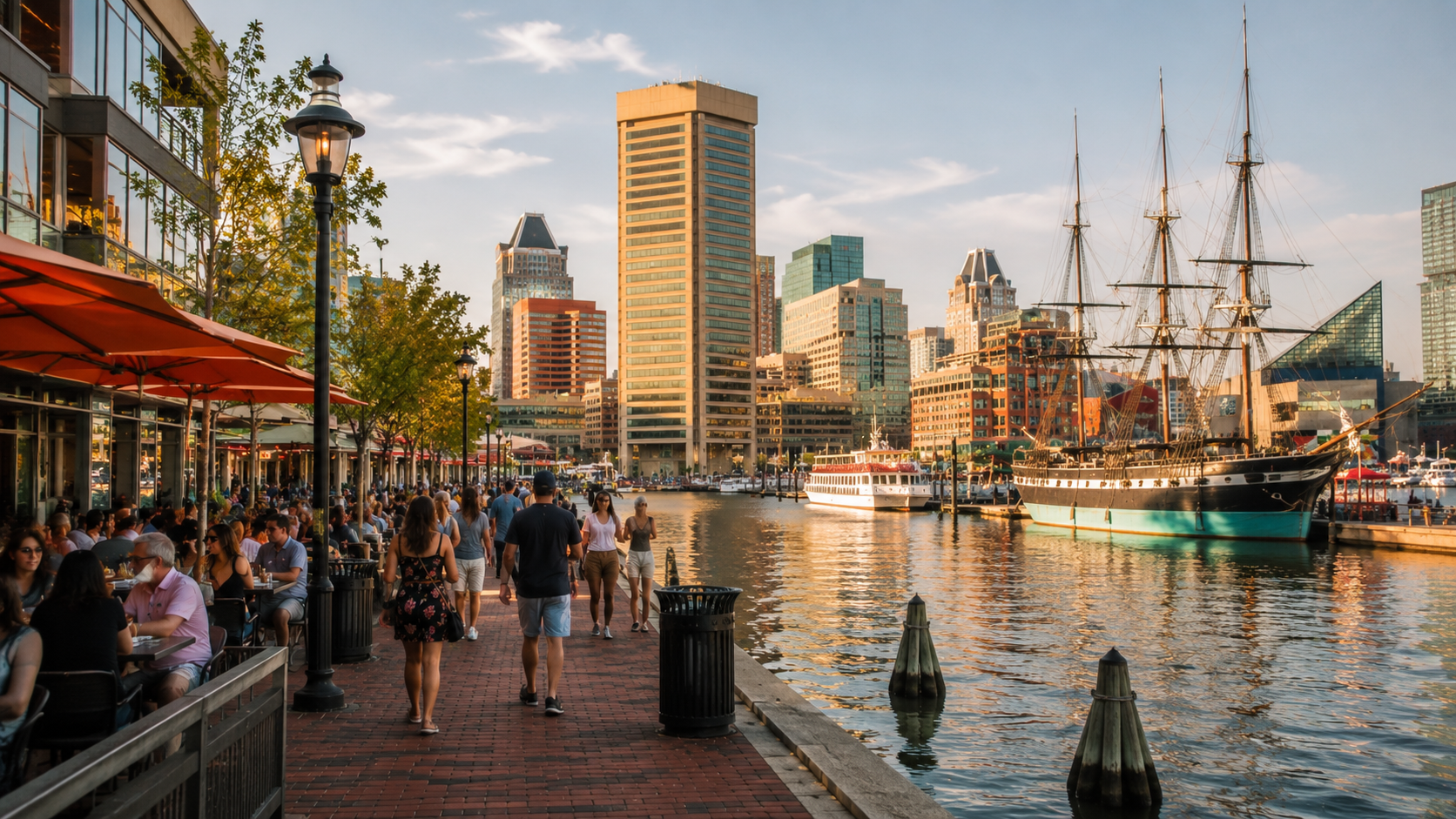
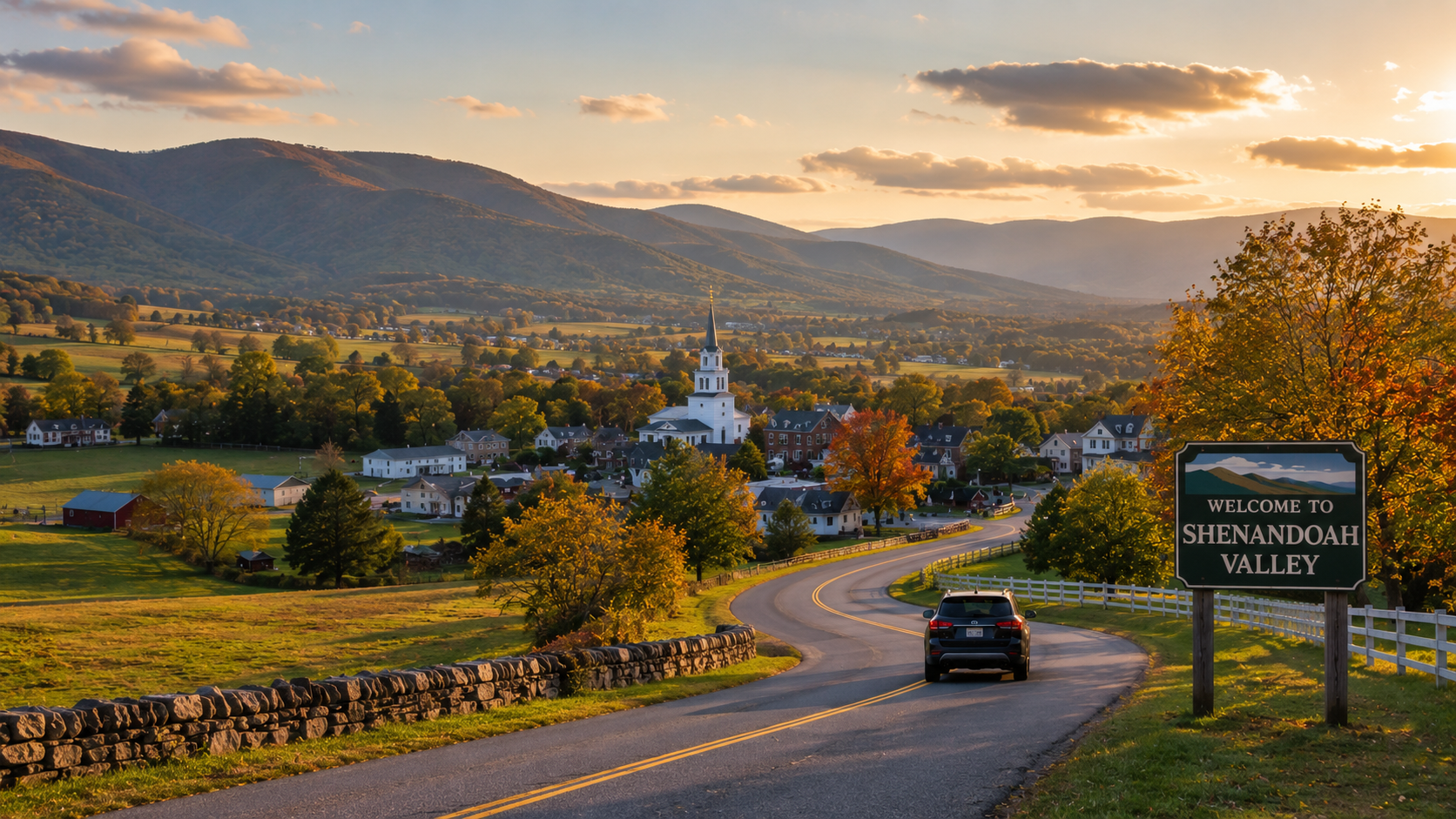
Minnesota rewards travelers who understand that its identity changes dramatically from one part of the state to another. The Twin Cities combine museums, food, music, neighborhoods, lakes and Mississippi River scenery, while Duluth opens the door to the rugged Lake Superior shore and northern Minnesota shifts toward forests, canoe country and remote waterways. Less a single destination and more a collection of distinct travel regions, Minnesota works best when you choose a geographic focus rather than trying to collect attractions scattered across the state. What works in Minneapolis does not work on the North Shore: urban rail and rideshare can handle much of a city stay, while Highway 61, wilderness trailheads and lake country usually favor a car. Distances also become substantial once you add places such as Grand Marais, Ely, Voyageurs National Park or Itasca State Park. A strong first trip therefore starts with understanding Minnesota’s geography and building a route around destinations that naturally connect.
Travel Essentials
Essential information for planning your trip to Minnesota, from arrival and transportation to local travel tips, emergencies and seasonal weather.
Minnesota Quick Facts
Essential details worth knowing before you travel.
Minnesota combines the Twin Cities of Minneapolis and St. Paul with thousands of lakes, North Shore scenery, forests, small towns, state parks and four distinct seasons across the Upper Midwest.
Arrival Information
Important considerations for reaching Minnesota.
Domestic and international arrival requirements differ. U.S. domestic travelers should carry appropriate identification, while international visitors must meet current United States passport, visa or visa-waiver requirements.
Domestic Travelers
Travelers flying within the United States should carry identification accepted for domestic air travel and check current airline and federal requirements before departure.
International Visitors
International travelers enter Minnesota under United States immigration rules. Passport, visa and entry requirements depend on nationality and travel status.
Main Gateway
Minneapolis–St. Paul International Airport is Minnesota’s primary air gateway and provides access to Minneapolis, St. Paul and the wider Twin Cities region.
Arriving by Road
Interstate highways connect Minnesota with neighboring states and Canada. Winter travelers should check current road and weather conditions before driving.
Health Information
Practical health considerations while traveling in Minnesota.
Healthcare
Hospitals, urgent-care centers, pharmacies and medical services are widely available in the Twin Cities and other populated areas. Rural areas may have fewer nearby facilities.
Travel Insurance
International visitors may want medical travel insurance because healthcare costs in the United States can be high. Check your existing coverage before traveling.
Outdoor Conditions
Seasonal conditions vary considerably. Summer visitors should prepare for heat, storms, sun and insects, while cold-weather visitors need appropriate winter clothing.
Winter Exposure
Minnesota winters can bring very low temperatures, snow, ice and wind chill. Dress in layers and monitor forecasts when spending extended time outdoors.
Travel Advisory
Seasonal safety and travel considerations across Minnesota.
Weather can significantly affect travel. Winter snow and ice, summer thunderstorms and changing road conditions can affect driving and outdoor plans. Check local forecasts and road conditions before longer trips.
Winter Driving
Snow, ice, strong winds and reduced visibility can affect Minnesota roads. Allow extra travel time and check current road conditions before driving.
Severe Weather
Thunderstorms, strong winds, hail and tornadoes can occur during warmer months. Follow local weather alerts and shelter instructions when severe weather develops.
Lakes & Water Safety
Conditions on lakes and waterways can change quickly. Follow boating regulations, wear appropriate flotation equipment and check local conditions before heading out.
Outdoor Travel
Remote parks, forests and wilderness areas may have limited mobile service. Carry appropriate supplies and prepare for changing weather when traveling away from populated areas.
Holidays & Busy Periods
Periods that can affect crowds, transport and opening hours.
Visitor Information
Everyday details that make traveling in Minnesota easier.
Payments
Credit and debit cards are widely accepted. Mobile payments are common, although carrying some U.S. dollars can be useful for smaller businesses, parking and local events.
Tipping
Tipping is customary in the United States. Restaurants, bars, taxis, rideshare services and other service businesses commonly expect gratuities where service is not included.
Visitor Information
Visitor information is available through tourism offices, visitor centers and destination organizations throughout Minnesota.
Seasonal Planning
Minnesota experiences major seasonal changes. Check weather, attraction schedules and seasonal operating hours when planning outdoor activities and road trips.
Major Airports
Important gateways for reaching different parts of Minnesota.
Minneapolis–St. Paul International
Minnesota’s primary airport and main gateway to Minneapolis, St. Paul and the greater Twin Cities region.
Duluth International Airport
Convenient gateway to Duluth, Lake Superior, the North Shore and northeastern Minnesota.
Rochester International Airport
Serves Rochester and southeastern Minnesota, including travelers visiting the Mayo Clinic.
Bemidji Regional Airport
Regional gateway for Bemidji and destinations across north-central Minnesota.
Brainerd Lakes Regional Airport
Provides convenient access to the Brainerd Lakes area and central Minnesota.
Range Regional Airport
Serves Minnesota’s Iron Range and communities across the northeastern part of the state.
Transport in Minnesota
Ways to explore the Twin Cities and travel across the state.
Rental Cars
Driving is one of the most flexible ways to explore Minnesota, especially for lakes, state parks, the North Shore and smaller communities.
Light Rail
METRO light rail connects key areas of Minneapolis, St. Paul, Minneapolis–St. Paul International Airport and other Twin Cities destinations.
Local Buses
Bus networks serve Minneapolis, St. Paul and surrounding communities, with additional transit services available in several regional cities.
Amtrak
Passenger rail serves the Twin Cities and other Minnesota stops, providing connections with destinations elsewhere in the Upper Midwest and beyond.
Taxis & Ride Apps
Taxi and app-based ride services are widely available around the Twin Cities and other major population centers.
Regional Flights
Regional airports and connecting flights can reduce driving time when visiting destinations farther from the Twin Cities.
Connectivity & Electricity
Internet access, mobile service and device compatibility.
Wi-Fi
Wi-Fi is widely available at hotels, airports, cafés, libraries and many restaurants and attractions.
Mobile Service
Mobile coverage is generally strong in cities and along major highways but can become limited in remote forests, wilderness areas and parts of northern Minnesota.
Electricity
Minnesota uses the standard United States electrical system of approximately 120 volts and 60Hz.
Power Plugs
Type A and Type B plugs are standard. International travelers may need a plug adapter and should check device voltage compatibility.
Laws & Etiquette
Useful rules and everyday considerations for visitors.
Alcohol
The legal drinking age is 21. Valid identification may be requested when purchasing or consuming alcohol. Local rules and business hours can vary.
Driving
Vehicles drive on the right. Seat belts are required, speed limits are posted and drivers should follow Minnesota traffic and impaired-driving laws.
Winter Roads
Drivers should adjust speed for snow, ice and reduced visibility. Do not assume posted speed limits are safe during severe winter conditions.
Parks & Outdoors
Follow posted rules for camping, fires, fishing, boating, trails and protected natural areas. Permits may be required for certain activities.
Boating & Fishing
Minnesota has specific boating, fishing and licensing requirements. Check current state rules before participating.
Local Courtesy
Respect private property, trail rules, quiet hours and local communities when visiting lake country, parks and residential areas.
Emergency Information
Important contacts and assistance worth keeping accessible.
Emergency Services
Dial 911 for immediate police, fire or emergency medical assistance anywhere in Minnesota.
Non-Emergency Help
For situations that are not emergencies, contact the appropriate local police, sheriff, medical provider or visitor assistance service.
Road Conditions
Check Minnesota road and traffic conditions before long drives, particularly during snowstorms, freezing rain or severe weather.
International Visitors
Travelers who lose a passport should contact their country’s nearest embassy or consulate for guidance on replacement travel documents.
Minnesota Weather by Season
Four distinct seasons create very different travel experiences.
Spring
March – MayTemperatures gradually warm, snow melts and outdoor attractions begin reopening. Conditions can change quickly between cold and mild weather.
Summer
June – AugustWarm weather makes summer popular for lakes, hiking, camping, festivals and road trips. Thunderstorms and humid periods can occur.
Fall
September – NovemberCooler temperatures and changing foliage make fall popular for scenic drives, especially along the North Shore and in forested regions.
Winter
December – FebruaryCold temperatures, snow and ice create opportunities for winter recreation but can also affect roads, flights and outdoor travel plans.
Understanding Minnesota’s Travel Geography
The Twin Cities gateway
Minneapolis and St. Paul form Minnesota’s main urban gateway, with Minneapolis–St. Paul International Airport between the two cities and close to Bloomington. Minneapolis brings the denser concentration of nightlife, restaurants, museums and contemporary urban experiences, while St. Paul has a more historic, civic and neighborhood-oriented character.
The airport makes the metropolitan area the easiest starting point for most visitors. Official visitor information from Explore Minnesota explains the airport’s position relative to Minneapolis, St. Paul and Bloomington, which is useful when deciding whether to stay downtown or closer to the airport.
Lake Superior and the North Shore
Northeastern Minnesota feels fundamentally different. Duluth sits at the western end of Lake Superior and functions as the practical gateway to the North Shore.
From Duluth, Highway 61 follows the lake toward Two Harbors, Beaver Bay, Silver Bay, Lutsen, Grand Marais and Grand Portage. This corridor is one of Minnesota’s most coherent road trips because waterfalls, state parks, trailheads, small towns and Lake Superior viewpoints appear sequentially rather than requiring major detours.
The northeastern wilderness
Move inland from Lake Superior and Minnesota becomes canoe-and-forest country. Ely is one of the principal gateways to the Boundary Waters Canoe Area Wilderness, while Voyageurs National Park lies farther west near International Falls, Kabetogama, Ash River and Crane Lake.
These are not casual extensions of a Minneapolis weekend. They require deliberate travel time and, depending on the experience, boats, canoes, permits or wilderness preparation.
Central and north-central lake country
Brainerd Lakes, Walker, Bemidji and the surrounding lake districts represent another Minnesota travel style: cabins, fishing, boating, forests and slower lake-based vacations. Itasca State Park lies in this broader north-central part of the state and protects the headwaters of the Mississippi River.
Southern Minnesota
Southern Minnesota is less commonly included on a first statewide trip but can be rewarding when treated as its own route. Rochester anchors the southeast, while the Mississippi River towns and bluff country around Red Wing, Winona and southeastern Minnesota offer scenic drives, river landscapes and smaller historic communities.
The practical lesson is simple: Minnesota should usually be divided into routes. Twin Cities + Duluth + North Shore is one logical trip; Twin Cities + lake country + Itasca is another; and Boundary Waters or Voyageurs usually deserves dedicated northern time.
Who Minnesota Suits Best
Road trippers
Minnesota strongly rewards road travel once you leave the Twin Cities. Highway 61 along Lake Superior, the roads toward Ely and Voyageurs, and the lake-country routes around Bemidji and Itasca are far easier to explore with your own vehicle.
The state maintains numerous designated scenic routes, and the official Minnesota Scenic Byways program is particularly useful when turning transportation days into part of the experience.
Outdoor travelers
Paddlers, hikers, anglers, campers and travelers who simply prefer landscapes to dense sightseeing schedules have enormous choice. Minnesota ranges from accessible waterfalls and paved trails to wilderness where navigation and self-sufficiency matter.
The important distinction is difficulty. Minnehaha Falls or Gooseberry Falls can fit easily into a conventional trip; a multi-day Boundary Waters canoe journey cannot.
City and culture travelers
Minneapolis and St. Paul can comfortably fill several days without requiring a wilderness component. Art museums, theater, architecture, music history, Mississippi River sites, neighborhoods and food make the Twin Cities a legitimate standalone destination.
Duluth adds another urban experience, but its appeal is more closely connected to Lake Superior, shipping history and outdoor access.
Families
Minnesota works particularly well for families when the route is restrained. Twin Cities attractions, easy waterfall stops on the North Shore, lake resorts and accessible state parks can be combined without turning every day into an expedition.
Winter travelers
Minnesota is also a genuine winter destination rather than simply a summer destination with colder weather. Cross-country skiing, snowshoeing, frozen lakes, winter festivals and snow-based recreation can justify a trip, but winter visitors must build considerably more flexibility into driving plans.
Essential Minnesota Basics for First-Time Visitors
Choose the route before accommodation
Do not begin by booking several nights in Minneapolis and assuming the rest of Minnesota can be visited on day trips. Duluth is roughly a 2½-hour drive from the Twin Cities in ordinary conditions, and Grand Marais adds roughly another two hours northeast.
Voyageurs, Ely and Itasca push farther into northern Minnesota. Once those destinations enter the itinerary, additional bases become more efficient than repeatedly returning south.
Decide when you need a car
A car is optional for a focused Minneapolis–St. Paul visit. Metro Transit connects MSP Airport with Minneapolis and provides service toward St. Paul and Bloomington; its official airport transportation guidance notes that the Blue Line links MSP with downtown Minneapolis and Mall of America.
A car becomes substantially more useful for Duluth, Highway 61, state parks, lake country, Ely and most rural areas.
Treat wilderness separately
The Boundary Waters should never be added to an itinerary as though it were another roadside attraction. Entry permits are required, and quota permits apply to certain visits during the main May-through-September season. The U.S. Forest Service Boundary Waters planning guide provides the authoritative permit framework.
First-time paddlers without wilderness experience should allow time for equipment, route planning, weather changes and portages rather than attempting to compress the experience into an already crowded road trip.
Prepare for large temperature swings
Lake Superior can remain markedly cooler than inland Minnesota during warm weather. A sunny summer day in Minneapolis does not guarantee identical conditions in Grand Marais or on exposed Lake Superior shoreline.
That difference matters when packing and when scheduling hikes, paddling or boat activities.
Minnesota’s Major Cities and Destinations
Minneapolis
Minneapolis is Minnesota’s strongest urban base for travelers interested in restaurants, arts, music, nightlife, biking and contemporary city life. The Mississippi River divides the city, while lakes and parkways give Minneapolis an unusually strong connection between urban neighborhoods and outdoor recreation.
Allow at least two full days if museums, neighborhoods and dining matter. Minneapolis combines naturally with St. Paul and Bloomington without requiring another hotel.
St. Paul
St. Paul complements rather than duplicates Minneapolis. Its historic neighborhoods, Minnesota State Capitol, museums, Cathedral Hill and Mississippi River setting create a quieter and more architectural city experience.
Because downtown Minneapolis and downtown St. Paul are connected by light rail, travelers rarely need separate bases for the two cities.
Duluth
Duluth is where an urban Minnesota trip transitions into a Lake Superior trip. Canal Park, the harbor, lakefront paths, shipping activity and steep neighborhoods make the city worthwhile independently, but its greatest planning value is as the southern gateway to Highway 61.
One or two nights works well before continuing north.
Grand Marais
Grand Marais is the North Shore’s most useful northern base. Its compact harbor, restaurants, galleries and access to the Sawtooth Mountains make it considerably more than a fuel stop.
Travelers planning hikes, the Gunflint Trail or a slower North Shore experience should generally sleep here rather than attempting to return to Duluth every evening.
Ely
Ely serves a different purpose. It is a wilderness gateway associated particularly with the Boundary Waters and Superior National Forest.
Choose Ely when paddling, remote forests and canoe-country experiences are central to the trip. Do not add it merely because it appears geographically close to the North Shore on a statewide map; road geography makes the detour meaningful.
Bemidji and Itasca
Bemidji provides an urban anchor for north-central Minnesota and combines naturally with Itasca State Park. Itasca protects the Mississippi headwaters and is Minnesota’s oldest state park.
The Minnesota DNR’s Itasca State Park visitor information details the headwaters, trails, Wilderness Drive and recreational options that make the park worth more than a quick photograph.
Minnesota’s Defining Natural Highlights
Lake Superior’s North Shore
The North Shore is Minnesota’s strongest conventional scenic road trip. Lake Superior cliffs, rocky beaches, waterfalls, forested hills and small harbor communities unfold along Highway 61.
Gooseberry Falls works well as an early stop from Duluth, while Split Rock Lighthouse, Tettegouche State Park, Lutsen and Grand Marais progressively move the route farther north. Travelers with several days can continue toward Grand Portage.
Boundary Waters Canoe Area Wilderness
The Boundary Waters is not simply another Minnesota lake district. It is a vast wilderness of lakes, portages, campsites and forest along the Canadian border.
The experience is strongest when the wilderness itself is the objective. A dedicated two- or three-night paddle is far more meaningful than driving to Ely, taking a photograph and immediately leaving.
Voyageurs National Park
Voyageurs National Park is Minnesota’s only national park and one of the state’s most unusual destinations because water defines much of the visitor experience. Roads reach visitor centers and gateway areas, but many campsites and significant parts of the park are best reached by boat.
The National Park Service’s Voyageurs planning information confirms that access is distributed around Rainy Lake, Kabetogama Lake, Ash River and Crane Lake and that most park campsites require boat access.
That changes itinerary design. Travelers wanting a serious Voyageurs experience should plan boating or an organized water activity rather than treating the park like a drive-through national park.
Itasca State Park
Itasca offers a different northern experience: old forest, lakes and the beginning of the Mississippi River. Walking across the shallow headwaters is one of Minnesota’s most recognizable travel experiences.
It fits particularly well into a Bemidji or north-central Minnesota route rather than a North Shore itinerary.
Southeastern bluff country
The Mississippi River corridor around Red Wing, Lake City and Winona replaces northern forests with river bluffs, valleys and scenic roads. This is one of Minnesota’s strongest alternatives for travelers who want scenery without committing to the long drive north.
Minnesota’s Cultural and Historic Must-Sees
Minneapolis riverfront history
The Mississippi River is central to Minneapolis history. The St. Anthony Falls area, Stone Arch Bridge surroundings and former milling district show how waterpower helped shape the city’s industrial development.
This is particularly effective for visitors who want history embedded into an urban walk rather than isolated inside a museum.
Minnesota’s state history in St. Paul
St. Paul provides the clearest introduction to statewide political and historical context. The Minnesota History Center and Minnesota State Capitol work particularly well together, while neighborhoods such as Summit Avenue and Cathedral Hill add architectural context.
Split Rock Lighthouse
Split Rock Lighthouse combines maritime history with one of Minnesota’s most dramatic landscapes. Built after dangerous Lake Superior shipping conditions highlighted the need for better navigation, the lighthouse sits above the rocky North Shore.
The Minnesota Historical Society’s Split Rock history explains how the 1905 storm and Great Lakes shipping helped lead to construction of the light station, completed in 1910.
Indigenous Minnesota
Minnesota travel makes more sense when visitors recognize that Dakota and Ojibwe histories are fundamental to the state rather than side topics. Place names, waterways, wild-rice traditions and northern landscapes are connected to Indigenous communities whose histories long predate Minnesota statehood.
Cultural sites and interpretation should be approached as living heritage, not simply historical attractions.
Where to Go in Minnesota
For a first visit
Choose the Twin Cities plus Duluth and the North Shore. This provides Minnesota’s strongest contrast between urban culture and northern landscape without requiring an overly complicated route.
With seven days, spend roughly three nights around Minneapolis–St. Paul and three to four nights progressing through Duluth and the North Shore.
For the strongest road trip
Drive from Minneapolis to Duluth, then follow Highway 61 northeast. The North Shore Scenic Drive runs from Duluth toward the Canadian border, with the lake continuously shaping the route.
Two Harbors, Split Rock, Tettegouche, Lutsen and Grand Marais naturally build upon one another, making this far more efficient than trying to combine disconnected northern destinations.
For wilderness
Base around Ely and make the Boundary Waters the centerpiece. Travelers with additional time can combine Ely with the North Shore, but this requires accepting additional driving.
Voyageurs is another excellent wilderness choice, particularly for travelers attracted to boating and interconnected lakes rather than portage-heavy canoe travel.
For lakes and slower travel
Choose north-central Minnesota. Bemidji, Itasca and surrounding lake country work well for cabins, fishing, paddling and slower days.
This route sacrifices Lake Superior but reduces the temptation to change hotels constantly.
For a shorter scenic trip
Southern and southeastern Minnesota can be more practical than the far north. Red Wing, Lake Pepin and Winona provide Mississippi River scenery and smaller communities within a more manageable driving radius of the Twin Cities.
Food and Drink Across Minnesota
Twin Cities dining
The Twin Cities offer Minnesota’s broadest food range. Minneapolis and St. Paul reflect Scandinavian heritage alongside substantial Hmong, Somali, East African, Mexican and other immigrant food traditions.
Rather than searching only for a single “Minnesota dish,” use neighborhoods and markets to understand the state’s contemporary food culture.
Hmong and Southeast Asian food
St. Paul is particularly important for Hmong food and culture. Markets and restaurants provide an opportunity to experience dishes, produce and ingredients that have become part of Minnesota’s modern identity.
This deserves more attention than chasing novelty versions of stereotypical Midwestern food.
North Shore food
Duluth and the North Shore shift toward Great Lakes fish, smoked fish, bakeries, cafés, breweries and hearty cold-weather food. Grand Marais is particularly useful because dining can be combined with harbor walks and hiking days.
Wild rice
Wild rice has deep cultural importance in Minnesota, especially within Ojibwe communities. Travelers should distinguish naturally occurring wild rice from generic commercial rice blends and understand that manoomin carries cultural significance beyond being a regional ingredient.
Breweries and urban drinking culture
Craft breweries are widespread, particularly around Minneapolis, St. Paul and Duluth. They work best as part of neighborhood exploration rather than as a reason to drive between distant towns.
Getting Around Minnesota
Driving
For statewide travel, driving is usually the most flexible option. Interstate 35 connects the Twin Cities with Duluth, while Highway 61 becomes the key North Shore corridor.
Highway 169, Highway 10, Highway 2 and other corridors serve lake country and northern Minnesota. Rural destinations can be many miles apart, so fuel and meal stops deserve more attention than they would on an urban trip.
Twin Cities transit
Within Minneapolis and St. Paul, light rail and buses can substantially reduce the need for a rental car. The Blue Line is particularly useful for MSP Airport, downtown Minneapolis and Bloomington, while the Green Line connects Minneapolis with St. Paul.
Visitors planning only an urban weekend should consider delaying their rental car until the day they leave for northern Minnesota.
Rail
Passenger rail has limited usefulness for statewide sightseeing compared with states built around extensive intercity rail networks. Rail can connect the Twin Cities with certain cities outside Minnesota, but it does not solve transportation to the North Shore, Boundary Waters, Voyageurs or most lake destinations.
Do not construct a Minnesota itinerary around trains unless the specific origin and destination genuinely match available service.
North Shore driving
Highway 61 is easy to understand geographically, but travelers consistently underestimate how much time scenic stops add. A nominal two-hour drive can become most of a day once waterfalls, overlooks, hikes and meals are included.
Treat the road itself as part of the itinerary.
Winter travel
Winter requires more margin. Snow, ice, reduced visibility and rapidly changing conditions can turn an ordinary transfer into a slower drive.
Avoid tightly timed winter itineraries in which a long northern drive must connect directly with a flight departure.
Where to Base Yourself in Minnesota
Minneapolis or St. Paul
Use one Twin Cities base rather than changing hotels between the two downtowns. Minneapolis generally suits travelers prioritizing nightlife, restaurants and a busier downtown experience; St. Paul suits travelers preferring historic neighborhoods and a quieter atmosphere.
Two to four nights works for most first trips.
Duluth
Duluth is an excellent one- or two-night transition base. It gives travelers access to the harbor and city while positioning them at the beginning of the North Shore.
It is less effective as the sole base for exploring all the way to Grand Marais because repeated drives become inefficient.
Grand Marais
Grand Marais is the strongest base for the upper North Shore. From here, travelers can access nearby hiking, Lake Superior shoreline and the Gunflint Trail while retaining restaurants and services.
Two or three nights substantially improves a North Shore itinerary.
Ely
Use Ely when wilderness access is the objective. It is not an efficient substitute for Grand Marais or Duluth.
Bemidji
Bemidji works well for north-central lake country and can combine with Itasca. Travelers choosing this route should generally accept that the North Shore belongs on another trip rather than creating a large east-west northern loop.
Voyageurs gateway communities
International Falls, Kabetogama, Ash River and Crane Lake serve different access points around Voyageurs. The correct base depends heavily on boating arrangements and the section of the park being explored.
One hotel for the entire state is rarely sensible. Once a Minnesota trip reaches beyond the Twin Cities, purposeful base changes save substantial driving.
Minnesota Budget Tracker
Budget travel
Minnesota can be reasonably manageable for travelers who stay primarily in the Twin Cities, use transit and emphasize parks, walking routes and inexpensive food.
Costs rise once a rental car, fuel and multiple northern lodging stops enter the trip.
Camping can reduce accommodation expenses, but popular summer weekends require planning rather than relying on spontaneous availability.
Mid-range travel
A typical mid-range trip often combines a city hotel, rental car, North Shore lodging, restaurants and paid attractions. Lodging is usually the largest variable.
Grand Marais, lake resorts and popular North Shore properties can become considerably more expensive during summer and fall-color weekends.
Higher-end travel
Upscale urban hotels, lake resorts, private cabins, guided wilderness experiences and premium seasonal lodging can push Minnesota into a significantly higher price bracket.
Luxury here is often landscape-oriented rather than purely urban: waterfront cabins, secluded resorts and guided outdoor experiences can matter more than five-star city hotels.
Route choices that affect cost
Changing hotels every night increases both accommodation friction and transportation costs. A Twin Cities + Duluth + Grand Marais structure is usually more efficient than repeatedly returning to Minneapolis.
Adding both Voyageurs and the Boundary Waters to a short trip can also increase equipment, transportation and lodging costs without necessarily improving the experience.
Choosing Minnesota’s Best Travel Regions
Twin Cities corridor
Choose Minneapolis–St. Paul for food, museums, architecture, nightlife, sports and an easy first introduction. Three or four days can work without a car.
This is the best region for travelers who want Minnesota without committing to a road trip.
North Shore
Choose Duluth through Grand Marais for Minnesota’s strongest combination of scenery, hiking, waterfalls and small-town stops.
Allow at least three days from Duluth, and preferably four or five if hiking is important.
Boundary Waters and Ely
Choose this region when wilderness is the purpose rather than an accessory. It suits paddlers, campers and travelers comfortable with more preparation.
Three days is a minimum meaningful commitment once travel and logistics are included; longer is better for an actual canoe trip.
Voyageurs and far northern Minnesota
Choose Voyageurs for boating, islands, lakes and a national-park experience unlike conventional road-access parks.
Because much of the park is water-oriented, travelers unwilling to organize boat access may get more from the North Shore or Itasca.
North-central lake country
Choose Bemidji, Itasca and surrounding lakes for cabins, fishing, forest and a slower vacation.
This is particularly good for families and travelers who would rather stay several nights in one area than continuously road-trip.
Mississippi bluff country
Choose Red Wing, Lake Pepin and Winona for river scenery, historic towns and a shorter road trip from the Twin Cities.
This region works especially well in fall and can replace northern Minnesota when time is limited.
Realistic Minnesota Itineraries
5 Days: Twin Cities and Duluth
Day 1: Minneapolis arrival
Arrive at MSP and settle into Minneapolis or St. Paul. Keep the first evening local rather than collecting a rental car and immediately driving north.
Day 2: Twin Cities culture
Use the day for Minneapolis neighborhoods, Mississippi riverfront sights and one or two major museums. Spend the evening exploring the local food scene.
Day 3: St. Paul and transition north
Explore St. Paul in the morning and early afternoon. Collect a car afterward and drive to Duluth.
Day 4: Duluth and lower North Shore
Explore Duluth before driving north toward Two Harbors, Gooseberry Falls and Split Rock. Return to Duluth or sleep around Two Harbors if you want less backtracking.
Day 5: Lake Superior morning
Use the morning for one final Lake Superior experience before returning to the Twin Cities. Do not attempt Grand Marais on this itinerary unless you are comfortable turning most of the trip into driving.
7 Days: Twin Cities and North Shore
Days 1–2: Minneapolis and St. Paul
Spend two full days across the Twin Cities. A single accommodation base is sufficient.
Day 3: Twin Cities to Duluth
Drive north and give Duluth the afternoon and evening.
Day 4: Duluth to the central North Shore
Travel Highway 61 through Two Harbors, Gooseberry Falls and Split Rock. Sleep farther north rather than returning to Duluth.
Day 5: Tettegouche to Grand Marais
Continue northeast with time for hiking and viewpoints. Reach Grand Marais without rushing.
Day 6: Upper North Shore
Keep Grand Marais as the base and choose either hiking, the Gunflint Trail or a slower Lake Superior day.
Day 7: Return south
Drive toward MSP with generous time. If flying the same day, avoid scheduling an early departure.
10 Days: Cities, North Shore and Canoe Country
Days 1–3: Twin Cities
Use three nights for Minneapolis and St. Paul.
Day 4: Duluth
Drive north and overnight in Duluth.
Days 5–6: North Shore
Progress toward Grand Marais with an overnight or two along the upper shore.
Day 7: North Shore to Ely
Turn inland toward Ely. Treat this as a transition day rather than trying to combine a major hike with a long drive.
Days 8–9: Ely and wilderness
Use these days for Boundary Waters-oriented activities. Experienced visitors can build a longer canoe trip instead and shorten the urban portion.
Day 10: Return south
Return toward the Twin Cities. If the schedule permits, sleep near MSP before a morning flight rather than gambling on a long same-day drive.
14 Days: A Broader Northern Minnesota Route
With two weeks, travelers can add Itasca, Bemidji or Voyageurs—but trying to include all three alongside the North Shore and Boundary Waters still creates considerable driving.
A stronger 14-day trip chooses one additional northern zone. For example: Twin Cities → Duluth → North Shore → Ely → Voyageurs → Twin Cities creates a coherent northeastern circuit, while Twin Cities → Duluth → North Shore → Bemidji → Itasca → Twin Cities gives more geographic variety.
Minnesota Through the Seasons
Spring
Spring arrives unevenly. The Twin Cities can become comfortable while Lake Superior remains cold and northern trails remain wet or muddy.
Late spring works well for cities and waterfalls, but wilderness travelers should investigate water temperatures, trail conditions and seasonal services before departure.
Summer
Summer offers the easiest access to Minnesota’s lakes, parks, canoe routes and North Shore. It is also the period when popular cabins, campsites and waterfront lodging face the greatest demand.
Voyageurs is especially water-oriented during this period, although visitor-center and tour operations vary seasonally; travelers should check the park’s current operating information before finalizing a trip.
Fall
Fall is one of Minnesota’s strongest road-trip seasons. Forest color can transform the North Shore, central Minnesota and Mississippi bluff country.
Peak foliage does not occur everywhere simultaneously, however. Northern areas usually change before southern Minnesota, making flexible routing valuable.
Winter
Winter changes the destination rather than simply closing it. Skiing, snowshoeing, frozen lakes and winter festivals create legitimate reasons to travel.
Itasca, for example, remains an active winter destination; Minnesota DNR publishes winter itineraries and trail information. The larger constraint is transportation: road conditions and daylight should influence how aggressively you move between regions.
Common Minnesota Planning Mistakes
Treating Duluth as the entire North Shore
Duluth is the gateway, not the endpoint. Travelers who stop there and return south miss much of the landscape that makes Highway 61 distinctive.
Making Grand Marais a Twin Cities day trip
This technically possible drive is poor travel planning. The value of the North Shore comes from stopping, hiking and experiencing the lake rather than racing north and south.
Assuming every lake experience is interchangeable
Lake Minnetonka, Lake Superior, the Boundary Waters and Voyageurs create entirely different trips. Choose according to whether you want urban recreation, dramatic shoreline, canoe wilderness or motorized boating.
Adding wilderness without wilderness time
Driving to Ely does not equal experiencing the Boundary Waters. If you cannot devote sufficient time to paddling or outdoor activities, use those days elsewhere.
Depending on public transit outside metropolitan areas
Twin Cities transit does not translate into statewide transit coverage. Most scenic northern routes become considerably easier with a car.
Overloading a one-week itinerary
Minneapolis, Duluth, Grand Marais, Ely, Voyageurs, Bemidji and Itasca do not belong in a seven-day checklist. Choosing fewer places creates a stronger Minnesota trip.
Packing and Preparing for Minnesota
Pack for Lake Superior separately
Even in summer, carry a layer or light jacket on North Shore days. Wind and lake influence can make conditions noticeably cooler than inland Minnesota.
Good walking or hiking footwear becomes important if waterfalls and state parks are part of the route.
Prepare seriously for wilderness
Boundary Waters travel requires more than ordinary vacation packing. Navigation, water treatment, food storage, rain protection, insect protection and emergency preparation become genuine trip requirements.
Cell service cannot be assumed in remote northern areas.
Prepare the vehicle
Long rural stretches make it sensible to refuel before reaching remote trailheads or late-night northern roads. Winter travelers should be especially conservative about fuel, weather and travel timing.
Bring insect protection
Mosquitoes and other biting insects can be significant during warmer months, particularly around forests, wetlands and lakes. Repellent and appropriate clothing can materially improve an otherwise excellent outdoor trip.
Keep a flexible layer system
A traveler combining Minneapolis, Duluth and Grand Marais can experience meaningfully different conditions on the same trip. Layers solve that problem better than packing according to a single statewide forecast.
Where to Go Next
Wisconsin
Wisconsin is Minnesota’s easiest major road-trip extension. From the Twin Cities, western Wisconsin and the St. Croix Valley are close, while travelers leaving Duluth can continue toward Wisconsin’s Lake Superior shore and Bayfield area.
It works particularly well when you want to continue a Great Lakes or Upper Midwest road trip without adding a flight.
Michigan
Michigan becomes a logical continuation for travelers focused on Lake Superior. The Upper Peninsula adds waterfalls, forests, rugged shoreline and a different Great Lakes landscape.
This extension makes more sense after a North Shore trip than after a short Twin Cities city break.
North Dakota
North Dakota provides a strong contrast to Minnesota’s lake-and-forest identity. Travelers continuing west can transition toward prairie landscapes, Fargo and eventually Theodore Roosevelt National Park.
It is particularly logical for a longer northern U.S. road trip.
South Dakota
South Dakota works well when Minnesota is the beginning of a larger Great Plains and Upper Midwest journey. The route eventually opens toward the Black Hills, Badlands and dramatically different western landscapes.
Allow several additional days rather than treating South Dakota as a Minnesota day trip.
Ontario
Northern Minnesota shares a long border with Ontario, making Canada a natural extension for travelers already exploring the North Shore or far northern Minnesota. From Grand Portage, Highway 61 reaches the international border and continues toward Thunder Bay.
This is the most geographically natural international continuation of a North Shore road trip, provided travelers meet current border-entry requirements.