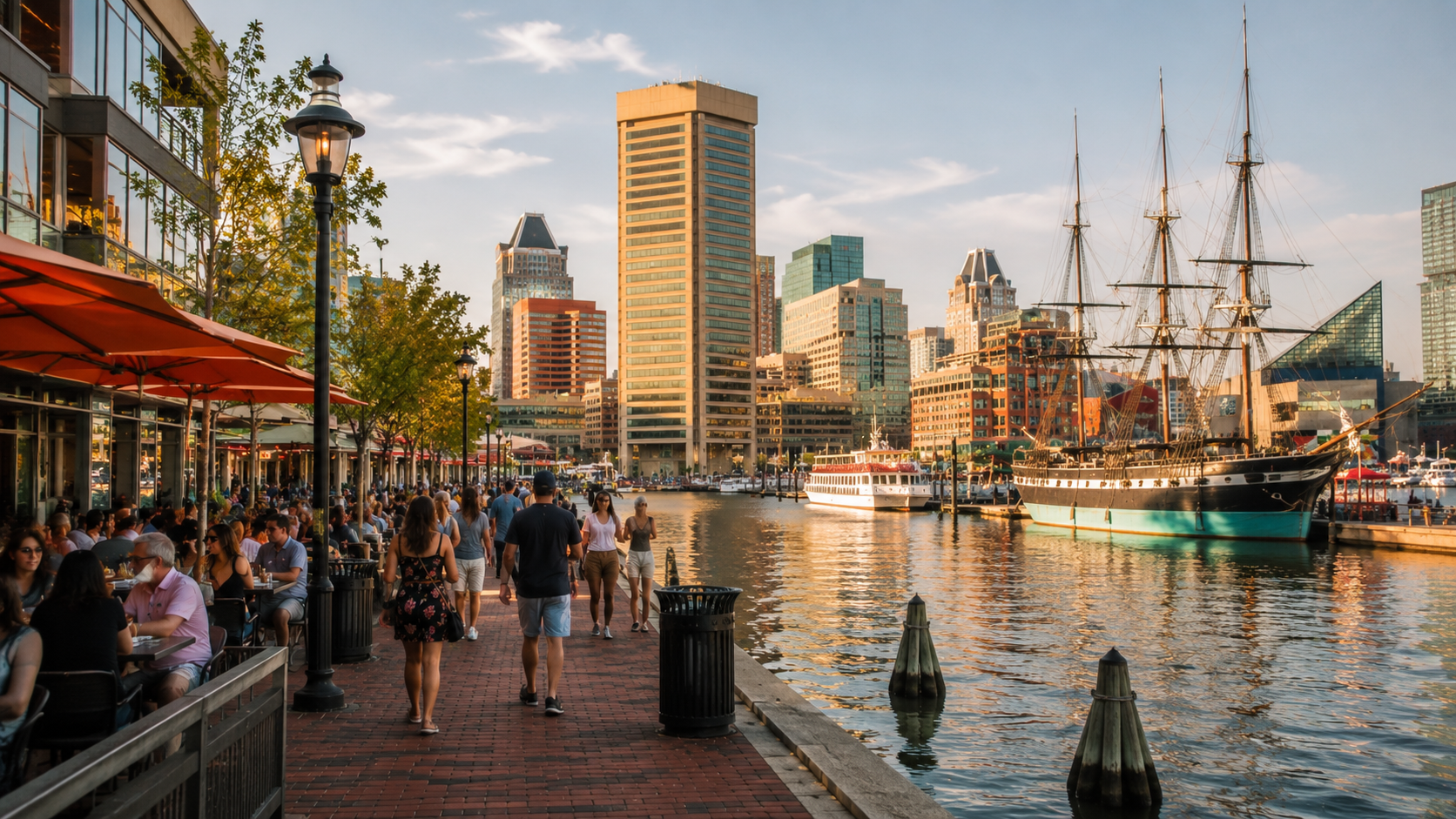
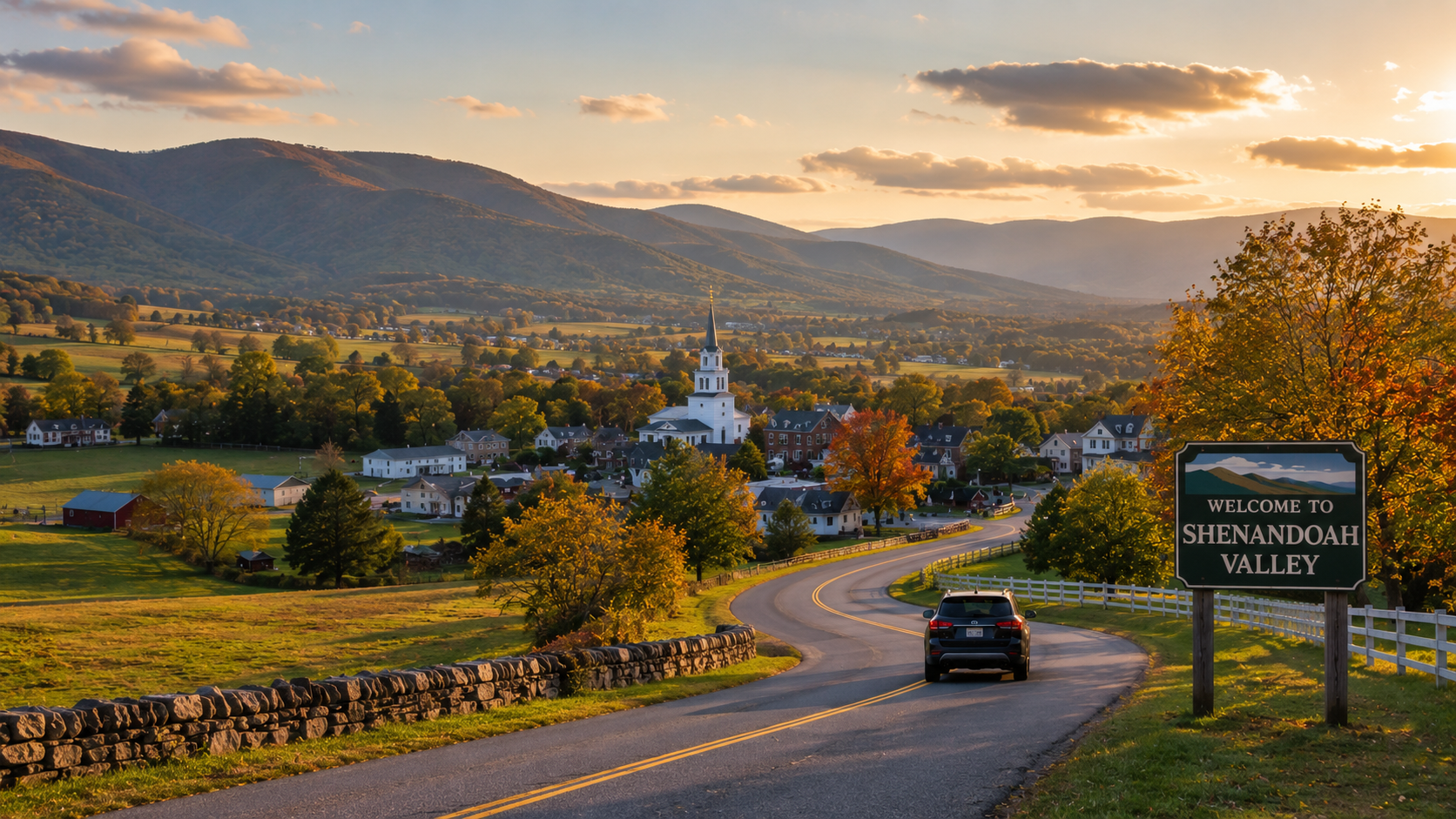
Wisconsin is shaped by two Great Lakes, the Mississippi River, glacial landscapes, working farms, historic cities, forested northern lake country, and one of the Midwest’s strongest road-trip cultures. Milwaukee and Madison provide very different urban experiences, while Door County, the Driftless Area, Wisconsin Dells, the Northwoods, and the Apostle Islands can feel like separate destinations. Less a single destination and more a collection of distinct travel regions, Wisconsin rewards travelers who choose a coherent route instead of trying to connect every famous stop. What works in Milwaukee does not work in the Apostle Islands: southeastern Wisconsin can combine cities and attractions relatively easily, while the Lake Superior shore requires longer drives and more deliberate planning. Door County is another substantial detour, and its peninsula geography means travelers generally enter and leave through the same southern corridor. Understanding those distances first makes it much easier to decide where Wisconsin deserves your time.
Travel Essentials
Essential information for planning your trip to Wisconsin, from arrival and transportation to local travel tips, emergencies and seasonal weather.
Wisconsin Quick Facts
Essential details worth knowing before you travel.
Wisconsin combines Great Lakes shorelines, thousands of inland lakes, forests, scenic byways and small towns with destinations such as Milwaukee, Madison, Green Bay, Door County and the Wisconsin Dells.
Arrival Information
Important considerations for reaching Wisconsin.
Domestic and international arrival requirements differ. U.S. domestic travelers should carry appropriate identification, while international visitors must meet current United States passport, visa or visa-waiver requirements.
Domestic Travelers
Travelers flying within the United States should carry identification accepted for domestic air travel and check current airline and federal requirements before departure.
International Visitors
International travelers enter Wisconsin under United States immigration rules. Passport, visa and entry requirements depend on nationality and travel status.
Air Gateways
Milwaukee Mitchell International Airport is a major gateway, while Madison, Green Bay, Appleton and Central Wisconsin airports provide additional access to different regions.
Arriving by Road
Interstate highways connect Wisconsin with Minnesota, Iowa, Illinois and Michigan. Check road and weather conditions before winter driving.
Health Information
Practical health considerations while traveling in Wisconsin.
Healthcare
Hospitals, urgent-care centers, pharmacies and other medical services are widely available in cities and populated areas. Rural destinations may have fewer nearby facilities.
Travel Insurance
International visitors may want medical travel insurance because healthcare costs in the United States can be high. Check your existing coverage before traveling.
Outdoor Conditions
Summer travelers should prepare for heat, humidity, thunderstorms, sun exposure and insects when spending extended periods outdoors.
Winter Exposure
Wisconsin winters can bring snow, ice, wind and very cold temperatures. Dress appropriately and monitor forecasts before extended outdoor activities.
Travel Advisory
Seasonal safety and travel considerations across Wisconsin.
Weather can significantly affect travel. Winter snow and ice, summer thunderstorms and changing road conditions can affect driving and outdoor plans. Check local forecasts and road conditions before longer trips.
Winter Driving
Snow, ice and reduced visibility can make Wisconsin roads hazardous during winter. Allow extra travel time and check current road conditions before driving.
Severe Weather
Thunderstorms, strong winds, hail and tornadoes can occur during warmer months. Follow local weather alerts and shelter instructions when severe weather develops.
Great Lakes & Water Safety
Conditions on Lake Michigan, Lake Superior and inland waterways can change quickly. Follow beach, boating and swimming advisories and use appropriate safety equipment.
Outdoor Travel
Forests, parks and rural recreation areas may have limited mobile coverage. Carry appropriate supplies and prepare for changing conditions when traveling outdoors.
Holidays & Busy Periods
Periods that can affect crowds, transport and opening hours.
Visitor Information
Everyday details that make traveling in Wisconsin easier.
Payments
Credit and debit cards are widely accepted. Mobile payments are common, although carrying some U.S. dollars can be useful for smaller businesses, parking and local events.
Tipping
Tipping is customary in the United States. Restaurants, bars, taxis, rideshare services and other service businesses commonly expect gratuities where service is not included.
Visitor Information
Tourism offices, local visitor centers and destination organizations provide information about attractions, events, accommodations and regional travel.
Seasonal Planning
Attraction schedules can change significantly by season. Check operating dates and hours when visiting lake resorts, parks, outdoor attractions and smaller communities.
Major Airports
Important gateways for reaching different parts of Wisconsin.
Milwaukee Mitchell International Airport
A major Wisconsin air gateway serving Milwaukee and southeastern Wisconsin.
Dane County Regional Airport
Serves Madison and south-central Wisconsin with convenient access to the state capital region.
Green Bay Austin Straubel International Airport
Serves Green Bay and northeastern Wisconsin, including access toward Door County.
Appleton International Airport
Convenient gateway for Appleton, the Fox Cities and destinations across northeastern Wisconsin.
Central Wisconsin Airport
Serves the Wausau and Stevens Point region and other destinations in central Wisconsin.
La Crosse Regional Airport
Serves La Crosse and western Wisconsin along the Mississippi River region.
Transport in Wisconsin
Ways to explore Wisconsin’s cities, lakes and scenic regions.
Rental Cars
Driving is one of the most flexible ways to explore Wisconsin, especially for Door County, the Northwoods, lake communities, state parks and smaller towns.
Local Transit
Milwaukee, Madison and several other cities operate local public transportation. Coverage becomes more limited outside larger urban areas.
Intercity Buses
Intercity and regional bus services connect selected Wisconsin cities and can provide connections to neighboring states.
Passenger Rail
Amtrak provides passenger rail service through Wisconsin, including connections between Milwaukee, the Twin Cities, Chicago and other destinations.
Ferries
Seasonal and regional ferry services provide additional transportation options across parts of Wisconsin and the Great Lakes region.
Taxis & Ride Apps
Taxi and app-based ride services are commonly available in Milwaukee, Madison, Green Bay and other larger communities.
Connectivity & Electricity
Internet access, mobile service and device compatibility.
Wi-Fi
Wi-Fi is widely available at hotels, airports, cafés, libraries, restaurants and many visitor attractions.
Mobile Service
Mobile coverage is generally strong around cities and major highways but may become limited in remote forests, lake regions and parts of northern Wisconsin.
Electricity
Wisconsin uses the standard United States electrical system of approximately 120 volts and 60Hz.
Power Plugs
Type A and Type B plugs are standard. International travelers may need a plug adapter and should check their device voltage compatibility.
Laws & Etiquette
Useful rules and everyday considerations for visitors.
Alcohol
The legal drinking age is 21. Valid identification may be requested when purchasing or consuming alcohol. Local regulations and business hours can vary.
Driving
Vehicles drive on the right. Seat belts are required, speed limits are posted and drivers should follow Wisconsin traffic and impaired-driving laws.
Winter Roads
Reduce speed and allow additional stopping distance during snow and ice. Road conditions can vary considerably during winter storms.
Parks & Outdoors
Follow posted regulations for camping, trails, fires and protected natural areas. Vehicle admission passes or other permits may apply at certain locations.
Fishing & Boating
Wisconsin has licensing, boating and fishing regulations. Check current state requirements before fishing or operating watercraft.
Local Courtesy
Respect private property, quiet hours, trail rules and local communities when visiting lake country, parks and residential areas.
Emergency Information
Important contacts and assistance worth keeping accessible.
Emergency Services
Dial 911 for immediate police, fire or emergency medical assistance anywhere in Wisconsin.
Non-Emergency Help
For situations that are not emergencies, contact the appropriate local police department, sheriff’s office, medical provider or visitor assistance service.
Road Conditions
Check Wisconsin traffic and road conditions before longer drives, particularly during snow, freezing rain or other severe weather.
International Visitors
Travelers who lose a passport should contact their country’s nearest embassy or consulate for assistance with replacement travel documents.
Wisconsin Weather by Season
Four distinct seasons create very different travel experiences.
Spring
March – MayTemperatures gradually warm and outdoor attractions begin reopening. Conditions can shift between cold, rain and mild weather.
Summer
June – AugustWarm weather makes summer popular for lakes, beaches, boating, camping, festivals and road trips. Thunderstorms and humid periods can occur.
Fall
September – NovemberCooler temperatures and colorful foliage make fall popular for scenic drives, hiking and visits to Door County and forested regions.
Winter
December – FebruarySnow, ice and cold temperatures support winter recreation but can also affect roads, flights and outdoor travel plans.
Understanding Wisconsin’s Travel Geography
Milwaukee and the southeast
Milwaukee anchors southeastern Wisconsin on Lake Michigan and is the state’s largest city. It works naturally with destinations such as Lake Geneva, Racine, Kenosha, Cedarburg, and parts of the Kettle Moraine.
Milwaukee is also one of Wisconsin’s principal transportation gateways. General Mitchell International Airport sits close to the city, while Interstate 94 provides the main corridor toward Madison and Chicago.
Madison and south-central Wisconsin
Madison sits roughly 80 miles west of Milwaukee and is built around a chain of lakes. The Wisconsin State Capitol, University of Wisconsin–Madison, food scene, cycling culture, and lakes make it more than a political or university stop.
Madison also functions as a useful gateway to Devil’s Lake State Park, Baraboo, Wisconsin Dells, and the Driftless Area.
Door County peninsula
Door County extends northeast between Green Bay and Lake Michigan. Sturgeon Bay marks the practical southern gateway, followed by communities such as Egg Harbor, Fish Creek, Ephraim, Sister Bay, Bailey’s Harbor, and Gills Rock farther north.
This is peninsula travel: driving distances may appear short, but beaches, parks, shoreline stops, restaurants, and villages turn a short drive into a full sightseeing day.
The Driftless Area
Southwestern Wisconsin escaped the flattening effects associated with the most recent continental glaciation, leaving a landscape of ridges, river valleys, limestone bluffs, farms, and winding roads.
La Crosse, Prairie du Chien, Viroqua, Spring Green, and smaller communities provide useful anchors. The Mississippi River defines the western edge, while the Wisconsin River cuts through the region farther south.
Northern Wisconsin and Lake Superior
Northern Wisconsin becomes progressively more forested and lake-oriented. Minocqua, Eagle River, Hayward, and surrounding communities represent the classic Northwoods experience.
Farther northwest, Bayfield provides the principal gateway to the Apostle Islands National Lakeshore. This Lake Superior region should generally be treated as a dedicated part of the trip rather than a quick extension from Milwaukee.
Wisconsin’s official tourism organization divides the state into distinct travel regions, and the regional overview from Travel Wisconsin is useful for understanding how dramatically the experience changes between the southeast, Door County, southwest, Northwoods, and Lake Superior areas.
Who Wisconsin Suits Best
Road trippers
Wisconsin is exceptionally well suited to road trips. The distances are manageable when a trip stays within one or two neighboring regions, and scenic highways frequently connect small towns, parks, farms, rivers, and lakes.
The mistake is assuming this means the entire state is compact. Milwaukee to Bayfield is a substantial transfer, and adding Door County creates another geographic branch.
Food-focused travelers
Wisconsin’s food identity extends beyond cheese. Dairy farming, supper clubs, fish fries, breweries, farmers’ markets, cherries, cranberries, bratwurst, immigrant food traditions, and Great Lakes fish all have geographic connections.
Milwaukee, Madison, Door County, and smaller rural communities each offer different versions of Wisconsin food culture.
Outdoor travelers
Wisconsin works particularly well for hiking, paddling, cycling, boating, fishing, camping, and scenic driving. Devil’s Lake, the Ice Age Trail, Door County, the Northwoods, and Apostle Islands all support outdoor trips, but they require different levels of preparation.
Families
Wisconsin is easy to adapt to family travel. Milwaukee museums, Madison, Wisconsin Dells, Door County beaches, state parks, lake resorts, and short hikes create enough variety to avoid making every day dependent on one type of activity.
Couples and slower travelers
Door County, Lake Geneva, Madison, Bayfield, and the Driftless Area are particularly suited to slower trips built around food, scenery, wineries, small towns, and relaxed drives.
Travelers who prefer staying two or three nights in each base rather than changing hotels constantly will often experience Wisconsin better than travelers attempting a statewide checklist.
Essential Wisconsin Basics for First-Time Visitors
Choose one side of the state first
A first trip becomes easier once you decide whether the emphasis is southeastern Wisconsin, Door County, the Driftless Area, or northern Wisconsin.
Milwaukee + Madison + Devil’s Lake creates one efficient route. Milwaukee + Green Bay + Door County creates another. Madison + Driftless Wisconsin works particularly well for a slower road trip.
Trying to add the Apostle Islands to any of these on a short visit creates significantly more driving.
A car becomes increasingly important
Milwaukee and Madison can both support car-light city stays, but Wisconsin’s strongest regional experiences generally favor driving.
Door County villages, state parks, the Driftless Area, Northwoods lakes, and Bayfield-area attractions are considerably easier with a vehicle.
Milwaukee is the strongest air gateway for many trips
General Mitchell International Airport provides convenient access to southeastern Wisconsin. Chicago’s airports can also be relevant for some travelers, particularly when Milwaukee is the first stop, but they add an interstate transfer.
Travelers concentrating on northeastern Wisconsin may also consider Green Bay, while Madison has its own regional airport.
Official statewide transportation guidance from Travel Wisconsin’s transportation information provides an overview of Wisconsin’s primary airports and other arrival options.
State parks require some planning
Wisconsin state parks use vehicle admission requirements, and camping reservations are important at popular properties. Summer weekends and fall-color periods can be particularly busy.
Do not assume a famous park will function like an empty roadside stop simply because you are traveling outside a major city.
Wisconsin’s Major Cities and Destinations
Milwaukee
Milwaukee deserves at least two days when urban experiences matter. Lake Michigan, the Milwaukee Art Museum, historic neighborhoods, brewing heritage, food, markets, sports, and the lakefront give the city a character distinct from Chicago or Madison.
Milwaukee works especially well as the beginning or end of a Wisconsin road trip because airport access is straightforward.
Madison
Madison combines state-capital architecture, university energy, lakes, cycling, restaurants, and one of Wisconsin’s most recognizable farmers’ markets.
The city can fill two days, but it also excels as a strategic base. Devil’s Lake, Baraboo, Spring Green, and portions of the Driftless Area become accessible once a car is added.
Door County
Door County is a collection of communities rather than one town. Sturgeon Bay, Fish Creek, Ephraim, Sister Bay, Bailey’s Harbor, and other villages each contribute to the peninsula experience.
Two nights is the minimum worth considering, while three or four nights allows the trip to slow down enough for parks, shoreline drives, meals, and villages.
Green Bay
Green Bay is internationally associated with the Packers, but it also works as a practical gateway to northeastern Wisconsin.
Travelers primarily interested in Door County do not necessarily need a long Green Bay stay. Sports fans or travelers interested in regional history can justify a night or two before continuing onto the peninsula.
Wisconsin Dells and Baraboo
Wisconsin Dells is one of the state’s principal family-tourism centers, while nearby Baraboo adds Circus World and access to Devil’s Lake State Park.
The two destinations can share a base depending on the trip. Travelers interested primarily in hiking may prefer staying closer to Devil’s Lake, while families prioritizing water parks and entertainment may favor Wisconsin Dells.
La Crosse
La Crosse sits along the Mississippi River and provides one of the strongest urban anchors for western Wisconsin.
Its location makes it useful for Great River Road travel, bluff-country scenery, cycling, and exploration of the wider Driftless Area.
Bayfield
Bayfield is small, but its strategic importance is considerable. It is the primary tourism gateway for the Apostle Islands and also connects travelers with Lake Superior scenery, orchards, boating, and nearby Madeline Island.
Do not evaluate Bayfield solely by the number of city attractions. Its value comes from what it provides access to.
Wisconsin’s Defining Natural Highlights
Apostle Islands National Lakeshore
Apostle Islands National Lakeshore protects 21 islands and a mainland Lake Superior shoreline near the Bayfield Peninsula. Sea caves, beaches, historic lighthouses, forests, wilderness, boating, kayaking, and camping define the experience.
The islands fundamentally change the logistics because much of the national lakeshore cannot simply be reached by driving. The National Park Service’s Apostle Islands visitor guide emphasizes changing Lake Superior conditions and explains the different ways visitors can reach and experience the islands.
Bayfield deserves at least two nights if the Apostle Islands are a major objective. More time is appropriate for kayaking, camping, island excursions, or weather flexibility.
Devil’s Lake State Park
Devil’s Lake is one of Wisconsin’s most important hiking destinations. Quartzite bluffs rise roughly 500 feet above the lake, creating dramatic viewpoints that contrast sharply with the surrounding countryside.
The park has nearly 30 miles of hiking trails, beaches, paddling, climbing, and access to the Ice Age National Scenic Trail. The Wisconsin DNR currently warns that weekends and holidays from May through October can produce long waits and parking congestion, while construction projects during 2026–27 can affect facilities; current conditions should therefore be checked through the official Devil’s Lake State Park page before visiting.
Devil’s Lake combines naturally with Madison, Baraboo, and Wisconsin Dells.
Door County shoreline
Door County’s natural appeal comes from the interaction of Lake Michigan, Green Bay, beaches, forests, limestone formations, and the Niagara Escarpment.
Peninsula State Park is one of the peninsula’s strongest all-purpose outdoor destinations, with eight miles of Door County shoreline, trails, a lighthouse, beach, camping, and elevated views.
Newport State Park provides a quieter alternative farther north, while Cave Point County Park is known for dramatic shoreline formations.
The Ice Age Trail
Wisconsin’s glacial geography is especially visible along the Ice Age National Scenic Trail. The trail extends for roughly 1,200 miles through Wisconsin and connects landscapes shaped by the edge of the last continental glacier.
The National Park Service’s Wisconsin overview identifies both the Ice Age National Scenic Trail and Apostle Islands among the state’s National Park Service sites.
Visitors do not need to undertake a long-distance hike. Short trail segments near other destinations can introduce Wisconsin’s glacial landscape without restructuring the entire itinerary.
The Driftless landscape
The Driftless Area provides some of Wisconsin’s most distinctive driving scenery. Rather than the flatter glacial landscapes found elsewhere, travelers encounter steep ridges, coulees, river valleys, farms, and bluff-lined roads.
The region rewards wandering, but a base around La Crosse, Viroqua, Prairie du Chien, or Spring Green keeps that wandering geographically controlled.
Wisconsin’s Cultural and Historic Must-Sees
Milwaukee’s industrial and immigrant heritage
Milwaukee’s identity was shaped by manufacturing, brewing, immigration, labor, and its Lake Michigan location. Those influences remain visible in architecture, neighborhoods, breweries, markets, museums, and food.
Rather than treating brewing history as a novelty, connect it with the larger industrial story of the city.
Madison and the State Capitol
The Wisconsin State Capitol dominates central Madison and sits at the center of the city’s distinctive isthmus geography.
The surrounding Capitol Square is also integrated into daily city life through restaurants, events, and the Dane County Farmers’ Market, making political architecture part of the visitor experience rather than an isolated monument.
Indigenous Wisconsin
Wisconsin is home to Native nations whose histories and contemporary communities are fundamental to understanding the state. Ojibwe connections are particularly important around Lake Superior, including the Bayfield Peninsula and Apostle Islands region.
Visitors should treat these communities as living cultures rather than historical footnotes.
Wisconsin’s historic sites
The Wisconsin Historical Society operates sites across the state covering subjects ranging from immigration and agriculture to mining, transportation, architecture, and circus history.
Old World Wisconsin near Eagle, Circus World in Baraboo, Madeline Island Museum, Villa Louis in Prairie du Chien, and Wade House are among the locations travelers can incorporate according to their route. The Wisconsin Historical Society’s official visitor directory provides the current network of museums and historic sites.
Where to Go in Wisconsin
For a first Wisconsin trip
Choose Milwaukee, Madison, and one regional extension.
Door County works when shoreline scenery, small towns, food, and relaxed driving are priorities. Devil’s Lake and the Driftless Area work when hiking and landscape matter more. Wisconsin Dells works particularly well for families.
Do not automatically add northern Wisconsin just because you have seven days.
For a Lake Michigan trip
Start in Milwaukee and travel north toward Port Washington, Sheboygan, Manitowoc, Green Bay, and Door County.
You do not need to stop everywhere. The purpose is to create a geographic progression toward the Door Peninsula rather than collecting unrelated cities.
For Wisconsin’s best small-town coastal experience
Choose Door County and stay multiple nights.
Fish Creek and Ephraim work well for Peninsula State Park and the Green Bay side of the peninsula. Sister Bay places travelers farther north, while Bailey’s Harbor offers access to the quieter Lake Michigan side.
For hiking
Combine Madison with Devil’s Lake and selected Ice Age Trail segments. This produces a much tighter trip than attempting to add Apostle Islands hiking on the same short itinerary.
For a Great Lakes adventure
Base in Bayfield and make Lake Superior the centerpiece.
Apostle Islands boat trips, paddling, shoreline hiking, Madeline Island, and the Bayfield Peninsula can comfortably consume several days.
For scenic driving
Wisconsin has five officially designated scenic byways, including the Great River Road, Door County Coastal Byway, Lower Wisconsin River Road, Wisconsin Lake Superior Scenic Byway, and Nicolet-Wolf River Scenic Byway.
The Wisconsin Department of Transportation’s Scenic Byways guide provides route details, including the 250-mile Wisconsin Great River Road and the peninsula loop formed by Wisconsin Highways 42 and 57 in Door County.
Food and Drink Across Wisconsin
Milwaukee
Milwaukee is the strongest place to experience Wisconsin’s brewing heritage alongside a modern food scene.
German influences remain visible, but the city should not be reduced to bratwurst and beer. Polish, Mexican, African American, Serbian, Italian, and newer international food communities broaden the experience considerably.
Madison
Madison connects Wisconsin agriculture with an unusually strong restaurant and market culture.
The Dane County Farmers’ Market around Capitol Square is one of the clearest places to see that relationship. Cheese, bakery products, vegetables, meat, maple products, and seasonal produce connect city dining directly with Wisconsin farms.
Wisconsin cheese
Cheese is worth seeking out, but the experience improves when travelers understand that Wisconsin produces numerous styles rather than one generic product.
Cheese factories, creameries, specialty shops, and farmers’ markets can be incorporated naturally into road trips rather than becoming separate attraction stops.
Fresh cheese curds are particularly associated with Wisconsin and are worth trying both fresh and fried.
Supper clubs
Wisconsin supper clubs are one of the state’s most distinctive dining traditions. They are typically associated with leisurely dinners, cocktails, steaks, fish, relish trays, and an atmosphere closer to a social institution than fast dining.
They are especially appropriate on lake-country and small-town routes.
Friday fish fry
Friday fish fry is another Wisconsin tradition that appears in restaurants, supper clubs, taverns, and community institutions.
It works best as part of the trip rather than as a search for one supposedly definitive restaurant.
Door County specialties
Door County is known for cherries, orchards, local markets, wineries, and traditional fish boils.
A fish boil is partly food and partly performance, making it particularly relevant to first-time Door County visitors interested in regional traditions.
Cranberry country
Wisconsin is strongly associated with cranberry production, particularly in central and western parts of the state.
Travelers visiting during harvest season can encounter a very different agricultural landscape from dairy country or Door County orchards.
Getting Around Wisconsin
Driving is the statewide default
For a multi-region Wisconsin trip, a car is usually the most effective transportation.
Interstate 94 connects Milwaukee and Madison before continuing toward western Wisconsin. Interstate 43 connects Milwaukee with Green Bay, while Interstate 41 is another important north-south corridor through eastern Wisconsin.
Milwaukee without a car
A car is not essential for every Milwaukee stay. Downtown, the Historic Third Ward, lakefront attractions, and several central neighborhoods can be combined through walking, local transit, and rideshare.
If Milwaukee begins the trip, collecting a rental vehicle only when leaving the city can reduce parking costs and unnecessary urban driving.
Madison transportation
Central Madison is also compact enough for walking, biking, buses, and rideshare.
A car becomes much more valuable when leaving for Devil’s Lake, Spring Green, Wisconsin Dells, or the Driftless Area.
Door County requires road transportation
Door County is overwhelmingly easier with a car. Highway 42 follows the western side of the peninsula, while Highway 57 serves the eastern side.
The loop encourages travelers to enter through one side and explore the other rather than repeatedly driving the same road.
Ferries matter at the northern tip
Washington Island sits beyond the northern Door Peninsula and requires a ferry crossing. Adding the island consumes meaningful time and should be treated as a substantial excursion rather than another quick roadside stop.
Passenger rail has limited statewide reach
Rail can be useful along specific corridors, particularly between Milwaukee and destinations outside Wisconsin, but it does not provide comprehensive access to Door County, the Driftless Area, the Northwoods, or Apostle Islands.
For most statewide itineraries, rail complements rather than replaces a car.
Where to Base Yourself in Wisconsin
Milwaukee
Use Milwaukee for two or three nights when museums, restaurants, architecture, sports, breweries, and Lake Michigan are important.
It is also a convenient arrival base before collecting a car.
Madison
Madison is an excellent two- or three-night base because it provides both a worthwhile city experience and access to nearby outdoor destinations.
Devil’s Lake is reasonable from Madison. Door County and Apostle Islands are not.
Door County
For a two-night stay, one Door County base is sufficient.
Fish Creek and Ephraim are particularly convenient for central peninsula exploration. Sister Bay works well for northern Door County, while Sturgeon Bay provides easier access back toward Green Bay but feels less central for travelers focusing on the upper peninsula.
Peninsula State Park is one of Door County’s central outdoor anchors; the Wisconsin DNR’s Peninsula State Park information details its shoreline, camping, trails, lighthouse, beach, and current park notices.
La Crosse or Viroqua
La Crosse is the more practical base for restaurants, services, Mississippi River access, and Great River Road travel.
Viroqua better suits travelers who want a smaller town and immediate access to rural Driftless scenery.
Bayfield
Bayfield is the obvious strategic base for an Apostle Islands-focused trip.
Stay at least two nights if a boat excursion or paddling experience matters because Lake Superior weather can affect plans.
Northwoods lake base
Travelers heading into northern lake country should select one lake or community rather than changing accommodation every night.
Minocqua and Eagle River are useful hubs, but cabin and resort stays make the most sense when the traveler actually allows time to use the lake.
Wisconsin Budget Tracker
Budget travelers
Milwaukee and Madison can be relatively manageable when travelers choose modest accommodation, use urban transportation selectively, and emphasize free or low-cost neighborhoods, lakeshores, parks, and markets.
A rental car increases the trip cost but can become more economical when shared by multiple travelers.
Mid-range travelers
A typical road trip adds accommodation, fuel, state-park admission, restaurants, and occasional attraction or boat costs.
Door County accommodation can become one of the largest expenses during peak summer and fall weekends.
Higher-end travelers
Lakefront resorts, boutique Door County properties, premium cabins, golf, private boating, upscale dining, and resort stays can push costs considerably higher.
Wisconsin luxury is often regional and recreational rather than concentrated entirely in large urban hotels.
The route affects the budget
A Milwaukee–Madison trip is cheaper to execute than a route requiring hundreds of miles of additional northern driving.
Adding Bayfield to a Door County trip also increases fuel and accommodation costs because the two Great Lakes destinations sit in very different parts of Wisconsin.
Fewer bases usually mean both lower costs and a less rushed trip.
Choosing Wisconsin’s Best Travel Regions
Southeast Wisconsin
Choose Milwaukee and southeastern Wisconsin for museums, food, brewing heritage, Lake Michigan, urban experiences, and easy airport access.
Two to four days works well before continuing elsewhere.
Madison and south-central Wisconsin
Choose this region for a combination of city culture, lakes, farmers’ markets, cycling, and access to Devil’s Lake.
It is one of Wisconsin’s most versatile short-trip regions.
Door County and northeast Wisconsin
Choose Door County for shoreline scenery, small villages, lighthouses, orchards, parks, boating, and relaxed driving.
Three to four days provides a better experience than racing around the peninsula in one day.
Driftless Wisconsin
Choose southwestern Wisconsin for scenic roads, bluffs, the Mississippi River, farms, cycling, and smaller communities.
The region particularly suits travelers who prefer driving without a rigid attraction checklist.
Northwoods
Choose the Northwoods for cabins, boating, fishing, forests, lakes, and slower vacations.
This is not the region for travelers who need a dense concentration of conventional attractions every day.
Lake Superior and Bayfield
Choose northwestern Wisconsin when Apostle Islands and Lake Superior are important enough to justify the additional distance.
Three or more days makes the long drive much easier to justify.
Realistic Wisconsin Itineraries
5 Days: Milwaukee and Madison
Day 1: Milwaukee arrival
Arrive in Milwaukee and stay within the city. Explore the lakefront, downtown, or Historic Third Ward rather than immediately starting a road trip.
Day 2: Milwaukee culture and food
Use a full day for museums, neighborhoods, brewing history, and local dining.
Day 3: Milwaukee to Madison
Travel west to Madison. Spend the afternoon around Capitol Square, State Street, the university area, and the lakes.
Day 4: Madison or Devil’s Lake
Choose between a full Madison day and an excursion to Devil’s Lake.
Outdoor travelers should leave early for the park, particularly on busy weekends.
Day 5: Madison and departure
Use the final morning for Madison before returning toward Milwaukee or departing from Madison.
7 Days: Milwaukee, Madison and Door County
Days 1–2: Milwaukee
Spend two nights exploring the city.
Day 3: Milwaukee to Madison
Drive west and spend the afternoon and evening in Madison.
Day 4: Madison and south-central Wisconsin
Keep the day in Madison or visit Devil’s Lake before returning for another night.
Day 5: Madison to Door County
Travel northeast toward Green Bay and continue into Door County.
Avoid packing too many stops into the transfer day.
Day 6: Door County
Explore Peninsula State Park and several villages along the peninsula.
Day 7: Northern Door County
Use the morning for the upper peninsula before beginning the return journey.
This itinerary intentionally leaves out the Apostle Islands. Adding Bayfield would transform a manageable seven-day trip into a driving-heavy one.
7 Days: Madison and the Driftless Area
Days 1–2: Madison
Explore the capital and lakes.
Day 3: Madison to Spring Green
Move west toward Spring Green and the Wisconsin River.
Day 4: Deeper into the Driftless
Continue toward Viroqua or La Crosse through smaller communities and rural landscapes.
Day 5: La Crosse
Use La Crosse as a base for Mississippi River scenery and bluff-country exploration.
Day 6: Great River Road
Drive a section of Wisconsin Highway 35 rather than attempting the entire 250-mile route.
Day 7: Return east
Use a different corridor when practical to avoid unnecessary backtracking.
10 Days: Cities, Door County and Lake Superior
Days 1–2: Milwaukee
Begin with two nights in Milwaukee.
Days 3–4: Madison
Continue west for Madison and an optional Devil’s Lake excursion.
Day 5: Green Bay transition
Travel northeast. Green Bay can provide an overnight before the Door Peninsula.
Days 6–7: Door County
Use two full days for villages, Peninsula State Park, shoreline scenery, and food.
Day 8: Northern transfer
Drive toward northwestern Wisconsin. This is a substantial transfer day and should not be overloaded with attractions.
Days 9–10: Bayfield and Apostle Islands
Finish around Bayfield with Lake Superior activities.
This route covers substantially more ground than the seven-day options and still requires disciplined pacing.
Wisconsin Through the Seasons
Spring
Spring can be unpredictable, particularly near the Great Lakes and in northern Wisconsin.
Milwaukee and Madison generally become comfortable earlier than Lake Superior destinations. Trails may be muddy, lake water remains cold, and some seasonal businesses operate limited schedules.
Late spring can nevertheless be excellent for city trips and quieter state-park visits.
Summer
Summer is Wisconsin’s broadest travel season.
Door County, lake resorts, Apostle Islands, state parks, festivals, paddling, beaches, camping, and outdoor dining all become major draws. The tradeoff is higher accommodation demand and heavier weekend traffic.
Reserve important accommodation early when traveling during major events or peak weekends.
Fall
Fall is one of Wisconsin’s strongest seasons for road trips.
Door County, the Northwoods, Driftless Wisconsin, and state parks can all deliver excellent foliage, but peak color moves geographically rather than occurring everywhere simultaneously.
Northern Wisconsin generally changes earlier than the southern part of the state.
Winter
Winter shifts Wisconsin toward skiing, snowshoeing, ice fishing, snowmobiling, winter festivals, indoor city attractions, and cabin stays.
Road conditions can add substantial time to northern transfers. Travelers should also expect shorter daylight and seasonal operating schedules.
Winter can be an excellent time to visit, but itineraries should contain more margin than equivalent summer routes.
Common Wisconsin Planning Mistakes
Trying to combine both Great Lakes too quickly
Door County and the Apostle Islands both appear to be Wisconsin shoreline destinations, but they are far apart.
A traveler with five or six days should generally choose one rather than forcing both into the itinerary.
Treating Door County as one town
Door County is a peninsula containing multiple communities, parks, shorelines, and driving routes.
Sleeping in Sturgeon Bay and assuming every northern destination is a quick stop can create unnecessary repeated driving.
Underestimating Devil’s Lake crowds
Devil’s Lake is accessible from Madison and Wisconsin Dells, which contributes to heavy demand.
Arriving late on a beautiful summer weekend can mean parking delays or restricted access when lots fill.
Assuming Wisconsin is flat
The Driftless Area, Devil’s Lake bluffs, Lake Superior shoreline, and portions of the Ice Age Trail challenge the idea that Wisconsin is uniformly flat farmland.
Hiking preparation should reflect the actual terrain.
Overusing one base
Milwaukee is not a useful base for Door County sightseeing every day, and Madison is not a practical base for northern Wisconsin.
Move accommodation when doing so eliminates several hours of repeated driving.
Building the trip entirely around famous foods
Cheese, beer, bratwurst, and fish fries are part of Wisconsin, but treating them as the whole culinary identity misses agricultural markets, immigrant communities, Great Lakes fisheries, orchards, cranberries, bakeries, and contemporary restaurants.
Packing and Preparing for Wisconsin
Prepare for two Great Lakes
Lake Michigan and Lake Superior can moderate temperatures and create conditions noticeably different from inland Wisconsin.
A light layer remains useful even when the inland forecast looks warm.
Pack for actual hiking
Devil’s Lake and more rugged trail sections deserve proper footwear.
Travelers planning only Milwaukee and Madison need far less outdoor equipment than someone hiking bluffs or paddling Lake Superior.
Take Lake Superior seriously
Cold water, wind, waves, fog, and changing weather make Lake Superior different from a typical inland recreational lake.
Kayaking around the Apostle Islands requires appropriate experience, equipment, and attention to current conditions.
Prepare for insects
Mosquitoes and ticks can be significant in forests, campgrounds, and lake country during warmer months.
Repellent, appropriate clothing, and post-hike tick checks are sensible additions to outdoor travel.
Winter preparation changes the road trip
Travelers driving northern Wisconsin in winter should carry appropriate cold-weather clothing even when most of the trip will be spent inside a vehicle.
A delayed vehicle or unexpected stop becomes a much more serious problem in extreme cold than during summer.
Where to Go Next
Minnesota
Minnesota is the most natural western continuation of a Wisconsin road trip. The Twin Cities combine easily with western Wisconsin, while Duluth and Minnesota’s North Shore create a particularly logical extension after a Lake Superior trip around Bayfield.
Travelers following the Mississippi can also cross between the two states repeatedly along the Great River Road corridor.
Michigan
Michigan is a logical continuation from northeastern Wisconsin. From Green Bay, travelers can move toward Michigan’s Upper Peninsula for Lake Michigan and Lake Superior scenery, waterfalls, forests, and smaller communities.
It works particularly well after Door County when the goal is a longer Great Lakes road trip.
Illinois
Illinois is the easiest southern continuation from Milwaukee. Chicago is close enough to create a practical Milwaukee–Chicago urban pairing without requiring a flight.
The contrast is significant: Wisconsin’s smaller cities and lake-country road trips transition into one of the largest urban destinations in the United States.
Iowa
Iowa makes the most geographic sense after southwestern Wisconsin. Mississippi River communities and the Driftless landscape extend toward the Iowa border, allowing travelers to continue south without returning to Milwaukee or Madison.
This is a better extension for a Great River Road itinerary than for a Door County trip.
Ontario
Ontario becomes relevant for travelers constructing a much larger Great Lakes journey. It is not an immediate Wisconsin add-on in the way Minnesota, Michigan, Illinois, or Iowa can be, but a Lake Superior circuit can eventually connect Wisconsin with Minnesota and northwestern Ontario.
Choose this extension only when the trip has enough time to accommodate international border requirements and the much larger distances around Lake Superior.