Ontario stretches from the busy waterfronts of Toronto and the dramatic cliffs of Niagara to the granite shorelines of Georgian Bay, the forests of Algonquin Provincial Park, and the vast landscapes of Northern Ontario. Canada’s most populous province offers major cities, historic towns, freshwater beaches, wine country, and wilderness experiences, but these attractions are not all close together. A first visit works best when travelers choose a manageable part of the province rather than trying to see everything. Rail connections make some southern cities easy to combine, while provincial parks, smaller communities, and northern destinations often require a car or additional transportation planning. Understanding Ontario’s regions is the starting point for building a rewarding, realistic trip.
Travel Essentials
Essential information for planning your trip to Ontario, Canada, from border entry and transportation to local customs, emergency services and seasonal weather.
Ontario Quick Facts
Essential details worth knowing before you travel.
Ontario combines Toronto’s urban attractions, Ottawa’s national landmarks, Niagara Falls, Great Lakes shorelines, wine regions and extensive forests and provincial parks. Its large distances make transport planning important, particularly outside major cities.
Arrival Information
Important entry and border-crossing considerations.
Canadian entry rules depend on nationality and travel method. Check whether you need a visa or electronic travel authorization (eTA), and confirm current requirements with Immigration, Refugees and Citizenship Canada before departure.
Passport & Visa
Most international visitors need a valid passport. U.S. citizens generally do not need a visitor visa or eTA, but must carry acceptable entry documents. Other travelers may need a visa or eTA.
Border & Immigration
International travelers may enter through airports or land crossings. Border officers can ask about travel purpose, accommodation, funds and intended stay.
Customs
Declare food, plants, animal products, firearms and other regulated goods when required. Review Canadian customs rules and personal allowances before arrival.
Medication
Carry medication in original labeled packaging with prescription information. Check Canadian rules for controlled medicines and permitted quantities.
Health Information
Practical health considerations while visiting Ontario.
Healthcare
Hospitals and clinics are widely available in populated areas. Visitors without eligible provincial coverage may face substantial medical charges. Remote regions have fewer healthcare facilities.
Vaccinations
Stay current with routine vaccinations and review current public-health guidance before travel. Recommendations may vary by personal circumstances.
Travel Insurance
Consider insurance covering emergency medical treatment, hospitalization and medical evacuation, especially when traveling to remote areas.
Outdoor Health
Use sun protection in summer and guard against ticks and mosquitoes when hiking. Winter travel requires suitable clothing and cold-weather precautions.
Travel Advisory
Safety, weather and regional travel considerations.
Check current conditions. Government travel advisories, Environment and Climate Change Canada weather alerts and local road notices should be reviewed before travel.
Personal Safety
Use normal precautions in crowded attractions, public transportation hubs and nightlife areas. Secure valuables and avoid leaving belongings visible inside parked vehicles.
Winter Conditions
Snow, freezing rain and icy roads can disrupt travel. Check forecasts, road conditions and transportation updates before driving.
Severe Weather
Thunderstorms, heavy rainfall, flooding and occasional tornadoes can affect parts of Ontario during warmer months.
Wildfires & Remote Travel
Northern Ontario may experience wildfires and smoke during warmer seasons. Remote journeys require attention to fuel, weather, wildlife and mobile coverage.
Holidays & Busy Periods
Periods that can affect crowds, transport and opening hours.
Visitor Information
Everyday details that make traveling in Ontario easier.
Payments
Credit and debit cards are widely accepted. Prices are quoted in Canadian dollars. Ontario’s 13% Harmonized Sales Tax applies to many purchases, often added at checkout.
Tipping
Restaurant table service commonly receives a gratuity of approximately 15–20% before tax. Tips are also customary for some personal services.
Tourist Information
Tourism information is available through Destination Ontario and local visitor centers. Check attraction reservations and operating hours before traveling.
Shopping & Taxes
Visitors generally pay applicable sales taxes. Canada does not offer a general tourist sales-tax refund for ordinary retail shopping.
Major Airports
Useful gateways for international and regional travel.
Toronto Pearson International
Ontario’s largest airport and major international gateway serving Greater Toronto.
Billy Bishop Toronto City
Convenient downtown Toronto airport for regional and selected international flights.
Ottawa International
Primary air gateway to Canada’s capital and eastern Ontario.
John C. Munro Hamilton International
Alternative gateway serving Hamilton and the western Greater Toronto region.
Region of Waterloo International
Regional airport serving Kitchener, Waterloo and surrounding communities.
Thunder Bay International
Important air gateway for northwestern Ontario and regional connections.
Transport in Ontario
Ways to travel between cities, attractions and regions.
VIA Rail
Intercity passenger trains connect Toronto, Ottawa, Kingston, London and other destinations.
GO Transit
Regional trains and buses serve Greater Toronto, Hamilton and surrounding communities.
Local Transit
Toronto’s TTC, Ottawa’s OC Transpo and other municipal networks provide urban transit.
Taxis & Ride-Hailing
Taxis and app-based rides are available in many cities, with limited service in some rural areas.
Rental Cars
Useful for Niagara wine country, provincial parks and rural destinations. Vehicles drive on the right.
Regional Flights
Flights connect Toronto and Ottawa with northern and remote Ontario communities.
Connectivity & Electricity
Internet access, mobile service and device compatibility.
Wi-Fi
Wi-Fi is common in hotels, airports, cafes and public facilities. Connection quality varies, particularly in remote locations.
SIM & eSIM
Canadian mobile carriers offer SIM and eSIM options. International visitors should compare roaming and prepaid data costs.
Electricity
Ontario uses 120V electricity with Type A and Type B outlets, the same standard plug types commonly used in the United States.
Frequency
Electrical frequency is 60Hz. Travelers from regions using different voltage standards should check device compatibility.
Laws & Etiquette
Important legal considerations and everyday local customs.
Alcohol & Cannabis
The legal age to purchase alcohol and recreational cannabis in Ontario is 19. Consumption and possession are regulated. Never carry cannabis across Canada’s international border without authorization.
Smoking & Vaping
Smoking and vaping are restricted in many indoor public spaces, workplaces and certain outdoor areas. Follow posted local rules.
Driving Rules
Drive on the right and obey posted speed limits in kilometres per hour. Seat belts are mandatory. Distracted and impaired driving laws are enforced.
Public Transportation
Allow passengers to exit before boarding, respect priority seating and follow fare payment and queueing rules.
Parks & Wildlife
Respect park regulations, stay on designated trails where required, and never feed wildlife. Some parks require advance reservations or permits.
Local Etiquette
Polite greetings, orderly queues and respect for personal space are appreciated. English is widely spoken, while French-language services are also available in many communities.
Emergency Information
Numbers and assistance worth keeping accessible.
Visitor Assistance
Dial 911 for immediate emergencies. For non-emergency health advice, Ontario’s Health811 service can provide guidance. Contact local visitor centers for tourism assistance.
Lost Passport
Report a lost or stolen passport to the appropriate authorities and contact your embassy or consulate for replacement travel-document instructions.
Ontario Weather by Season
Conditions vary considerably between southern and northern Ontario.
Spring
March – MayGradually warming weather with rain, variable temperatures and lingering snow in some northern areas.
Summer
June – AugustWarm to hot and often humid in southern Ontario, ideal for lakes, festivals and outdoor activities.
Autumn
September – NovemberCooling temperatures, colorful foliage and popular scenic drives, with earlier cold weather in the north.
Winter
December – FebruaryCold temperatures, snow and icy conditions, especially in northern and lake-effect snow regions.
Understanding Ontario’s Geography and Travel Regions
Ontario occupies an enormous area of east-central Canada, bordering the Great Lakes and extending north toward Hudson Bay. Most of its population and major visitor infrastructure are concentrated in Southern Ontario, particularly around Toronto, Hamilton, Niagara, Ottawa, and the communities along Lake Ontario.
For practical trip planning, Ontario can be divided into several broad travel zones.
- Greater Toronto Area: Toronto and surrounding communities, with major airports, museums, entertainment, shopping, and extensive urban transit.
- Niagara Region: Niagara Falls, Niagara-on-the-Lake, wineries, historic communities, and Lake Ontario shoreline experiences.
- Eastern Ontario: Ottawa, Kingston, the Thousand Islands, and historic towns along the St. Lawrence River.
- Central Ontario: Muskoka, Algonquin Provincial Park, Georgian Bay, and cottage-country landscapes.
- Southwestern Ontario: London, Stratford, Waterloo Region, Lake Erie communities, and Point Pelee.
- Northern Ontario: Sudbury, North Bay, Sault Ste. Marie, Thunder Bay, Lake Superior, and extensive wilderness areas.
These regions are not interchangeable day-trip destinations. Toronto to Niagara Falls generally takes around 1.5–2 hours by car in favorable conditions, while Toronto to Ottawa requires approximately 4.5–5.5 hours. Reaching Thunder Bay from Toronto involves a much longer journey, making a flight or a separate northern road trip more practical.
Toronto Pearson International Airport is the main international gateway for many visitors. Ottawa and several northern cities also have airports that can simplify geographically focused trips.
Who Will Enjoy Traveling Across Ontario?
Ontario particularly rewards travelers who enjoy combining urban experiences with nature.
City travelers can spend several days in Toronto or Ottawa without renting a car. Families may prefer Niagara Falls, Toronto’s major attractions, or a summer lakeside holiday. Outdoor travelers have access to canoe routes, hiking trails, freshwater beaches, and provincial parks, especially in Central and Northern Ontario.
Couples interested in food, wine, and slower travel may enjoy Niagara-on-the-Lake or Prince Edward County. Road-trip travelers can connect historic towns and lakefront communities without following the same crowded urban routes throughout their vacation.
The main tradeoff is distance. A traveler with four days should not attempt to combine Toronto, Ottawa, Algonquin, and Lake Superior. Ontario becomes much easier to enjoy when the itinerary is built around one or two neighboring regions.
Ontario Essentials for First-Time Visitors
Ontario uses Canadian dollars, and English is widely spoken. French is also important in Ottawa and several eastern and northern communities. International travelers should check Canada’s entry requirements according to their nationality before departure through the official immigration authority at immigration.
Travelers arriving by air should choose an airport based on their intended route, not automatically book Toronto. Toronto Pearson works particularly well for Toronto, Niagara, and much of Southern Ontario, while Ottawa is more convenient for an eastern Ontario itinerary.
Drivers should expect major congestion on Highway 401 and sections of the Queen Elizabeth Way, especially around Toronto and during holiday weekends. Highway 407 is an electronic toll highway, and rental-car toll administration charges may apply.
For city-based trips, a car can create more inconvenience than convenience because of traffic and parking. For Algonquin, rural wine regions, or remote lakeshores, having a vehicle is often considerably more useful.
Provincial park access, camping, and popular summer accommodations may require advance planning. Ontario Parks provides official visitor and reservation guidance at ontarioparks.ca.
Major Cities and Destinations Worth Including
Toronto: Ontario’s Urban Gateway
Toronto offers the province’s broadest concentration of museums, dining, neighborhoods, entertainment, and major attractions. The waterfront, Royal Ontario Museum, Art Gallery of Ontario, Kensington Market, and Distillery Historic District provide contrasting experiences within one city.
Allow two to four days for a first visit. Toronto is a strong base for urban exploration and can connect naturally with Niagara Falls, but it is not an efficient base for exploring all of Ontario.
Ottawa: Canada’s Capital
Ottawa combines national institutions, parliamentary landmarks, museums, and scenic riverfront areas. Parliament Hill, the National Gallery of Canada, and the Rideau Canal area are central attractions.
Two days is reasonable for the main sights, with additional time for museums and nearby communities. Ottawa works particularly well with Kingston and Eastern Ontario rather than as a quick excursion from Niagara.
Niagara Falls and Niagara-on-the-Lake
Niagara Falls delivers one of Ontario’s most recognizable natural experiences, with viewpoints, boat excursions when operating, and riverside walking areas. Nearby Niagara-on-the-Lake offers historic streets, theaters, vineyards, and a quieter atmosphere.
Allow one or two nights if you want to experience both destinations without rushing.
Kingston and the Thousand Islands
Kingston’s historic waterfront, limestone architecture, and proximity to the Thousand Islands make it a useful stop between Toronto and Ottawa. It is especially attractive to travelers interested in history, waterfront walks, and seasonal boat excursions.
Stratford and Southwestern Ontario
Stratford is known for theater, historic streets, and restaurants. The surrounding region also includes agricultural communities and smaller towns that suit relaxed driving itineraries.
For travelers who have already visited Toronto and Niagara, Southwestern Ontario offers a different, less metropolitan perspective.
Ontario’s Natural Landscapes and Outdoor Highlights
Niagara Falls
Southern Ontario
Niagara Falls is accessible without committing to a wilderness itinerary. The Canadian side offers extensive viewpoints along the Niagara Parkway, with several visitor attractions concentrated near the falls.
The official Niagara Parks authority at niagaraparks.com provides attraction details and seasonal visitor information.
Summer brings the fullest range of outdoor activities but also substantial crowds. Winter offers a different landscape, although some experiences operate seasonally.
Algonquin Provincial Park
Central Ontario
Algonquin is one of Ontario’s defining wilderness destinations, known for forests, lakes, canoeing, hiking, and fall foliage. The Highway 60 corridor provides access to several popular trails and visitor facilities.
Allow at least one full day, preferably two nights nearby, if hiking and nature are priorities. Public transportation is limited, and park access arrangements should be checked before departure.
Bruce Peninsula and Georgian Bay
Central Ontario
Bruce Peninsula National Park features rugged limestone shoreline, clear water, and hiking opportunities. Tobermory serves as a gateway to the peninsula and seasonal boat trips toward Flowerpot Island.
The Grotto area has controlled access, and visitors should review current parking and reservation requirements through Parks Canada at parks.canada.ca.
This area is better treated as an overnight trip than a rushed excursion from Toronto.
Lake Superior and Northern Ontario
Lake Superior Provincial Park, the Sault Ste. Marie region, and the shoreline toward Thunder Bay offer dramatic scenery and long-distance driving experiences.
These destinations deserve a dedicated Northern Ontario itinerary. Trying to add them to a short Toronto-based holiday creates excessive driving and leaves little time for exploration.
Ontario’s Cultural and Historic Experiences
Ontario’s history can be explored through Indigenous cultural institutions, historic communities, national landmarks, and the neighborhoods shaped by generations of immigration.
In Ottawa, Parliament Hill and the national museums provide an introduction to Canadian government, art, and history. The Rideau Canal, connecting Ottawa with Kingston, is recognized as a UNESCO World Heritage Site. UNESCO explains its historical significance at UNESCO.
Toronto offers a different cultural experience through neighborhoods such as Chinatown, Little Italy, and Kensington Market, alongside major museums and galleries.
Near Midland, Sainte-Marie among the Hurons interprets a seventeenth-century French Jesuit mission and its historical relationship with the Wendat people. Visitors should approach Indigenous history as more than a historical exhibit: living First Nations communities and contemporary Indigenous cultural experiences remain an essential part of Ontario.
Stratford’s theater scene and Niagara-on-the-Lake’s Shaw Festival add performing arts to the province’s cultural attractions. Performance schedules and ticket availability should be checked before building a trip around a particular production.
Where to Go in Ontario Based on Your Interests
For a first visit focused on recognizable attractions, Toronto and Niagara Falls are the most practical combination. Spend several days in Toronto, then move toward Niagara for the falls, vineyards, and historic towns. This avoids unnecessary cross-province travel.
For museums, history, and urban sightseeing, choose Ottawa, Kingston, and the Thousand Islands. These destinations create a coherent Eastern Ontario route with opportunities for rail travel and seasonal waterfront activities.
For hiking, lakes, and canoeing, choose Algonquin and Muskoka. This trip is better with a car and at least three or four days, especially if outdoor activities are central rather than incidental.
For coastal scenery and photography, Bruce Peninsula and Georgian Bay deserve several days. The journey involves driving, possible reservations, and seasonal crowd management.
For a quieter food-and-wine getaway, Prince Edward County offers wineries, farm-based dining, small towns, and Lake Ontario beaches. It combines well with Kingston or an Eastern Ontario road trip.
For expansive scenery and a true road-trip experience, choose Lake Superior’s northern shoreline. This is not a convenient add-on to a Southern Ontario itinerary, but it rewards travelers who have the time and vehicle to explore it properly.
Food and Drink Experiences Across Ontario
Ontario’s food scene reflects both its agricultural regions and the many communities that have shaped its cities. Rather than looking for one signature provincial dish, travelers will find more rewarding experiences by exploring different food destinations.
Toronto’s International Food Neighborhoods
Toronto is particularly well suited to food-focused exploration. Kensington Market offers casual international dining, while Chinatown, Little India, and neighborhoods along Queen Street provide very different restaurant experiences.
St. Lawrence Market is another worthwhile stop for food stalls, specialty products, and traditional market fare. Travelers can sample peameal bacon sandwiches, baked goods, and other local favorites without committing to an expensive restaurant meal.
Niagara Wine Country
The Niagara Peninsula is one of Canada’s established wine-producing regions, particularly associated with cool-climate wines and icewine.
Niagara-on-the-Lake and the surrounding communities provide opportunities for vineyard visits, tastings, and farm-to-table dining. Travelers interested in wineries should plan transportation carefully rather than relying on one person to drive after multiple tastings.
Prince Edward County
Prince Edward County combines vineyards, farms, small restaurants, and lakeside communities. Picton and Wellington make convenient starting points for exploring its culinary scene.
The region suits a relaxed two-night getaway, particularly during warmer months when farm stands, outdoor dining, and beaches are part of the experience.
Ottawa and Southwestern Ontario
Ottawa’s ByWard Market area offers restaurants, bakeries, and specialty food shops. Stratford has a dining scene supported by local agriculture and its theater visitors, while the St. Jacobs Farmers’ Market near Waterloo is a popular stop for regional produce and market foods.
Getting Around Ontario: Driving, Trains, and Flights
Transportation decisions can significantly change the cost and enjoyment of an Ontario trip.
Traveling by Train
VIA Rail connects major Southern Ontario cities, including Toronto, Ottawa, Kingston, London, and Windsor. Rail travel is particularly practical for visitors who want to combine major urban destinations without renting a car.
The official VIA Rail Ontario route information at explore our destinations helps travelers compare stations and available services.
GO Transit serves the Greater Toronto and Hamilton Area and provides connections toward Niagara. Travelers staying in downtown Toronto can often avoid renting a car until they leave the urban corridor.
However, rail does not provide comprehensive access to Ontario’s provincial parks, rural communities, or northern attractions.
Driving Across Ontario
A rental car is often the most practical choice for Muskoka, Algonquin, Bruce Peninsula, Prince Edward County, and Northern Ontario.
Important highways include:
- Highway 401, connecting major Southern Ontario communities.
- Queen Elizabeth Way, serving the Toronto–Hamilton–Niagara corridor.
- Highway 400, connecting the Toronto region with Barrie and routes farther north.
- Highway 11, serving communities toward North Bay and Northeastern Ontario.
- Highway 17, a major Trans-Canada Highway route through Northern Ontario.
Driving times can increase considerably around Toronto and during summer weekends. For longer journeys, check current construction, road closures, and driving conditions through Ontario 511 at 511on.ca.
Regional Flights and Ferries
Flights can be useful when traveling between Toronto and distant Northern Ontario destinations such as Thunder Bay. They are generally unnecessary for relatively short Southern Ontario journeys.
Ferries become relevant for certain island and peninsula routes, including Manitoulin Island and the Tobermory–South Baymouth crossing. Seasonal schedules, vehicle space, and reservations need to be considered when planning these journeys.
Where to Base Yourself in Ontario
Choosing the right overnight bases reduces driving, parking costs, and unnecessary hotel changes.
Toronto: Spend two to four nights here for museums, neighborhoods, entertainment, and urban sightseeing. Downtown accommodations simplify transit use but can be expensive.
Niagara Falls or Niagara-on-the-Lake: Allow one or two nights. Niagara Falls suits travelers prioritizing the waterfalls and nearby attractions, while Niagara-on-the-Lake is quieter and better suited to wine-country experiences.
Ottawa: Two nights provide a reasonable introduction to Parliament Hill, national museums, and the central waterfront. It works well as an eastern gateway.
Kingston: One or two nights make sense for travelers exploring the Thousand Islands or traveling between Toronto and Ottawa.
Huntsville or Muskoka: These are practical bases for lakes, resorts, and access toward Algonquin Provincial Park. A car is strongly recommended.
Tobermory: Stay one or two nights for Bruce Peninsula hiking and seasonal boat excursions. Accommodation availability can be tight during peak summer periods.
For most first-time visitors, two bases are sufficient for a five- to seven-day trip. Travelers should avoid staying in Toronto for an entire province-wide itinerary simply to eliminate hotel changes.
Ontario Travel Budget: What to Expect
Ontario’s travel costs vary substantially between downtown Toronto, Niagara’s tourist district, cottage-country resorts, and smaller communities.
For rough planning, the following are illustrative daily spending ranges per person in Canadian dollars, assuming two people share a room. They are estimates rather than verified current quotations.
- Budget travel: CAD 100–170: Lower-cost shared accommodation, casual meals, public transit, and selective paid attractions.
- Mid-range travel: CAD 180–320: Shared mid-range hotels, restaurant meals, transit or shared vehicle expenses, and several attractions.
- Higher-end travel: CAD 350+: Upscale accommodations, premium dining, private experiences, and more flexible transportation.
Toronto hotel prices can rise sharply during major events. Niagara Falls accommodations near the falls may command premiums, particularly on summer weekends. Muskoka waterfront properties can also become expensive during peak vacation periods.
Travelers can reduce costs by visiting during shoulder seasons, choosing accommodation outside the most expensive tourist districts, and using rail or public transportation where practical.
For road trips, account for fuel, parking, tolls, rental insurance, and possible one-way vehicle return fees. Those expenses can make a seemingly inexpensive multi-region itinerary more costly than staying longer in fewer places.
Choosing the Best Ontario Region for Your Trip
Ontario’s regional diversity means the right destination depends heavily on trip length and interests. The official provincial tourism resource at destination ontario provides a detailed breakdown of its tourism regions. Destination Ontario+1
Greater Toronto and Niagara
This is the strongest starting region for travelers visiting Ontario for the first time, particularly those with five to seven days.
It combines urban attractions, major transportation connections, waterfalls, and wine country without requiring extensive long-distance driving.
Ottawa and Southeastern Ontario
Choose this region for Canadian history, national museums, heritage communities, and St. Lawrence River scenery.
Ottawa, Kingston, and the Thousand Islands create a practical route for approximately four to six days, depending on the number of museum visits and waterfront activities.
Muskoka, Algonquin, and Central Ontario
This region is better for lakeside relaxation, hiking, canoeing, and outdoor-focused holidays.
Three to five days can provide a rewarding experience, but travelers should have access to a vehicle and avoid overloading the schedule with distant attractions.
Bruce Peninsula and Georgian Bay
Choose this area for rocky shorelines, scenic viewpoints, swimming, and hiking. Summer brings the broadest selection of activities but also the greatest reservation pressure.
Three or four days are preferable to a single rushed day trip.
Southwestern and Northern Ontario
Southwestern Ontario suits visitors interested in theater, historic towns, agricultural landscapes, Lake Erie beaches, and birdwatching.
Northern Ontario is a different proposition: its long distances, limited transportation alternatives, and extensive natural landscapes reward travelers who can dedicate a separate journey to the region.
A Realistic Seven-Day Ontario Itinerary
For a first visit, a seven-day Toronto and Niagara itinerary offers a practical balance of urban experiences, natural attractions, and regional food without attempting to cross the province.
Day 1: Arrive in Toronto
Arrive through Toronto Pearson International Airport and transfer to your accommodation. Spend the remaining time exploring the waterfront or a nearby neighborhood, keeping the schedule light after travel.
Day 2: Explore Central Toronto
Visit the Royal Ontario Museum or Art Gallery of Ontario, then spend time in Kensington Market or Chinatown.
In the evening, explore the Distillery Historic District or enjoy dinner in a neighborhood that matches your interests.
Day 3: Toronto’s Waterfront and Neighborhoods
Spend the morning near the waterfront or visit the Toronto Islands when ferry services and weather conditions permit.
Use the afternoon for another neighborhood, a cultural attraction, or a slower dining experience rather than attempting to visit every major landmark.
Day 4: Travel to Niagara Falls
Travel from Toronto to Niagara Falls by car or available rail connections. Allow additional time for transfers and traffic.
Spend the afternoon walking along the Canadian viewpoints, enjoying the falls, and visiting one selected attraction. Stay overnight in Niagara Falls.
Day 5: Niagara-on-the-Lake and Wine Country
Travel toward Niagara-on-the-Lake, allowing time for historic streets, local restaurants, and a vineyard visit if interested.
A vehicle or organized transportation is useful for exploring beyond the town center. Stay a second night in the Niagara region.
Day 6: Return Toward Toronto
Return to Toronto, potentially stopping in Hamilton or Burlington if traveling by car and if time allows.
Keep the afternoon flexible for a missed attraction, shopping, or a final meal in the city.
Day 7: Departure
Allow sufficient time to reach Toronto Pearson, particularly during weekday traffic.
This itinerary uses two primary accommodation bases: Toronto and Niagara. It deliberately leaves Ottawa, Algonquin, and Northern Ontario for another trip.
Shorter Alternative: Four Days in Eastern Ontario
For travelers arriving in Ottawa, a focused eastern itinerary may be more appropriate.
- Day 1: Arrive in Ottawa and explore Parliament Hill’s surrounding area.
- Day 2: Visit national museums and the Rideau Canal waterfront.
- Day 3: Travel to Kingston and explore its historic downtown.
- Day 4: Visit the Thousand Islands area, then depart from a suitable regional gateway or continue onward.
A car provides flexibility for the Thousand Islands, although the Ottawa–Kingston portion can also be completed by train. Seasonal cruises should be checked before travel.
When to Visit Ontario: Seasonal Expectations
Spring: April to May
Spring brings changing temperatures, melting snow, and the beginning of the outdoor travel season. Southern Ontario generally warms earlier than northern regions.
It is a useful period for museums, city exploration, and birdwatching destinations such as Point Pelee, although conditions can remain cool and wet.
Summer: June to August
Summer is the main season for lakeside vacations, canoeing, beaches, outdoor festivals, and scenic drives.
Niagara Falls, Muskoka, Bruce Peninsula, and popular provincial parks attract significant numbers of visitors. Accommodation and activity reservations are especially important around holiday weekends.
Fall: September to November
Fall is particularly appealing for travelers interested in colorful forest landscapes, scenic drives, and cooler hiking conditions.
Algonquin and Muskoka are popular foliage destinations, while Toronto, Ottawa, and Niagara remain suitable for cultural travel. Fall colors vary by latitude, elevation, and annual weather conditions.
Winter: December to March
Winter changes Ontario’s travel experience substantially. Toronto and Ottawa remain viable city destinations, while Central and Northern Ontario offer snow-based recreation.
Snowfall and road conditions can vary significantly. Travelers planning winter road trips should allow extra time, prepare their vehicles appropriately, and avoid assuming rural roads will have the same conditions as major urban highways.
Common Ontario Travel Mistakes to Avoid
Trying to cover too much territory: Ontario is too large for a single short itinerary. Combining Toronto, Ottawa, Niagara, Algonquin, and Thunder Bay in one week is not realistic.
Assuming trains reach every attraction: Rail works well along selected Southern Ontario corridors, but many parks and rural destinations require road transportation.
Using Toronto as a base for everything: Staying in Toronto makes sense for the city and some nearby excursions, not for repeated trips to distant regions.
Ignoring peak-season reservations: Bruce Peninsula, Algonquin, and popular lakeside accommodations can require advance planning during busy periods.
Underestimating Toronto-area traffic: A drive that looks short on a map may take substantially longer during rush hour or holiday travel.
Planning outdoor trips without seasonal checks: Hiking access, ferry services, boat excursions, and park facilities may change throughout the year.
Treating Northern Ontario as a small detour: Northern destinations require realistic driving days, fuel planning, and attention to available services.
What to Pack and Prepare for Ontario
Packing should reflect the region and season rather than following one province-wide checklist.
For Toronto, Ottawa, and Niagara, comfortable walking shoes and layers are useful because visitors often move between outdoor sightseeing and indoor attractions. Even summer evenings can feel cooler near the water.
For Algonquin, Muskoka, and Bruce Peninsula, bring appropriate hiking footwear, insect protection during warmer months, weather-resistant clothing, and any equipment required for planned outdoor activities.
Northern Ontario road trips require additional preparation. Carry water, allow for long stretches between services, and download maps where mobile coverage may be unreliable.
Winter visitors should prioritize insulated clothing, traction-appropriate footwear, and suitable vehicle preparation.
International visitors should also confirm mobile roaming arrangements, travel insurance coverage, and any applicable border documentation before departure.
Where to Go Next
Ontario connects naturally with several other Canadian provinces and neighboring American states, making it a useful starting point for a broader North American journey.
Quebec, Canada
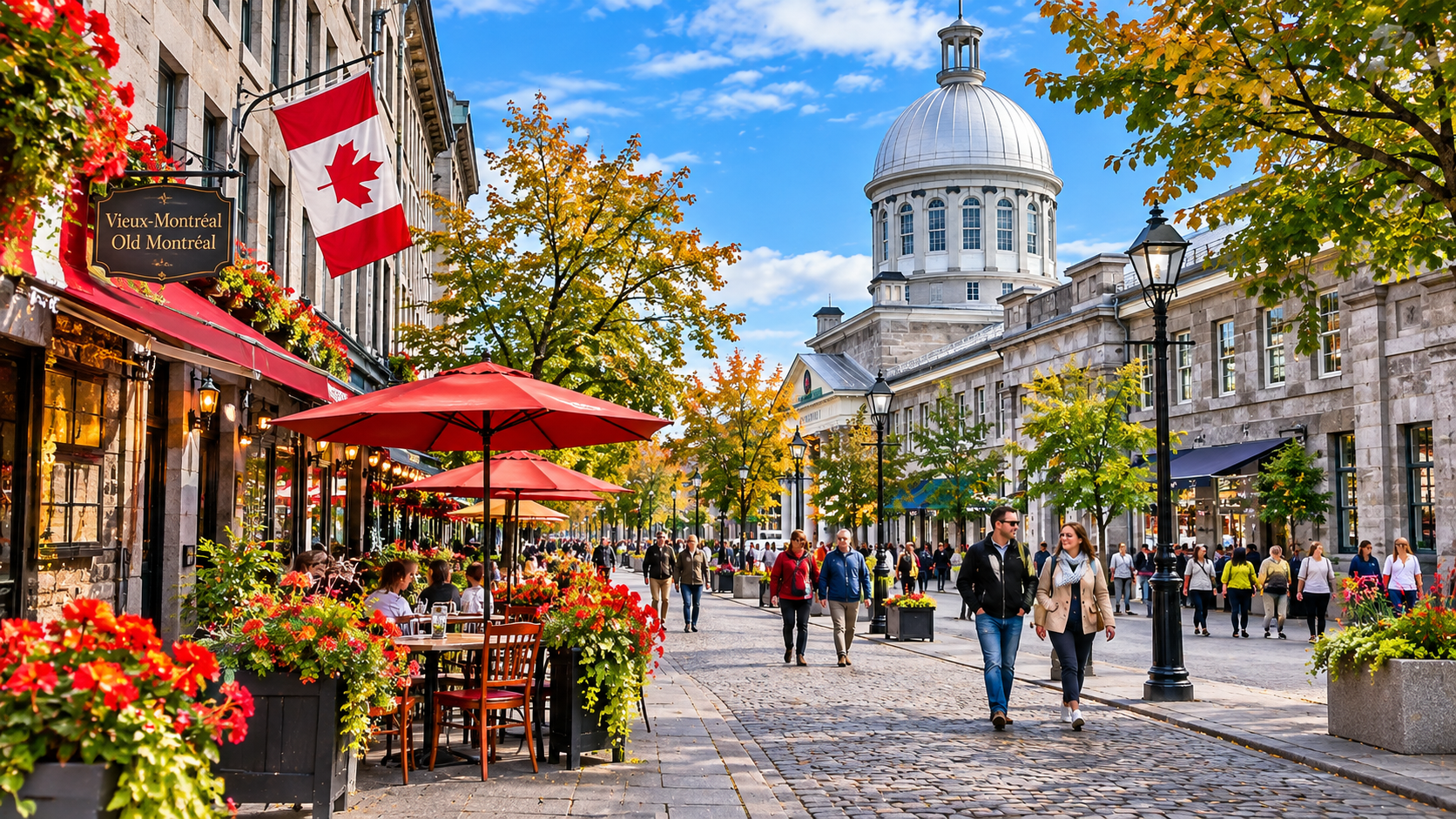
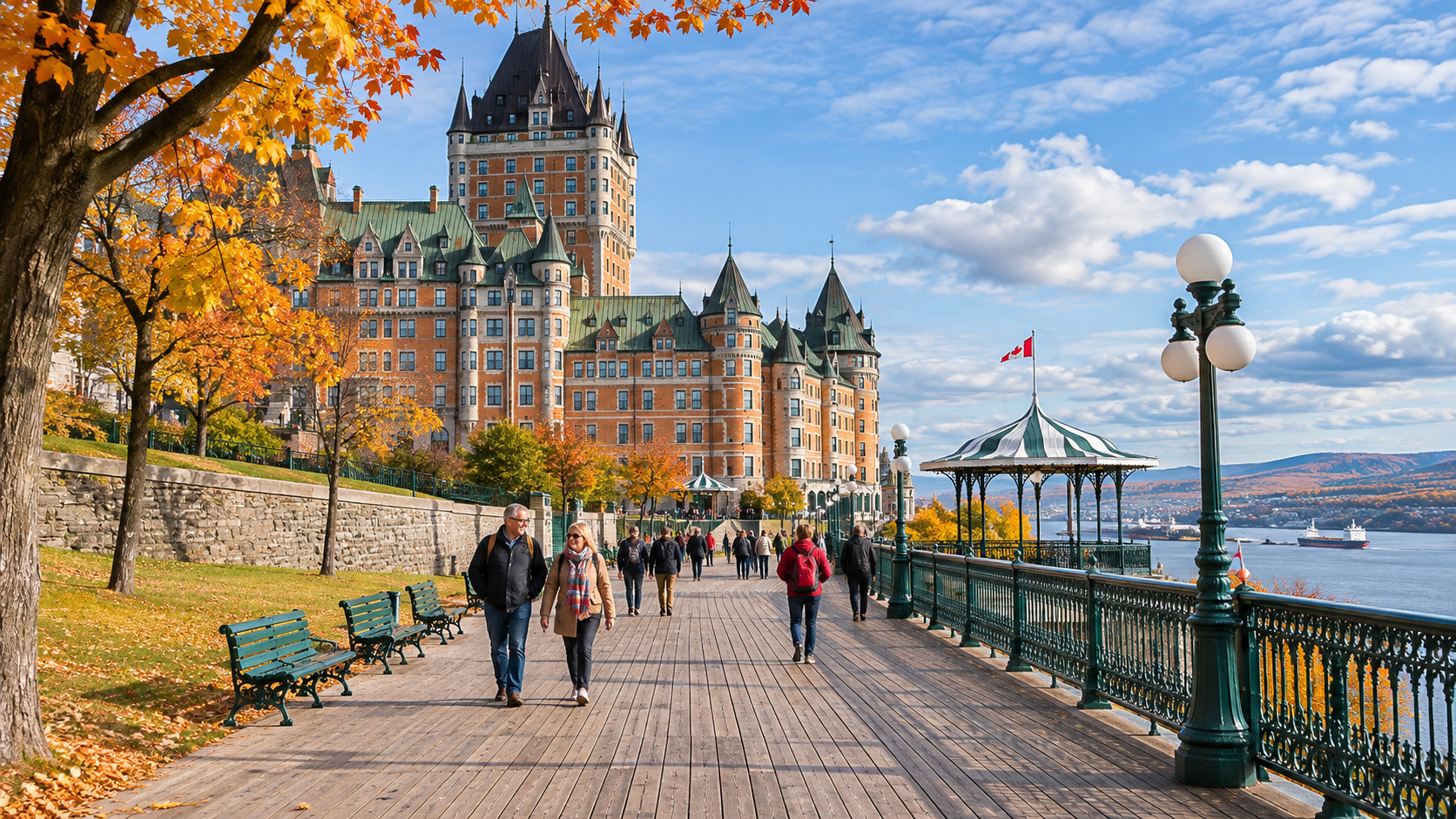
Quebec is a logical extension from Ottawa or Eastern Ontario, particularly for travelers interested in Montreal and Quebec City. It offers a distinct French-speaking cultural environment, historic architecture, and a different culinary identity.
New York, United States
Western New York is a natural continuation from Niagara Falls, with Buffalo and the American side of the falls nearby. Travelers can extend the route toward the Finger Lakes, subject to international border requirements.
Michigan, United States
Michigan connects naturally with Southwestern Ontario through the Windsor–Detroit crossing and with the Sault Ste. Marie region farther north. It is a practical onward destination for Great Lakes road trips.
Manitoba, Canada
Manitoba is a possible continuation from Northwestern Ontario for travelers undertaking a longer Trans-Canada road trip. The journey is better suited to visitors with sufficient time for extensive driving rather than those on a short vacation.