Southern California stretches from the coastal communities of Santa Barbara and Ventura through Los Angeles, Orange County, and San Diego to the mountains and deserts of the inland counties. Its landscapes include Pacific beaches, major cities, wine-growing valleys, forested mountains, and some of the most dramatic desert scenery in the American Southwest. Less a single destination and more a unified travel zone, Southern California rewards travelers who organize their itinerary around connected destinations rather than trying to experience everything in one trip. What works in coastal San Diego does not work in Death Valley, where extreme temperatures, remote roads, and limited services demand a different approach. The region offers exceptional variety for first-time visitors, but its size, traffic, and contrasting climates make careful route planning essential. Understanding how its major destinations connect will help you choose where to go, how long to stay, and which experiences deserve your time.
Understanding Southern California’s Geography and Travel Regions
What Southern California Includes
Southern California does not have one universally agreed geographic boundary. For practical travel planning, this guide covers eight counties: Los Angeles, Orange, San Diego, Riverside, San Bernardino, Ventura, Santa Barbara, and Imperial.
These counties encompass several distinct travel environments. The coastal metropolitan corridor contains most major cities, beaches, airports, and entertainment attractions. Inland, the landscape transitions through valleys and mountains into the Mojave and Colorado deserts.
Santa Barbara and Ventura form a northern coastal gateway, Los Angeles and Orange County provide the central urban corridor, and San Diego anchors the southern coastline. Riverside and San Bernardino counties contain major desert and mountain destinations, while Imperial County offers agricultural landscapes, desert environments, and access to the California–Mexico border.
Although these areas share a regional identity, they are not equally convenient to combine. A first-time visitor should think of Southern California as several connected travel zones rather than one compact destination.
Five Main Travel Zones
Los Angeles and its surroundings offer entertainment landmarks, museums, historic neighborhoods, beaches, and extensive dining opportunities. The area’s size makes neighborhood-based planning especially important.
Orange County combines theme parks, coastal communities, beach resorts, and relatively compact sightseeing areas. Anaheim, Newport Beach, Huntington Beach, and Laguna Beach serve different travel interests.
San Diego County offers beaches, waterfront neighborhoods, historic sites, museums, and a more relaxed coastal atmosphere. Its northern communities provide opportunities for longer beach-focused stays.
The Inland Empire and desert regions include Palm Springs, the Coachella Valley, Joshua Tree National Park, and the San Bernardino Mountains. These destinations generally require a vehicle and more attention to seasonal weather.
The Santa Barbara and Ventura coast combines smaller coastal cities, wine country, historic architecture, and access to Channel Islands National Park.
Choosing one or two zones is usually more rewarding than attempting to visit all five during a short vacation.
The Region’s Geographic Barriers
Southern California’s mountains, deserts, and metropolitan development strongly influence travel times.
The Transverse Ranges separate portions of the coast from inland valleys and deserts. The San Gabriel, San Bernardino, and San Jacinto mountains create significant elevation changes, while desert areas extend across large distances with fewer services.
The coastline is comparatively well connected by highways and selected rail services. Inland destinations, however, often require longer drives and cannot be explored conveniently by public transportation.
These differences explain why a coastal road trip and a desert-focused itinerary should usually be planned separately.
Major Arrival Gateways
Los Angeles International Airport (LAX) is the largest gateway for many international visitors. It is particularly useful for trips centered on Los Angeles and the surrounding coast.
San Diego International Airport (SAN) is convenient for southern coastal itineraries. John Wayne Airport (SNA) serves Orange County, while Hollywood Burbank Airport (BUR) can be useful for northern Los Angeles destinations.
Ontario International Airport (ONT) serves the Inland Empire, and Palm Springs International Airport (PSP) provides direct access to the Coachella Valley.
For travelers planning a one-way coastal journey, arriving in Los Angeles and departing from San Diego can reduce backtracking. However, flight prices and one-way rental-car charges should be compared before making that decision.
Who Should Visit Southern California?
First-Time Visitors
Southern California is especially appealing to first-time visitors who want a combination of recognizable landmarks, coastal scenery, cultural attractions, and varied dining experiences.
Los Angeles, Orange County, and San Diego provide the most straightforward introduction. These destinations offer different experiences while remaining connected by major highways and passenger rail.
A week is enough for a selective coastal itinerary, but not for an exhaustive tour of the region.
Families and Theme Park Travelers
Families can build an entire vacation around Anaheim and nearby Orange County attractions. Disneyland Resort and Disney California Adventure are major reasons to stay in the area, while coastal towns provide opportunities for beach days between more demanding activities.
Los Angeles adds Universal Studios Hollywood and museums, while San Diego offers Balboa Park, the San Diego Zoo, and waterfront recreation.
Families traveling with younger children should avoid excessive hotel changes and allow recovery time after full-day attractions.
Road Trip Enthusiasts
Southern California is particularly well suited to road trips because its landscapes change dramatically over relatively short geographic distances.
A coastal route offers beaches, urban neighborhoods, and waterfront towns. An inland route can connect Palm Springs, Joshua Tree, and desert landscapes, while mountain roads provide access to forested recreation areas.
Driving offers flexibility, but traffic and seasonal road conditions must be considered when estimating travel times.
Outdoor and Adventure Travelers
Joshua Tree, Anza-Borrego, the San Bernardino Mountains, and Channel Islands National Park provide hiking, camping, wildlife viewing, and other outdoor experiences.
These destinations require different preparation. Island trips depend on boat transportation, mountain recreation depends on elevation and weather, and desert hiking requires careful attention to heat and water availability.
Outdoor travelers should choose their season according to the most demanding environment on their itinerary.
Food and Culture Travelers
Los Angeles, Orange County, and San Diego contain extensive culinary and cultural diversity. Mexican American communities, Asian American neighborhoods, Indigenous heritage, and generations of migration have shaped the region’s identity.
Travelers interested in food and culture may prefer spending several days exploring neighborhoods rather than rushing between famous attractions.
The San Gabriel Valley, Los Angeles Koreatown, Orange County’s Little Saigon, and San Diego’s Barrio Logan are particularly worthwhile areas to consider.
Essential Southern California Travel Basics
Passports, Visas, and Entry Requirements
Southern California is part of the United States, so international visitors must follow applicable U.S. entry requirements.
Passport validity, visa requirements, and eligibility for the Visa Waiver Program depend on nationality and individual circumstances. Travelers should not assume that requirements applicable to one country automatically apply to another.
The U.S. Department of State provides official entry and visa guidance at travel.state.gov.
Visitors arriving from Mexico should also account for border procedures and potentially lengthy crossing times, particularly when returning to the United States by road.
Currency, Payments, and Tipping
The U.S. dollar is used throughout Southern California. Credit and debit cards are widely accepted, including at hotels, restaurants, major attractions, and many smaller businesses.
Carrying some cash can be useful for markets, small purchases, and occasional parking situations.
Tipping is customary for many services, particularly full-service restaurant dining. Visitors should also remember that advertised prices may exclude sales tax and that hotels may charge parking or resort fees.
Language and Communication
English is the principal language used in tourism services, while Spanish is widely spoken across the region.
Southern California also has substantial communities speaking Korean, Mandarin, Vietnamese, Tagalog, and many other languages. This linguistic diversity is especially visible in local businesses, cultural districts, and dining areas.
Mobile coverage is generally reliable in cities but can become limited in remote deserts, mountains, and national parks.
Reservations Worth Making Early
Advance reservations are especially important for popular theme parks, certain national-park campsites, island transportation, and accommodation during holidays or major events.
Some attractions use timed-entry systems, and operating arrangements can change. Check official booking requirements before finalizing the itinerary.
The official California tourism organization provides regional destination information and trip-planning resources at visitcalifornia.com.
How Long to Spend in Southern California
A three- or four-day visit is best concentrated in one destination, such as San Diego or Los Angeles.
Five to seven days allow a combination of two nearby travel areas, while ten to fourteen days provide more flexibility for a coastal road trip with an inland extension.
Even with two weeks, travelers should prioritize connected destinations rather than attempting to cover every county.
Southern California’s Major Cities and Destinations
Los Angeles: Entertainment, Museums, and Neighborhoods
Los Angeles is Southern California’s largest urban destination and one of its most diverse cultural centers.
Hollywood, Griffith Observatory, the Getty Center, Downtown Los Angeles, Santa Monica, and Venice Beach offer distinct experiences, but they are spread across a substantial metropolitan area.
Allow at least three to four days for a meaningful first visit. Travelers interested in museums, architecture, entertainment, and dining could easily spend longer.
Los Angeles works naturally with Orange County, Ventura, and Santa Barbara, but repeated day trips to San Diego or Palm Springs can become tiring.
Anaheim: Theme Parks and Family Travel
Anaheim is best known for Disneyland Resort, making it a major destination for families and theme-park enthusiasts.
Its location in Orange County also provides access to coastal communities, although the beaches are not immediately adjacent to the theme-park district.
Two or three nights can work well for a focused theme-park visit. Families planning multiple park days may benefit from staying nearby rather than commuting from Los Angeles.
Laguna Beach and Newport Beach: Coastal Orange County
Laguna Beach is known for scenic coves, coastal walking paths, art galleries, and a relatively intimate beach-town atmosphere.
Newport Beach offers harbor activities, boating, broad beaches, and waterfront dining. Nearby Huntington Beach provides a different coastal experience associated with surfing and a long beachfront.
These destinations work well as a two- or three-day coastal extension from Anaheim or Los Angeles.
San Diego: Waterfront Attractions and Coastal Neighborhoods
San Diego combines a major urban waterfront with beaches, historic districts, museums, and extensive outdoor recreation.
Balboa Park, La Jolla, Coronado, Old Town, and the Embarcadero are among the city’s principal visitor areas. Each offers a different experience, from architecture and cultural institutions to beaches and coastal scenery.
Three to four days is a comfortable starting point, although a full week is reasonable for travelers exploring North County as well.
Santa Barbara: Architecture, Beaches, and Wine Country
Santa Barbara offers Spanish Colonial Revival architecture, a scenic waterfront, walkable shopping and dining districts, and access to nearby wine-growing areas.
The city is particularly attractive to couples, food travelers, and visitors seeking a slower coastal experience.
Two or three nights allow time for the historic center, beaches, and a nearby excursion. Santa Barbara combines naturally with Ventura and the northern Los Angeles area.
Palm Springs: Desert Resorts and Modernist Design
Palm Springs is known for mid-century modern architecture, mountain views, resort accommodation, and its desert setting.
The surrounding Coachella Valley includes Palm Desert, Rancho Mirage, Indian Wells, and other communities offering golf, dining, and outdoor recreation.
Two to three nights are useful for a focused stay. Palm Springs also works as part of a Joshua Tree itinerary, particularly during cooler months.
Ventura: Harbor Life and Island Access
Ventura offers beaches, a historic downtown, and a harbor that serves as an important departure area for Channel Islands excursions.
It is generally less metropolitan than Los Angeles and can be a practical stop on a coastal road trip.
Allow one or two nights for Ventura itself, or longer if planning an island visit that depends on weather and boat schedules.
Southern California’s Most Remarkable Natural Highlights
Joshua Tree National Park
Joshua Tree National Park protects distinctive desert landscapes, including Joshua trees, granite rock formations, and environments associated with both the Mojave and Colorado deserts.
Popular activities include scenic driving, hiking, rock climbing, photography, and stargazing. The park’s wide-open landscapes make it especially appealing to travelers seeking an experience different from the coast.
At least one full day is recommended, although two days allow a more relaxed visit. Staying near Joshua Tree or Twentynine Palms can reduce repeated driving.
Summer heat can be severe, and visitors should not assume water or mobile service will be available throughout the park.
The National Park Service provides official visitor information and current conditions at nps.gov/jotr.
Channel Islands National Park
Channel Islands National Park protects five islands off the Southern California coast, with opportunities for hiking, kayaking, wildlife observation, and experiencing relatively undeveloped coastal environments.
Island excursions require advance planning because transportation depends on boat services and sea conditions. There are limited visitor facilities, and travelers must bring appropriate supplies.
A full day is generally needed for an island visit, while camping or more extensive exploration requires additional arrangements.
Ventura and the Oxnard area are practical mainland bases for many excursions.
Death Valley National Park
Death Valley National Park extends across eastern California and into Nevada, featuring salt flats, mountains, colorful geological formations, and vast desert landscapes.
Badwater Basin, Zabriskie Point, and Mesquite Flat Sand Dunes are among its notable visitor areas.
Death Valley is not a convenient short excursion from coastal Southern California. It is better planned as a dedicated desert trip, usually requiring at least one or two nights nearby.
Extreme summer temperatures can make outdoor activities dangerous, so cooler seasons are generally more appropriate for sightseeing.
Anza-Borrego Desert State Park
Anza-Borrego Desert State Park lies in eastern San Diego County and offers badlands, desert mountains, seasonal wildflowers, and extensive hiking opportunities.
Borrego Springs is the principal gateway community and provides accommodation and basic visitor services.
The park is particularly rewarding during cooler months. Wildflower displays depend on rainfall and should never be assumed to occur at the same intensity every spring.
Some remote roads require high-clearance or four-wheel-drive vehicles, making route selection important.
Big Bear Lake and the San Bernardino Mountains
Big Bear Lake and nearby mountain communities offer a contrast to Southern California’s coastal and desert environments.
Visitors can enjoy hiking, boating, mountain cabins, and seasonal snow recreation. The surrounding forests and higher elevations create cooler conditions than the inland valleys.
Two or three days work well for a mountain escape from Los Angeles or Orange County.
Winter travelers must monitor road restrictions and be prepared for snow or ice.
The Beaches and Coastal Landscapes
Southern California’s coastline offers considerable variety.
La Jolla combines cliffs, coves, and marine wildlife viewing. Laguna Beach is known for small beaches and scenic viewpoints, while Coronado offers broad sandy beaches.
Santa Monica and Venice provide more urban beachfront experiences, and Santa Barbara offers a combination of coastal scenery and nearby mountain views.
Visitors should choose beaches according to their interests rather than assuming all coastal destinations offer the same atmosphere.
Southern California’s Cultural and Historic Must-Sees
Historic Missions and Early California
Southern California’s historic missions, presidios, and settlements reveal important chapters in the region’s Spanish colonial and Mexican history.
Mission San Juan Capistrano, Mission San Diego de Alcalá, and Old Mission Santa Barbara are notable places to explore architecture, religious history, and the development of colonial settlements.
However, mission history must also be understood through the experiences of Indigenous communities. The mission system involved forced labor, displacement, disease, and profound cultural disruption.
Visitors interested in a fuller understanding should seek interpretation that includes Indigenous perspectives rather than focusing exclusively on historic buildings.
Los Angeles Museums and Architecture
Los Angeles contains major cultural institutions, including the Getty Center, Los Angeles County Museum of Art, The Broad, and the Natural History Museum of Los Angeles County.
The city’s architecture ranges from historic theaters and Art Deco buildings to modern concert halls and mid-century residences. Downtown Los Angeles, Hollywood, and neighborhoods around Wilshire Boulevard offer particularly varied architectural experiences.
Museum-focused travelers should organize visits by location. Trying to visit institutions on opposite sides of the city in one day can result in more time spent traveling than exploring.
San Diego’s Balboa Park and Old Town
Balboa Park is one of Southern California’s most important cultural districts, with museums, gardens, performing arts venues, and architecture associated with the Panama–California Exposition.
Old Town San Diego State Historic Park offers insight into the city’s earlier settlement history through historic structures, exhibits, and reconstructed environments.
Both areas reward unhurried visits. Balboa Park can easily occupy a full day, especially for travelers interested in several museums.
Indigenous Heritage and Living Communities
Southern California is home to many Indigenous peoples, including Chumash, Tongva, Acjachemen, Kumeyaay, Cahuilla, Luiseño, and Serrano communities, among others.
Their histories, languages, traditions, and contemporary cultural contributions are essential to understanding the region.
Tribal museums, cultural centers, community events, and Indigenous-led experiences can provide meaningful opportunities to learn directly from these communities.
Historic Coastal Communities
Santa Barbara, San Juan Capistrano, and Old Town San Diego provide different perspectives on Southern California’s development.
Santa Barbara is known for its Spanish Colonial Revival architectural identity, while San Juan Capistrano retains important historic structures and a distinctive town center.
These destinations combine cultural sightseeing with restaurants, shopping, and walkable streets, making them particularly suitable for travelers who prefer historic settings to large metropolitan attractions.
California State Parks maintains information about protected historic and cultural destinations at parks.ca.gov.
Where to Go in Southern California Based on Your Interests
For a Classic Coastal Road Trip
The most accessible regional road trip follows Southern California’s Pacific coastline, connecting Santa Barbara, Los Angeles, Orange County, and San Diego.
This route offers an appealing balance of beaches, museums, restaurants, historic districts, and urban attractions. It is especially suitable for first-time visitors who want to experience several sides of Southern California without traveling deep into the desert.
Seven to ten days allow a selective journey, although travelers with only five days should concentrate on two or three connected areas.
The main tradeoff is time spent moving between destinations. A coastal itinerary becomes less relaxing when every day involves a long drive and another hotel check-in.
For Beaches and Relaxation
Laguna Beach, Coronado, La Jolla, Santa Barbara, and Newport Beach are among the region’s most appealing coastal destinations.
Laguna Beach suits travelers interested in scenic coves, galleries, and coastal walks. Coronado offers broad beaches and a resort atmosphere, while La Jolla combines coastal scenery with marine wildlife viewing.
Newport Beach is particularly attractive for harbor activities and waterfront dining. Santa Barbara offers beaches alongside historic architecture and access to wine country.
For a relaxing vacation, choose one coastal area and stay at least three nights rather than moving between several beach towns.
For National Parks and Desert Adventures
Joshua Tree National Park, Anza-Borrego Desert State Park, and Death Valley National Park offer distinct desert experiences.
Joshua Tree is particularly appealing for rock formations, photography, hiking, and stargazing. Anza-Borrego provides expansive landscapes, desert wildlife, and seasonal wildflowers.
Death Valley requires more travel time and is better suited to a dedicated desert itinerary.
These destinations are generally most comfortable during cooler months. A vehicle is essential for reaching many viewpoints and trailheads, and travelers must account for limited services.
For Theme Parks and Family Attractions
Anaheim is the natural starting point for a theme-park-focused vacation because of Disneyland Resort and Disney California Adventure.
Universal Studios Hollywood adds another major attraction in the Los Angeles area, while San Diego provides family-friendly museums, waterfront parks, and the San Diego Zoo.
Families should consider the physical demands of full-day attractions. Spending consecutive days at major theme parks can be tiring, particularly for younger children.
A practical itinerary alternates intensive attraction days with beaches, parks, or shorter sightseeing activities.
For Food and Cultural Exploration
Los Angeles and Orange County are particularly rewarding for travelers who enjoy exploring cultural neighborhoods through food.
The San Gabriel Valley offers extensive Chinese and Taiwanese dining opportunities. Los Angeles Koreatown is known for Korean restaurants, cafés, and nightlife, while Little Saigon in Orange County is a major center of Vietnamese American culture.
San Diego adds Mexican American food traditions, coastal dining, and neighborhood food scenes.
A food-focused itinerary works best when visitors spend time within specific communities rather than driving long distances for individual restaurants.
For Wine Country and Smaller Towns
Santa Barbara County’s Santa Ynez Valley, Los Olivos, and surrounding communities provide opportunities for wine tasting, countryside drives, and small-town exploration.
Temecula Valley in Riverside County offers another wine-growing destination, particularly convenient for travelers visiting San Diego or the Inland Empire.
Santa Barbara wine country is a natural extension of a northern coastal itinerary, while Temecula fits better into a San Diego or inland route.
Allow at least one full day for wine-country exploration, with an overnight stay preferable for travelers seeking a relaxed experience.
Discover Southern California
Attractions, experiences & unforgettable things to do.
Explore Things to Do →Southern California Food and Drink Experiences
Mexican and Mexican American Cuisine
Mexican and Mexican American food traditions are fundamental to Southern California’s culinary identity.
Los Angeles is known for tacos, regional Mexican specialties, and street-food culture. Neighborhoods such as Boyle Heights and East Los Angeles offer longstanding restaurants and food businesses connected to local communities.
San Diego has its own recognizable taco and burrito traditions, including the California burrito and extensive seafood taco offerings.
Travelers should explore neighborhood restaurants rather than assuming one famous establishment represents the region’s culinary diversity.
Asian American Food Communities
The San Gabriel Valley is an important destination for Chinese and Taiwanese cuisines, with Monterey Park, Alhambra, and San Gabriel offering numerous dining options.
Los Angeles Koreatown provides Korean barbecue, soups, noodles, cafés, and late-night restaurants.
Orange County’s Little Saigon, centered around Westminster and Garden Grove, is particularly significant for Vietnamese American cuisine. Visitors can explore pho restaurants, bakeries, markets, and other food businesses.
These communities are worth visiting for their broader cultural environments as well as their restaurants.
Seafood and Coastal Dining
Southern California’s coastal cities provide seafood restaurants, fish markets, and waterfront dining experiences.
Santa Barbara is associated with seafood including sea urchin, while San Diego offers fish tacos and a variety of coastal restaurants.
Ventura Harbor, Newport Beach, and other waterfront communities provide additional dining options.
Not every seafood restaurant serves locally caught products, so travelers interested in regional fisheries should check menus and sourcing information.
Wine Regions and Craft Beer
Santa Barbara County is one of Southern California’s established wine destinations, with the Santa Ynez Valley and nearby communities offering tasting rooms and vineyard experiences.
Temecula Valley provides another wine-country option with a different inland setting.
San Diego is also known for its craft beer industry, with breweries located throughout the city and surrounding communities.
Visitors planning alcohol-focused activities should arrange suitable transportation rather than relying on driving between multiple tasting locations.
Farmers Markets and Local Produce
Farmers markets offer an accessible way to experience Southern California’s agricultural diversity.
The Santa Monica farmers markets, Hollywood Farmers’ Market, and Little Italy Mercato in San Diego are among the region’s recognizable market experiences.
Seasonal produce, prepared foods, baked goods, and local vendors can make these markets worthwhile additions to a city itinerary.
Operating days and hours vary, so check schedules before planning a visit.
How to Travel Around Southern California
Driving Between Major Destinations
A rental car offers the greatest flexibility for visitors exploring multiple counties, national parks, mountain communities, and less-connected coastal areas.
Interstate 5 is the principal north–south corridor connecting Los Angeles, Orange County, and San Diego. U.S. Highway 101 serves Ventura and Santa Barbara, while Interstate 10 connects Los Angeles with the Palm Springs area.
Approximate driving times under reasonably favorable conditions include:
- Los Angeles to Anaheim: 45–90 minutes.
- Los Angeles to San Diego: 2–3.5 hours.
- Los Angeles to Santa Barbara: 1.5–3 hours.
- Los Angeles to Palm Springs: 2–3 hours.
- San Diego to Palm Springs: 2–3 hours.
- Palm Springs to the Joshua Tree area: 45–90 minutes.
These are planning estimates rather than guaranteed travel times. Congestion, roadwork, holiday traffic, and weather can substantially extend journeys.
Coastal Rail Travel
The Amtrak Pacific Surfliner provides one of Southern California’s most useful alternatives to driving.
Its route connects San Diego, Orange County, Los Angeles, Ventura, Santa Barbara, and destinations farther north. Stations in places such as Oceanside, San Juan Capistrano, Anaheim, and Santa Barbara make rail travel practical for selected coastal itineraries.
The train is especially useful for travelers who want to avoid highway traffic between major destinations. However, local transportation may still be needed between stations, hotels, beaches, and attractions.
The official Pacific Surfliner destination guide at pacificsurfliner.com identifies the cities and stations served along the corridor.
Public Transportation in Major Cities
Los Angeles has an extensive bus network and a growing rail system, but attractions remain spread across a large metropolitan area.
San Diego’s trolley and bus services connect several major districts, while regional commuter rail provides additional connections in parts of Southern California.
Public transportation works best when accommodation and attractions are located near useful routes.
Travelers should not assume that a rail station near a destination guarantees convenient access to every nearby attraction.
Reaching Desert and Mountain Destinations
Joshua Tree, Anza-Borrego, Death Valley, Big Bear, and Lake Arrowhead are generally easier to explore with a vehicle.
Public transportation options are limited for many scenic viewpoints, trailheads, and remote recreation areas.
Desert travel requires additional preparation, including fuel planning, drinking water, offline navigation, and awareness of seasonal temperatures.
Mountain driving introduces different challenges, including steep roads, snow, ice, and possible chain restrictions during winter.
Flights Within Southern California
Flying between nearby Southern California cities is rarely necessary for ordinary regional itineraries.
A flight between Los Angeles and San Diego, for example, often offers limited practical advantage once airport transfers, security procedures, and waiting times are considered.
Regional flights may make sense when Southern California is part of a much larger journey, but driving or rail is generally more appropriate for the main coastal corridor.
Ferries and Channel Islands Transportation
Channel Islands National Park is one of the few Southern California destinations where boat transportation is central to the travel experience.
Visitors generally depart from Ventura or Channel Islands Harbor, depending on the island and service.
Boat schedules, sea conditions, and island access arrangements can affect the itinerary. Travelers should reserve transportation in advance and avoid planning an island excursion immediately before a tightly scheduled flight.
Where to Base Yourself in Southern California
Los Angeles: Choose Your Neighborhood Carefully
Los Angeles is too large for one neighborhood to provide convenient access to every major attraction.
Santa Monica is appealing for beach-oriented visitors, while Hollywood and nearby areas can work well for entertainment-focused sightseeing.
Downtown Los Angeles provides access to cultural institutions, historic architecture, and public transportation connections.
Three to five nights is a reasonable starting point, but accommodation should be selected according to the attractions you intend to visit most often.
Anaheim: Best for Theme Park Visits
Anaheim is the most practical base for travelers whose main priority is Disneyland Resort.
Staying near the parks can reduce commuting time and make it easier to return to the hotel during the day.
Visitors who prefer beaches and coastal dining may be happier staying in Newport Beach, Huntington Beach, or Laguna Beach instead.
The choice depends on whether the vacation centers on theme parks or the coast.
San Diego: Urban Waterfront or Coastal Neighborhoods
Downtown San Diego works well for travelers interested in the Embarcadero, Gaslamp Quarter, and waterfront attractions.
Mission Bay is attractive for family recreation and waterside activities, while La Jolla provides a coastal setting with beaches, restaurants, and scenic viewpoints.
Coronado offers a different resort atmosphere across the bay from downtown.
Three or four nights provide a comfortable introduction, although travelers exploring North County may benefit from a longer stay.
Palm Springs: Desert Comfort and Access
Palm Springs offers resorts, restaurants, architecture, and access to the Coachella Valley.
It is a practical base for visitors interested in relaxation, desert scenery, and selected day trips.
However, travelers planning extensive exploration of Joshua Tree National Park may prefer staying closer to the park entrances.
A two- or three-night stay works well for a focused desert visit.
Santa Barbara and Ventura: Northern Coastal Bases
Santa Barbara is a strong choice for travelers seeking historic architecture, restaurants, beaches, and wine-country excursions.
Ventura is particularly useful for visitors planning Channel Islands trips and offers its own coastal attractions.
Both destinations are better treated as bases for the northern coastline rather than for repeated excursions into Los Angeles or San Diego.
Choosing Between One Base and Multiple Hotels
For a short vacation, staying in one city and exploring nearby areas is usually the simplest option.
For a seven- to ten-day coastal road trip, two or three bases can reduce long return drives.
For itineraries combining the coast with Joshua Tree or Palm Springs, an inland overnight stay is generally preferable to repeatedly commuting from a coastal hotel.
The goal is not to minimize hotel changes at all costs, but to make each change worthwhile.
Southern California Travel Budget Tracker
Southern California is generally a relatively expensive U.S. travel region, particularly in popular coastal communities, major resort areas, and during peak holiday periods.
Accommodation, transportation, parking, theme-park admission, and restaurant spending often account for the largest expenses.
Costs also vary significantly between destinations. A beachfront hotel in Laguna Beach may cost considerably more than accommodation in an inland community, while remote desert trips can involve additional fuel and transportation expenses.
Budget Travel: Approximately $100–$170 Per Day
Budget travelers can reduce expenses by choosing modest accommodation, eating at casual restaurants, and prioritizing beaches, parks, and other low-cost activities.
Public transportation can help in selected urban areas, but travelers should calculate the full cost of reaching attractions before choosing accommodation far from the main sightseeing areas.
Sharing hotel rooms and rental-car expenses can make a substantial difference.
Mid-Range Travel: Approximately $180–$320 Per Day
Mid-range travelers can generally plan for comfortable accommodation, a combination of casual and sit-down restaurants, and several paid attractions.
Rental cars may be worthwhile for multi-destination itineraries, although parking fees can increase the total cost.
Staying near the attractions you intend to visit can provide better overall value than choosing a cheaper hotel that requires extensive daily driving.
Higher-End Travel: Approximately $350–$650+ Per Day
Higher-end travelers can expect significantly greater spending on coastal resorts, upscale hotels, fine dining, private activities, and premium experiences.
Santa Monica, Laguna Beach, La Jolla, and Santa Barbara are among the areas where desirable accommodation can command substantial premiums.
Palm Springs and the Coachella Valley also offer luxury resorts, with prices varying according to season and local events.
Major Expenses to Plan For
Accommodation: Coastal and resort destinations are often more expensive than inland communities. Holiday weekends and major events can increase rates.
Transportation: Rental cars, fuel, parking, and insurance can represent substantial expenses, particularly on longer road trips.
Attractions: Theme parks, guided experiences, museums, and certain outdoor activities may require separate admission or reservation fees.
Food: Casual dining provides opportunities to control spending, while upscale restaurants and resort dining can increase daily costs considerably.
National parks: Entrance fees and camping charges vary by location, and some activities require additional reservations.
Seasonality: Summer coastal vacations, winter desert resort stays, and major holiday periods may involve higher accommodation prices.
The daily ranges above are broad planning estimates per person, assuming two travelers share accommodation. They exclude flights to California, major theme-park tickets, and unusually expensive activities. Actual prices should be checked before booking.
How Route Choices Affect Your Budget
A compact coastal itinerary using two accommodation bases can be more economical than a trip involving several distant regions.
Adding Death Valley, Joshua Tree, or mountain destinations increases driving and may require additional overnight stays.
Travelers seeking better value should prioritize destinations that naturally connect, limit unnecessary hotel changes, and compare total transportation expenses rather than looking only at room rates.
Best Southern California Sub-Regions to Choose
Los Angeles and Orange County: First-Time Highlights
Los Angeles and Orange County create one of the strongest combinations for a first Southern California vacation.
Los Angeles provides museums, entertainment, cultural neighborhoods, and urban beaches. Orange County adds theme parks, coastal towns, and a somewhat more concentrated collection of beach destinations.
Five to seven days allow visitors to experience several major attractions without attempting to cover the entire region.
This combination is especially suitable for first-time visitors, families, and travelers who want both city experiences and beach time.
A rental car offers flexibility, although selected rail connections can help with transportation between cities.
San Diego and North County: Coastal Exploration
San Diego County forms a coherent travel area stretching from the city’s central waterfront north through La Jolla, Del Mar, Encinitas, Carlsbad, and Oceanside.
These communities offer beaches, coastal walks, restaurants, museums, and a relaxed atmosphere.
Five to seven days provide enough time for a combination of city sightseeing and beach-focused exploration.
Visitors can remain in one main base or divide their stay between central San Diego and a North County coastal community.
This sub-region is particularly attractive for families, couples, surfers, and travelers seeking a slower vacation.
Palm Springs and Joshua Tree: Desert Landscapes
Palm Springs and Joshua Tree form a logical combination for visitors interested in desert scenery, architecture, hiking, and relaxation.
Palm Springs provides accommodation, restaurants, and resort amenities, while Joshua Tree offers a more remote natural environment.
Three to five days allow a comfortable introduction, with additional time useful for visitors planning longer hikes or nearby excursions.
This route is generally more appealing during cooler months, when outdoor activities are less affected by extreme heat.
Travelers should avoid assuming that Palm Springs and Joshua Tree offer identical experiences or conditions.
Anza-Borrego and Eastern San Diego County: Remote Desert Travel
Anza-Borrego Desert State Park and the surrounding desert communities provide a quieter alternative to some of Southern California’s more heavily visited destinations.
Borrego Springs is the main gateway for exploring the park’s landscapes, hiking routes, and scenic areas.
Three or four days can work well for a focused visit, particularly for photographers, hikers, and travelers interested in desert wildlife.
Some remote roads require specialized vehicles, and conditions can change seasonally.
California State Parks provides current access information, visitor services, and restrictions for Anza-Borrego at parks.ca.gov.
Santa Barbara and Ventura: Coast and Wine Country
Santa Barbara and Ventura provide a more relaxed coastal travel environment than the Los Angeles metropolitan area.
Santa Barbara offers architecture, beaches, restaurants, and nearby wine country. Ventura adds harbor activities, coastal neighborhoods, and access to the Channel Islands.
Three to five days are appropriate for travelers who want a combination of coastal exploration and slower-paced sightseeing.
This area works particularly well as a northern extension of a Southern California road trip.
San Bernardino Mountains: Lakes and Mountain Recreation
Big Bear Lake, Lake Arrowhead, and surrounding communities provide a forested mountain environment that contrasts with Southern California’s coast and deserts.
Visitors can enjoy hiking, boating, cabin stays, and seasonal winter recreation.
Two to four days are suitable for a focused mountain vacation.
The region is most practical as an extension from Los Angeles, Orange County, or the Inland Empire rather than as a stop on a tightly scheduled coastal route.
Winter road conditions require particular attention.
Realistic Southern California Travel Itineraries
Southern California itineraries should be organized around geography rather than the number of famous attractions.
A practical route limits backtracking, avoids excessive hotel changes, and allows enough time to experience each destination.
The following itineraries are designed as separate options. Travelers should choose the route that best matches their interests, available time, and season.
Five-Day Los Angeles and Orange County Introduction
This itinerary is suitable for first-time visitors who want entertainment, culture, theme parks, and beaches without covering excessive distances.
Day 1: Los Angeles Arrival and Neighborhood Exploration
Arrive in Los Angeles and settle into accommodation near your main sightseeing interests. Spend the afternoon exploring a nearby neighborhood, enjoying a relaxed meal, and adjusting to the journey.
Avoid planning several distant attractions immediately after arrival.
Day 2: Los Angeles Museums and Landmarks
Choose a combination of cultural attractions such as Griffith Observatory, the Getty Center, or museums in central Los Angeles.
Organize the day geographically to reduce time spent in traffic.
Day 3: Anaheim and Theme Parks
Travel to Anaheim for a theme-park day or explore other Orange County attractions.
Families visiting Disneyland should dedicate enough time to the experience rather than treating it as a brief stop.
Day 4: Orange County Beaches
Explore Laguna Beach, Newport Beach, or Huntington Beach.
Choose one or two coastal communities and allow time for walking, dining, and relaxing by the ocean.
Day 5: Coastal Morning and Departure
Enjoy a final beach walk or relaxed breakfast before departure.
If flying from Los Angeles, allow substantial time for the return journey, particularly during periods of heavy traffic.
Seven-Day Southern California Coastal Road Trip
This itinerary connects Santa Barbara, Los Angeles, Orange County, and San Diego in a generally north-to-south progression.
It is best suited to travelers comfortable with several accommodation changes.
Day 1: Santa Barbara Waterfront and Historic Center
Begin in Santa Barbara, exploring the waterfront, historic architecture, and downtown restaurants.
Spend the night locally to enjoy the city without rushing.
Day 2: Travel to Los Angeles
Continue south toward Los Angeles, stopping in coastal communities where practical.
Spend the afternoon exploring one neighborhood or attraction.
Day 3: Los Angeles Culture and Entertainment
Dedicate a full day to museums, entertainment landmarks, or coastal sightseeing.
Avoid attempting to cross the city repeatedly.
Day 4: Orange County Coast
Travel south to Laguna Beach or Newport Beach.
Enjoy coastal viewpoints, beaches, and waterfront dining before continuing toward San Diego or spending the night in Orange County.
Day 5: San Diego Historic Districts
Explore Balboa Park, Old Town, or the downtown waterfront.
Choose activities according to your interests rather than attempting to visit every major attraction.
Day 6: La Jolla and Coastal San Diego
Spend the day exploring La Jolla’s coastal scenery and nearby beaches.
Allow time for walking, viewpoints, and a relaxed meal.
Day 7: Coronado and Departure
Visit Coronado or enjoy a final waterfront morning before departing from San Diego.
Travelers seeking a slower pace should eliminate Santa Barbara and divide the week between Los Angeles and San Diego.
Seven-Day Palm Springs and Desert Adventure
This route is best suited to cooler months and travelers interested in desert scenery, hiking, and photography.
Day 1: Palm Springs Arrival
Arrive in Palm Springs and explore its downtown, architecture, and resort atmosphere.
Keep the first day relaxed.
Day 2: Coachella Valley Exploration
Visit nearby communities, enjoy a scenic excursion, or explore Palm Springs’ architectural heritage.
Allow time for restaurants and relaxation.
Day 3: Travel to Joshua Tree
Drive toward Joshua Tree National Park and explore accessible scenic areas.
Stay near the park to reduce repeated driving.
Day 4: Joshua Tree Hiking and Landscapes
Dedicate a full day to selected trails, viewpoints, and rock formations.
Choose activities appropriate for current temperatures and your hiking experience.
Day 5: Travel to Anza-Borrego
Continue toward Borrego Springs and Anza-Borrego Desert State Park.
Allow enough time for the journey and avoid remote-road detours late in the day.
Day 6: Anza-Borrego Desert Exploration
Explore accessible desert landscapes, scenic viewpoints, and suitable hiking areas.
Some remote routes require specialized vehicles, so select roads according to current conditions.
Day 7: Return or Continue to San Diego
Return toward your departure airport or continue southwest to San Diego.
Travelers extending their vacation can add several coastal days rather than rushing through the city.
Ten-Day Southern California Coast and Desert Journey
This itinerary combines major coastal destinations with a focused inland extension.
Day 1: Arrive in Los Angeles
Settle into accommodation and explore a nearby neighborhood.
Day 2: Los Angeles Cultural Highlights
Visit museums, Griffith Observatory, or other attractions that match your interests.
Day 3: Los Angeles Coastal Experiences
Explore Santa Monica, Venice Beach, or another coastal area.
Day 4: Orange County Beaches
Travel south to Laguna Beach or Newport Beach, enjoying coastal scenery and dining.
Day 5: Anaheim or Additional Orange County Exploration
Choose a theme-park day or continue exploring Orange County’s coastal communities.
Day 6: Travel to San Diego
Continue south and spend the afternoon around the waterfront or historic districts.
Day 7: San Diego and La Jolla
Explore Balboa Park, La Jolla, or Coronado according to your priorities.
Day 8: Travel to Palm Springs
Drive inland toward Palm Springs and enjoy the change in landscape.
Spend the afternoon exploring the city or relaxing at your accommodation.
Day 9: Joshua Tree National Park
Dedicate a full day to Joshua Tree’s scenic areas and selected hikes.
Return to accommodation near Palm Springs or Joshua Tree.
Day 10: Departure
Depart from Palm Springs or another suitable airport, allowing enough time for any necessary return drive.
This route is most practical when travelers can use different arrival and departure airports. Returning to Los Angeles adds substantial driving and should be accounted for in the schedule.
Fourteen-Day Southern California Exploration
Two weeks provide enough time to experience several connected regions without making every day a travel day.
A practical allocation is:
- Days 1–3: Los Angeles and surrounding attractions.
- Days 4–5: Orange County beaches or theme parks.
- Days 6–9: San Diego and North County coastal communities.
- Days 10–11: Palm Springs and the Coachella Valley.
- Days 12–13: Joshua Tree National Park and nearby desert communities.
- Day 14: Departure from an appropriate airport.
This itinerary provides a combination of urban sightseeing, coastal recreation, and desert landscapes.
Travelers particularly interested in Santa Barbara or Ventura should consider replacing part of the inland extension rather than adding several more destinations.
Even with fourteen days, Southern California is better experienced selectively than exhaustively.
Best Time to Visit Southern California
Southern California can be visited throughout the year, but the ideal season depends heavily on the destinations included in the itinerary.
Coastal areas generally experience more moderate temperatures than inland valleys and deserts, while mountain communities have colder winters and may receive snow.
Travelers combining several environments should plan around the most weather-sensitive destination rather than assuming the entire region shares similar conditions.
Spring: March to May
Spring is one of the most versatile seasons for Southern California travel.
Coastal sightseeing is generally comfortable, desert destinations may offer favorable hiking conditions, and the mountains begin transitioning from winter conditions.
Joshua Tree and Anza-Borrego can be particularly appealing during spring, although temperatures and rainfall patterns vary.
Wildflower displays may occur in desert and coastal areas, but their timing and intensity depend on seasonal precipitation.
Spring works especially well for itineraries combining Los Angeles, San Diego, Palm Springs, and Joshua Tree.
Summer: June to August
Summer is popular for beaches, theme parks, and family vacations.
Santa Barbara, Orange County, and San Diego offer coastal environments that are generally more moderate than inland areas, although morning marine clouds can affect conditions.
Summer is also a busy travel period, particularly during school vacations and major holidays.
Inland valleys and deserts can become extremely hot. Death Valley and Joshua Tree require particular caution, and exposed hiking may be unsafe during periods of extreme heat.
The National Park Service provides official seasonal safety guidance and visitor information for Death Valley at nps.gov/deva.
Travelers visiting during summer should prioritize coastal activities, higher-elevation destinations, and appropriately timed outdoor excursions.
Fall: September to November
Fall is another excellent season for exploring Southern California.
Coastal communities often remain warm, while desert temperatures gradually become more manageable.
September and October can still be hot in inland areas, so desert activities should be planned around actual forecasts.
Fall is particularly suitable for travelers combining beach destinations with Palm Springs or Joshua Tree.
Crowd levels and accommodation prices vary by location, especially during festivals, major events, and holiday periods.
Winter: December to February
Winter creates some of Southern California’s strongest geographic contrasts.
Coastal cities often experience relatively mild conditions, while the San Bernardino Mountains may receive snow.
Palm Springs, Joshua Tree, and other desert destinations become attractive for hiking and outdoor exploration, although nighttime temperatures can be cold.
Mountain visitors should prepare for possible snow, ice, and driving restrictions.
Winter can be an excellent time for a desert-focused itinerary, but it is less predictable for travelers planning extensive mountain driving.
Choosing the Best Season for Your Route
For a coastal vacation, late spring through early fall generally offers appealing conditions, although beaches and urban attractions remain accessible throughout much of the year.
For desert hiking, late fall through spring is usually more appropriate.
For mountain snow recreation, winter conditions are necessary, but snowfall and road access vary.
Travelers should check forecasts and weather advisories through the National Weather Service at weather.gov before undertaking outdoor or remote-area travel.
Common Southern California Travel Mistakes
Trying to Visit Too Many Destinations
Southern California covers a large geographic area, and its attractions are not concentrated in one location.
Attempting to visit Santa Barbara, Los Angeles, San Diego, Palm Springs, Joshua Tree, and Death Valley during a short vacation creates excessive driving.
A better approach is to select two or three connected destinations and allow enough time to experience each.
Underestimating Los Angeles Traffic
Los Angeles traffic can significantly affect travel plans, particularly during weekday commuting periods.
Attractions that appear relatively close on a map may require substantial driving time.
Organizing sightseeing by neighborhood is usually more efficient than repeatedly crossing the metropolitan area.
Choosing Accommodation Based Only on Price
A less expensive hotel may create additional transportation costs if it is far from the main attractions.
Parking fees, fuel, rideshare expenses, and time spent commuting should be considered alongside nightly room rates.
The best accommodation location depends on the purpose of the trip, not simply the lowest advertised price.
Treating Desert Parks Like Urban Attractions
Joshua Tree, Anza-Borrego, and Death Valley require different preparation from beaches and cities.
Visitors should not assume that drinking water, fuel, cellular coverage, or emergency services will be readily available in remote areas.
Desert activities should be planned around weather conditions, available daylight, and the capabilities of the vehicle.
Assuming Every Beach Offers the Same Experience
Southern California beaches vary considerably.
Santa Monica provides an urban beachfront atmosphere, while Laguna Beach offers scenic coves and coastal walks.
Coronado is known for broad sandy beaches, while La Jolla combines cliffs, coves, and marine wildlife viewing.
Choosing the right beach community can make a substantial difference to the overall vacation experience.
Overlooking Parking and Transportation Costs
Parking charges can be significant at hotels, beaches, theme parks, and urban attractions.
Travelers should compare total transportation costs before deciding whether to rent a car for the entire vacation.
In some coastal corridors, combining rail travel with local transportation may be more practical.
Ignoring Seasonal Climate Differences
A summer beach vacation and a summer desert hiking trip require very different planning.
Coastal temperatures may be comfortable while inland deserts experience extreme heat.
Mountain destinations can also have weather conditions that differ sharply from nearby cities.
The season should be chosen according to the most demanding portion of the itinerary.
Changing Hotels Too Frequently
Frequent hotel changes can reduce the time available for sightseeing.
Checking out, loading luggage, driving, parking, and checking in again all consume valuable hours.
For most visitors, two or three strategically selected bases provide a better experience than changing accommodation every night.
What to Pack and Prepare for Southern California
Coastal and Urban Travel
For Los Angeles, Orange County, Santa Barbara, and San Diego, lightweight clothing, comfortable walking shoes, sunglasses, and sun protection are useful throughout much of the year.
Even during warmer months, coastal evenings can be cool, particularly when wind or marine clouds are present.
A light jacket or sweater is a practical addition.
Visitors planning extensive city sightseeing should prioritize comfortable footwear because museums, neighborhoods, and attractions often involve substantial walking.
Desert Travel Preparation
Desert destinations require more deliberate preparation.
Carry adequate drinking water, sun protection, appropriate footwear, and navigation resources that work without mobile service.
Temperatures can change significantly between day and night, so clothing layers are important.
Visitors planning hikes should research trail conditions, difficulty, distance, and available facilities before departure.
Remote desert driving may require additional fuel planning and emergency supplies.
Mountain Travel Preparation
Big Bear, Lake Arrowhead, and other mountain communities experience colder conditions than the coastal metropolitan areas.
Winter visitors may need insulated clothing, waterproof footwear, and vehicle equipment required by current road restrictions.
Snow and ice can affect driving conditions even when nearby lowland cities are experiencing mild weather.
Mountain trips should include flexibility in case storms or road closures affect access.
Beach and Water Activities
Beach travelers should pack swimwear, sun protection, and footwear suitable for sand or rocky coastal areas.
Ocean temperatures can remain cool even during warm weather.
Visitors planning kayaking, surfing, snorkeling, or other water activities should check local conditions and choose experiences appropriate for their abilities.
Marine wildlife should be observed from a respectful distance, and posted beach restrictions should be followed.
Driving and Navigation
A vehicle is particularly useful for desert, mountain, and multi-county itineraries.
Before departure, confirm rental-car terms, insurance coverage, parking arrangements, and any restrictions affecting planned routes.
Download offline maps for remote destinations, especially national parks and desert highways.
Allow extra time for traffic around Los Angeles and Orange County.
Reservations and Travel Documents
International visitors should confirm passport and entry requirements before departure.
Travelers should also verify accommodation reservations, attraction admission requirements, and transportation schedules.
Theme parks, popular campsites, island transportation, and some guided experiences may require advance booking.
For longer road trips, keeping digital copies of important travel documents and reservation confirmations can make the journey easier to manage.
Final Southern California Planning Checklist
Before departing, confirm that your itinerary accounts for:
- Realistic travel distances between destinations.
- Accommodation locations and parking arrangements.
- Current national-park access conditions.
- Seasonal temperatures and weather advisories.
- Transportation reservations where necessary.
- Adequate time for major attractions.
- Drinking water and navigation supplies for remote areas.
- Appropriate clothing for coastal, desert, and mountain environments.
The most successful Southern California trips are not necessarily the ones that include the most destinations. They are the ones that combine compatible experiences, minimize unnecessary travel, and allow enough time to enjoy each place.
Where to Go Next
Central California Coast
The Central California Coast is a natural continuation north from Santa Barbara, with destinations including San Luis Obispo, Morro Bay, and Pismo Beach.
This region offers smaller coastal communities, wine country, and scenic landscapes that complement a Southern California road trip. It is particularly appealing to travelers who want a quieter coastal experience after visiting Los Angeles or San Diego.
Big Sur and Monterey Bay
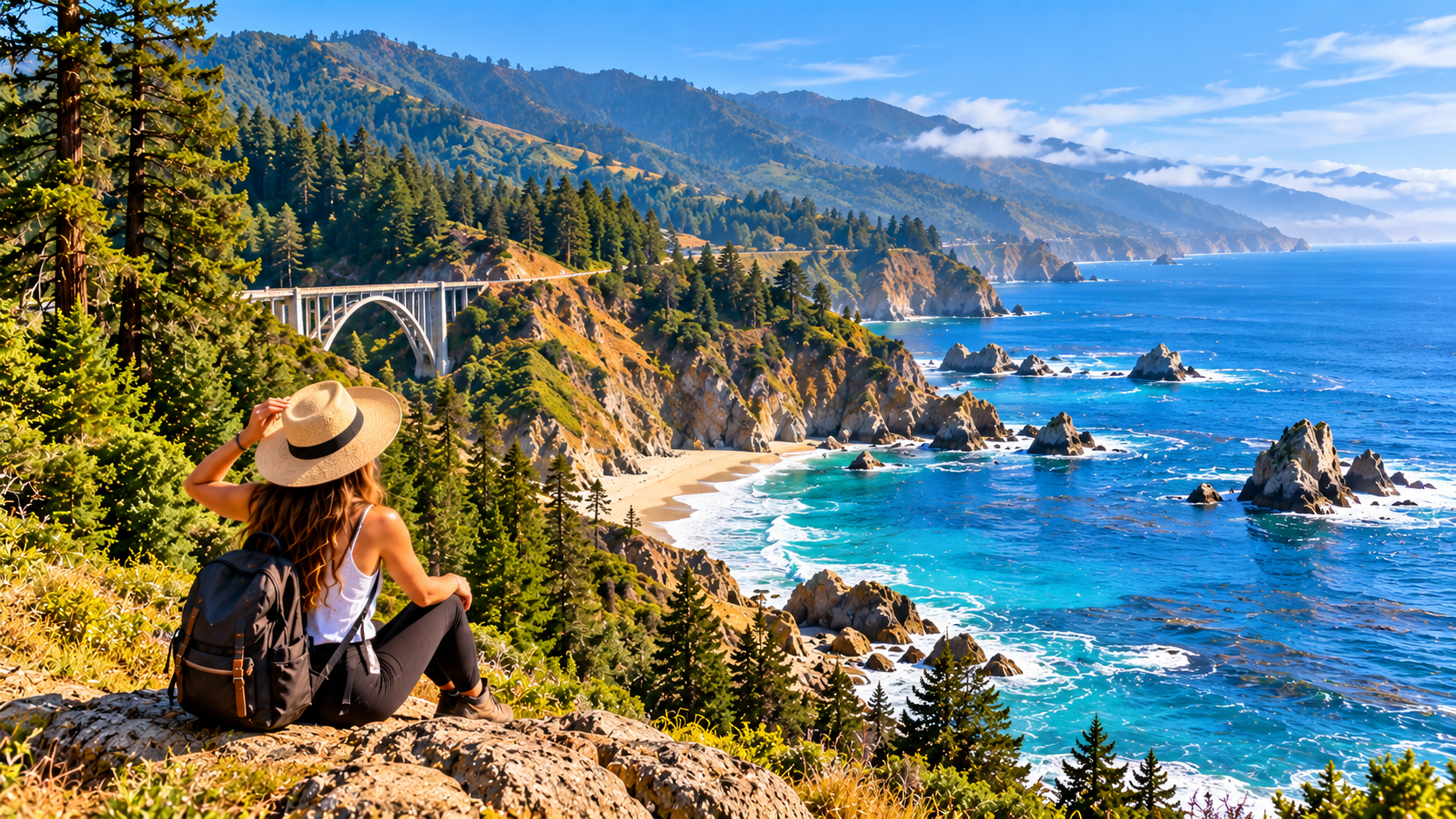
Big Sur and Monterey Bay provide a dramatic northern extension for travelers interested in rugged coastline, marine wildlife, and scenic drives.
The journey offers a different coastal environment from Southern California’s metropolitan beaches. Travelers should check Highway 1 conditions and allow several days rather than attempting the entire extension as a brief excursion.
Las Vegas and Southern Nevada
Las Vegas is a practical inland extension for travelers already exploring Southern California’s desert regions.
Beyond the city’s entertainment attractions, southern Nevada offers Red Rock Canyon and additional desert landscapes. The journey works particularly well as part of a longer road trip, although driving distances and seasonal heat require consideration.
Grand Canyon and Northern Arizona
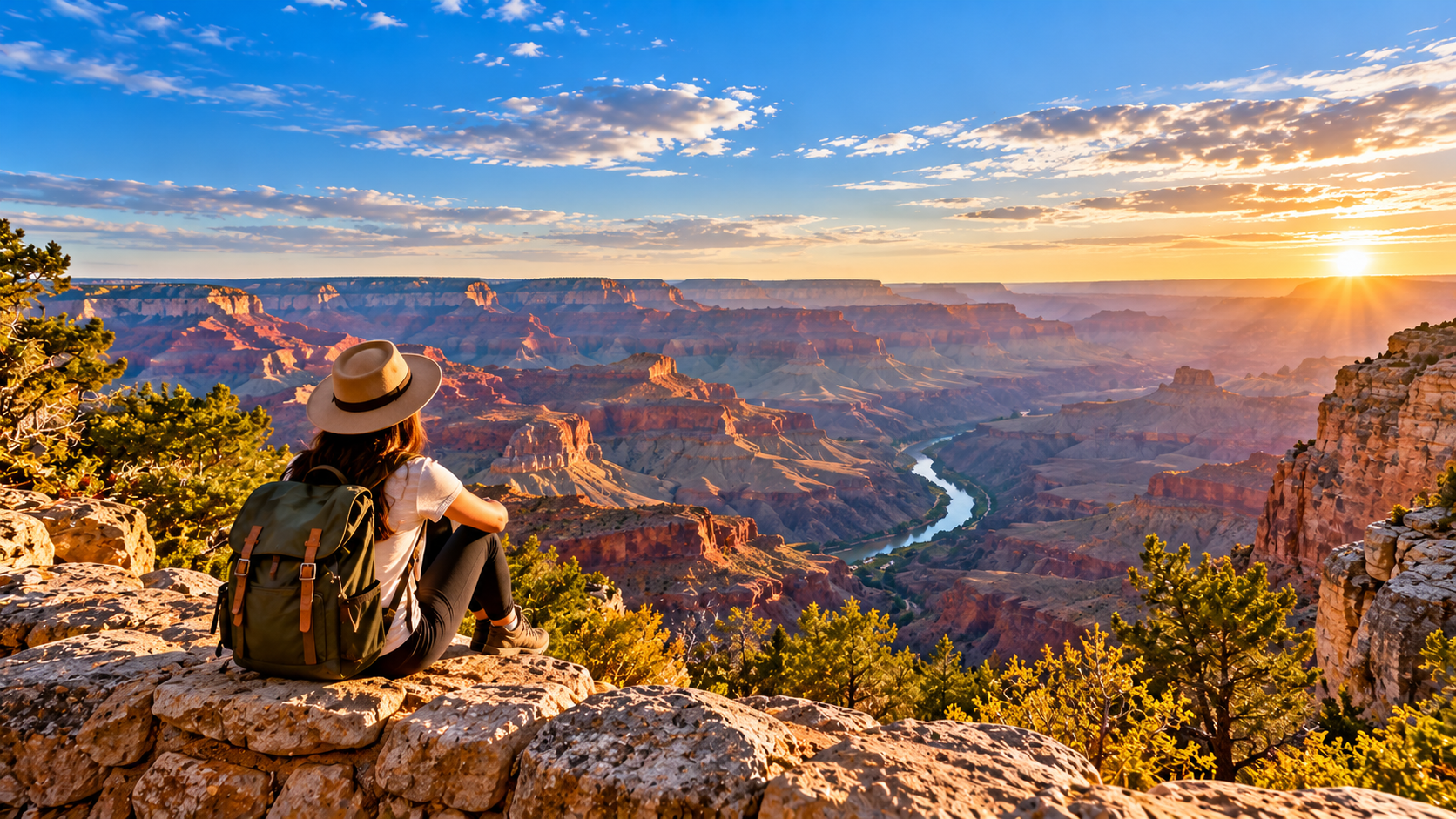
Northern Arizona provides a major landscape contrast, with the Grand Canyon, high-desert scenery, and distinctive geological formations.
This extension is best suited to travelers with several additional days. The Grand Canyon should be treated as a dedicated destination rather than a rushed day trip from Southern California.
Baja California, Mexico
Baja California is a geographically connected extension south of San Diego, with destinations including Tijuana, Rosarito, and Ensenada.
It offers a different cultural and culinary experience while remaining accessible through the California–Mexico border corridor. Travelers must account for international entry requirements, vehicle insurance, border procedures, and potentially lengthy return crossing times.