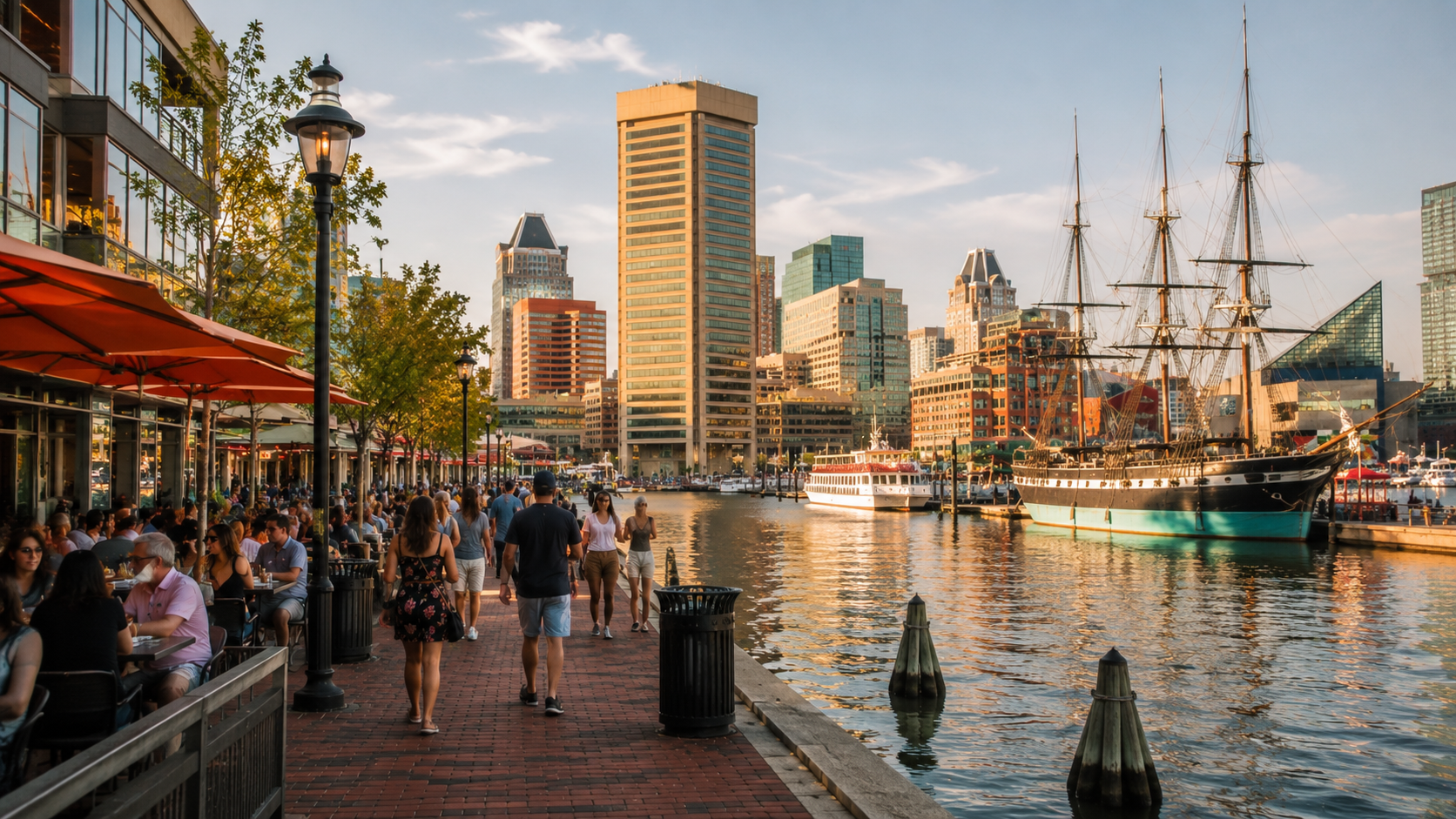
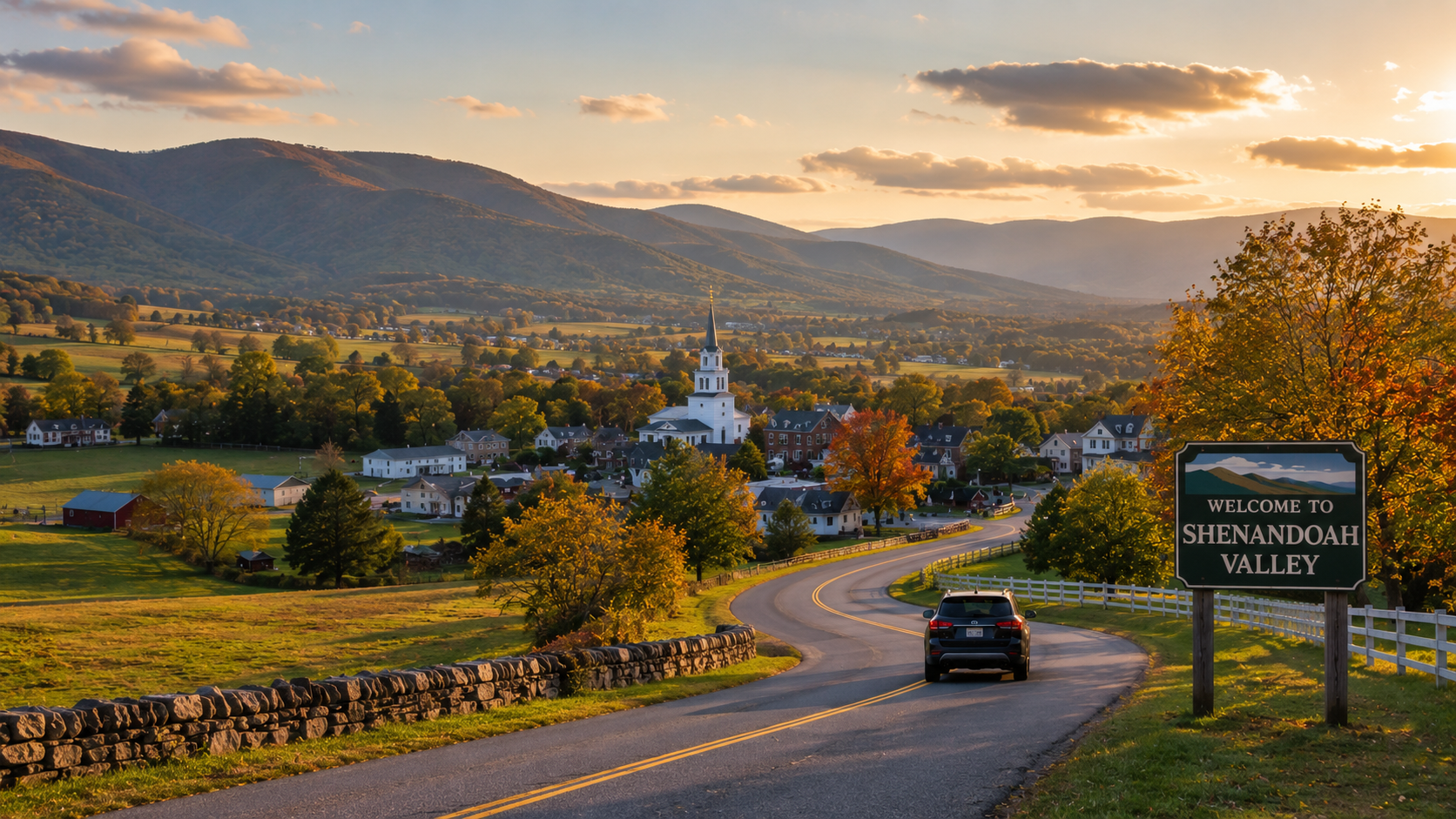
The United States is a continent-scale destination where geography determines almost every major travel decision. A first trip works best when treated as a focused regional journey rather than an attempt to connect New York, Florida, California, the national parks, Hawaii, and Alaska in one itinerary. The Northeast offers compact city-to-city travel, the West favors road trips and large natural landscapes, the South combines distinctive cities with food and cultural routes, while Alaska and Hawaii generally require separate flight-based planning. Distances that look manageable on a national map can consume entire travel days, especially outside the Northeast. Domestic flights, rental cars, intercity trains, and urban transit all have useful roles, but none works equally well across the country. The strongest United States itinerary therefore begins by choosing one or two compatible regions and building transportation around them rather than choosing famous places first.
Travel Essentials
Essential information for planning your trip to the United States, from entry requirements and transportation to local customs, emergencies and seasonal weather.
United States Quick Facts
Essential details worth knowing before you travel.
The United States spans major cities, national parks, mountain ranges, deserts, coastlines and distinct regional cultures across 50 states, offering an enormous variety of urban and outdoor travel experiences.
Arrival Information
Important entry and arrival considerations.
Entry requirements depend on nationality and travel purpose. Some travelers may use the Visa Waiver Program with an approved ESTA, while others require an appropriate U.S. visa. Confirm current requirements before departure.
Passport & Visa
International visitors generally need a valid passport and must meet the visa or Visa Waiver Program requirements applicable to their nationality.
Immigration
International travelers complete U.S. immigration procedures at their first U.S. port of entry unless preclearance applies before departure.
Customs
Declare goods when required and review restrictions covering food, agricultural products, currency and other controlled items.
Medication
Carry necessary medication appropriately labeled and check U.S. restrictions before traveling with controlled or specialized medicines.
Health Information
Practical health considerations while traveling in the United States.
Healthcare
Hospitals, urgent-care centers and pharmacies are widely available, particularly in cities, but medical treatment can be expensive.
Vaccinations
Travelers should remain current on routine vaccinations and review current health guidance relevant to their itinerary.
Travel Insurance
Visitors should consider travel medical insurance because healthcare costs can be substantial and foreign coverage may be limited.
Climate Exposure
Heat, cold, altitude, wildfire smoke and severe weather can affect travelers depending on the destination and season.
Travel Advisory
Safety and natural-hazard considerations for travelers.
Government advisory systems differ by country. International visitors should review current travel advice issued by their own government before departure.
Personal Safety
Conditions vary significantly between destinations. Use normal precautions with valuables, transportation hubs and unfamiliar areas.
Earthquakes
Earthquake risk is significant in parts of the western United States, Alaska and Hawaii. Follow local emergency guidance.
Hurricanes & Storms
Hurricanes and severe storms can disrupt travel, particularly along Atlantic and Gulf coastal regions during hurricane season.
Wildfires & Natural Hazards
Wildfires, floods, tornadoes, winter storms and extreme temperatures can affect different regions. Monitor local alerts.
Holidays & Busy Periods
Periods that can affect crowds, transport and opening hours.
Visitor Information
Everyday details that make traveling in the United States easier.
Payments
Credit and debit cards are widely accepted. Mobile payments are increasingly common, although carrying some cash can still be useful.
Tipping
Tipping is customary in many service settings, including restaurants, bars, taxis and some personal services.
Sales Tax
Advertised prices often exclude sales tax. Rates vary by state and locality and are usually added at checkout.
Identification
Photo identification may be requested for alcohol purchases, certain venues, transportation and other age-restricted activities.
Major Airports
Important gateways for international and domestic travel.
John F. Kennedy International
Major international gateway serving New York City and the Northeast.
Los Angeles International
Major international gateway for Los Angeles and the U.S. West Coast.
Hartsfield-Jackson Atlanta International
Major domestic and international connecting hub in the Southeast.
Chicago O’Hare International
Major international and domestic hub serving Chicago and the Midwest.
Dallas Fort Worth International
Large connecting hub serving Texas and destinations across the country.
San Francisco International
Major international gateway serving San Francisco and Northern California.
Transport in the United States
Ways to move between cities, regions and local destinations.
Domestic Flights
Air travel is commonly used for long-distance trips between regions and major cities.
Rental Cars
Cars are often the most practical option for road trips, rural areas and national parks.
Intercity Rail
Passenger rail connects many cities, with particularly useful routes in the Northeast.
Metro & Transit
Major cities may offer subway, light-rail, commuter-rail and extensive bus networks.
Buses
Local and intercity buses serve many destinations and can provide lower-cost travel.
Taxis & Rideshare
Taxis and app-based rides are widely available in cities and many tourist destinations.
Connectivity & Electricity
Internet access, mobile service and device compatibility.
Wi-Fi
Wi-Fi is widely available at hotels, airports, cafés, restaurants and many public and commercial locations.
SIM & eSIM
Prepaid SIM and eSIM options are available. Coverage can vary significantly in remote and rural regions.
Electricity
The United States generally uses 120V electricity with Type A and Type B outlets.
Frequency
The standard electrical frequency is 60Hz. Travelers should check device voltage compatibility.
Laws & Etiquette
Important legal considerations and everyday social customs.
Alcohol
The minimum legal drinking age is 21. Photo identification is commonly requested when purchasing or consuming alcohol.
Smoking Rules
Smoking and vaping restrictions vary by state, city and venue. Follow posted rules and designated-area requirements.
State & Local Laws
Laws can differ substantially between states and municipalities. Check local rules relevant to your destination and activities.
Driving
Traffic laws vary by state. Vehicles drive on the right, and seat-belt and speed-limit rules are actively enforced.
Personal Space
Queuing and respecting personal space are common expectations in shops, transportation hubs and attractions.
Service Culture
Friendly greetings and casual conversation are common, while tipping is expected in many hospitality settings.
Emergency Information
Numbers and assistance worth keeping accessible.
Emergency Assistance
Call 911 for immediate police, fire or emergency medical assistance throughout the United States.
Lost Passport
International visitors should report a lost passport when appropriate and contact their embassy or consulate for assistance.
United States Weather by Season
Conditions vary dramatically by region, latitude and elevation.
Spring
March – MayConditions range from cool and unsettled in northern regions to warm weather in the South, with severe storms possible in some areas.
Summer
June – AugustOften hot across much of the country, with humidity in many eastern regions and extreme heat possible in desert areas.
Autumn
September – NovemberTemperatures generally cool across much of the country, with fall foliage drawing visitors to many northern regions.
Winter
December – FebruaryCold and snowy conditions affect northern and mountain regions, while southern states can remain comparatively mild.
Understanding the United States Before You Plan
The United States includes 50 states spread across a vast geographic area, with the contiguous 48 states stretching from the Atlantic to the Pacific and Alaska and Hawaii geographically separated from the mainland. For travelers, that makes the country fundamentally different from destinations where several major regions can be linked by short rail journeys.
Think in regions, not states
The Northeast includes destinations such as New York City, Boston, Philadelphia, and Washington, D.C., with relatively short distances and unusually useful intercity rail.
The Southeast covers destinations including Florida, Georgia, the Carolinas, Tennessee, and Louisiana. Major attractions can be widely separated, so flights or driving frequently make more sense than rail.
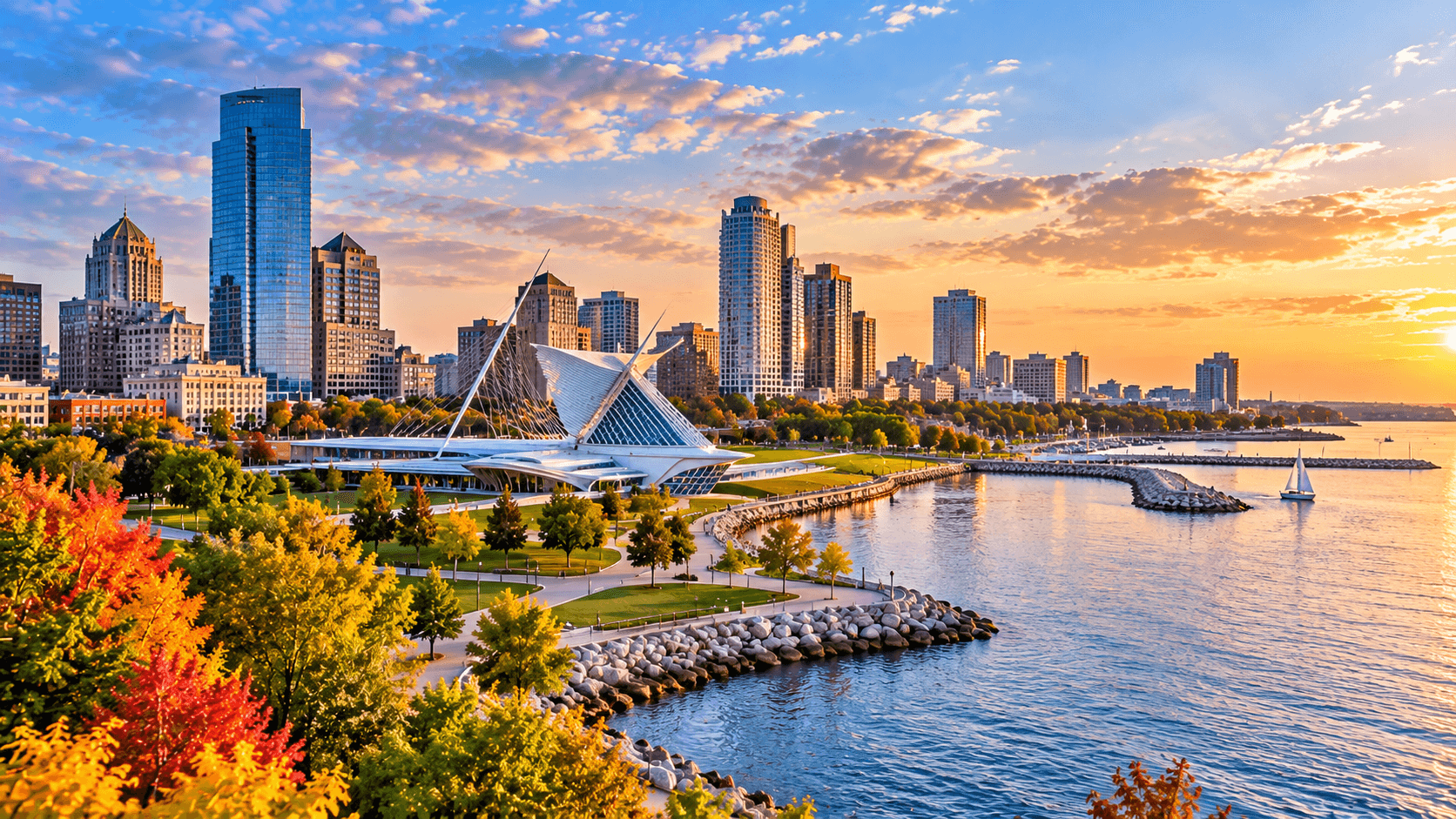
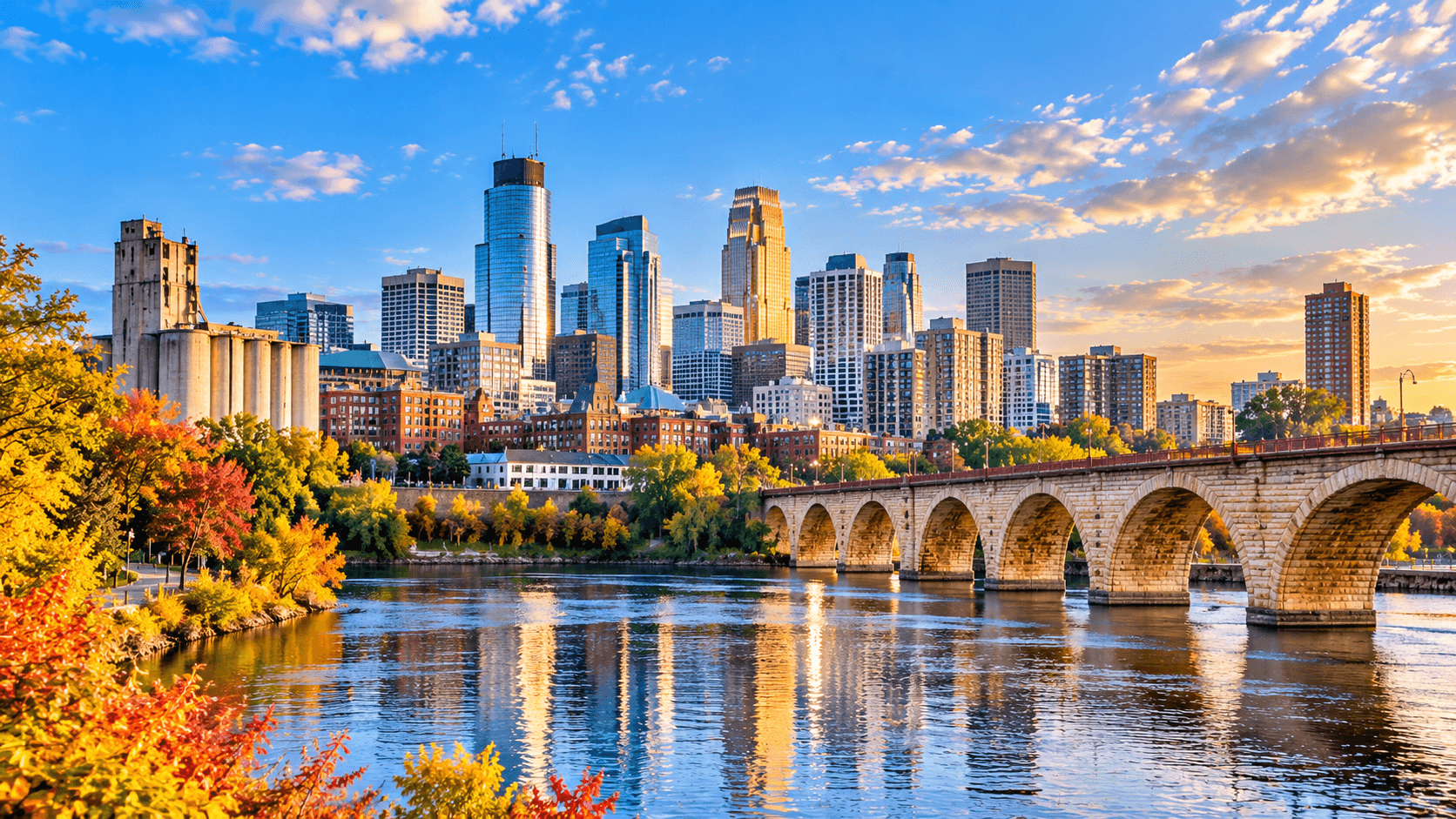
The Midwest includes Chicago, the Great Lakes, major cities such as Detroit and Minneapolis, and extensive rural landscapes.
The Southwest centers on Arizona, New Mexico, Nevada, Utah, and surrounding desert regions. Distances are substantial, but road travel provides access to many of America’s most recognizable desert landscapes and national parks.
California can support an entire trip by itself, combining San Francisco, Los Angeles, San Diego, the Pacific Coast, wine regions, deserts, mountains, and national parks.
The Pacific Northwest revolves primarily around Washington and Oregon, with Seattle and Portland functioning as important gateways.
The Rocky Mountain states offer Colorado, Wyoming, Montana, Idaho, and surrounding mountain landscapes, where cars become increasingly important outside major cities.
Alaska requires its own scale of planning. Hawaii likewise works better as a dedicated island trip than as an incidental addition to a mainland itinerary.
The official national tourism organization provides regional itineraries and gateway-based planning through Visit The USA, which is useful when deciding which part of the country to prioritize.
Who the United States Works Best For
The country’s greatest advantage is choice, but that same choice creates its main planning difficulty.
Road-trip travelers
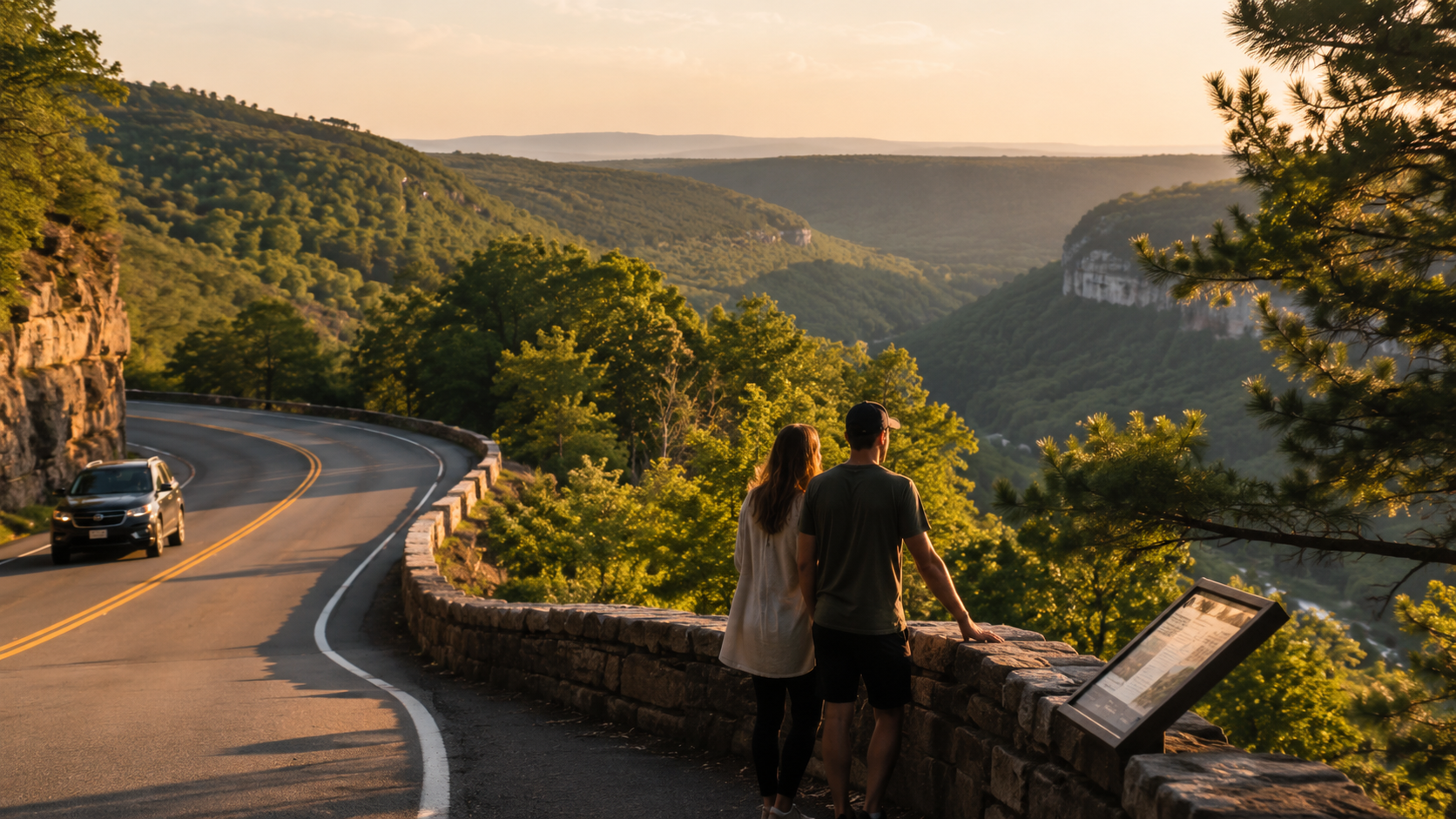
Few travel styles fit the United States as naturally as a road trip. California’s coast, Utah and Arizona’s national parks, New England, the Blue Ridge region, the Pacific Northwest, and the Rocky Mountains all reward travelers who can stop between major destinations.
City travelers
New York City, Chicago, Boston, Washington, San Francisco, New Orleans, Miami, Los Angeles, and other major cities can anchor trips without requiring extensive rural travel.
The Northeast is particularly practical for travelers who prefer not to drive.
Outdoor travelers
National parks, forests, deserts, mountain ranges, coastlines, lakes, and wilderness areas are spread throughout the country. Outdoor-focused visitors should usually choose a specific park cluster rather than attempting to sample parks thousands of miles apart.
Families
Large cities, theme-park destinations, beaches, national parks, museums, and road-trip infrastructure provide considerable flexibility. The tradeoff is that long driving distances and frequent hotel changes can make an overambitious itinerary tiring.
Budget travelers
Costs vary dramatically. A traveler using public transportation in Washington or Chicago faces a very different cost structure from someone renting a car, staying inside national parks, or visiting resort areas in Hawaii.
Essential United States Travel Basics
The U.S. dollar is the national currency, English is the dominant language for travel services, and card payments are widespread. Sales taxes are generally added at checkout rather than incorporated into displayed retail prices, and tipping remains customary in many service situations.
Entry requirements
International travelers should never rely on a generic statement that they do or do not need a visa. Requirements depend on nationality, purpose of travel, passport status, and other circumstances.
The U.S. government’s tourism portal explains visas, the Visa Waiver Program, ESTA, Form I-94, and related entry topics at USAGov.
The Department of State also explains visitor visas and notes that possession of a visa permits a traveler to request admission at a U.S. port of entry but does not itself guarantee admission; current visitor-visa guidance is available at Travel.gov.
Airports
New York, Los Angeles, San Francisco, Miami, Chicago, Atlanta, Dallas–Fort Worth, Houston, Seattle, Boston, and Washington are among the major international gateways.
Choose the arrival airport around your route rather than simply selecting the cheapest fare. Flying into Los Angeles for a trip centered on Northern California, for example, can create unnecessary ground travel.
Open-jaw itineraries can be particularly valuable. Arriving in San Francisco and departing from Los Angeles eliminates the need to drive or fly back to the starting point.
Electricity and connectivity
The United States generally uses 120V electricity with Type A and B plugs. Mobile coverage is extensive in populated areas but can deteriorate rapidly in remote parks, mountains, deserts, and rural areas.
Domestic air travel
Travelers flying domestically should verify current identification and security requirements before departure. The Transportation Security Administration maintains its current acceptable-ID guidance at TSA.
Major Cities and Destinations Across the United States
No single group of cities represents the entire country, so destination selection should follow regional logic.
New York City
New York is one of the easiest major gateways for a first U.S. visit. Manhattan, Brooklyn, Queens, the Bronx, and Staten Island create enough depth for several days without a car.
It combines naturally with Boston, Philadelphia, and Washington rather than with California or Florida on a short itinerary.
Washington, D.C.
Washington works particularly well for museums, national institutions, monuments, and U.S. history. It fits naturally into a Northeast corridor journey and does not require a rental car for most central sightseeing.
Boston
Boston offers a compact historical core and provides a useful gateway to New England. It becomes especially valuable when paired with coastal Massachusetts, Maine, Vermont, or a broader autumn road trip.
Chicago
Chicago provides architecture, museums, food, lakefront neighborhoods, and one of America’s strongest urban experiences outside the East Coast. It can anchor a Midwest trip but is geographically inefficient to insert into a short East-and-West Coast itinerary.
New Orleans
New Orleans is defined by a cultural mixture distinct from most American cities: Creole and Cajun influences, jazz traditions, historic architecture, Louisiana cooking, and the Mississippi River all shape the experience.
Miami and South Florida
Miami combines beaches, Latin American and Caribbean cultural influences, nightlife, architecture, and access to South Florida. It also makes a logical urban gateway for the Everglades and the Florida Keys.
San Francisco
San Francisco is a compact base for Northern California, with access to the Bay Area, redwood landscapes, wine country, and routes toward Yosemite.
Los Angeles
Los Angeles requires a different strategy. Its major neighborhoods, beaches, museums, entertainment districts, and surrounding communities are dispersed across a large metropolitan area.
Three or four nights can disappear quickly if daily activities are scheduled on opposite sides of the region.
Las Vegas
Las Vegas functions both as a destination and as a gateway to desert road trips. It combines naturally with southern Utah, the Grand Canyon region, Death Valley, and parts of the Southwest.
America’s Natural Highlights
The national park system is central to U.S. travel, but park visits require more logistical planning than simply adding landmarks to an itinerary.
The Southwest
Grand Canyon National Park in Arizona can anchor a broader desert route involving Utah or Nevada.
Utah’s Zion, Bryce Canyon, Capitol Reef, Canyonlands, and Arches create one of the country’s strongest park-road-trip corridors.
California
Yosemite brings granite cliffs, waterfalls, valleys, forests, and high-country landscapes into a California itinerary, while Sequoia and Kings Canyon introduce giant sequoia groves and Sierra Nevada scenery.
Death Valley creates a radically different desert environment.
Yellowstone and the Rockies
Yellowstone and Grand Teton form a natural pairing. Their location, however, means they should be treated as a dedicated regional trip rather than squeezed between distant cities.
Pacific Northwest
Olympic National Park combines mountains, temperate rainforest, and Pacific coastline. Mount Rainier and North Cascades provide additional mountain environments within Washington.
Alaska and Hawaii
Alaska expands the scale dramatically with glaciers, mountains, wildlife, fjords, and extensive wilderness. Hawaii offers volcanic landscapes, tropical ecosystems, beaches, and distinctive island environments.
Before building a park itinerary, travelers should use the National Park Service’s planning portal at National Park Service to verify park-specific fees, reservations, timed-entry requirements, operating conditions, and alerts.
Understanding American Culture and History
The United States cannot be understood through one historical narrative or one regional culture. Indigenous histories long predate European colonization, while later Spanish, French, British, African, Caribbean, Asian, Latin American, Pacific Islander, and numerous immigrant communities shaped different parts of the country.
Regional identities matter
New England’s colonial towns feel very different from Louisiana’s Creole cultural landscape.
New Mexico reflects centuries of Indigenous and Hispanic history.
Hawaii has a Polynesian history and Native Hawaiian culture that should not be treated simply as a tropical extension of the mainland.
Alaska contains numerous Alaska Native cultures and communities.
The American South carries visible histories of slavery, the Civil War, Reconstruction, the Civil Rights Movement, music, religion, and regional food traditions.
Indigenous heritage
Travelers encounter living Indigenous cultures as well as archaeological and historic sites throughout the country. Tribal lands are not generic tourist spaces; individual nations establish their own rules, access conditions, cultural protocols, and visitor services.
World Heritage
The country’s internationally recognized heritage ranges from Yellowstone and Yosemite to Taos Pueblo, Independence Hall, the Statue of Liberty, Cahokia Mounds, San Antonio Missions, and Hawaii Volcanoes National Park. UNESCO maintains the current U.S. World Heritage inventory at UNESCO World Heritage Centre.
Where to Go in the United States
This is where a successful first trip is usually won or lost. Choose by travel style and geography rather than trying to assemble a collection of famous names.
Choose the Northeast for cities without a car
New York, Philadelphia, Washington, and Boston form one of America’s most practical multi-city corridors.
Choose this region if museums, history, architecture, food, and urban neighborhoods matter more than wilderness.
Seven to ten days can support two or three major cities without extreme transit demands.
Choose California for variety
California combines major cities, coastline, wine regions, deserts, mountains, beaches, and national parks.
Choose it when you want urban experiences and nature within one state.
A week requires focus. Ten to fourteen days allows a much stronger combination such as San Francisco, Yosemite, the Central Coast, and Los Angeles without turning every day into a transfer.
Choose the Southwest for landscapes and road travel
Arizona, Utah, Nevada, and New Mexico work for desert scenery, national parks, Indigenous heritage, dramatic drives, and smaller cities.
A rental car is usually central to the experience.
Choose the South for food, music, and regional culture
New Orleans, Nashville, Memphis, Charleston, Savannah, and parts of Texas offer very different versions of Southern travel.
Do not treat them as one compact cluster. New Orleans and Nashville, for example, are far enough apart that a short trip requires deliberate transportation planning.
Choose Florida for warmth and recreation
South Florida suits travelers interested in Miami, beaches, the Keys, Everglades landscapes, and Caribbean and Latin American influences.
Central Florida operates differently, with Orlando serving as a major theme-park hub.
Choose Hawaii for an island-focused trip
Hawaii is not a practical add-on simply because it belongs to the United States. Flying from the mainland takes substantial time, and moving between islands requires additional flights.
Choose one or two islands rather than assuming every major island belongs in one short vacation.
Choose Alaska for wilderness
Alaska deserves dedicated planning. Distances, weather, seasonal transportation, wildlife, cruises, roads, rail, and remote access all influence what is realistic.
Food and Drink Across the United States
American food changes significantly by region, and treating burgers and fast food as representative misses much of the country’s culinary identity.
Northeast
New York is known for pizza, bagels, delis, international neighborhoods, and an enormous restaurant range. New England brings lobster, clam chowder, oysters, and other Atlantic seafood traditions.
South
Louisiana is one of America’s strongest food destinations, with gumbo, jambalaya, crawfish, po’boys, red beans and rice, and Creole and Cajun traditions.
Barbecue changes across Texas, Tennessee, the Carolinas, Missouri, and other regions, with different meats, sauces, smoking techniques, and local loyalties.
Southwest
New Mexico’s chile traditions, Tex-Mex cooking, Indigenous foodways, and Mexican-American cuisines give the Southwest a culinary identity distinct from the Southeast.
West Coast
California’s agricultural diversity shapes its restaurant culture, while Los Angeles is particularly strong for Mexican, Korean, Japanese, Chinese, Thai, Armenian, Persian, and many other cuisines.
The Pacific Northwest is associated with salmon, shellfish, berries, coffee, wine, and farm-driven cooking.
Hawaii
Native Hawaiian, Japanese, Filipino, Chinese, Korean, Portuguese, and other influences intersect in contemporary Hawaiian food culture. Poke, plate lunches, saimin, malasadas, and local seafood provide a much broader picture than resort dining alone.
Tipping expectations vary by service, but table-service restaurants commonly expect a gratuity in addition to the displayed bill. Remember that menu prices also may not include applicable sales tax.
Getting Around the United States
Transportation should be chosen region by region.
Trains
Passenger rail is most useful in the Northeast Corridor, where cities including Boston, New York, Philadelphia, Baltimore, and Washington connect logically.
Rail also serves many other regions, including California and long-distance cross-country routes, but it should not be assumed to function like the dense national rail networks found in some European or Asian countries.
Travelers considering rail can examine current routes, stations, schedules, baggage information, and trip-planning tools directly through Amtrak.
Rental cars
Cars become much more useful for national parks, smaller towns, rural areas, scenic highways, New England, much of the South, and western road trips.
They become less useful in dense city centers where parking costs and congestion outweigh their benefits.
A common strategy is to visit a major city without a car, then collect a rental vehicle when leaving for the countryside.
Domestic flights
Flights solve the country’s biggest transportation problem: scale.
New York to California, mainland destinations to Hawaii, most mainland routes to Alaska, and many cross-country combinations are aviation journeys rather than realistic short-trip drives.
But a one-hour or two-hour flight still requires airport transfers, security, boarding, baggage collection, and onward transportation. Compare total door-to-door time rather than scheduled flight duration alone.
Urban transit
New York, Washington, Boston, Chicago, San Francisco, and several other cities have useful public transportation networks.
Los Angeles has expanded rail and bus coverage, but many itineraries still involve substantial distances.
Driving
American highways make road trips relatively straightforward, but distances can be deceptive. Four or five hours behind the wheel should be treated as a meaningful travel day, not invisible time between attractions.
Where to Base Yourself
Good base selection can eliminate unnecessary hotel changes.
New York City
Stay several nights and explore without a car. Philadelphia can be visited en route to Washington rather than forcing a one-night stay unless it is a priority.
Washington, D.C.
Two to four nights can support museums, monuments, neighborhoods, and historic sites without changing hotels.
San Francisco
Use San Francisco as an urban base, then collect a car when beginning a California road trip.
Los Angeles
Base selection matters more here because the metropolitan area is enormous. Travelers focused on beaches may choose the west side, while Hollywood and central attractions create different geographic priorities.
Las Vegas
Las Vegas can serve as a staging point for desert routes, but many national parks are too far away for efficient repeated day trips. Moving onward often saves substantial driving.
National parks
Staying near or inside a major park can reduce daily driving, particularly when trailheads or viewpoints are far from gateway towns.
Avoid moving hotels every night simply to increase the number of destinations visited. Two- and three-night bases usually create a better balance between exploration and logistics.
Planning Your United States Travel Budget
The United States does not have one meaningful national travel-cost profile.
New York, Hawaii, resort destinations, major national-park gateways, and parts of coastal California can be expensive, while smaller cities and less-visited regions may offer substantially lower accommodation costs.
Accommodation
Location often matters more than nominal room price. A cheaper hotel requiring expensive parking, long rideshare journeys, or hours of commuting may provide poor overall value.
Transportation
Rental-car costs extend beyond the advertised rate. Insurance choices, fuel, parking, tolls, one-way charges, and airport fees can materially change the total.
Domestic flights may cost more than driving but save an entire day or more on long routes.
Parks
Entrance fees, permits, tours, camping, and reservation systems vary. Some heavily visited sites require advance arrangements, while others remain straightforward.
Food
Costs range from supermarkets, diners, food trucks, and counter-service restaurants to expensive urban dining. Taxes and tips can make the final restaurant bill noticeably higher than menu prices.
The right budget strategy is therefore not simply “travel cheaply.” Spend more where doing so saves meaningful travel time and economize where convenience adds little.
Choosing the Right U.S. Regions for Your Trip
Different regions solve different travel goals.
For a first urban trip
The Northeast works particularly well because New York, Philadelphia, Washington, and Boston can be combined without renting a car.
For national parks
Utah and Arizona create an efficient concentration of major landscapes, while Yellowstone and Grand Teton form another strong pairing.
California works for travelers wanting parks plus major cities.
For food
New Orleans and Louisiana, New York City, California, Texas, Chicago, and Hawaii offer radically different culinary experiences.
For beaches
Florida, Southern California, Hawaii, the Carolinas, and Gulf Coast destinations provide very different beach environments.
Hawaii provides tropical island travel; Florida can combine beaches with cities and wetlands; California works well when the coast forms part of a larger road trip.
For history
Boston, Philadelphia, Washington, Virginia, Charleston, New Orleans, New Mexico, Indigenous heritage regions, and numerous National Park Service sites can anchor historically focused itineraries.
For road trips
California, the Southwest, New England, the Pacific Northwest, the Rocky Mountains, Alaska, and parts of the South all reward driving.
The tradeoff is distance: road trips become worse, not better, when every day contains several hours of driving.
Realistic United States Itineraries
For a country this large, an itinerary should deliberately leave most of the United States for another trip.
7 days: Northeast cities
Spend roughly three nights in New York, two in Washington, and use the remaining time for Philadelphia or additional time in either anchor city.
Travel primarily by train.
Do not add Miami, Chicago, or California.
7 days: Southwest parks
Use Las Vegas or another suitable regional gateway, then construct a focused driving loop around a limited number of landscapes such as Zion, Bryce Canyon, and the Grand Canyon region.
Do not try to include every Utah national park plus Los Angeles and San Francisco.
10 days: California
A workable first route can combine San Francisco, Yosemite, the Central Coast, and Los Angeles.
The route should move generally in one direction rather than repeatedly returning to the same city.
San Diego can be substituted for another destination or added when the schedule genuinely supports it.
10 days: Pacific Northwest
Combine Seattle with Olympic National Park and selected Washington or Oregon destinations.
Trying to add Yellowstone simply because it appears relatively close on a national map creates far more transportation than the map suggests.
14 days: California and the Southwest
With two weeks, travelers can combine selected California destinations with Las Vegas and a limited Southwest park circuit.
Even then, restraint matters. Yosemite, San Francisco, Los Angeles, Las Vegas, Grand Canyon, Zion, Bryce Canyon, San Diego, and multiple Utah parks together would create a transfer-heavy trip.
14 days: Deep South and music route
New Orleans can anchor a route that selectively incorporates places such as Memphis or Nashville, with other Southern destinations added only when their geography supports the chosen direction.
Alaska or Hawaii
Either can easily consume the entire trip.
Treating Hawaii or Alaska as the final two nights of a mainland itinerary generally sacrifices too much time to flights and transfers.
When to Travel Around the United States
There is no national “best month.” Climate varies too much.
Northeast and Midwest
Late spring and early autumn can provide comfortable city travel, while autumn foliage can reshape New England itineraries. Winter brings snow and freezing conditions to many northern destinations.
Southeast
Summer can be hot and humid. Atlantic and Gulf Coast itineraries also need to account for tropical-weather risk during hurricane season.
Southwest
Desert heat can fundamentally alter summer hiking plans. Higher elevations, however, may be much cooler than nearby desert basins.
Mountain West
Mountain access is highly seasonal. Snow can restrict high roads and trails well beyond the period travelers associate with winter at lower elevations.
California
California contains coastal, desert, mountain, and Mediterranean-type climate zones, meaning conditions can vary sharply within the same trip.
Alaska
Summer provides the broadest visitor infrastructure and long daylight, while winter creates a completely different trip built around cold-weather conditions and limited daylight.
Hawaii
Hawaii is viable year-round, but rainfall, ocean conditions, elevation, and windward-versus-leeward geography matter more than a simple “summer versus winter” description.
Because heat, hurricanes, winter storms, flooding, thunderstorms, tornadoes, and other hazards vary by region, check current National Weather Service forecasts and safety information at weather.gov before and during weather-sensitive routes. National Weather Service
Common United States Planning Mistakes
The biggest mistake is treating distance as an inconvenience instead of a defining characteristic of the trip.
Trying to cross the country too quickly
New York, Miami, Las Vegas, Los Angeles, San Francisco, Yellowstone, and Hawaii may all be famous, but fame does not make them geographically compatible.
Keeping a rental car in dense cities
A car that is essential in a national park can become an expensive liability in Manhattan or central San Francisco.
Assuming trains work everywhere
Rail can be excellent on specific corridors. It is not a universal replacement for cars or flights.
Underestimating national parks
Parks can be enormous. Entering the boundary does not mean the major viewpoints and trailheads are nearby.
Some parks and activities also use reservations or timed-entry systems. The National Park Service specifically advises travelers to check fees, reservations, timed entry, operating conditions, and park-specific requirements before visiting. National Park Service
Changing hotels every night
A trip containing seven destinations in seven nights often produces more packing, parking, check-ins, and driving than meaningful exploration.
Ignoring arrival and departure days
An overnight transatlantic or transpacific flight followed by immigration, baggage collection, and hotel transfer should not be treated as a full sightseeing day.
Adding Hawaii casually
Hawaii belongs on a U.S. travel map, but geographically it is a Pacific island destination requiring substantial additional flight time from the mainland.
Preparing for Your United States Trip
Preparation should match the region rather than follow one generic national checklist.
Confirm entry documentation before buying non-refundable arrangements when immigration requirements apply.
Reserve major domestic flights when the route depends on them, and check baggage conditions for each airline rather than assuming they are identical.
For road trips, download offline maps before entering remote areas and understand fuel or charging availability along isolated routes.
For national parks, verify entrance requirements, road conditions, permits, trail closures, weather, and seasonal access directly with the relevant park. High-demand sites can require more advance planning than an ordinary city attraction.
Carry appropriate clothing for elevation and regional climate. A summer trip can involve desert heat, cool Pacific coastal weather, high-elevation cold, thunderstorms, or mountain snow conditions depending on the route.
Do not assume continuous mobile service in remote parks and wilderness regions.
Most importantly, finalize the transportation structure before booking every hotel. A logical route should determine accommodation locations—not the other way around.
Where to Go Next
Canada
Canada is the most natural international continuation for many U.S. itineraries. Vancouver combines particularly well with Seattle and the Pacific Northwest, while Toronto and Montréal can complement northeastern U.S. journeys.
Mexico
Mexico works naturally after trips through California, Arizona, New Mexico, Texas, or other southern gateways. It provides a major cultural, culinary, archaeological, and linguistic contrast while remaining geographically connected to the United States.
The Bahamas
The Bahamas can follow a Florida itinerary particularly naturally, providing a Caribbean island experience within relatively easy reach of South Florida.
Japan
Japan is a more distant continuation but can make geographic sense for travelers crossing the Pacific from Hawaii or major West Coast gateways. Its dense rail network, compact cities, and different urban structure provide a strong contrast to a U.S. road-focused trip.