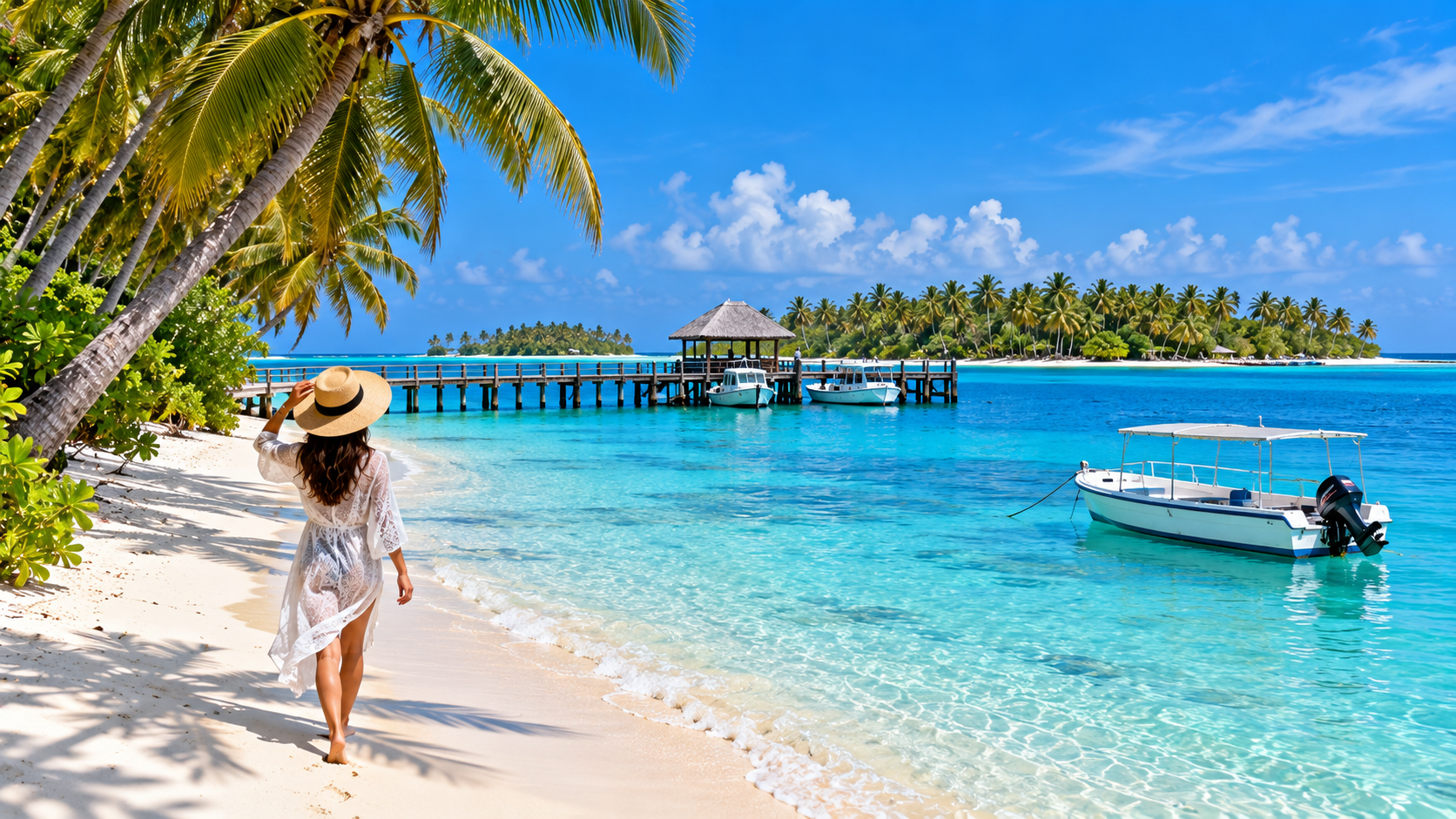
El Nido, on the northern coast of Palawan in the Philippines, is a destination of towering limestone cliffs, turquoise lagoons, hidden beaches, and island-studded seascapes. Its most memorable experiences lie beyond the mainland, where boat excursions explore the protected waters of Bacuit Bay and reveal scenery that feels remarkably different from a conventional beach resort. Yet planning El Nido requires more than choosing an island-hopping tour: accommodation locations, boat departure points, weather conditions, and travel connections all affect the experience. This El Nido travel guide helps first-time visitors decide where to stay, which lagoons and beaches to prioritize, how to organize island excursions, and how to build a rewarding trip without rushing.
Travel Essentials
Discover El Nido, a breathtaking coastal destination in northern Palawan, Philippines, famous for dramatic limestone cliffs, emerald lagoons, pristine beaches and the turquoise waters of Bacuit Bay. Explore Big Lagoon, Small Lagoon, Seven Commandos Beach, Nacpan Beach and hidden island coves. From airport transfers and island-hopping tours to environmental fees, safety regulations and seasonal weather, find essential information for planning your El Nido adventure.
El Nido Quick Facts
Essential information for exploring El Nido and Bacuit Bay in northern Palawan.
El Nido is a spectacular coastal municipality in northern Palawan, renowned for the limestone islands and clear waters of Bacuit Bay. Visitors explore turquoise lagoons, white-sand beaches, coral reefs and dramatic karst formations through organized island-hopping excursions. Big Lagoon and Small Lagoon are among the best-known natural attractions, while Nacpan Beach, Lio Beach and Las Cabañas offer memorable mainland experiences. El Nido also serves as a gateway to kayaking, snorkeling, diving, sunset cruises and tropical island relaxation.
Arrival Information
Travel documents and the main routes to El Nido, Palawan.
Two main arrival options: Fly to El Nido Airport (ENI), near Lio, or fly to Puerto Princesa International Airport (PPS) and continue north by road. The Puerto Princesa transfer commonly takes approximately five to seven hours, depending on road conditions, stops and transport arrangements.
Passport & Visa
Foreign visitors must meet Philippine entry requirements. Many nationalities qualify for visa-free short stays, subject to passport validity, onward travel and nationality-specific rules.
Philippine eTravel
Travelers covered by eTravel requirements should register through the official Philippine government portal within 72 hours before arrival and retain their QR code. Registration is free.
El Nido Airport
El Nido Airport (ENI), also called Lio Airport, is the closest air gateway to El Nido Town. Scheduled flight routes and operating airlines may change.
Puerto Princesa Transfer
Puerto Princesa (PPS) offers another gateway. Shared vans and private transfers travel north to El Nido. Allow extra time for road and weather delays.
Ferry Connections
Passenger ferries may connect El Nido with Coron and other points, subject to current schedules and sea conditions. Book with established operators.
Environmental Fees
Island-hopping visitors may need to pay an Eco-Tourism Development Fee and additional site or lagoon charges. Confirm current rates, validity and inclusions with your operator.
Health Information
Medical services and precautions for remote coastal adventures.
Medical Facilities
El Nido has local clinics and healthcare facilities, but advanced medical treatment may require transfer to Puerto Princesa or another larger center.
Travel Insurance
Consider insurance covering hospitalization, emergency evacuation, boat excursions, snorkeling and diving. Check exclusions for adventure activities.
Vaccinations
Keep routine vaccines current and consult a travel health professional about hepatitis A, hepatitis B and other appropriate precautions for your itinerary.
Mosquito-Borne Illness
Dengue is a risk in the Philippines. Use insect repellent, protective clothing and suitable lodging precautions. Discuss malaria prevention for any remote Palawan itineraries with a clinician.
Food & Water Safety
Drink properly treated or sealed water. Choose freshly prepared meals, practice hand hygiene and be cautious with unrefrigerated food in hot conditions.
Sun & Marine Safety
Use sun protection, stay hydrated and wear appropriate flotation equipment. Coral cuts, sea urchins and currents can pose risks during excursions.
Travel Advisory
Important safety considerations for island-hopping and remote travel.
Island-hopping tours depend on weather and sea conditions. Strong winds, rough water and official restrictions can cancel excursions or close individual lagoons. Keep your itinerary flexible and follow Philippine Coast Guard and local tourism advisories.
Boat & Sea Safety
Choose licensed operators, wear life jackets and follow crew guidance. Avoid trips when authorities suspend sailing because of unsafe seas.
Weather Disruptions
Heavy rainfall, monsoon winds and tropical cyclones may affect flights, ferries and tours. Check PAGASA forecasts and official warnings.
Lagoon Access
Popular lagoons may require permits, scheduled entry or advance arrangements. Access can be restricted for conservation, weather or crowd control.
Road Safety
Rural roads may be dark, narrow or slippery during rain. Use reputable transfers and exercise caution when renting scooters, particularly at night.
Belongings & Cash
Protect valuables during boat trips and beach visits. Carry sufficient cash for smaller businesses, but avoid displaying large amounts publicly.
Remote Destinations
Some beaches and islands have limited communications and emergency access. Inform someone of your plans and travel with suitable supplies.
Holidays & Festivals
Philippine holidays and regional celebrations affecting travel in Palawan.
Visitor Information
Where to stay, what to explore and how to plan island activities.
Payments & ATMs
Philippine pesos are used locally. Cards are accepted at some hotels and restaurants, but cash remains important for tours, tricycles and smaller businesses.
Where to Stay
El Nido Town offers restaurants and tour access. Corong-Corong is popular for sunsets; Lio offers resort accommodation, while Nacpan suits quieter beach-focused stays.
Island-Hopping Tours
Traditional tour itineraries commonly use labels A, B, C and D, visiting different lagoons, beaches and islands. Exact stops may change with permits and weather.
Top Attractions
Explore Big Lagoon, Small Lagoon, Shimizu Island, Seven Commandos Beach, Nacpan Beach and other Bacuit Bay destinations where access is permitted.
Languages
Filipino and English are widely used in tourism settings. Cuyonon and other Palawan languages are also spoken in the region.
Food & Dining
Enjoy grilled seafood, Filipino rice dishes, adobo, sinigang, tropical fruit and beachfront restaurants. Confirm prices and availability before ordering fresh seafood.
Major Airports
Air gateways for reaching El Nido and northern Palawan.
El Nido Airport (Lio Airport)
Closest airport to El Nido Town and nearby resort areas. Scheduled services and airline arrangements should be confirmed before booking.
Puerto Princesa International Airport
Major gateway to Palawan. Visitors commonly continue to El Nido by shared van or private road transfer, taking approximately five to seven hours.
Francisco B. Reyes Airport — Busuanga
Gateway to Coron and Busuanga. Reaching El Nido requires a separate onward connection, commonly by ferry when operating.
Flight planning tip: ENI is the most direct airport for El Nido, while PPS may offer a broader selection of routes. Compare flight availability, baggage rules, road transfer times and overall costs.
Transport in El Nido
Navigate town roads, beaches, island tours and mainland connections.
Tricycles
Motorized tricycles are widely used for short trips around El Nido Town and nearby areas. Agree on the fare before departure.
Shared Vans
Passenger vans connect El Nido with Puerto Princesa and other destinations. Journey times vary with road conditions and stops.
Island-Hopping Boats
Organized boat tours are the principal way to explore Bacuit Bay’s lagoons, beaches and islands. Confirm permits and safety equipment.
Scooter Rentals
Scooters offer flexibility for visiting beaches and viewpoints. Wear a helmet, verify license eligibility and avoid unsafe roads.
Private Transfers
Hotels and tour providers can arrange private vehicles for airport pickup, Nacpan Beach trips and longer mainland journeys.
Ferries to Coron
Scheduled passenger ferries may link El Nido and Coron. Timetables depend on operators, weather and sea conditions.
Connectivity & Electricity
Internet, mobile networks and power considerations in El Nido.
Wi-Fi
Many hotels, cafés and restaurants provide Wi-Fi, but connection speed and reliability can vary. Remote islands may have little or no access.
Mobile Networks
Globe and Smart serve parts of El Nido and Palawan. Coverage can weaken along remote roads, beaches and islands.
SIM & eSIM
Consider a prepaid Philippine SIM or compatible eSIM. Check local coverage, data allowances and mandatory SIM registration requirements.
Electricity
Standard electricity is approximately 220V at 60Hz, with Types A, B and C plugs. Bring a suitable adapter and power bank.
Laws & Etiquette
Protected-area rules and responsible tourism practices in El Nido.
Marine Conservation
Do not damage coral reefs, collect protected marine organisms or disturb wildlife. Follow regulations within the El Nido–Taytay protected seascape.
Lagoon Regulations
Entry to certain lagoons may require permits, visitor limits or approved activities. Follow designated routes and guide instructions.
Waste & Plastic Rules
Avoid single-use plastics where restricted, never leave litter and dispose of waste properly. Respect local environmental ordinances.
Drug Laws
Philippine drug laws are strict, and penalties can be severe. Do not possess, purchase or transport prohibited substances.
Road & Scooter Rules
Vehicles drive on the right. Wear required helmets, follow local traffic rules and confirm your driving credentials are valid.
Respect Local Communities
Be courteous to residents and guides. Ask before photographing people, respect private property and support responsible local tourism.
Emergency Information
Emergency assistance for El Nido, Bacuit Bay and northern Palawan.
Call 911 for urgent police, fire or medical assistance. For incidents during island-hopping, notify your boat crew immediately. Provide your island, lagoon, beach or GPS location if known. Emergency response may take longer in remote marine areas.
Medical Emergencies
Contact emergency services and notify your accommodation. Advanced treatment may require transfer to Puerto Princesa or another medical center.
Marine Emergencies
Alert your boat operator, local authorities or Philippine Coast Guard personnel. Wear a life jacket and follow rescue instructions.
Severe Weather
Monitor PAGASA warnings and official sailing advisories. Tours and ferries may be suspended during dangerous sea conditions.
Lost Passport
Report suspected theft to local police and contact your embassy or consulate. Replacement travel documents may require a trip to Manila.
El Nido Weather by Season
Understand tropical weather and its effect on island-hopping adventures.
Drier Season
December – FebruaryGenerally lower rainfall and pleasant sightseeing conditions. Northeast monsoon winds can still produce rough seas on exposed routes.
Hot Dry Months
March – MayTypically warmer, sunnier conditions popular for swimming, snorkeling and island-hopping. Sun exposure can be intense.
Wetter Season
June – SeptemberSouthwest monsoon conditions bring increased rainfall, humidity and potentially rough seas. Tour cancellations are more likely.
Transition Months
October – NovemberWeather gradually transitions toward the drier season. Rain, tropical storms and changing sea conditions remain possible.
El Nido travel tip: December through May is generally a popular period for visiting Bacuit Bay, with March through May often offering warm, sunny weather. However, lagoon access and boat tours always depend on actual sea conditions. Reserve some flexibility in your schedule in case excursions are postponed.
Understanding El Nido and Bacuit Bay
El Nido is a municipality in northern Palawan, with its main tourism center located along the coast facing Bacuit Bay. The destination includes a mainland town, nearby beaches, offshore islands, lagoons, and protected marine environments.
Unlike Boracay, where much of the experience revolves around a continuous beachfront, El Nido is organized around separate coastal areas and boat-accessible attractions.
For practical planning, think of El Nido in four main zones:
- El Nido Town: The principal hub for boat tours, restaurants, shops, and budget-to-mid-range accommodation.
- Corong-Corong: A coastal accommodation area south of town, known for sunset views and a quieter atmosphere.
- Lio Beach: A more spacious resort-oriented area near El Nido Airport.
- Nacpan Beach and northern mainland: A scenic coastal area farther from town, better suited to relaxed beach days and travelers willing to arrange transportation.
Most famous attractions, including Big Lagoon, Secret Lagoon, and Seven Commandos Beach, are reached by boat rather than by road.
The key planning decision is whether you want to stay close to tour departures and restaurants or prefer a quieter beachfront base with additional transportation.
Is El Nido Worth Visiting?
El Nido is particularly rewarding for travelers seeking dramatic coastal scenery, snorkeling, boat excursions, and memorable natural landscapes.
Couples and honeymooners may appreciate secluded resorts and sunset-facing accommodations. Adventure travelers can enjoy kayaking, snorkeling, and exploring different islands. Families with older children may find guided boat excursions especially rewarding, provided sea conditions are suitable.
El Nido is less ideal for visitors expecting extensive nightlife, large shopping centers, or a completely effortless resort experience. Roads, transfers, and weather-dependent boat activities require more flexibility than in a highly developed beach destination.
Four to five nights is a strong starting point for first-time visitors. This allows time for two island-hopping days, mainland beach exploration, and a flexible day in case weather disrupts boat tours.
Essential El Nido Travel Basics
Arriving by Air or Road
El Nido Airport, also known as Lio Airport, is the closest airport to the main tourism area. Flight schedules and available routes can change, so confirm current service before planning your itinerary.
Another common route is to fly into Puerto Princesa International Airport and continue north by road. This journey is substantial and should be treated as a transfer day rather than a quick connection.
Travelers combining Puerto Princesa and El Nido should avoid scheduling a major boat excursion immediately after a long road transfer.
Island-Hopping Tours and Environmental Rules
El Nido’s most famous experiences are concentrated in protected coastal and marine areas. Access to certain lagoons and sites is managed through local tourism and environmental regulations.
Visitors should use properly authorized tour operators, confirm applicable environmental fees, and follow local restrictions on swimming, kayaking, and wildlife interaction.
The Palawan Council for Sustainable Development provides information on environmental governance and protected-area management at pcsd.gov.ph.
Currency, Payments, and Connectivity
The Philippine peso is the local currency. Many hotels and established businesses accept electronic payments, but cash remains useful for smaller restaurants, transportation, and incidental tour expenses.
Internet and mobile connectivity are generally available around El Nido Town, although service quality can vary in more remote coastal areas and offshore locations.
Safety and Practical Expectations
Boat excursions depend heavily on sea conditions. Tours may be changed, postponed, or canceled when weather makes navigation unsafe.
Wear a properly fitted life jacket during boat travel, follow guide instructions, and avoid swimming into caves or narrow passages without authorization.
For official forecasts and marine weather information, consult the Philippine weather agency at pagasa.dost.gov.ph.
El Nido’s Main Areas and Coastal Districts
El Nido Town: Convenience and Tour Access
El Nido Town is the most practical base for travelers who want restaurants, tour operators, shops, and transportation within easy reach.
Accommodation ranges from simple guesthouses to more comfortable boutique properties. The town’s greatest advantage is convenience, particularly for early boat departures.
However, the central waterfront is primarily a working tourism and boat area rather than the island’s most attractive swimming beach.
Corong-Corong: Sunsets and Relaxed Evenings
Corong-Corong lies south of El Nido Town and offers a quieter coastal setting with restaurants, accommodations, and sunset views across the bay.
It is a good choice for couples and travelers who want to be near town without staying in its busiest streets.
Beach conditions vary by location and tide, so check whether your chosen property has practical swimming access.
Lio Beach: Space and Resort Comfort
Lio Beach offers a more open beachfront environment near the airport, with resort-style accommodation and dining options.
It suits travelers who prefer a relaxed setting and are comfortable using transportation to reach the main town or tour departure points.
Its appeal is the beach atmosphere rather than immediate access to El Nido’s busiest restaurant streets.
Nacpan Beach: A Quieter Coastal Escape
Nacpan Beach is located north of El Nido Town and is known for its long sandy shoreline and scenic surroundings.
It appeals to visitors who want a slower beach-focused experience away from the main tourism center.
The disadvantage is distance. Reaching town for restaurants, tours, or onward transportation requires more planning, particularly after dark or during poor weather.
Major Attractions and Landmarks in El Nido
Big Lagoon: The Signature El Nido Experience
Miniloc Island · Usually Tour A
Big Lagoon is one of El Nido’s most recognizable natural attractions. Enormous limestone cliffs rise above turquoise water, creating a dramatic setting for kayaking and photography.
Visitors commonly explore the lagoon by kayak, subject to current access rules and conditions. The entrance can become busy, particularly during popular tour periods, so advance arrangements are worthwhile.
For first-time visitors with time for only one island-hopping excursion, Big Lagoon is a compelling priority. The Philippine Department of Tourism describes the standard tour routes at philippines.travel.
Secret Lagoon: A Hidden Limestone Chamber
Miniloc Island · Usually Tour A
Secret Lagoon is reached through a small opening in the limestone formations, leading into a sheltered natural enclosure.
Its appeal lies in the unusual geology and enclosed atmosphere rather than extensive swimming space. Access may require stepping through uneven or slippery terrain, making it less suitable for visitors with mobility limitations.
Secret Lagoon is commonly paired with Big Lagoon on Tour A.
Small Lagoon: Kayaking Between Cliffs
Miniloc Island · Usually Tour D
Small Lagoon is another striking coastal formation where limestone walls surround sheltered water.
Kayaking is a popular way to experience the setting, although access and permitted activities depend on local management rules.
Under commonly published tour arrangements, Small Lagoon is associated with Tour D rather than the standard Tour A route. Confirm the actual itinerary before booking because operators may publish outdated combinations.
Seven Commandos Beach: A Classic Tropical Stop
Near El Nido Town · Usually Tour A
Seven Commandos Beach is known for its pale sand, tropical vegetation, and limestone scenery.
It is a popular stop for relaxing after lagoon exploration, swimming when conditions are suitable, and enjoying a beachside break.
Because it is included in many organized tours, expect other visitors during popular departure periods.
Hidden Beach and Secret Beach
Matinloc area · Usually Tour C
Hidden Beach is enclosed by dramatic rock formations, while Secret Beach is known for its unusual access through a narrow opening in the limestone.
These sites appeal to adventurous travelers, but conditions can be challenging. Some approaches require swimming, and access may be restricted when waves or currents make entry unsafe.
Travelers who are uncomfortable in open water should discuss the route and alternatives with their guide before departure.
Snake Island and Its Sandbar
Bacuit Bay · Usually Tour B
Snake Island is named for its winding sandbar, which becomes especially distinctive at favorable tidal levels.
The attraction is the combination of shallow water, exposed sand, and surrounding island scenery rather than wildlife associated with its name.
It is a worthwhile alternative for visitors who prefer beaches, sandbars, and coastal geology over another lagoon-focused day.
El Nido’s Natural and Cultural Heritage
Bacuit Bay’s Limestone Landscape
El Nido’s defining scenery comes from its karst limestone formations, shaped over geological time by erosion and other natural processes.
The result is a landscape of steep cliffs, sheltered coves, caves, and lagoons. Exploring the bay by boat reveals how different the islands can appear from the mainland.
The Philippine tourism authority provides a broader introduction to the destination at philippines.travel/destinations/palawan-el-nido.
Marine Life and Responsible Snorkeling
Bacuit Bay supports coral habitats, reef fish, and other marine life. Snorkeling can be rewarding, but visibility and wildlife sightings vary with weather, currents, and site conditions.
Do not stand on coral, feed marine animals, or remove shells and other natural materials from protected areas.
Choose guides who enforce safe distances from wildlife and explain local conservation requirements.
Life Beyond the Tourism Waterfront
El Nido is also home to established communities whose livelihoods extend beyond resort tourism.
Travelers can experience a more everyday side of the municipality through local markets, neighborhood eateries, and interactions with residents outside the busiest visitor streets.
Respect private property and avoid treating working communities as sightseeing exhibits.
Where to Go in El Nido Based on Your Interests
For Iconic Lagoons and Photography
Choose Tour A for Big Lagoon and the classic limestone scenery. It is the most straightforward introduction to Bacuit Bay for a first-time visitor.
If lagoons are your main interest, consider Tour D on a second boat day for Small Lagoon and the Cadlao area, subject to current itineraries.
For Snorkeling and Dramatic Beaches
Tour C generally focuses on hidden beaches, island scenery, and snorkeling opportunities.
It is appealing for confident swimmers and travelers comfortable with boat journeys through potentially more exposed waters.
Conditions can be more demanding than on sheltered routes, so tour suitability should be evaluated on the day.
For Caves and Sandbars
Tour B offers a different experience through locations such as Snake Island, Cudugnon Cave, and other coastal formations.
It suits travelers who want variety beyond lagoons and appreciate geology, unusual beaches, and scenic boat stops.
For a Mainland Beach Day
Nacpan Beach is a strong choice when you want a break from organized excursions.
Its long shoreline offers space for walking, photography, and relaxing. Swimming conditions can vary, so pay attention to local advice.
Lio Beach is a convenient alternative for travelers who prefer resort amenities and a more developed beachfront setting.
For Sunset Views
Corong-Corong is one of the most appealing areas for sunset-focused evenings.
The coastline faces toward Bacuit Bay, creating views of offshore islands and changing colors as daylight fades.
A relaxed waterfront dinner here is a good way to finish an active boat day without scheduling another excursion.
What to Eat and Drink in El Nido
El Nido’s food scene reflects its coastal setting and its role as an international tourism destination. Visitors will find Filipino comfort food, grilled seafood, casual cafés, and international restaurants concentrated around town and popular accommodation areas.
Fresh Seafood and Filipino Cooking
Grilled fish, squid, shrimp, and other seafood dishes are widely associated with coastal dining in Palawan.
When ordering seafood priced by weight, confirm the total charge before preparation.
Filipino staples such as adobo, sinigang, pancit, and grilled meats are practical choices after a long day on the water.
Local Eateries in El Nido Town
El Nido Town offers the widest concentration of casual dining options, making it a convenient base for visitors who prefer flexibility.
Smaller eateries can be useful for affordable breakfasts and simple rice meals. Choose establishments with appropriate food handling and storage practices.
Cafés and International Dining
The tourism center has developed a café and restaurant scene catering to international visitors.
Breakfast cafés, pizza restaurants, smoothie shops, and vegetarian-friendly options are common around town, although individual businesses may change.
Corong-Corong also offers restaurants where the setting and sunset views are part of the experience.
What to Eat Before a Boat Tour
Choose a comfortable breakfast before departure and bring drinking water in an approved reusable container.
Many organized excursions include lunch, but menus and dietary accommodations vary. Confirm vegetarian, allergy-related, or other dietary needs before booking.
Getting Around El Nido
Airport Transfers
El Nido Airport is relatively close to the main tourism area, making it convenient when suitable flights are available.
Airport transportation may be arranged through accommodation providers or local operators. Confirm pickup arrangements and the final price before arrival.
Puerto Princesa to El Nido
The road journey from Puerto Princesa to El Nido commonly takes around five to seven hours, sometimes longer depending on stops, traffic, weather, and road conditions.
Shared vans are a common option, while private transfers provide more flexibility.
Treat this as a substantial travel day, particularly after an international or domestic flight.
Tricycles and Local Transportation
Motorized tricycles are widely used for short journeys around El Nido Town and nearby coastal areas.
They are practical for reaching restaurants, beaches, and accommodation outside the center.
Agree on the fare before departure, especially for longer journeys or private transfers.
Motorbike Rentals
Motorbikes can provide flexibility for reaching mainland beaches such as Nacpan, but they are not suitable for every traveler.
Road conditions, rain, traffic, and unfamiliar riding environments increase risk. Rent only if you have the appropriate license, insurance, and riding experience.
Boats and Island Transportation
Boats are essential for accessing most of El Nido’s signature attractions.
Tour departures are generally organized through operators in or near the main tourism area, although actual embarkation points can vary.
Confirm the departure location, meeting time, included equipment, and cancellation arrangements before your excursion.
Where to Stay in El Nido
El Nido Town for First-Time Convenience
El Nido Town is the most practical base for visitors who plan to take multiple island-hopping tours.
Restaurants, shops, and transportation are close together, reducing the need for repeated transfers.
The main compromise is noise and a less secluded atmosphere.
Corong-Corong for Couples
Corong-Corong offers a good balance between convenience and relaxation.
It suits couples who want sunset views, waterfront restaurants, and access to town without staying directly in the busiest streets.
Check whether your accommodation offers usable beachfront access, because the shoreline varies with tide and location.
Lio Beach for Resort Comfort
Lio Beach appeals to travelers seeking a more spacious beach setting with comfortable accommodation and organized amenities.
It is a good choice for visitors who prefer spending time at their resort between excursions.
The tradeoff is additional transportation to the main town and some boat-tour departure points.
Nacpan for Quiet Beach Stays
Nacpan is better suited to travelers who prioritize beach relaxation over frequent restaurant visits and nightlife.
Staying here can be rewarding for a slower trip, but it is less convenient for multiple early-morning island-hopping departures.
Island Resorts for Seclusion
Selected resorts on offshore islands provide more secluded accommodation, often with dramatic scenery and access to marine activities.
These stays may involve additional boat transfers and higher costs. Confirm which excursions, meals, and transportation services are included before booking.
How Much Does an El Nido Trip Cost?
El Nido can be more expensive than some other Philippine beach destinations because many of its signature experiences require organized boat transportation.
The largest cost drivers are accommodation, island-hopping excursions, airport transfers, and meals.
Budget Travel
Budget travelers can choose guesthouses in El Nido Town, eat at casual restaurants, and join shared island-hopping tours.
Shared tours generally offer better value than private boat charters, particularly for solo travelers and couples.
Staying within walking distance of the main town also reduces daily transportation expenses.
Mid-Range Travel
Mid-range visitors can combine comfortable accommodation in town or Corong-Corong with two organized island-hopping excursions.
This approach provides access to El Nido’s most important natural attractions without requiring premium resort accommodation.
Allow room in the budget for environmental charges, kayak rentals, and transfers that may not be included in advertised tour prices.
Luxury Travel
Higher-end travelers can choose secluded resorts, private transfers, and privately arranged boat excursions.
Private boats may offer more flexibility, although access to protected lagoons and marine areas remains subject to the same environmental regulations and safety restrictions.
Luxury island resorts can also include meal plans or organized activities, so compare the complete package rather than the nightly room rate alone.
Understanding Tour Fees
El Nido’s standard island-hopping routes are commonly sold as Tours A, B, C, and D. Published prices vary by operator, and some additional charges are collected separately.
Before booking, confirm the environmental fee, lagoon access fees, kayak rental charges, snorkeling equipment, lunch, and hotel pickup arrangements.
Do not assume that an advertised tour price includes every expense.
Best El Nido Areas by Traveler Type
- First-time visitors: El Nido Town for convenient tour departures, restaurants, and transportation.
- Couples: Corong-Corong for sunset views and a quieter atmosphere.
- Honeymooners: Lio Beach or selected island resorts for greater privacy and comfort.
- Budget travelers: Central El Nido Town for affordable accommodation and shared tours.
- Families: Lio Beach or suitable resorts near town, depending on children’s ages and activity plans.
- Adventure travelers: El Nido Town for easy access to multiple island-hopping routes.
- Slow travelers: Nacpan Beach for a more relaxed coastal stay.
- Luxury travelers: Offshore island resorts or premium beachfront properties with organized transfers.
The right accommodation base depends on how many boat excursions you plan to take. For a first visit centered on island hopping, staying near El Nido Town usually simplifies the trip.
Realistic El Nido Itineraries for 3 or 5 Days
El Nido is best experienced with a combination of island-hopping days, mainland exploration, and flexibility for weather changes.
Three Days in El Nido: The Essential Experience
Day 1: Arrival and Sunset
Arrive in El Nido, check into your accommodation, and spend the afternoon exploring the town or nearby coastline.
If you are staying in Corong-Corong, enjoy the sunset over Bacuit Bay.
Keep the first day relaxed, particularly if you have traveled from Puerto Princesa.
Day 2: Tour A and Big Lagoon
Dedicate the day to Tour A, which commonly includes Big Lagoon, Secret Lagoon, and selected beaches.
Enjoy kayaking where permitted, limestone scenery, and swimming or snorkeling stops according to the day’s approved itinerary.
Return to town for dinner and an early evening after a full day on the water.
Day 3: Nacpan Beach or Tour C
Choose between a mainland beach day at Nacpan and a second island-hopping excursion.
Nacpan suits travelers seeking a slower pace, while Tour C is more appropriate for those who want additional snorkeling and dramatic coastal scenery.
If departing on Day 3, prioritize the mainland option only when your transfer schedule allows it.
Five Days in El Nido: Lagoons, Beaches, and Island Life
A five-day visit allows a more balanced experience and provides a useful buffer if weather disrupts boat activities.
Day 1: Arrival and Orientation
Settle into El Nido Town or Corong-Corong, explore nearby restaurants, and enjoy the waterfront.
Confirm your island-hopping reservations and any required lagoon access arrangements.
Day 2: Tour A — Classic Lagoons
Explore Big Lagoon, Secret Lagoon, and the surrounding island scenery.
This is the most logical first excursion because it introduces the limestone landscapes that define El Nido.
Day 3: Nacpan and Northern Beaches
Arrange transportation to Nacpan Beach for a relaxed day away from the busiest tourism center.
Spend time walking along the shoreline, enjoying the scenery, and resting between boat excursions.
Return before dark unless you are staying in the northern coastal area.
Day 4: Tour C — Hidden Beaches
Take Tour C for a different perspective on Bacuit Bay, with dramatic rock formations, snorkeling opportunities, and hidden coastal areas.
This route can involve more exposed waters, so keep it flexible and follow the operator’s assessment of conditions.
If Tour C is unsuitable, consider an approved alternative route or a mainland activity.
Day 5: Departure or a Relaxed Morning
Enjoy breakfast, take a final walk through town, and prepare for your onward transfer.
If returning to Puerto Princesa by road, allow substantial travel time and avoid booking a tightly connected flight.
Best Time to Visit El Nido
El Nido has a tropical climate, with seasonal changes affecting rainfall, sea conditions, and the reliability of boat excursions.
December to May: Generally Drier Conditions
This period is commonly favored for beach holidays and island-hopping excursions.
February through April often offers favorable conditions for outdoor activities, although weather and sea conditions remain variable.
March and April can be hot, making sun protection and hydration particularly important.
June to November: Rainier Conditions
The wetter part of the year brings a greater possibility of heavy rain, rough seas, and interrupted boat operations.
Some travelers may find lower accommodation prices or fewer visitors, but the tradeoff is greater uncertainty.
A five-day itinerary with flexible excursion dates is particularly useful during this period.
Why Sea Conditions Matter More Than Sunshine
A sunny morning does not guarantee safe conditions across Bacuit Bay.
Wind, swell, currents, and local marine advisories determine whether specific boat routes and lagoon entrances are accessible.
The Philippine weather agency explains national climate patterns at pagasa.dost.gov.ph.
For travelers prioritizing island hopping, the generally drier months offer a better starting point, but no season guarantees uninterrupted boat access.
Common El Nido Travel Planning Mistakes
Booking Too Few Nights
A short stay can become frustrating if bad weather cancels your only island-hopping day.
Four or five nights provides more flexibility and allows you to experience both offshore attractions and mainland beaches.
Choosing the Wrong Accommodation Area
A remote beachfront resort may look appealing, but repeated transfers to El Nido Town can add time and expense.
If your itinerary includes several organized boat tours, choose accommodation with practical access to the departure area.
Assuming All Island-Hopping Tours Are the Same
Tours A, B, C, and D focus on different parts of Bacuit Bay.
Tour A is generally the strongest choice for classic lagoons, while Tour C emphasizes dramatic beaches and snorkeling.
Choose based on your interests rather than booking whichever excursion is available first.
Ignoring Additional Tour Charges
Environmental fees, lagoon access charges, kayak rentals, and equipment may not be included in the base tour price.
Request a complete breakdown before paying.
Overloading the Arrival Day
Traveling from Puerto Princesa can be tiring, particularly after a flight.
Avoid booking an afternoon excursion that depends on an exact arrival time.
Underestimating Swimming Difficulty
Some beaches and lagoons require swimming through narrow passages or navigating uneven rock surfaces.
Ask your guide about physical requirements and safe alternatives before attempting unfamiliar routes.
Expecting Reliable Internet Everywhere
Connectivity may be inconsistent in remote coastal areas and offshore locations.
Download maps, tickets, and essential travel information before leaving town.
What to Pack and Prepare for El Nido
El Nido requires a slightly different packing approach from a conventional resort vacation because boat transfers, kayaking, snorkeling, and uneven coastal terrain are central to the experience.
- Waterproof dry bag: Protects your phone, camera, and valuables during boat excursions.
- Water shoes: Useful for rocky shorelines and uneven entry points, while avoiding contact with coral.
- Lightweight clothing: Comfortable for warm, humid conditions and repeated boat transfers.
- Sun protection: A hat, sunglasses, and appropriate sunscreen help during long hours on the water.
- Reusable water bottle: Practical for staying hydrated while reducing disposable waste.
- Swimwear and quick-drying towel: Essential for island-hopping days.
- Motion-sickness preparation: Worth considering if you are sensitive to boat movement.
- Cash: Useful for small purchases, transportation, and fees not included in tours.
- Portable power bank: Helpful during full-day excursions and long road transfers.
Before departure, verify your flight or road-transfer arrangements, accommodation location, tour inclusions, and current marine conditions.
The Philippine Department of Tourism provides official visitor information and destination planning resources at https://philippines.travel.
Where to Go Next
El Nido is a strong starting point for exploring more of Palawan and the western Philippines. These destinations offer different experiences, from historic towns and underground rivers to remote islands and exceptional marine environments.
Coron, Palawan
Coron is one of the most natural destinations to combine with El Nido. It is known for dramatic limestone scenery, lakes, snorkeling, and internationally recognized wreck-diving sites.
Travelers can explore sea connections between El Nido and Coron, subject to current schedules and weather. Allow several nights rather than treating Coron as a quick excursion.
Puerto Princesa
Puerto Princesa is Palawan’s provincial capital and an important transportation gateway.
It offers urban amenities, restaurants, and access to surrounding natural attractions, making it a logical stop before or after El Nido.
Puerto Princesa Subterranean River National Park
This UNESCO World Heritage Site is known for its underground river system and surrounding limestone landscape.
It offers a different natural experience from El Nido’s island-hopping excursions. The park’s UNESCO listing is available at UNESCO, which explains its internationally recognized natural significance.
Port Barton
Port Barton is a smaller coastal destination between Puerto Princesa and El Nido, known for a quieter atmosphere and organized island excursions.
It suits travelers who want to slow down after El Nido’s busier tourism environment and spend more time in a relaxed seaside setting.
San Vicente, Palawan
San Vicente offers long beaches, coastal scenery, and a less densely developed tourism environment than central El Nido.
It is a worthwhile addition for travelers seeking a quieter mainland Palawan experience, especially when planning a longer journey through the province.