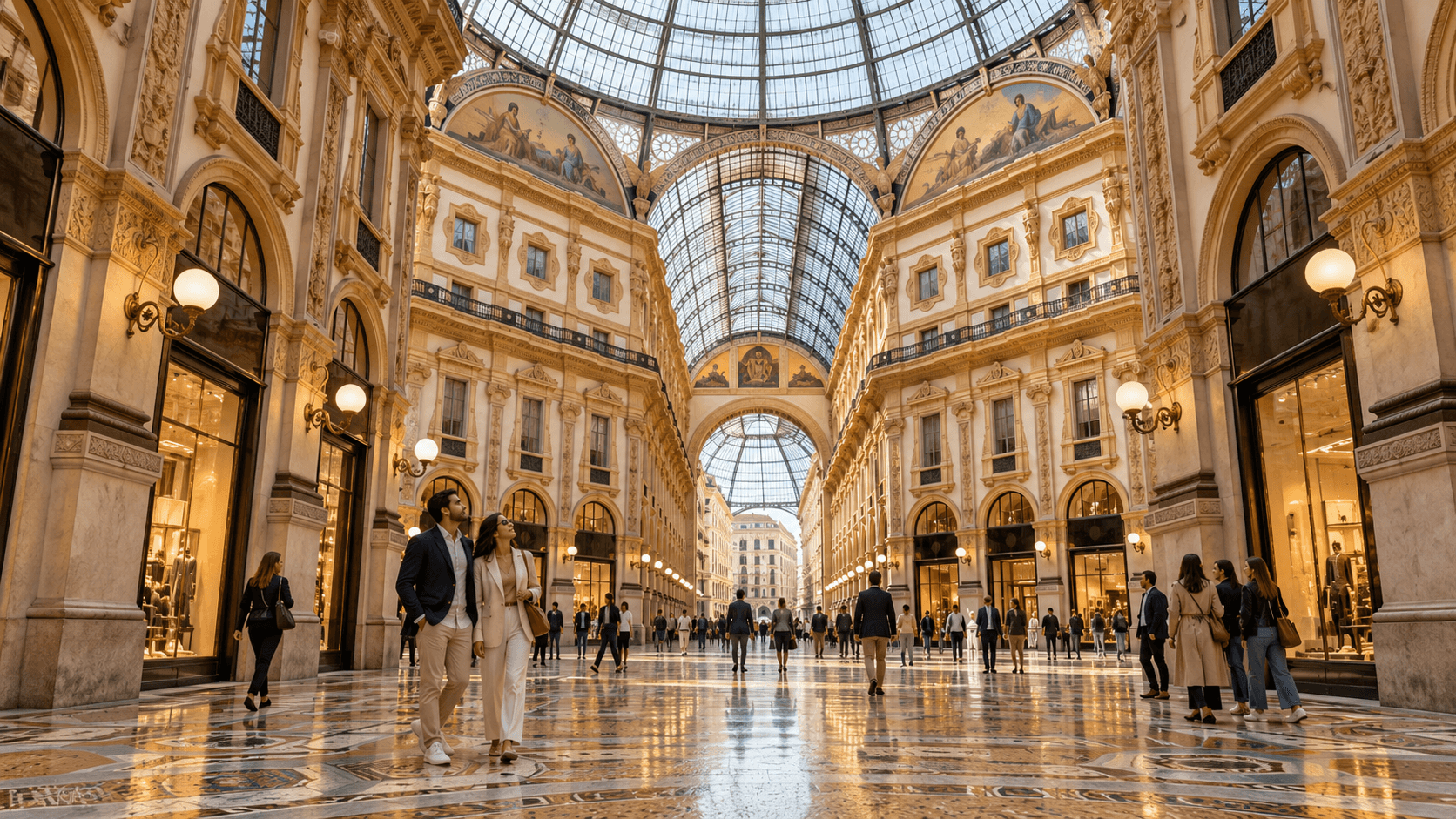
Verona is one of northern Italy’s most compelling historic cities, where Roman monuments, medieval architecture, Renaissance gardens, and lively piazzas sit along the winding Adige River. Less a single destination and more a collection of interconnected historic districts, Verona rewards travelers who explore beyond the famous Arena and Juliet’s balcony. What works in Città Antica does not work in Veronetta: the former concentrates major landmarks and shopping streets, while the latter offers neighborhood cafés, cultural attractions, and access to the eastern hills. Most central sights are walkable, but reaching San Zeno, the railway station, and hillside viewpoints requires more deliberate planning. Two days provide a satisfying introduction, while three days allow time for museums, local food, and the quieter corners that many day-trippers miss. Understanding Verona’s geography, transportation, and neighborhood differences is the key to building a realistic itinerary.
Travel Essentials
Essential information for planning your trip to Verona, from arrival and transportation to historic attractions, local customs, emergency information and seasonal weather.
Verona Quick Facts
Essential details worth knowing before you travel.
Verona is a historic city in northern Italy’s Veneto region, celebrated for its remarkably preserved Roman amphitheater, medieval streets, elegant piazzas and association with Shakespeare’s Romeo and Juliet. Its UNESCO-listed historic center includes the Arena di Verona, Piazza delle Erbe, Castelvecchio and bridges spanning the Adige River. Verona is also a convenient gateway to Lake Garda, Valpolicella wine country and other northern Italian cities.
Arrival Information
Entry requirements and practical considerations for reaching Verona.
Verona follows Italy’s national immigration rules. Italy is part of the Schengen Area. Visa requirements depend on nationality, travel purpose and length of stay. Confirm current entry requirements, including any applicable European travel authorization procedures, before departure.
Passport & Visa
Many travelers can visit the Schengen Area visa-free for short stays, generally subject to the 90-days-in-180-days rule. Other nationalities require a Schengen visa. Passport validity requirements also apply.
Flying In
Verona Villafranca Airport, also known as Valerio Catullo Airport, is the closest commercial airport. Airport shuttle buses connect with Verona Porta Nuova railway station.
Rail Arrival
Verona Porta Nuova is the main railway station, with connections to Milan, Venice, Bologna, Florence, Rome and other Italian destinations. Verona Porta Vescovo also serves selected routes.
Medication & Customs
Travelers entering Italy must follow applicable EU customs regulations. Carry prescription medication in original packaging and check documentation requirements for controlled medicines.
Health Information
Practical healthcare and wellness considerations while visiting Verona.
Healthcare
Verona has hospitals, pharmacies and medical clinics. Emergency care is available, but travelers may need to pay for treatment depending on their insurance and healthcare eligibility.
Vaccinations
Visitors should remain current on routine vaccinations and review any individual travel-health recommendations. Italy generally does not require special vaccinations for ordinary tourist entry.
Travel Insurance
Travel medical insurance is recommended. Some Schengen visa applicants must demonstrate qualifying medical insurance coverage. EU visitors may have access to medically necessary public healthcare under applicable EHIC arrangements.
Summer Heat
Verona can experience hot, humid summer weather. Stay hydrated, use sun protection and plan outdoor sightseeing around cooler hours, especially during heat waves.
Travel Advisory
Common safety and travel considerations for Verona and the surrounding region.
Stay aware in busy visitor areas. Verona is a popular tourism destination. Follow official travel guidance, protect valuables and check local transportation notices during major events and severe weather.
Pickpocketing
Watch belongings around crowded attractions, train stations, buses and popular piazzas. Keep bags secure and avoid leaving phones or valuables unattended.
Flooding & Storms
Heavy rain and thunderstorms can occasionally affect the Adige River area and local transportation. Follow official weather warnings when severe conditions are forecast.
Traffic & Pedestrian Safety
Historic streets may be narrow and busy. Use marked crossings, remain alert to cyclists and vehicles, and observe restricted traffic zones when driving.
Major Events
Arena opera performances, festivals and trade fairs can increase crowds and accommodation demand. Book ahead and allow extra travel time during major events.
Holidays & Busy Periods
National holidays and local events that can influence travel plans.
Visitor Information
Useful details for sightseeing, shopping and daily travel in Verona.
Payments
Credit and debit cards are widely accepted at hotels, restaurants and shops. Carry some euros for small purchases, markets and occasional cash-only situations.
Tipping
Tipping is appreciated but generally not obligatory. Restaurants may charge a coperto, or cover charge. Check the bill before leaving an additional tip.
Tourist Information
Verona’s tourist information services can assist with attractions, guided tours and events. The VeronaCard may offer useful admission benefits for visitors planning several attractions.
Historic Center
Many of Verona’s major attractions are within walking distance of each other. Comfortable shoes are recommended for cobblestone streets and extended sightseeing.
Major Airports
Useful airport options for visiting Verona and northern Italy.
Verona Villafranca Airport
Closest commercial airport to Verona, with European connections and shuttle services to Verona Porta Nuova station.
Milan Bergamo Airport
A regional alternative with many European low-cost airline services. Reaching Verona generally requires road or rail connections.
Venice Marco Polo Airport
Major international gateway for the Veneto region. Verona can be reached through onward bus and rail connections.
Bologna Guglielmo Marconi Airport
Another international airport option, with onward rail connections toward Verona via Bologna’s main station.
Transport in Verona
Explore the historic center and nearby destinations by foot, public transport or rail.
Walking
Walking is one of the best ways to explore central Verona. The Arena, Piazza delle Erbe, Juliet’s House and riverside streets are relatively close together.
City Buses
ATV operates urban bus services connecting the city center, railway station and surrounding neighborhoods. Check routes and ticket rules before boarding.
Regional Trains
Rail services provide convenient connections to Venice, Vicenza, Milan, Bologna and selected destinations near Lake Garda.
High-Speed Trains
High-speed services connect Verona with major Italian cities. Book ahead for potentially better fares on popular routes.
Taxis
Licensed taxis are available at designated ranks, including the railway station and airport. Confirm fares and payment methods before traveling.
Rental Cars
Useful for exploring rural Veneto, Valpolicella and Lake Garda. Central Verona has restricted traffic zones, so verify access and parking arrangements.
Connectivity & Electricity
Mobile service, internet access and device compatibility.
Wi-Fi
Wi-Fi is available in many hotels, restaurants and cafés. Public access may also be available in selected visitor and transportation facilities.
SIM & eSIM
Italian mobile providers offer prepaid SIM options, while travel eSIMs may provide convenient data access. EU roaming rules may benefit eligible visitors with European mobile plans.
Electricity
Italy uses 230V electricity. Type C, Type F and Type L outlets may be encountered. Travelers should bring a suitable plug adapter.
Frequency
Electrical frequency is 50Hz. Check device labels for voltage and frequency compatibility, particularly for appliances.
Laws & Etiquette
Italian regulations and local customs relevant to Verona visitors.
Identification
Carry appropriate identification and comply with lawful requests from authorities. Keep secure copies of important travel documents.
Smoking Rules
Smoking is restricted in many enclosed public places, including restaurants, workplaces and public transportation. Follow posted local regulations.
Restricted Traffic Zones
Verona’s historic center includes ZTL restricted traffic areas. Unauthorized vehicle entry can result in fines, including for rental-car drivers.
Churches & Historic Sites
Dress respectfully when entering churches, observe photography restrictions and follow site-specific visitor rules.
Restaurant Etiquette
Restaurants may list a coperto cover charge. Service customs differ from countries where large percentage-based tipping is standard.
Public Spaces
Respect monuments, fountains and public spaces. Avoid climbing protected structures, littering or ignoring posted municipal regulations.
Emergency Information
Important emergency contacts for travelers in Verona.
112 is the primary European emergency number. It can connect callers with the appropriate emergency services in Italy, including police, fire and medical assistance.
Medical Assistance
Dial 112 for emergencies requiring urgent medical assistance. Pharmacies and healthcare facilities are available throughout Verona.
Lost Passport
Report a lost or stolen passport to local police and contact your embassy or consulate for replacement-document and travel guidance.
Verona Weather by Season
Verona experiences four distinct seasons, with hot summers and cooler winters.
Spring
March – MayMild to warm weather, flowering gardens and occasional rain make spring a popular period for walking tours and sightseeing.
Summer
June – AugustHot, sometimes humid conditions and long daylight hours coincide with Verona’s outdoor opera season and peak visitor activity.
Autumn
September – NovemberTemperatures gradually cool, with opportunities to explore vineyards and nearby wine-producing areas. Rain and fog become more frequent.
Winter
December – FebruaryCool to cold weather, occasional frost and fog create a quieter sightseeing season, with festive atmosphere around the holidays.
Understanding Verona’s Layout and Geography
The Adige River Defines the Historic City
The Adige River curves around much of Verona’s historic center, creating a natural boundary between its principal sightseeing districts and the neighborhoods across the water. Inside the river’s central loop, visitors find the Arena di Verona, Piazza delle Erbe, Piazza dei Signori, and many of the city’s most recognizable buildings.
Across Ponte Pietra, the eastern bank leads toward the Roman theater, Veronetta, and the elevated viewpoint at Castel San Pietro. These areas are close enough to combine on foot but have a noticeably different atmosphere from the busy central shopping streets.
Understanding this arrangement helps travelers avoid unnecessary backtracking. A sensible route moves through the historic core before crossing the river and exploring the eastern hills.
Piazza Bra and the Central Sightseeing Corridor
Piazza Bra is the most useful starting point for a first visit. The large square contains the Roman Arena and connects directly to Via Mazzini, one of Verona’s principal pedestrian shopping streets.
Following Via Mazzini northeast brings visitors toward Piazza delle Erbe and the medieval heart of the city. From there, Piazza dei Signori, Juliet’s House, and several historic churches are within relatively short walking distances.
This compact concentration of attractions makes central Verona particularly suitable for independent sightseeing.
Western Verona and San Zeno
West of Piazza Bra, Castelvecchio and Ponte Scaligero introduce visitors to Verona’s medieval military architecture. Continuing farther west leads toward the Basilica di San Zeno Maggiore and its surrounding neighborhood.
San Zeno feels more residential than the busiest parts of Città Antica. Its restaurants, neighborhood streets, and historic basilica justify a separate sightseeing period rather than a rushed detour.
Verona Porta Nuova and the Railway Corridor
Verona Porta Nuova is the city’s principal railway station, located south of the historic center. Walking to Piazza Bra generally takes approximately 20–30 minutes, depending on pace and luggage.
The station is convenient for arrivals, departures, and regional excursions, but its surroundings offer less historic atmosphere than the central districts.
Visitors making frequent train journeys may appreciate staying nearby, while travelers focused on sightseeing will usually benefit from accommodation closer to Piazza Bra or Città Antica.
Is Verona Worth Visiting?
First-Time Visitors to Northern Italy
Verona is particularly appealing to travelers who want a manageable historic city with significant architecture and cultural attractions. Its relatively compact center makes it easier to explore than larger destinations such as Milan or Rome.
The city also fits naturally into a northern Italy itinerary involving Venice, Lake Garda, Bologna, or Milan. Visitors can experience a distinctive destination without requiring a long stay.
Couples and Romantic Travelers
Verona’s association with Shakespeare’s Romeo and Juliet contributes to its romantic reputation, but the city’s appeal extends far beyond the literary connection.
Evening walks beside the Adige, historic wine bars, atmospheric piazzas, and views from Castel San Pietro create a more varied romantic experience than visiting Juliet’s House alone.
Couples who prefer quieter surroundings may enjoy staying around San Zeno or the less crowded streets near the northern riverfront.
History and Architecture Enthusiasts
Few cities of Verona’s size offer such an accessible combination of Roman, Romanesque, Gothic, and medieval military architecture.
The Arena, Roman theater, Castelvecchio, Basilica di San Zeno, and Arche Scaligere represent different periods of the city’s development. Visitors interested in history can easily fill three days without relying on excursions outside Verona.
Opera and Performing Arts Travelers
Verona’s summer opera festival is a major reason to visit during the warmer months. Attending a performance inside the Roman Arena provides an experience that combines historic architecture with large-scale theatrical production.
Travelers planning around opera should select their dates according to the performance calendar rather than assume performances take place every evening.
Travelers Who May Prefer Another Destination
Verona is less suitable for visitors whose main priorities are beaches, extensive nightlife, or large contemporary art districts.
Although Lake Garda is accessible, Verona itself is an inland historic city. Travelers seeking a waterfront resort experience should consider staying directly beside the lake instead.
Essential Verona Travel Basics
Arriving by Air
Verona Villafranca Airport, also known as Valerio Catullo Airport, lies southwest of the city and serves domestic and international routes.
An airport shuttle connects the airport with Verona Porta Nuova railway station, where travelers can continue by urban bus, taxi, or on foot.
For airport transportation, terminal services, and current passenger information, consult the official airport website at airport transportation.
Travelers arriving through Venice, Milan, or Bologna can also reach Verona by rail, sometimes making those airports practical alternatives depending on flight availability and overall journey time.
Currency, Language, and Payments
Italy uses the euro, and Italian is the primary language in Verona.
English is commonly understood in central hotels, major attractions, and tourism-oriented establishments. However, learning basic Italian greetings and restaurant phrases can make neighborhood experiences more comfortable.
Card payments are widely available, although carrying a small amount of cash remains useful for minor purchases.
Entry Requirements and Travel Documents
International entry requirements depend on nationality, passport type, and intended length of stay. Verona follows Italy’s national immigration rules rather than maintaining separate city entry requirements.
Travelers should confirm the rules applicable to their nationality before departure, particularly when combining Italy with other European destinations.
VeronaCard and Attraction Planning
The VeronaCard is a sightseeing pass intended for visitors planning to enter several participating attractions.
Its value depends on the attractions selected, the validity period, and any reservation requirements. Travelers interested mainly in public squares, bridges, and outdoor viewpoints may not benefit as much as those visiting several museums and monuments.
The official Verona tourism portal at Visit Verona provides information about attractions, visitor services, and sightseeing arrangements.
Before purchasing a pass, compare the attractions you realistically expect to visit rather than attempting to maximize admissions at the expense of enjoying the city.
Local Customs and Practical Safety
Verona is generally straightforward for independent visitors, but normal precautions are appropriate in crowded squares, busy shopping streets, and around railway stations.
Keep valuables secure, especially when sightseeing near Juliet’s House or attending major events around the Arena.
When visiting churches, dress respectfully and follow posted photography and visitor-access rules. Religious services may temporarily restrict sightseeing access.
Verona’s Neighborhoods and Key Districts
Città Antica: Verona’s Historic Heart
Città Antica contains the densest concentration of famous landmarks, medieval streets, historic squares, restaurants, and shopping areas.
Piazza delle Erbe and Piazza dei Signori form the neighborhood’s cultural center, while Via Mazzini connects the district with Piazza Bra.
This is the most convenient area for travelers who want to explore Verona almost entirely on foot. However, accommodation can be expensive, and popular streets become crowded during peak sightseeing hours.
Cittadella and Piazza Bra: Central and Convenient
The area around Piazza Bra combines excellent sightseeing access with relatively convenient connections toward Porta Nuova station.
Visitors can reach the Arena, central restaurants, and Via Mazzini without navigating far into the medieval street network.
This district is particularly useful for first-time visitors, opera attendees, and travelers who want to balance historic atmosphere with transportation convenience.
The principal disadvantage is activity around the Arena, especially on major performance nights.
Veronetta: Cultural and Residential Verona
Veronetta lies across the Adige from the historic core and offers a more residential, student-influenced environment.
Its attractions include the Roman theater, archaeological museum, and Giardino Giusti. The neighborhood also contains cafés, casual restaurants, and streets that receive fewer visitors than the main historic center.
Veronetta suits travelers interested in local atmosphere and cultural exploration. However, some accommodation locations involve longer walks to the Arena and railway station.
San Zeno: Traditional Neighborhood Character
San Zeno centers on the Basilica di San Zeno Maggiore, one of Verona’s most important religious monuments.
The surrounding district offers a quieter setting with neighborhood restaurants, small squares, and traditional streets.
It works especially well for travelers who prefer a relaxed accommodation base while remaining within walking distance of Castelvecchio and the western historic center.
Borgo Trento: A Quieter Residential Base
Borgo Trento lies north and northwest of the central Adige loop.
The district is primarily residential, with local shops, restaurants, and accommodation away from the busiest tourist corridors.
Its suitability depends on the exact location. Properties close to the river crossings may be convenient, while those farther north can require additional walking or bus journeys.
Verona’s Major Attractions and Landmarks
Arena di Verona
The Arena di Verona is the city’s defining monument and one of the best-preserved Roman amphitheaters still used for major performances.
Constructed during the first century CE, the amphitheater demonstrates the scale and engineering achievements of Roman Verona. Its stone seating and monumental structure are impressive even without attending an event.
A standard sightseeing visit generally deserves around one hour, although access can be affected by performances and preparations.
Visitors attending an opera should treat the performance as a separate evening experience rather than combining it with an ordinary daytime admission.
Piazza delle Erbe
Piazza delle Erbe occupies the location of Verona’s ancient Roman forum and remains one of its most atmospheric public spaces.
Historic façades, the Madonna Verona fountain, market activity, and surrounding cafés create a lively setting throughout the day.
Morning visits can be more comfortable for photography and architectural appreciation, while evenings bring a different atmosphere as restaurants and wine bars become active.
Combine the square with Piazza dei Signori and Torre dei Lamberti for an efficient historic-center route.
Juliet’s House
Casa di Giulietta is one of Verona’s most internationally recognizable attractions because of its association with Shakespeare’s Romeo and Juliet.
The famous balcony and courtyard attract visitors interested in the literary tradition, although the fictional story should not be mistaken for documented history.
The attraction is relatively small, and crowding can be significant. Visitors should check current admission and reservation arrangements before arriving.
Travelers with limited time should consider whether the literary connection is a personal priority or whether Verona’s Roman and medieval monuments offer greater interest.
Castelvecchio Museum
Castelvecchio is a medieval fortress built under the Scaliger dynasty and now houses an important art museum.
Its defensive walls, courtyards, towers, and museum galleries provide insight into Verona’s medieval political and artistic history.
The museum is especially worthwhile for visitors interested in architecture, sculpture, and painting. Allow approximately two hours for a comfortable visit.
Ponte Scaligero
Ponte Scaligero connects directly with Castelvecchio and is one of Verona’s most distinctive medieval bridges.
Its fortified red-brick design and position above the Adige make it an excellent photography location.
The bridge is also a useful walking connection between the castle area and the western riverbank.
Torre dei Lamberti
Torre dei Lamberti rises above the historic center and provides panoramic views over Verona’s rooftops, squares, and surrounding hills.
It is particularly valuable for visitors who enjoy elevated viewpoints but do not want to travel outside the central sightseeing district.
Access arrangements and lift availability should be checked before visiting, especially for travelers with mobility concerns.
Basilica di San Zeno Maggiore
The Basilica di San Zeno Maggiore is one of Verona’s finest examples of Romanesque architecture.
Its bronze doors, historic artworks, and architectural details reward visitors interested in religious and medieval history.
Because the basilica sits west of the main tourist corridor, it is best combined with Castelvecchio and the San Zeno neighborhood rather than added as a quick detour from Ponte Pietra.
Ponte Pietra and Castel San Pietro
Ponte Pietra is a historic river crossing that connects central Verona with the eastern hillside.
From the bridge, visitors can continue toward Castel San Pietro for expansive views of the Adige, the Roman theater, and the historic city.
The uphill route involves steps, although a funicular normally provides an alternative when operating.
Late afternoon is a particularly attractive time for photography, especially when the light falls across Verona’s rooftops.
Verona’s Cultural and Historic Highlights
A UNESCO World Heritage City
Verona’s historic center is recognized for its exceptional preservation of Roman, medieval, and Renaissance urban architecture.
The city developed continuously over approximately two thousand years, retaining significant elements of its ancient street network, fortifications, religious buildings, and public spaces.
UNESCO explains Verona’s architectural significance and historic development at UNESCO.
Visitors can appreciate this layered history by walking from the Arena through Piazza delle Erbe toward the medieval Scaliger monuments and the river crossings.
The Roman Theatre and Archaeological Museum
The Teatro Romano stands across the Adige from the historic center, near Ponte Pietra.
Its hillside setting distinguishes it from the larger Arena, while the adjacent archaeological museum provides historical context through ancient objects and displays.
The combination is particularly worthwhile for travelers interested in Roman history and archaeology. Allow approximately 90 minutes to two hours for a relaxed visit.
Because the theater lies below Castel San Pietro, the two attractions combine naturally into a half-day exploration of the eastern riverbank.
The Scaliger Dynasty
The Scaliger family played a major role in Verona’s medieval development, influencing its fortifications, political institutions, and architectural identity.
Castelvecchio and Ponte Scaligero demonstrate the military power of the dynasty, while the Arche Scaligere near Piazza dei Signori display elaborate Gothic funerary architecture.
These monuments are more meaningful when viewed together because they reveal different aspects of medieval Verona: government, defense, and dynastic representation.
Verona’s Historic Churches
Verona’s churches provide a broader architectural experience than the city’s most famous monuments alone.
Basilica di San Zeno Maggiore is especially important for Romanesque architecture, while Basilica di Santa Anastasia represents the city’s Gothic heritage. Verona Cathedral and San Fermo Maggiore add further artistic and historical variety.
Travelers interested in religious architecture should choose two or three churches rather than attempting every major site in a single afternoon.
Opera at the Roman Arena
The Arena di Verona Opera Festival is one of the city’s signature cultural events.
Its open-air performances combine large-scale productions with the remarkable setting of an ancient Roman amphitheater.
The official Arena di Verona Foundation website at Arena provides performance schedules and visitor information.
For travelers attending opera, performance timing should influence dinner reservations, clothing choices, and accommodation location. An evening at the Arena can extend late, making a centrally located hotel particularly convenient.
Where to Go in Verona for Different Experiences
For Classic First-Time Sightseeing
The central walking route from Piazza Bra to Piazza delle Erbe is the most efficient introduction to Verona.
Begin with the Arena, continue along Via Mazzini, and explore the streets around Piazza dei Signori. This route includes major Roman and medieval landmarks without requiring public transportation.
Allow at least half a day, especially if entering the Arena or climbing Torre dei Lamberti.
For Scenic River Walks
The Adige riverfront provides some of Verona’s most memorable views.
Ponte Pietra is especially rewarding because it combines historic architecture, flowing water, and the eastern hills in a single setting.
Visitors can continue toward the Roman theater and Castel San Pietro, creating a scenic walking route that contrasts with the crowded streets around Piazza delle Erbe.
Late afternoon is particularly appealing for photography, although the viewpoint can become busy near sunset.
For Gardens and Green Spaces
Giardino Giusti is one of Verona’s most attractive historic gardens, located in Veronetta.
Its formal landscaping, cypress trees, terraces, and elevated viewpoints provide a peaceful alternative to the central piazzas.
The garden is best combined with other attractions east of the Adige rather than visited as an isolated journey from Piazza Bra.
Travelers who prefer slower sightseeing should allow enough time to explore the grounds without rushing.
For Shopping and Historic Streets
Via Mazzini is Verona’s principal central shopping corridor, connecting Piazza Bra with the medieval center.
Its retail stores and elegant buildings attract visitors throughout the day.
For a more varied experience, explore Corso Porta Borsari and the surrounding streets, where shops, historic architecture, and smaller cafés create a different atmosphere.
Travelers seeking a quieter experience may prefer browsing around San Zeno rather than spending their entire shopping time in the busiest central streets.
For Evening Atmosphere
Piazza delle Erbe becomes particularly lively in the evening as visitors gather around restaurants, cafés, and wine bars.
Piazza Bra has a different character, especially during the opera season when performances draw large crowds to the Arena.
For a quieter evening, walk along the Adige or choose a smaller restaurant in San Zeno or Veronetta.
Food and Drink Experiences in Verona
Traditional Veronese Dishes
Verona’s cuisine reflects the agricultural traditions of Veneto and the surrounding countryside.
Risotto all’Amarone is one of the region’s distinctive dishes, combining rice with Amarone wine from nearby Valpolicella. The result is a rich, deeply flavored risotto associated with the area’s winemaking culture.
Pastissada de caval is a traditional slow-cooked horse-meat stew, often served with polenta. Visitors who do not eat horse meat should check ingredients before ordering regional stews.
Gnocchi also hold an important place in Verona’s food traditions, particularly during Carnival celebrations.
Traditional Osterie and Local Dining
An osteria is an excellent place to explore Veronese cuisine in a relaxed setting.
The historic center contains many establishments serving regional pasta, risotto, meat dishes, and local wines. However, restaurants directly beside major landmarks may charge more for their prominent locations.
Travelers should explore streets beyond Piazza delle Erbe and Piazza Bra when looking for quieter dining.
San Zeno and Veronetta are particularly worthwhile areas for experiencing neighborhood restaurants.
Valpolicella and Regional Wines
Verona is closely connected with the Valpolicella wine region, located in the surrounding hills.
Amarone della Valpolicella is known for its rich, concentrated character, while Valpolicella Classico and Ripasso offer different expressions of the region’s red wines.
Wine bars in the historic center provide an accessible introduction without requiring transportation outside the city.
Travelers with additional time can consider visiting wineries in Valpolicella, although advance arrangements may be necessary.
Coffee, Bakeries, and Casual Meals
Verona’s cafés are useful stops between sightseeing attractions.
A morning cappuccino and pastry provide a simple introduction to Italian breakfast habits, while espresso is commonly enjoyed quickly at the counter.
For lunch, sandwiches, pizza by the slice, and casual pasta dishes can reduce both cost and time.
Smaller cafés around San Zeno and Veronetta often provide a more relaxed setting than the busiest tourist squares.
Where to Eat in Verona
Piazza delle Erbe is ideal for travelers who value historic atmosphere and lively evening surroundings. It is convenient but often busy and relatively expensive.
The streets around Corso Porta Borsari offer a mix of wine bars, restaurants, and central dining options.
San Zeno suits travelers looking for a quieter neighborhood meal, while Veronetta provides casual cafés and varied local restaurants.
For a two-night stay, dining in two different districts offers a more rounded experience than returning to the same central square each evening.
Getting Around Verona
Walking Is the Best Way to Explore
Central Verona is highly walkable, particularly around Piazza Bra, Piazza delle Erbe, Piazza dei Signori, and Ponte Pietra.
The compact street network allows visitors to combine major attractions without relying on buses or taxis.
However, distances become more noticeable when including San Zeno, Veronetta, and Castel San Pietro.
Travelers should account for uneven paving, cobblestones, and occasional steps when planning longer walks.
Public Buses
Verona’s urban bus network connects the railway station, historic center, residential neighborhoods, and surrounding districts.
Buses are particularly useful for travelers staying outside the central sightseeing area or arriving at Porta Nuova with luggage.
The official Verona tourism transportation guidance at how will you get around explains local transportation options and how visitors can move around the city.
Once inside Città Antica, most travelers will find walking more convenient than repeatedly using public transportation.
Airport Transfers
Verona Villafranca Airport is approximately 12 kilometers southwest of the historic center.
The airport shuttle connects with Porta Nuova railway station, providing a practical arrival route for visitors continuing into the city.
Travelers staying near Piazza Bra can continue by local bus, taxi, or on foot.
A taxi may be more convenient for late arrivals, travelers with substantial luggage, or accommodation that requires additional transfers.
Rail Connections
Verona Porta Nuova is an important railway hub for northern Italy.
Direct trains connect Verona with destinations including Venice, Milan, Bologna, and several locations around Lake Garda.
Italy’s national railway operator provides schedules and journey information through Trenitalia.
High-speed services are particularly useful for longer intercity journeys, while regional trains can be practical for shorter trips.
Taxis and Private Transportation
Taxis are useful for airport transfers, late-night journeys, and situations involving heavy luggage.
They are generally unnecessary for sightseeing inside the historic center, where pedestrian routes are often more convenient.
Visitors should use authorized taxi services and confirm payment arrangements when necessary.
Do You Need a Rental Car?
Most travelers visiting Verona for two or three days do not need a car.
The historic center includes restricted traffic areas, narrow streets, and parking limitations. Driving can create unnecessary expense and logistical complications.
A rental car becomes more useful when exploring rural Valpolicella, countryside villages, or destinations poorly served by public transportation.
Travelers combining Verona with a regional road trip should consider collecting a car after completing their city sightseeing.
Where to Stay in Verona
Città Antica: Best for Historic Atmosphere
Staying in Città Antica places visitors within walking distance of Verona’s principal attractions.
Accommodation near Piazza delle Erbe, Piazza dei Signori, or Corso Porta Borsari is particularly convenient for travelers who want to explore the historic center throughout the day and return easily after dinner.
The main disadvantages are potentially higher prices, pedestrian congestion, and evening noise.
Travelers should check whether their accommodation faces a busy square or restaurant street, especially when visiting during summer.
Piazza Bra and Cittadella: Best for First-Time Visitors
The area around Piazza Bra offers a practical balance between sightseeing convenience and transportation access.
The Arena, Via Mazzini, and many restaurants are nearby, while Porta Nuova station is more accessible than from some northern parts of the medieval center.
This location is particularly appealing for opera visitors and travelers arriving by train.
Accommodation close to the Arena may experience increased activity during major performances.
San Zeno: Best for Quiet Neighborhood Stays
San Zeno provides a calmer environment while remaining connected to the historic center by walking routes.
The district’s traditional restaurants, attractive streets, and important basilica make it appealing for couples and slower travelers.
However, reaching Ponte Pietra and eastern Verona requires more walking than from a central hotel.
Veronetta: Best for Local Atmosphere
Veronetta suits travelers who enjoy residential streets, independent cafés, and cultural attractions outside the main tourist corridor.
Accommodation may offer better value than comparable central properties, although prices depend on location and travel dates.
Visitors should check the walking route to the historic center and railway station before booking.
Porta Nuova: Best for Train-Based Travel
Accommodation near Porta Nuova station is particularly convenient for short overnight stays and itineraries involving multiple rail journeys.
The area provides straightforward transportation access but lacks the historic atmosphere of Città Antica.
For a two-night sightseeing visit, staying closer to Piazza Bra will often provide a more enjoyable balance.
Verona Travel Budget and Daily Costs
Budget Travel in Verona
Verona can be explored economically by choosing modest accommodation, walking between attractions, and focusing on free public spaces.
Piazza delle Erbe, Ponte Pietra, Ponte Scaligero, and many historic streets can be enjoyed without paying admission.
Budget travelers should consider accommodation outside the busiest historic streets while checking that the savings are not offset by transportation costs.
Casual cafés, bakeries, and simple neighborhood restaurants can also reduce daily spending.
Mid-Range Travel
Mid-range visitors can balance centrally located accommodation with selected museum admissions and comfortable restaurant meals.
A two-day itinerary might include the Arena, Castelvecchio Museum, one or two churches, and an evening exploring local wine bars.
The largest variable is usually accommodation, particularly during summer performances and popular weekends.
Higher-End Travel
Travelers seeking a more luxurious experience can choose boutique accommodation in the historic center, refined restaurants, private cultural experiences, and premium opera seating.
The surrounding Valpolicella region also offers opportunities for more specialized wine experiences.
Higher-end travelers should book well ahead when visiting during major cultural events.
Illustrative Daily Budget Estimates
The following amounts are broad planning estimates per person, assuming two travelers share accommodation. They are not live quotations and exclude international flights and major intercity transportation.
Budget Travelers: Expect to spend approximately €75–130 per person per day, including basic accommodation, affordable meals, local transportation, and selected attractions.
Mid-Range Travelers: Plan for approximately €140–250 per person per day, allowing for comfortable accommodation, restaurant dining, and several paid attractions.
Higher-End Travelers: Budget approximately €280–500 or more per person per day for upscale accommodation, fine dining, premium experiences, and additional comforts.
Accommodation, restaurant choices, and paid cultural experiences account for most of the differences.
VeronaCard Costs and Value
For visits beginning September 1, 2026, the official VeronaCard prices are €33 for 24 hours and €38 for 48 hours, including eligible urban bus transportation.
The official tourism information at Visit Verona explains current prices, participating attractions, and exclusions.
The card does not include the Castel San Pietro funicular or the Lamberti Tower lift supplement. Visitors should also check advance reservation requirements for individual attractions.
The pass is most useful when several included attractions fit naturally into the itinerary. Buying it solely because it appears convenient may not produce meaningful savings.
Seasonal Cost Differences
Summer opera dates can increase accommodation demand, particularly around major performances.
Spring holidays and popular autumn weekends may also attract visitors, while quieter winter periods can offer better accommodation value.
Travelers with flexible schedules should compare weekday and weekend rates before selecting travel dates.
Best Verona Areas by Traveler Type
First-Time Visitors: Piazza Bra or Città Antica
These areas offer the most convenient access to Verona’s major attractions.
Piazza Bra is especially practical for train arrivals and opera performances, while Città Antica provides a more immersive historic atmosphere.
The choice depends on whether transportation convenience or medieval surroundings matter more.
Couples: Città Antica or San Zeno
Couples seeking atmospheric evening walks, restaurants, and historic surroundings will appreciate Città Antica.
San Zeno is a stronger alternative for those who prefer quieter streets and neighborhood dining.
The tradeoff is walking distance: Città Antica is more central, while San Zeno requires longer journeys to some eastern attractions.
Families: Cittadella
Cittadella provides relatively convenient access to central sightseeing without requiring accommodation deep inside the busiest medieval lanes.
Families can reach Piazza Bra and many restaurants on foot while maintaining reasonable access to transportation.
The area is particularly practical for visitors managing luggage or younger children.
Budget Travelers: Veronetta or Porta Nuova
Veronetta can offer accommodation value alongside neighborhood character.
The Porta Nuova area is convenient for train-based itineraries and may provide more economical lodging options.
Travelers should compare actual accommodation prices and walking distances rather than assume either area is always cheaper.
Food and Wine Travelers: San Zeno or Città Antica
San Zeno offers neighborhood restaurants and a relaxed atmosphere, while Città Antica provides a larger concentration of wine bars and dining establishments.
Visitors interested in exploring regional cuisine may enjoy staying in one district and dining in the other.
Culture Travelers: Città Antica or Veronetta
Città Antica is ideal for major museums, churches, and medieval landmarks.
Veronetta offers easier access to the Roman theater, archaeological museum, and Giardino Giusti.
Travelers planning several cultural visits should choose accommodation according to the attractions they expect to prioritize.
Realistic Verona Itineraries
One Day in Verona: Essential Historic Highlights
A single day is sufficient for Verona’s principal outdoor landmarks and one or two major attractions.
Morning: Piazza Bra and the Arena
Begin at Piazza Bra and explore the exterior of the Arena di Verona.
If visitor access is available, enter the amphitheater to appreciate its Roman construction and historic seating.
Continue along Via Mazzini toward Piazza delle Erbe, allowing time for coffee and exploring the smaller surrounding streets.
Afternoon: Medieval Squares and Ponte Pietra
Visit Piazza dei Signori and the nearby Scaliger monuments before continuing toward the northern part of the historic center.
Walk to Ponte Pietra and cross the Adige toward the Roman theater area.
Travelers with sufficient energy can continue uphill toward Castel San Pietro for panoramic views.
Evening: Historic Center Dining
Return toward Piazza delle Erbe for dinner or choose a smaller restaurant away from the busiest squares.
This route minimizes unnecessary transportation and provides a strong introduction to Verona’s historic identity.
Two Days in Verona: The Recommended First Visit
Two days allow travelers to see the major landmarks while exploring the neighborhoods that distinguish Verona from a simple day-trip destination.
Day 1: Roman and Medieval Verona
Start with the Arena and Piazza Bra, then follow Via Mazzini toward Piazza delle Erbe.
Explore Piazza dei Signori, Torre dei Lamberti, and the surrounding medieval streets.
After lunch, continue toward Ponte Pietra and Castel San Pietro.
Spend the evening in the historic center, allowing time for a relaxed dinner or wine bar.
Day 2: Castelvecchio, San Zeno, and Veronetta
Begin at Castelvecchio Museum and walk across Ponte Scaligero.
Continue west toward Basilica di San Zeno Maggiore and explore the surrounding neighborhood.
After lunch, return toward the center and cross the Adige into Veronetta.
Choose between Giardino Giusti and the Roman theater depending on your interests, available time, and attraction schedules.
This itinerary combines the city’s most famous sights with a more varied neighborhood experience.
Three Days in Verona: A Deeper Cultural Visit
A third day is worthwhile for travelers who enjoy museums, architecture, gardens, and slower exploration.
Day 1: The Historic Center
Explore Piazza Bra, the Arena, Piazza delle Erbe, and Piazza dei Signori.
Include Torre dei Lamberti or Juliet’s House according to personal interest.
Finish with an evening walk and dinner in Città Antica.
Day 2: Western Verona and San Zeno
Spend the morning at Castelvecchio Museum and Ponte Scaligero.
Continue to Basilica di San Zeno Maggiore, then enjoy lunch in the surrounding district.
Use the afternoon for additional churches, smaller historic streets, or a relaxed riverside walk.
If visiting during opera season, consider attending a performance that evening.
Day 3: Roman History and Eastern Verona
Cross Ponte Pietra and explore the Roman theater and archaeological museum.
Continue through Veronetta toward Giardino Giusti.
Finish the afternoon at Castel San Pietro or in one of the district’s quieter cafés.
This final day provides a slower experience and avoids repeatedly crossing the city.
Optional Fourth Day: Lake Garda
Travelers staying longer can use Verona as a base for exploring southern Lake Garda.
Peschiera del Garda is convenient by train, while other lakeside destinations may require buses, ferries, or additional connections.
For a relaxed day trip, focus on one or two nearby towns rather than attempting to explore the entire lake.
Lake Garda is best treated as a separate excursion, not as another attraction within Verona’s historic center.
Best Time to Visit Verona
Spring: Comfortable Walking and Gardens
Spring is one of the most appealing seasons for exploring Verona.
April and May generally provide comfortable conditions for walking between historic landmarks, visiting Giardino Giusti, and enjoying outdoor cafés.
Rain remains possible, particularly during changeable weather periods, so travelers should carry a lightweight waterproof layer.
Spring weekends and holidays can be busy, making weekday sightseeing attractive for visitors with flexible schedules.
Summer: Opera and Long Evenings
Summer is Verona’s most important performing arts season, with the Arena hosting major open-air productions.
June, July, and August can bring hot conditions, especially during midday sightseeing.
Visitors should prioritize outdoor attractions in the morning, schedule indoor museums during hotter periods, and leave time for afternoon breaks.
Opera performances can increase accommodation demand, so travelers should arrange lodging and event tickets well in advance when dates are fixed.
Autumn: Wine Country and Milder Weather
September and October offer an attractive combination of historic sightseeing, regional food, and access to nearby wine-producing areas.
The Valpolicella region becomes particularly interesting during the grape-harvest period, although individual winery experiences require advance planning.
Early autumn can remain popular, while later autumn brings shorter daylight hours and a greater possibility of rain.
Travelers planning extended walks should begin sightseeing earlier as daylight decreases.
Winter: Quieter Museums and Festive Streets
Winter provides a different perspective on Verona, with fewer visitors outside holidays and major events.
December can bring seasonal decorations and festive activities, while January and February often offer a quieter atmosphere for museums and churches.
Cold, damp conditions are possible, and daylight hours are limited compared with summer.
Winter visitors should prioritize indoor cultural attractions and check seasonal opening schedules.
Choosing the Best Season
For general sightseeing, late spring and early autumn provide a strong balance between comfortable weather and outdoor activities.
Summer is particularly worthwhile for travelers attending the Arena Opera Festival.
Winter can be rewarding for visitors who prioritize architecture, museums, and a slower atmosphere over outdoor dining and long evenings.
Common Verona Planning Mistakes
Focusing Too Much on Juliet’s House
Juliet’s House is internationally famous, but it represents only a small part of Verona’s cultural significance.
Travelers who devote too much time to the balcony may miss more substantial attractions such as Castelvecchio, Basilica di San Zeno, and the Roman theater.
The better approach is to treat Juliet’s House as one optional stop within a broader historic-center itinerary.
Trying to Visit Every Attraction in One Day
Verona’s compact layout can create the impression that every major attraction is easy to visit in a single day.
Although walking distances are manageable, museum visits, church interiors, queues, and hillside routes require additional time.
One-day visitors should focus on the central sightseeing corridor and select only one or two paid attractions.
Ignoring Arena Performance Schedules
The Arena functions as both a historic monument and an active performance venue.
Rehearsals, staging, and events can affect visitor access, particularly during the summer festival season.
Travelers should check current arrangements before planning a visit. The official municipal website at comune provides city information and public updates relevant to visitors.
Choosing Accommodation Without Checking Walking Routes
A hotel advertised as centrally located may still require a significant walk to Piazza Bra or Piazza delle Erbe.
This is particularly important for accommodation in outer residential districts and near the railway station.
Travelers should check actual pedestrian routes, bridge locations, and transportation connections before booking.
Driving Into Restricted Historic Streets
Verona’s historic center includes restricted traffic zones and areas where vehicle access is controlled.
Visitors arriving by car should confirm parking arrangements and authorized access with their accommodation provider.
For most city sightseeing, walking and public transportation are simpler than driving.
Underestimating Castel San Pietro’s Climb
The viewpoint above Ponte Pietra is one of Verona’s most rewarding scenic locations, but reaching it on foot involves an uphill route and steps.
The climb can be tiring during hot weather or after a full day of sightseeing.
Travelers who prefer an easier ascent should check whether the funicular is operating before visiting.
Treating Lake Garda as Part of Central Verona
Lake Garda is accessible from Verona, but visiting the lake requires a separate transportation plan.
Attempting to combine several lakeside towns with a full day of Verona sightseeing can produce an unnecessarily rushed itinerary.
Travelers should dedicate a separate day to the lake when possible.
What to Pack and Prepare for Verona
Walking Shoes for Historic Streets
Comfortable walking shoes are essential for exploring Verona’s cobblestones, uneven paving, and pedestrian streets.
Visitors planning to walk between Città Antica, San Zeno, and Veronetta should expect several hours on foot.
Supportive footwear is particularly important when climbing toward Castel San Pietro.
Clothing for Churches and Historic Sites
Travelers should bring clothing suitable for entering religious buildings, where modest dress may be required.
Lightweight layers are useful in spring and autumn, while breathable fabrics help during summer sightseeing.
Winter visitors should prepare for colder temperatures and potentially damp conditions.
Opera Performance Preparation
Visitors attending an Arena performance should consider seating comfort, weather, and the length of the production.
Historic stone seating may be less comfortable than modern theater seats, depending on the ticket category.
Check the event’s current rules regarding cushions, bags, food, and permitted personal items before attending.
Even after a warm day, a light layer can be useful during an extended evening performance.
Rain Protection and Seasonal Weather
A compact umbrella or lightweight rain jacket is useful during spring and autumn.
Summer visitors should carry drinking water and sun protection, particularly when walking through exposed piazzas.
Winter travelers should bring warm layers and weather-resistant footwear for extended outdoor sightseeing.
Tickets, Reservations, and Digital Navigation
Keep accommodation confirmations, attraction reservations, and transportation information accessible on a phone.
Offline maps can help visitors navigate the narrow streets around Piazza delle Erbe and the quieter parts of Veronetta.
Travelers using the VeronaCard should check activation rules and any attraction-specific reservation requirements before arriving.
Where to Go Next
Verona’s position in northern Italy makes it an excellent starting point for exploring nearby cities, lakes, and historic regions. Its railway connections allow travelers to continue toward several destinations without returning to a major international airport.
Lake Garda
Lake Garda is the most natural extension of a Verona city break, offering waterfront towns, scenic promenades, historic fortifications, and mountain views. Peschiera del Garda is particularly convenient by train, while other lakeside destinations can be reached through additional local transportation.
Venice
Venice provides a striking contrast to Verona through its canals, islands, historic palaces, and distinctive pedestrian geography. Direct rail connections make it a logical continuation for travelers exploring the Veneto region.
Mantua
Mantua offers Renaissance palaces, historic squares, and a quieter urban atmosphere surrounded by lakes. It is particularly rewarding for travelers interested in art, architecture, and the cultural history of northern Italy.
Bologna
Bologna is an excellent next destination for food travelers and architecture enthusiasts. Its medieval towers, extensive porticoes, and celebrated culinary traditions create a different experience from Verona’s Roman and medieval landmarks.
Milan
Milan offers a more metropolitan experience, combining major museums, fashion, design, and contemporary city life. Direct rail connections make it a convenient westward continuation of a northern Italy itinerary.
For travelers with only one additional day, Lake Garda is the simplest regional extension. Those planning a longer journey can combine Verona with Venice, Bologna, or Milan to experience several distinct sides of northern Italy.