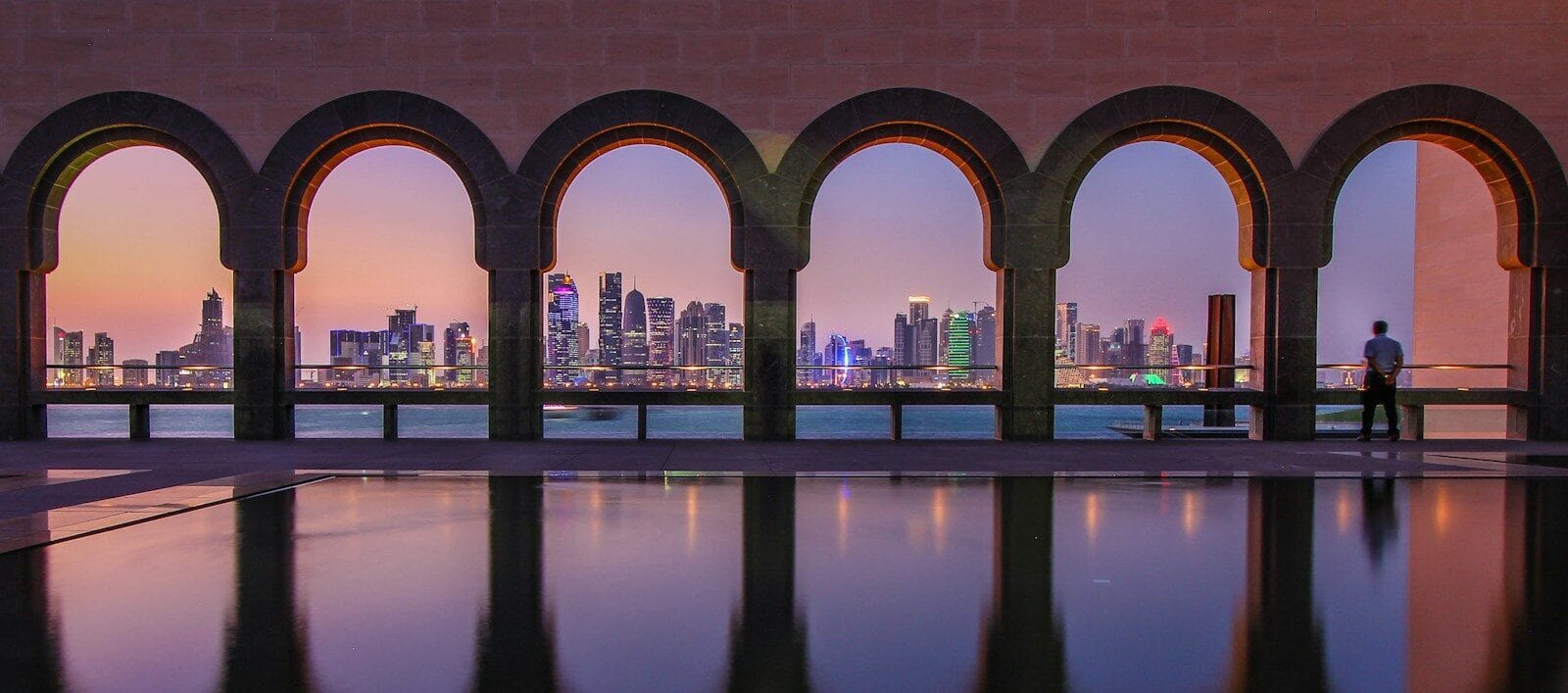
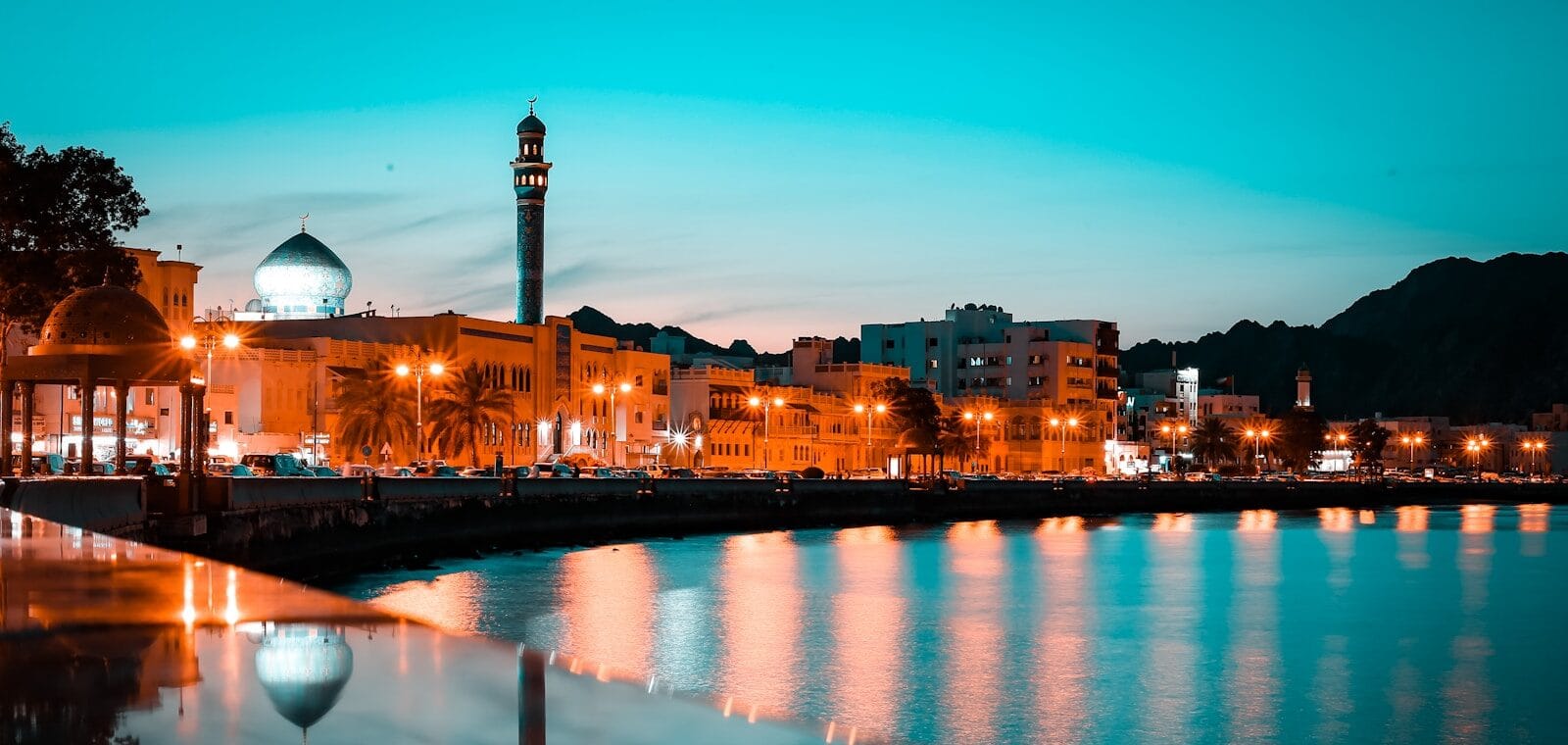
UAE Travel Guide: Modern Wonders, Culture, and Nature
Intro to UAE Travel Guide
The United Arab Emirates blends centuries-old desert traditions with ambitious skylines, world-class museums, and coastal cities shaped by trade, migration, and innovation. Travelers come for futuristic architecture, golden beaches, mountain wadis, and one of the world’s most multicultural dining scenes—all within a nation smaller than Portugal. This UAE travel guide helps you navigate its emirates, heritage, landscapes, and logistics with clarity, whether you’re planning a short break or a full Gulf journey.
For a seamless trip, browse top-rated UAE tours and curated activities that highlight the best things to do in the United Arab Emirates.
Exploring United Arab Emirates
Abu Dhabi | Ajman | Dubai | Fujairah | Ras Al Khaimah | Sharjah | Umm Al Quwain
💡Quick Facts:
Country: United Arab Emirates (UAE) — federation of seven emirates.
Area: 83,600 km² / 32,278 mi² (estimate; no single official consolidated figure — based on UAE Federal Competitiveness & Statistics Centre data checked Nov 2025).
Population: ~10.2 million (2024 est.) — official statistics via Federal Competitiveness & Statistics Centre
Capital: Abu Dhabi; Largest City: Dubai.
Official Language: Arabic (ISO 639-1: ar). English widely used in business and tourism.
Currency: UAE Dirham (AED).
Time Zone: UTC +4 (no daylight savings).
Climate: Hot desert climate; extremely hot summers, mild/warm winters.
Known For: Iconic skylines (Burj Khalifa), desert landscapes, Gulf beaches, heritage forts, Sheikh Zayed Grand Mosque, major international events.
Major Religions: Islam (official). Respectful behavior required at religious sites.
🛂Arrival Info:
Entry Requirements: Visa-free/visa-on-arrival for many nationalities; others require an eVisa. Check nationality-specific rules via UAE Federal Authority for Identity, Citizenship, Customs & Port Security (ICP): https://smartservices.icp.gov.ae
Border Notes: GCC nationals travel with national ID; non-GCC enter via passport. No departure tax for commercial flights.
Customs: Alcohol, medication, tobacco, and cash import rules published by UAE Customs — Dubai Customs reference: https://www.dubaicustoms.gov.ae
🏥Health Info:
Vaccines: No mandatory vaccines for tourism. Routine immunizations recommended; guidance via UAE Ministry of Health & Prevention (MOHAP)
Advisories: Extreme heat exposure (May–Sept).
Medical Care: Modern hospitals in all major cities; emergency services widely available.
Water: Tap water treated and generally safe in major cities; many hotels provide bottled water.
Insurance: Strongly recommended due to medical costs.
🚑 Check travel insurance options for travel emergencies, delays, and medical needs abroad — Get coverage here
💉 Stay Informed with Official Updates: WHO – International Travel & Health | CDC – Travel health updates
🚨Travel Advisory:
Local Considerations: Strict laws on public behavior, alcohol, and online activity.
Civil Rights Notes: Same-sex relations can fall under morality laws; travelers should review legal framework via UAE Government portal
🌍Track Real-Time Official Updates: US Travel Advisory | UK Foreign Travel Advice | Government of Canada | NZ SafeTravel
💰Visitor Info:
Currency Use: AED widely accepted; cards common.
Tipping: Optional but common (restaurants 10–15%).
Tourist Taxes: Hotel municipality fees vary by emirate; Dubai Tourism Dirham applies — Dubai DTCM.
Prices:
• Coffee: AED 12–20
• Metro ride: AED 3–8
• Average meal: AED 35–70
🛫Airports:
The UAE is a major global air travel hub with several international airports:
Dubai International Airport (DXB) – One of the world’s busiest; hub for Emirates.
Abu Dhabi International Airport (AUH) – Hub for Etihad Airways.
Sharjah International Airport (SHJ) – Budget-friendly alternative.
Al Maktoum International (DWC) – Future mega hub; currently low-traffic.
All airports have metro, bus, or taxi links; DXB and AUH have smart gates for fast immigration
🧳 Delayed or canceled flight? Check if you’re eligible for compensation
🚍Transports:
Local Transit:
• Dubai Metro, Tram, and Buses — RTA Dubai
• Abu Dhabi Bus network — Integrated Transport Centre (ITC)
Intercity: Buses connect Dubai, Abu Dhabi, Sharjah, Ajman, RAK, Fujairah.
Driving: Right side of road; IDP recommended if your license is not from an approved country.
Ride-Hailing: Uber, Careem widely used.
🚗 Book reliable airport transfers and in-city rides in advance. Reserve your ride here
🛰️Connectivity:
SIM/eSIM: Etisalat and du — official links:
• Etisalat
• du
Wi-Fi: Strong availability in hotels, malls, airports.
Power: Type G plug; 230V, 50Hz.
🛜 Stay connected abroad with affordable eSIM data packs. Get your eSIMS here
📜Laws & Etiquette:
Alcohol: Sale/consumption regulated; permitted in licensed venues. Check emirate-specific rules via official government portal: https://u.ae
Dress Code: Modest clothing recommended in public; required in religious sites.
Photography: Restricted near government, military, and certain cultural sites.
Drones: Permit required — UAE General Civil Aviation Authority (GCAA): https://www.gcaa.gov.ae
👮Safety & Contacts:
Emergency: 999 (police), 998 (ambulance), 997 (fire).
Tourism Police: Present in major cities (e.g., Dubai, Abu Dhabi).
Embassies:
• US Embassy Abu Dhabi
• UK Embassy
🗺️US/UK Embassies Abroad: US Embassies | UK Embassies
🏛️ Embassy locator tools: Embassies Worldwide
🌞Weather:
Seasons:
• Winter (Nov–Mar): 17–27°C / 63–81°F
• Summer (May–Sept): 35–45°C / 95–113°F; very high humidity
Rainfall: Minimal; occasional winter showers.
🌦️ Official Meteorology: UAE National Center of Meteorology (NCM):
United Arab Emirates by Region — Where to Go
The UAE is composed of seven emirates, each with its own character, history, landscapes, and travel flow. Distances are short, infrastructure is reliable, and major hubs connect easily by road.
Dubai
Dubai is the UAE’s largest city and its global gateway—an energetic mix of skyscrapers, beaches, desert adventures, and heritage districts. The contrast between Old Dubai along the Creek and modern districts like Downtown, JBR, and Dubai Marina makes it ideal for first-time travelers.
- Old Dubai (Deira & Bur Dubai): Wander through traditional souks, ride an abra across the creek, and explore the Al Fahidi Historical Neighborhood. Heritage lanes reveal the original trading port that shaped the city.
- Downtown Dubai: Home to Burj Khalifa and Dubai Mall, this district is an architectural showcase with musical fountains, contemporary restaurants, and access to metro lines.
- Jumeirah & The Palm: Coastal areas with long beaches, family attractions, boutique cafés, and iconic resorts. A good base for a beach-centered stay with easy access to marine tours.
Abu Dhabi
The cultural capital of the UAE, Abu Dhabi blends majestic architecture, world-class museums, and desert landscapes. Its broad boulevards and coastal islands create a calmer, spacious feel compared to Dubai.
- Saadiyat Island: Home to Louvre Abu Dhabi and a stretch of protected beaches where Hawksbill turtles nest. Ideal for culture lovers and upscale stays.
- Corniche & City Center: A waterfront promenade lined with parks, cycling paths, and views of the skyline. Families favor this area for its safety and accessibility.
- Yas Island: A hub for theme parks, motorsports, and family entertainment—Ferrari World, Warner Bros World, and Yas Marina Circuit draw millions annually.
The UAE’s heritage and arts capital offers museums, Islamic architecture, and restored souks. Sharjah is alcohol-free and ideal for cultural immersion.
- Heart of Sharjah: A beautifully restored district with galleries, cafés, souks, and Sharjah Heritage Museum.
- Sharjah Arts Area: Hosts the annual Sharjah Biennial and is home to contemporary art centers and creative studios.
- Khorfakkan Coast: A pocket of dramatic beaches and mountain scenery along the Gulf of Oman.
Ras Al Khaimah (RAK)
Known for mountain adventures and quiet coastal resorts, RAK is perfect for travelers seeking nature, wildlife, and outdoor activities.
- Jebel Jais: The highest peak in the UAE, famous for hiking, viewpoints, and the world’s longest zipline.
- Al Hamra Village: A relaxed beach community with family resorts and golf.
- Dhayah Fort: A mud-brick hilltop fort with sweeping views of date farms and mountains.
Fujairah
Facing the Gulf of Oman, Fujairah is known for its rugged Hajar Mountains, clear waters, and quieter, nature-driven atmosphere.
- Dibba Coast: One of the country’s best areas for snorkeling and diving, especially around Snoopy Island.
- Al-Bidyah Mosque: The UAE’s oldest known mosque, dating back centuries and still active today.
Ajman
A small, easygoing emirate with a calm coastline and a growing dining scene. Great for a quieter beach stay close to Dubai.
Umm Al Quwain
A peaceful northern emirate ideal for wildlife watching and traditional dhow-building heritage.
Money-saving tips:
- Travel in shoulder seasons for better hotel rates.
- Use metros and intercity buses to cut taxi costs.
- Book attractions online to avoid same-day price surges.
Best Time to Visit the United Arab Emirates- Winter (Nov–Mar): Peak season with ideal weather for beaches, desert safaris, and cultural events. Crowds and prices rise.
- Spring (Apr–May): Warm temperatures and fewer crowds; outdoor activities remain comfortable.
- Summer (Jun–Sep): Extremely hot, but excellent for indoor attractions, museum visits, and discounted hotels.
- Autumn (Oct): Pleasant weather returns, ideal for hiking, diving, and early-season festivals.
Festivals & Cultural Events- Dubai Shopping Festival (Jan–Feb): City-wide events, concerts, and discounts transform malls and public spaces.
- Sharjah Light Festival (Feb): Mosques and landmarks become canvases for artistic light projections.
- National Day (Dec 2): Parades, heritage events, and fireworks across all emirates.
- Abu Dhabi Festival (Mar–Apr): A globally recognized cultural event featuring music, dance, and exhibitions.
Must-See Experiences Across the United Arab Emirates- Desert Safari in Dubai or Abu Dhabi: Experience dune drives, camel caravans, falconry, and sunset barbecues. Desert culture is central to Emirati identity.
- Jebel Jais Adventures: Hike mountain trails or ride the record-breaking zipline above dramatic cliffs.
- Al Ain Oasis Walks: Wander shaded date groves and learn about the aflaj irrigation system.
- The Palm & Marina Boat Tours: Discover Dubai’s artificial islands and beachfront skyline from the water.
- Sharjah Museums: Explore Islamic arts, maritime heritage, and contemporary exhibitions.
- Snoopy Island Snorkeling: One of the UAE’s best marine spots with turtles and coral gardens.
- Liwa Desert Overnight Camp: Stargaze in the deep Empty Quarter dunes.
- Saadiyat Cultural District: Louvre Abu Dhabi and future museum expansions make it a cultural powerhouse.
For a seamless trip, browse top-rated UAE tours and curated activities that highlight the best things to do in the United Arab Emirates.
We may earn a commission if you book through our links — at no extra cost to you.
Best Travel Itineraries in the United Arab Emirates1-Day Itinerary — Dubai
- Day 1 — Dubai (Old Dubai, Downtown & JBR):
Start your morning in Al Fahidi, wandering sand-colored lanes and stopping for coffee before crossing Dubai Creek on a traditional abra to explore the spice and gold souks. In the afternoon, head to Downtown Dubai for Burj Khalifa’s observation decks and time in Dubai Mall’s promenades and fountain shows. Finish with sunset and dinner at JBR or Dubai Marina, where the promenade fills with families, waterfront cafés, and skyline views.
1-Day Itinerary — Abu Dhabi
- Day 1 — Abu Dhabi (Grand Mosque, Louvre & Corniche):
Begin at Sheikh Zayed Grand Mosque while the marble is still cool and crowds are thinner, taking time to explore its courtyards and colonnades. Continue to Louvre Abu Dhabi to walk beneath the patterned dome and explore galleries that frame both regional and global art. End your day along the Corniche with a relaxed stroll, beach stop, or bike ride as the city lights reflect on the water.
3-Day Itinerary — Dubai, Desert & Abu Dhabi
- Day 1 — Dubai Icons (Creek, Al Fahidi & Downtown):
Spend your morning in Old Dubai exploring Al Fahidi’s heritage houses, museums, and shaded courtyards before hopping on an abra across the Creek to wander the spice and gold souks. In the afternoon, shift to Downtown Dubai for time at Dubai Mall, then ascend Burj Khalifa for sunset views over the Gulf and desert. Wrap up with dinner near the Dubai Fountain, watching evening shows from a terrace or promenade. - Day 2 — Desert Safari & Cultural Evening:
Start slowly with a visit to Jumeirah Mosque or a cultural talk that introduces Emirati traditions and daily life. By mid-afternoon, head out on a desert safari, with dune drives, camel encounters, and falconry demonstrations framed by shifting sandscapes. After sunset, enjoy a Bedouin-style camp with local dishes, music, and stargazing before returning to the city. - Day 3 — Abu Dhabi Highlights (Grand Mosque & Saadiyat):
Drive to Abu Dhabi in the morning and visit Sheikh Zayed Grand Mosque for a second, slower look at its mosaics and reflective pools. Continue to Saadiyat Island for Louvre Abu Dhabi, where galleries, sea views, and the pierced dome canopy invite a relaxed pace. Finish with time on Saadiyat’s beach or a walk along the Corniche before heading back to Dubai or staying overnight.
5-Day Itinerary — Cities, Desert, Arts & Sharjah
- Day 1 — Dubai Waterfronts (Marina, Palm & JBR):
Begin your trip with a boat tour around Dubai Marina or along the Palm, getting an overview of the city’s modern skyline and island engineering. Spend your afternoon between JBR beach and nearby cafés, taking breaks from the sun to explore shaded promenades. In the evening, enjoy dinner overlooking the water as yachts and dhows pass through the canal. - Day 2 — Old Dubai, Al Fahidi & Contemporary Arts:
Dedicate your morning to Al Fahidi’s museums and cultural centers, then cross the Creek to explore souks at an unhurried pace. After a relaxed lunch, head to Alserkal Avenue in Al Quoz to discover galleries, concept stores, and warehouse cafés that show Dubai’s creative side. End the day with a casual dinner in the area or back at the Marina. - Day 3 — Conservation Desert Experience:
Travel into the Dubai Desert Conservation Reserve or a similar protected area for a low-impact safari focused on wildlife and landscapes rather than speed alone. Morning or late-afternoon drives may reveal Arabian oryx, gazelles, and hardy desert plants, followed by a calm camp environment. Some travelers opt to stay overnight in a desert lodge or glamping camp to enjoy quieter skies and dawn colors. - Day 4 — Abu Dhabi Museums & Palaces:
Head to Abu Dhabi and start at Louvre Abu Dhabi, giving yourself several hours to appreciate the architecture and themed galleries. After lunch, visit Qasr Al Watan or Qasr Al Hosn to better understand the UAE’s political and cultural evolution in a palace or fort setting. Close the day on the Corniche with a walk, bike ride, or quick swim, especially around sunset. - Day 5 — Sharjah Culture & Heritage Souks:
Spend your final day in Sharjah, beginning in the Heart of Sharjah with its restored houses, heritage museums, and traditional cafés. Continue into the Arts Area to visit galleries and small cultural spaces that often host exhibitions or workshops. Before leaving, browse Sharjah’s souks for handicrafts, textiles, and spices, ending the trip with a quieter, more traditional Gulf atmosphere.
7-Day Itinerary — Cities, Mountains & Gulf of Oman Coast
- Day 1 — Dubai Arrival & Creek Orientation:
Arrive in Dubai and focus on Old Dubai, taking a relaxed walking loop through Al Fahidi, Dubai Museum or cultural houses, and the Creekfront. Ride an abra across the water as day turns to evening, then have dinner in a courtyard restaurant or simple Creek-view café. Keep the pace easy to recover from flights and time zones. - Day 2 — Downtown, Burj Khalifa & Nightlife:
Spend the morning in Downtown Dubai, exploring Dubai Mall and its nearby attractions at a slower pace. Pre-book a late-afternoon or sunset slot for Burj Khalifa’s observation decks to avoid long queues. In the evening, choose between a Dubai Marina dhow cruise or a rooftop bar for night views over the city. - Day 3 — Desert Safari & Stargazing:
Enjoy a leisurely morning, perhaps at JBR beach or a local café, before joining an afternoon desert safari. Dune drives and short camel rides provide plenty of photo opportunities as the light changes across the dunes. Stay on for dinner and stargazing, returning to the city after performances and a traditional-style meal. - Day 4 — Abu Dhabi Cultural Day:
Make the journey to Abu Dhabi and devote your time to Sheikh Zayed Grand Mosque, Louvre Abu Dhabi, and nearby Saadiyat beaches. Plan generous time for photography at the mosque and an unhurried museum visit so the day feels rich, not rushed. As the sun sets, stroll or cycle along the Corniche before checking into your hotel. - Day 5 — Sharjah Heritage & Museums:
Travel to Sharjah to explore the Heart of Sharjah, including heritage houses that have been repurposed as museums and cultural institutes. Visit the Calligraphy Museum or Islamic Civilization Museum to deepen your understanding of regional history and art. Evenings are ideal for wandering the waterfront and sampling casual local restaurants. - Day 6 — Fujairah & Gulf of Oman Coast:
Drive across the Hajar Mountains toward Fujairah, stopping at viewpoints along the way for glimpses of rugged cliffs and wadis. Spend your afternoon at the beach or snorkeling near Snoopy Island, where marine life is often visible close to shore. If time allows, visit Al-Bidyah Mosque to see one of the oldest surviving mosques in the UAE. - Day 7 — Mountain or Mangrove Adventure & Return:
On your final full day, choose between a mountain outing in Ras Al Khaimah or a mellow mangrove paddle in Kalba or Abu Dhabi. Jebel Jais offers cooler air, scenic drives, and hiking or ziplining, while mangrove tours highlight birdlife and quiet channels. Return to Dubai in the evening for a last walk through your favorite neighborhood and a farewell dinner.
10-Day Itinerary — Seven Emirates, Liwa Desert & Sir Bani Yas
- Day 1 — Dubai Creek & Al Fahidi:
Land in Dubai and spend your first day orienting yourself around Al Fahidi, the Creek, and nearby souks. Use this time to adjust to the climate and time zone while gaining initial insight into trading history and traditional architecture. End with a simple dinner overlooking the water or in a courtyard restaurant. - Day 2 — Downtown Dubai & Marina Night Views:
Explore Downtown Dubai, giving yourself time for shopping, aquarium visits, or just strolling through air-conditioned promenades. In the late afternoon, ride to the top of Burj Khalifa and linger until the city lights turn on below. After dark, head to Dubai Marina or JBR for a relaxed cruise, promenade walk, or waterfront dinner. - Day 3 — Desert Conservation & Overnight Camp:
Leave the city for a conservation-focused desert experience, ideally within a protected reserve. Participate in nature drives, falconry displays, or guided walks that emphasize wildlife and traditional knowledge rather than speed. Stay overnight in a desert lodge or tented camp, where the night sky and early-morning silence become highlights of the trip. - Day 4 — Abu Dhabi Mosques & Museums:
Travel to Abu Dhabi and spend the day exploring Sheikh Zayed Grand Mosque and Louvre Abu Dhabi, allowing enough time for both architecture and exhibitions. Between visits, pause at a café or beach on Saadiyat Island to break up the day. As evening approaches, settle into a Corniche-side hotel or relax with a gentle seaside walk. - Day 5 — Sir Bani Yas Island Wildlife Experience:
Take the journey to Sir Bani Yas Island, known for its nature reserve and conservation work. Join a guided drive to see free-roaming gazelles, giraffes, and other introduced species while learning about rewilding and environmental management. Overnight on the island adds a peaceful, retreat-like dimension to the itinerary. - Day 6 — Return via Al Ain or City Break:
On your way back toward the main cities, detour to Al Ain if time and logistics allow, visiting its oasis, forts, and Jebel Hafeet viewpoints. Explore the aflaj irrigation systems and shaded date palms for a very different side of the UAE. Continue to your chosen base—Abu Dhabi or Dubai—for an easy evening. - Day 7 — Sharjah Heritage & Arts Focus:
Dedicate a full day to Sharjah’s Heart of Sharjah, museums, and Arts Area, building on what you’ve learned in other emirates. Pause in traditional houses converted into cafés and galleries to appreciate the slower rhythm. In the evening, browse markets for handicrafts and textiles before returning to your hotel. - Day 8 — Fujairah Coast & Al-Bidyah Mosque:
Drive east through mountain passes to reach Fujairah and the Gulf of Oman coastline. Plan time for snorkeling or diving near Snoopy Island, or simply relax on the beach with mountain views at your back. Visit Al-Bidyah Mosque to connect with one of the oldest known religious sites in the country. - Day 9 — Ras Al Khaimah & Jebel Jais:
Continue north to Ras Al Khaimah for a day focused on mountains and outdoor activities. Drive up Jebel Jais for panoramic viewpoints, optional hikes, or ziplining experiences that contrast sharply with city days. Return to a coastal resort or simple hotel, enjoying quieter beaches and sunset over the Arabian Gulf. - Day 10 — Ajman / Umm Al Quwain & Departure:
Spend your last day in Ajman or Umm Al Quwain for a slower, more local coastal feel, with simple beaches and small harbors. Use the time to unwind, shop for last-minute souvenirs, and enjoy one final Gulf meal by the water. Travel back to Dubai or Abu Dhabi for your departure, having completed a circuit that touches all seven emirates and their varied landscapes.
Adventure & Water Activities- Diving in Fujairah: Clear waters make it ideal for beginners and certified divers; marine life includes turtles and rays.
- Kayaking in Mangroves: Abu Dhabi’s mangrove parks host guided eco-tours with serene channels and birdlife.
- Mountain Hiking: RAK’s trails offer panoramic views and cooler temperatures.
- Kite Surfing: Jumeirah and Kalba beaches are popular with water sports schools.
- Dhow Cruises: Traditional wooden boats offer cultural sightseeing along Dubai Creek or the Musandam border.
National Parks & Outdoor Adventures- Dubai Desert Conservation Reserve: Protected dunes with wildlife, sustainable safaris, and nature walks.
- Mangrove National Park (Abu Dhabi): A green lung with paddle routes and birdwatching.
- Jebel Hafeet (Al Ain): Geological formations, hot springs, and mountain viewpoints.
- Khor Kalba Conservation Reserve (Sharjah): Mangrove forests with rare bird species.
- Wadi Shawka (RAK): A popular wadi for hiking, pools, and seasonal greenery.
Responsible & Regenerative Travel in the UAE- Respect mosque etiquette and dress modestly in heritage areas.
- Choose sustainable desert camps that follow wildlife guidelines.
- Support local artisans in souks and cultural centers.
- Avoid feeding wildlife, especially camels, gazelles, or fish.
- Use refillable water bottles—filtered stations exist in many public spaces.
- Book eco-certified diving schools to protect reefs.
History & Heritage- Ancient: Al Ain’s Bronze Age tombs and aflaj irrigation show early desert engineering.
- Islamic Era: Forts and souks in Sharjah and Dubai reveal centuries of trade.
- Modern: Since the 1971 union, the UAE transformed into a global hub for business, culture, and tourism.
Accessibility & Inclusive Travel in the UAE- Major malls, museums, beaches, and airports have step-free access and mobility support.
- Attractions like Burj Khalifa, Louvre Abu Dhabi, and Sheikh Zayed Grand Mosque include accessible routes.
- Hotels often offer ADA-compliant rooms—confirm when booking.
- Taxis with wheelchair access are available in Dubai and Abu Dhabi.
- Sensory-friendly hours appear in some museums during peak seasons.
Photography & Creative Planning in the UAE- Golden hour at the desert or JLT lakes offers beautiful skyline views.
- Old Dubai’s narrow lanes create textured, atmospheric portraits.
- Mountain viewpoints in RAK are ideal for drone videography (check regulations).
- Louvre Abu Dhabi’s dome creates patterned shadows for architectural shots.
- Fujairah beaches are excellent for underwater photography.
Travel Safety & Cultural EtiquetteHealth
- Dubai Shopping Festival (Jan–Feb): City-wide events, concerts, and discounts transform malls and public spaces.
- Sharjah Light Festival (Feb): Mosques and landmarks become canvases for artistic light projections.
- National Day (Dec 2): Parades, heritage events, and fireworks across all emirates.
- Abu Dhabi Festival (Mar–Apr): A globally recognized cultural event featuring music, dance, and exhibitions.
Must-See Experiences Across the United Arab Emirates- Desert Safari in Dubai or Abu Dhabi: Experience dune drives, camel caravans, falconry, and sunset barbecues. Desert culture is central to Emirati identity.
- Jebel Jais Adventures: Hike mountain trails or ride the record-breaking zipline above dramatic cliffs.
- Al Ain Oasis Walks: Wander shaded date groves and learn about the aflaj irrigation system.
- The Palm & Marina Boat Tours: Discover Dubai’s artificial islands and beachfront skyline from the water.
- Sharjah Museums: Explore Islamic arts, maritime heritage, and contemporary exhibitions.
- Snoopy Island Snorkeling: One of the UAE’s best marine spots with turtles and coral gardens.
- Liwa Desert Overnight Camp: Stargaze in the deep Empty Quarter dunes.
- Saadiyat Cultural District: Louvre Abu Dhabi and future museum expansions make it a cultural powerhouse.
For a seamless trip, browse top-rated UAE tours and curated activities that highlight the best things to do in the United Arab Emirates.
We may earn a commission if you book through our links — at no extra cost to you.
Best Travel Itineraries in the United Arab Emirates1-Day Itinerary — Dubai
- Day 1 — Dubai (Old Dubai, Downtown & JBR):
Start your morning in Al Fahidi, wandering sand-colored lanes and stopping for coffee before crossing Dubai Creek on a traditional abra to explore the spice and gold souks. In the afternoon, head to Downtown Dubai for Burj Khalifa’s observation decks and time in Dubai Mall’s promenades and fountain shows. Finish with sunset and dinner at JBR or Dubai Marina, where the promenade fills with families, waterfront cafés, and skyline views.
1-Day Itinerary — Abu Dhabi
- Day 1 — Abu Dhabi (Grand Mosque, Louvre & Corniche):
Begin at Sheikh Zayed Grand Mosque while the marble is still cool and crowds are thinner, taking time to explore its courtyards and colonnades. Continue to Louvre Abu Dhabi to walk beneath the patterned dome and explore galleries that frame both regional and global art. End your day along the Corniche with a relaxed stroll, beach stop, or bike ride as the city lights reflect on the water.
3-Day Itinerary — Dubai, Desert & Abu Dhabi
- Day 1 — Dubai Icons (Creek, Al Fahidi & Downtown):
Spend your morning in Old Dubai exploring Al Fahidi’s heritage houses, museums, and shaded courtyards before hopping on an abra across the Creek to wander the spice and gold souks. In the afternoon, shift to Downtown Dubai for time at Dubai Mall, then ascend Burj Khalifa for sunset views over the Gulf and desert. Wrap up with dinner near the Dubai Fountain, watching evening shows from a terrace or promenade. - Day 2 — Desert Safari & Cultural Evening:
Start slowly with a visit to Jumeirah Mosque or a cultural talk that introduces Emirati traditions and daily life. By mid-afternoon, head out on a desert safari, with dune drives, camel encounters, and falconry demonstrations framed by shifting sandscapes. After sunset, enjoy a Bedouin-style camp with local dishes, music, and stargazing before returning to the city. - Day 3 — Abu Dhabi Highlights (Grand Mosque & Saadiyat):
Drive to Abu Dhabi in the morning and visit Sheikh Zayed Grand Mosque for a second, slower look at its mosaics and reflective pools. Continue to Saadiyat Island for Louvre Abu Dhabi, where galleries, sea views, and the pierced dome canopy invite a relaxed pace. Finish with time on Saadiyat’s beach or a walk along the Corniche before heading back to Dubai or staying overnight.
5-Day Itinerary — Cities, Desert, Arts & Sharjah
- Day 1 — Dubai Waterfronts (Marina, Palm & JBR):
Begin your trip with a boat tour around Dubai Marina or along the Palm, getting an overview of the city’s modern skyline and island engineering. Spend your afternoon between JBR beach and nearby cafés, taking breaks from the sun to explore shaded promenades. In the evening, enjoy dinner overlooking the water as yachts and dhows pass through the canal. - Day 2 — Old Dubai, Al Fahidi & Contemporary Arts:
Dedicate your morning to Al Fahidi’s museums and cultural centers, then cross the Creek to explore souks at an unhurried pace. After a relaxed lunch, head to Alserkal Avenue in Al Quoz to discover galleries, concept stores, and warehouse cafés that show Dubai’s creative side. End the day with a casual dinner in the area or back at the Marina. - Day 3 — Conservation Desert Experience:
Travel into the Dubai Desert Conservation Reserve or a similar protected area for a low-impact safari focused on wildlife and landscapes rather than speed alone. Morning or late-afternoon drives may reveal Arabian oryx, gazelles, and hardy desert plants, followed by a calm camp environment. Some travelers opt to stay overnight in a desert lodge or glamping camp to enjoy quieter skies and dawn colors. - Day 4 — Abu Dhabi Museums & Palaces:
Head to Abu Dhabi and start at Louvre Abu Dhabi, giving yourself several hours to appreciate the architecture and themed galleries. After lunch, visit Qasr Al Watan or Qasr Al Hosn to better understand the UAE’s political and cultural evolution in a palace or fort setting. Close the day on the Corniche with a walk, bike ride, or quick swim, especially around sunset. - Day 5 — Sharjah Culture & Heritage Souks:
Spend your final day in Sharjah, beginning in the Heart of Sharjah with its restored houses, heritage museums, and traditional cafés. Continue into the Arts Area to visit galleries and small cultural spaces that often host exhibitions or workshops. Before leaving, browse Sharjah’s souks for handicrafts, textiles, and spices, ending the trip with a quieter, more traditional Gulf atmosphere.
7-Day Itinerary — Cities, Mountains & Gulf of Oman Coast
- Day 1 — Dubai Arrival & Creek Orientation:
Arrive in Dubai and focus on Old Dubai, taking a relaxed walking loop through Al Fahidi, Dubai Museum or cultural houses, and the Creekfront. Ride an abra across the water as day turns to evening, then have dinner in a courtyard restaurant or simple Creek-view café. Keep the pace easy to recover from flights and time zones. - Day 2 — Downtown, Burj Khalifa & Nightlife:
Spend the morning in Downtown Dubai, exploring Dubai Mall and its nearby attractions at a slower pace. Pre-book a late-afternoon or sunset slot for Burj Khalifa’s observation decks to avoid long queues. In the evening, choose between a Dubai Marina dhow cruise or a rooftop bar for night views over the city. - Day 3 — Desert Safari & Stargazing:
Enjoy a leisurely morning, perhaps at JBR beach or a local café, before joining an afternoon desert safari. Dune drives and short camel rides provide plenty of photo opportunities as the light changes across the dunes. Stay on for dinner and stargazing, returning to the city after performances and a traditional-style meal. - Day 4 — Abu Dhabi Cultural Day:
Make the journey to Abu Dhabi and devote your time to Sheikh Zayed Grand Mosque, Louvre Abu Dhabi, and nearby Saadiyat beaches. Plan generous time for photography at the mosque and an unhurried museum visit so the day feels rich, not rushed. As the sun sets, stroll or cycle along the Corniche before checking into your hotel. - Day 5 — Sharjah Heritage & Museums:
Travel to Sharjah to explore the Heart of Sharjah, including heritage houses that have been repurposed as museums and cultural institutes. Visit the Calligraphy Museum or Islamic Civilization Museum to deepen your understanding of regional history and art. Evenings are ideal for wandering the waterfront and sampling casual local restaurants. - Day 6 — Fujairah & Gulf of Oman Coast:
Drive across the Hajar Mountains toward Fujairah, stopping at viewpoints along the way for glimpses of rugged cliffs and wadis. Spend your afternoon at the beach or snorkeling near Snoopy Island, where marine life is often visible close to shore. If time allows, visit Al-Bidyah Mosque to see one of the oldest surviving mosques in the UAE. - Day 7 — Mountain or Mangrove Adventure & Return:
On your final full day, choose between a mountain outing in Ras Al Khaimah or a mellow mangrove paddle in Kalba or Abu Dhabi. Jebel Jais offers cooler air, scenic drives, and hiking or ziplining, while mangrove tours highlight birdlife and quiet channels. Return to Dubai in the evening for a last walk through your favorite neighborhood and a farewell dinner.
10-Day Itinerary — Seven Emirates, Liwa Desert & Sir Bani Yas
- Day 1 — Dubai Creek & Al Fahidi:
Land in Dubai and spend your first day orienting yourself around Al Fahidi, the Creek, and nearby souks. Use this time to adjust to the climate and time zone while gaining initial insight into trading history and traditional architecture. End with a simple dinner overlooking the water or in a courtyard restaurant. - Day 2 — Downtown Dubai & Marina Night Views:
Explore Downtown Dubai, giving yourself time for shopping, aquarium visits, or just strolling through air-conditioned promenades. In the late afternoon, ride to the top of Burj Khalifa and linger until the city lights turn on below. After dark, head to Dubai Marina or JBR for a relaxed cruise, promenade walk, or waterfront dinner. - Day 3 — Desert Conservation & Overnight Camp:
Leave the city for a conservation-focused desert experience, ideally within a protected reserve. Participate in nature drives, falconry displays, or guided walks that emphasize wildlife and traditional knowledge rather than speed. Stay overnight in a desert lodge or tented camp, where the night sky and early-morning silence become highlights of the trip. - Day 4 — Abu Dhabi Mosques & Museums:
Travel to Abu Dhabi and spend the day exploring Sheikh Zayed Grand Mosque and Louvre Abu Dhabi, allowing enough time for both architecture and exhibitions. Between visits, pause at a café or beach on Saadiyat Island to break up the day. As evening approaches, settle into a Corniche-side hotel or relax with a gentle seaside walk. - Day 5 — Sir Bani Yas Island Wildlife Experience:
Take the journey to Sir Bani Yas Island, known for its nature reserve and conservation work. Join a guided drive to see free-roaming gazelles, giraffes, and other introduced species while learning about rewilding and environmental management. Overnight on the island adds a peaceful, retreat-like dimension to the itinerary. - Day 6 — Return via Al Ain or City Break:
On your way back toward the main cities, detour to Al Ain if time and logistics allow, visiting its oasis, forts, and Jebel Hafeet viewpoints. Explore the aflaj irrigation systems and shaded date palms for a very different side of the UAE. Continue to your chosen base—Abu Dhabi or Dubai—for an easy evening. - Day 7 — Sharjah Heritage & Arts Focus:
Dedicate a full day to Sharjah’s Heart of Sharjah, museums, and Arts Area, building on what you’ve learned in other emirates. Pause in traditional houses converted into cafés and galleries to appreciate the slower rhythm. In the evening, browse markets for handicrafts and textiles before returning to your hotel. - Day 8 — Fujairah Coast & Al-Bidyah Mosque:
Drive east through mountain passes to reach Fujairah and the Gulf of Oman coastline. Plan time for snorkeling or diving near Snoopy Island, or simply relax on the beach with mountain views at your back. Visit Al-Bidyah Mosque to connect with one of the oldest known religious sites in the country. - Day 9 — Ras Al Khaimah & Jebel Jais:
Continue north to Ras Al Khaimah for a day focused on mountains and outdoor activities. Drive up Jebel Jais for panoramic viewpoints, optional hikes, or ziplining experiences that contrast sharply with city days. Return to a coastal resort or simple hotel, enjoying quieter beaches and sunset over the Arabian Gulf. - Day 10 — Ajman / Umm Al Quwain & Departure:
Spend your last day in Ajman or Umm Al Quwain for a slower, more local coastal feel, with simple beaches and small harbors. Use the time to unwind, shop for last-minute souvenirs, and enjoy one final Gulf meal by the water. Travel back to Dubai or Abu Dhabi for your departure, having completed a circuit that touches all seven emirates and their varied landscapes.
Adventure & Water Activities- Diving in Fujairah: Clear waters make it ideal for beginners and certified divers; marine life includes turtles and rays.
- Kayaking in Mangroves: Abu Dhabi’s mangrove parks host guided eco-tours with serene channels and birdlife.
- Mountain Hiking: RAK’s trails offer panoramic views and cooler temperatures.
- Kite Surfing: Jumeirah and Kalba beaches are popular with water sports schools.
- Dhow Cruises: Traditional wooden boats offer cultural sightseeing along Dubai Creek or the Musandam border.
National Parks & Outdoor Adventures- Dubai Desert Conservation Reserve: Protected dunes with wildlife, sustainable safaris, and nature walks.
- Mangrove National Park (Abu Dhabi): A green lung with paddle routes and birdwatching.
- Jebel Hafeet (Al Ain): Geological formations, hot springs, and mountain viewpoints.
- Khor Kalba Conservation Reserve (Sharjah): Mangrove forests with rare bird species.
- Wadi Shawka (RAK): A popular wadi for hiking, pools, and seasonal greenery.
Responsible & Regenerative Travel in the UAE- Respect mosque etiquette and dress modestly in heritage areas.
- Choose sustainable desert camps that follow wildlife guidelines.
- Support local artisans in souks and cultural centers.
- Avoid feeding wildlife, especially camels, gazelles, or fish.
- Use refillable water bottles—filtered stations exist in many public spaces.
- Book eco-certified diving schools to protect reefs.
History & Heritage- Ancient: Al Ain’s Bronze Age tombs and aflaj irrigation show early desert engineering.
- Islamic Era: Forts and souks in Sharjah and Dubai reveal centuries of trade.
- Modern: Since the 1971 union, the UAE transformed into a global hub for business, culture, and tourism.
Accessibility & Inclusive Travel in the UAE- Major malls, museums, beaches, and airports have step-free access and mobility support.
- Attractions like Burj Khalifa, Louvre Abu Dhabi, and Sheikh Zayed Grand Mosque include accessible routes.
- Hotels often offer ADA-compliant rooms—confirm when booking.
- Taxis with wheelchair access are available in Dubai and Abu Dhabi.
- Sensory-friendly hours appear in some museums during peak seasons.
Photography & Creative Planning in the UAE- Golden hour at the desert or JLT lakes offers beautiful skyline views.
- Old Dubai’s narrow lanes create textured, atmospheric portraits.
- Mountain viewpoints in RAK are ideal for drone videography (check regulations).
- Louvre Abu Dhabi’s dome creates patterned shadows for architectural shots.
- Fujairah beaches are excellent for underwater photography.
Travel Safety & Cultural EtiquetteHealth
For a seamless trip, browse top-rated UAE tours and curated activities that highlight the best things to do in the United Arab Emirates.
We may earn a commission if you book through our links — at no extra cost to you.
1-Day Itinerary — Dubai
- Day 1 — Dubai (Old Dubai, Downtown & JBR):
Start your morning in Al Fahidi, wandering sand-colored lanes and stopping for coffee before crossing Dubai Creek on a traditional abra to explore the spice and gold souks. In the afternoon, head to Downtown Dubai for Burj Khalifa’s observation decks and time in Dubai Mall’s promenades and fountain shows. Finish with sunset and dinner at JBR or Dubai Marina, where the promenade fills with families, waterfront cafés, and skyline views.
1-Day Itinerary — Abu Dhabi
- Day 1 — Abu Dhabi (Grand Mosque, Louvre & Corniche):
Begin at Sheikh Zayed Grand Mosque while the marble is still cool and crowds are thinner, taking time to explore its courtyards and colonnades. Continue to Louvre Abu Dhabi to walk beneath the patterned dome and explore galleries that frame both regional and global art. End your day along the Corniche with a relaxed stroll, beach stop, or bike ride as the city lights reflect on the water.
3-Day Itinerary — Dubai, Desert & Abu Dhabi
- Day 1 — Dubai Icons (Creek, Al Fahidi & Downtown):
Spend your morning in Old Dubai exploring Al Fahidi’s heritage houses, museums, and shaded courtyards before hopping on an abra across the Creek to wander the spice and gold souks. In the afternoon, shift to Downtown Dubai for time at Dubai Mall, then ascend Burj Khalifa for sunset views over the Gulf and desert. Wrap up with dinner near the Dubai Fountain, watching evening shows from a terrace or promenade. - Day 2 — Desert Safari & Cultural Evening:
Start slowly with a visit to Jumeirah Mosque or a cultural talk that introduces Emirati traditions and daily life. By mid-afternoon, head out on a desert safari, with dune drives, camel encounters, and falconry demonstrations framed by shifting sandscapes. After sunset, enjoy a Bedouin-style camp with local dishes, music, and stargazing before returning to the city. - Day 3 — Abu Dhabi Highlights (Grand Mosque & Saadiyat):
Drive to Abu Dhabi in the morning and visit Sheikh Zayed Grand Mosque for a second, slower look at its mosaics and reflective pools. Continue to Saadiyat Island for Louvre Abu Dhabi, where galleries, sea views, and the pierced dome canopy invite a relaxed pace. Finish with time on Saadiyat’s beach or a walk along the Corniche before heading back to Dubai or staying overnight.
5-Day Itinerary — Cities, Desert, Arts & Sharjah
- Day 1 — Dubai Waterfronts (Marina, Palm & JBR):
Begin your trip with a boat tour around Dubai Marina or along the Palm, getting an overview of the city’s modern skyline and island engineering. Spend your afternoon between JBR beach and nearby cafés, taking breaks from the sun to explore shaded promenades. In the evening, enjoy dinner overlooking the water as yachts and dhows pass through the canal. - Day 2 — Old Dubai, Al Fahidi & Contemporary Arts:
Dedicate your morning to Al Fahidi’s museums and cultural centers, then cross the Creek to explore souks at an unhurried pace. After a relaxed lunch, head to Alserkal Avenue in Al Quoz to discover galleries, concept stores, and warehouse cafés that show Dubai’s creative side. End the day with a casual dinner in the area or back at the Marina. - Day 3 — Conservation Desert Experience:
Travel into the Dubai Desert Conservation Reserve or a similar protected area for a low-impact safari focused on wildlife and landscapes rather than speed alone. Morning or late-afternoon drives may reveal Arabian oryx, gazelles, and hardy desert plants, followed by a calm camp environment. Some travelers opt to stay overnight in a desert lodge or glamping camp to enjoy quieter skies and dawn colors. - Day 4 — Abu Dhabi Museums & Palaces:
Head to Abu Dhabi and start at Louvre Abu Dhabi, giving yourself several hours to appreciate the architecture and themed galleries. After lunch, visit Qasr Al Watan or Qasr Al Hosn to better understand the UAE’s political and cultural evolution in a palace or fort setting. Close the day on the Corniche with a walk, bike ride, or quick swim, especially around sunset. - Day 5 — Sharjah Culture & Heritage Souks:
Spend your final day in Sharjah, beginning in the Heart of Sharjah with its restored houses, heritage museums, and traditional cafés. Continue into the Arts Area to visit galleries and small cultural spaces that often host exhibitions or workshops. Before leaving, browse Sharjah’s souks for handicrafts, textiles, and spices, ending the trip with a quieter, more traditional Gulf atmosphere.
7-Day Itinerary — Cities, Mountains & Gulf of Oman Coast
- Day 1 — Dubai Arrival & Creek Orientation:
Arrive in Dubai and focus on Old Dubai, taking a relaxed walking loop through Al Fahidi, Dubai Museum or cultural houses, and the Creekfront. Ride an abra across the water as day turns to evening, then have dinner in a courtyard restaurant or simple Creek-view café. Keep the pace easy to recover from flights and time zones. - Day 2 — Downtown, Burj Khalifa & Nightlife:
Spend the morning in Downtown Dubai, exploring Dubai Mall and its nearby attractions at a slower pace. Pre-book a late-afternoon or sunset slot for Burj Khalifa’s observation decks to avoid long queues. In the evening, choose between a Dubai Marina dhow cruise or a rooftop bar for night views over the city. - Day 3 — Desert Safari & Stargazing:
Enjoy a leisurely morning, perhaps at JBR beach or a local café, before joining an afternoon desert safari. Dune drives and short camel rides provide plenty of photo opportunities as the light changes across the dunes. Stay on for dinner and stargazing, returning to the city after performances and a traditional-style meal. - Day 4 — Abu Dhabi Cultural Day:
Make the journey to Abu Dhabi and devote your time to Sheikh Zayed Grand Mosque, Louvre Abu Dhabi, and nearby Saadiyat beaches. Plan generous time for photography at the mosque and an unhurried museum visit so the day feels rich, not rushed. As the sun sets, stroll or cycle along the Corniche before checking into your hotel. - Day 5 — Sharjah Heritage & Museums:
Travel to Sharjah to explore the Heart of Sharjah, including heritage houses that have been repurposed as museums and cultural institutes. Visit the Calligraphy Museum or Islamic Civilization Museum to deepen your understanding of regional history and art. Evenings are ideal for wandering the waterfront and sampling casual local restaurants. - Day 6 — Fujairah & Gulf of Oman Coast:
Drive across the Hajar Mountains toward Fujairah, stopping at viewpoints along the way for glimpses of rugged cliffs and wadis. Spend your afternoon at the beach or snorkeling near Snoopy Island, where marine life is often visible close to shore. If time allows, visit Al-Bidyah Mosque to see one of the oldest surviving mosques in the UAE. - Day 7 — Mountain or Mangrove Adventure & Return:
On your final full day, choose between a mountain outing in Ras Al Khaimah or a mellow mangrove paddle in Kalba or Abu Dhabi. Jebel Jais offers cooler air, scenic drives, and hiking or ziplining, while mangrove tours highlight birdlife and quiet channels. Return to Dubai in the evening for a last walk through your favorite neighborhood and a farewell dinner.
10-Day Itinerary — Seven Emirates, Liwa Desert & Sir Bani Yas
- Day 1 — Dubai Creek & Al Fahidi:
Land in Dubai and spend your first day orienting yourself around Al Fahidi, the Creek, and nearby souks. Use this time to adjust to the climate and time zone while gaining initial insight into trading history and traditional architecture. End with a simple dinner overlooking the water or in a courtyard restaurant. - Day 2 — Downtown Dubai & Marina Night Views:
Explore Downtown Dubai, giving yourself time for shopping, aquarium visits, or just strolling through air-conditioned promenades. In the late afternoon, ride to the top of Burj Khalifa and linger until the city lights turn on below. After dark, head to Dubai Marina or JBR for a relaxed cruise, promenade walk, or waterfront dinner. - Day 3 — Desert Conservation & Overnight Camp:
Leave the city for a conservation-focused desert experience, ideally within a protected reserve. Participate in nature drives, falconry displays, or guided walks that emphasize wildlife and traditional knowledge rather than speed. Stay overnight in a desert lodge or tented camp, where the night sky and early-morning silence become highlights of the trip. - Day 4 — Abu Dhabi Mosques & Museums:
Travel to Abu Dhabi and spend the day exploring Sheikh Zayed Grand Mosque and Louvre Abu Dhabi, allowing enough time for both architecture and exhibitions. Between visits, pause at a café or beach on Saadiyat Island to break up the day. As evening approaches, settle into a Corniche-side hotel or relax with a gentle seaside walk. - Day 5 — Sir Bani Yas Island Wildlife Experience:
Take the journey to Sir Bani Yas Island, known for its nature reserve and conservation work. Join a guided drive to see free-roaming gazelles, giraffes, and other introduced species while learning about rewilding and environmental management. Overnight on the island adds a peaceful, retreat-like dimension to the itinerary. - Day 6 — Return via Al Ain or City Break:
On your way back toward the main cities, detour to Al Ain if time and logistics allow, visiting its oasis, forts, and Jebel Hafeet viewpoints. Explore the aflaj irrigation systems and shaded date palms for a very different side of the UAE. Continue to your chosen base—Abu Dhabi or Dubai—for an easy evening. - Day 7 — Sharjah Heritage & Arts Focus:
Dedicate a full day to Sharjah’s Heart of Sharjah, museums, and Arts Area, building on what you’ve learned in other emirates. Pause in traditional houses converted into cafés and galleries to appreciate the slower rhythm. In the evening, browse markets for handicrafts and textiles before returning to your hotel. - Day 8 — Fujairah Coast & Al-Bidyah Mosque:
Drive east through mountain passes to reach Fujairah and the Gulf of Oman coastline. Plan time for snorkeling or diving near Snoopy Island, or simply relax on the beach with mountain views at your back. Visit Al-Bidyah Mosque to connect with one of the oldest known religious sites in the country. - Day 9 — Ras Al Khaimah & Jebel Jais:
Continue north to Ras Al Khaimah for a day focused on mountains and outdoor activities. Drive up Jebel Jais for panoramic viewpoints, optional hikes, or ziplining experiences that contrast sharply with city days. Return to a coastal resort or simple hotel, enjoying quieter beaches and sunset over the Arabian Gulf. - Day 10 — Ajman / Umm Al Quwain & Departure:
Spend your last day in Ajman or Umm Al Quwain for a slower, more local coastal feel, with simple beaches and small harbors. Use the time to unwind, shop for last-minute souvenirs, and enjoy one final Gulf meal by the water. Travel back to Dubai or Abu Dhabi for your departure, having completed a circuit that touches all seven emirates and their varied landscapes.
Adventure & Water Activities- Diving in Fujairah: Clear waters make it ideal for beginners and certified divers; marine life includes turtles and rays.
- Kayaking in Mangroves: Abu Dhabi’s mangrove parks host guided eco-tours with serene channels and birdlife.
- Mountain Hiking: RAK’s trails offer panoramic views and cooler temperatures.
- Kite Surfing: Jumeirah and Kalba beaches are popular with water sports schools.
- Dhow Cruises: Traditional wooden boats offer cultural sightseeing along Dubai Creek or the Musandam border.
National Parks & Outdoor Adventures- Dubai Desert Conservation Reserve: Protected dunes with wildlife, sustainable safaris, and nature walks.
- Mangrove National Park (Abu Dhabi): A green lung with paddle routes and birdwatching.
- Jebel Hafeet (Al Ain): Geological formations, hot springs, and mountain viewpoints.
- Khor Kalba Conservation Reserve (Sharjah): Mangrove forests with rare bird species.
- Wadi Shawka (RAK): A popular wadi for hiking, pools, and seasonal greenery.
Responsible & Regenerative Travel in the UAE- Respect mosque etiquette and dress modestly in heritage areas.
- Choose sustainable desert camps that follow wildlife guidelines.
- Support local artisans in souks and cultural centers.
- Avoid feeding wildlife, especially camels, gazelles, or fish.
- Use refillable water bottles—filtered stations exist in many public spaces.
- Book eco-certified diving schools to protect reefs.
History & Heritage- Ancient: Al Ain’s Bronze Age tombs and aflaj irrigation show early desert engineering.
- Islamic Era: Forts and souks in Sharjah and Dubai reveal centuries of trade.
- Modern: Since the 1971 union, the UAE transformed into a global hub for business, culture, and tourism.
Accessibility & Inclusive Travel in the UAE- Major malls, museums, beaches, and airports have step-free access and mobility support.
- Attractions like Burj Khalifa, Louvre Abu Dhabi, and Sheikh Zayed Grand Mosque include accessible routes.
- Hotels often offer ADA-compliant rooms—confirm when booking.
- Taxis with wheelchair access are available in Dubai and Abu Dhabi.
- Sensory-friendly hours appear in some museums during peak seasons.
Photography & Creative Planning in the UAE- Golden hour at the desert or JLT lakes offers beautiful skyline views.
- Old Dubai’s narrow lanes create textured, atmospheric portraits.
- Mountain viewpoints in RAK are ideal for drone videography (check regulations).
- Louvre Abu Dhabi’s dome creates patterned shadows for architectural shots.
- Fujairah beaches are excellent for underwater photography.
Travel Safety & Cultural EtiquetteHealth
- Dubai Desert Conservation Reserve: Protected dunes with wildlife, sustainable safaris, and nature walks.
- Mangrove National Park (Abu Dhabi): A green lung with paddle routes and birdwatching.
- Jebel Hafeet (Al Ain): Geological formations, hot springs, and mountain viewpoints.
- Khor Kalba Conservation Reserve (Sharjah): Mangrove forests with rare bird species.
- Wadi Shawka (RAK): A popular wadi for hiking, pools, and seasonal greenery.
Responsible & Regenerative Travel in the UAE- Respect mosque etiquette and dress modestly in heritage areas.
- Choose sustainable desert camps that follow wildlife guidelines.
- Support local artisans in souks and cultural centers.
- Avoid feeding wildlife, especially camels, gazelles, or fish.
- Use refillable water bottles—filtered stations exist in many public spaces.
- Book eco-certified diving schools to protect reefs.
History & Heritage- Ancient: Al Ain’s Bronze Age tombs and aflaj irrigation show early desert engineering.
- Islamic Era: Forts and souks in Sharjah and Dubai reveal centuries of trade.
- Modern: Since the 1971 union, the UAE transformed into a global hub for business, culture, and tourism.
Accessibility & Inclusive Travel in the UAE- Major malls, museums, beaches, and airports have step-free access and mobility support.
- Attractions like Burj Khalifa, Louvre Abu Dhabi, and Sheikh Zayed Grand Mosque include accessible routes.
- Hotels often offer ADA-compliant rooms—confirm when booking.
- Taxis with wheelchair access are available in Dubai and Abu Dhabi.
- Sensory-friendly hours appear in some museums during peak seasons.
Photography & Creative Planning in the UAE- Golden hour at the desert or JLT lakes offers beautiful skyline views.
- Old Dubai’s narrow lanes create textured, atmospheric portraits.
- Mountain viewpoints in RAK are ideal for drone videography (check regulations).
- Louvre Abu Dhabi’s dome creates patterned shadows for architectural shots.
- Fujairah beaches are excellent for underwater photography.
Travel Safety & Cultural EtiquetteHealth
- Ancient: Al Ain’s Bronze Age tombs and aflaj irrigation show early desert engineering.
- Islamic Era: Forts and souks in Sharjah and Dubai reveal centuries of trade.
- Modern: Since the 1971 union, the UAE transformed into a global hub for business, culture, and tourism.
Accessibility & Inclusive Travel in the UAE- Major malls, museums, beaches, and airports have step-free access and mobility support.
- Attractions like Burj Khalifa, Louvre Abu Dhabi, and Sheikh Zayed Grand Mosque include accessible routes.
- Hotels often offer ADA-compliant rooms—confirm when booking.
- Taxis with wheelchair access are available in Dubai and Abu Dhabi.
- Sensory-friendly hours appear in some museums during peak seasons.
Photography & Creative Planning in the UAE- Golden hour at the desert or JLT lakes offers beautiful skyline views.
- Old Dubai’s narrow lanes create textured, atmospheric portraits.
- Mountain viewpoints in RAK are ideal for drone videography (check regulations).
- Louvre Abu Dhabi’s dome creates patterned shadows for architectural shots.
- Fujairah beaches are excellent for underwater photography.
Travel Safety & Cultural EtiquetteHealth
- Golden hour at the desert or JLT lakes offers beautiful skyline views.
- Old Dubai’s narrow lanes create textured, atmospheric portraits.
- Mountain viewpoints in RAK are ideal for drone videography (check regulations).
- Louvre Abu Dhabi’s dome creates patterned shadows for architectural shots.
- Fujairah beaches are excellent for underwater photography.
Travel Safety & Cultural EtiquetteHealth
Tap water is safe to drink, and hospitals meet international standards. Carry sun protection year-round.
Scams
The UAE is extremely safe; petty scams are rare. Always use official taxis or apps.
Customs
Dress modestly in mosques and heritage areas. Public displays of affection should be limited.
Laws
Drug laws are strict; always follow prescription rules. Alcohol is regulated by emirate—consume only in licensed venues.
Weather Backup Plans & Trip Flexibility- Explore museums and indoor attractions during peak heat.
- Use metro systems to avoid hot walks between districts.
- Plan desert activities at sunrise or sunset.
- Keep a flexible schedule for outdoor adventures in the mountains where fog or wind may require changes.
- Book refundable tickets during winter peak season.
Final Planning Checklist- Valid passport and entry requirements checked via official portals.
- Local SIM card or eSIM for maps and communication.
- Respectful clothing for mosques and cultural spaces.
- Travel insurance covering desert and water-based activities.
- Google Maps, Careem, and RTA apps installed.
- Advance bookings for Burj Khalifa, Louvre Abu Dhabi, and desert tours.
- Reusable water bottle and sun protection.
Plan Smarter, Travel Better
- Valid passport and entry requirements checked via official portals.
- Local SIM card or eSIM for maps and communication.
- Respectful clothing for mosques and cultural spaces.
- Travel insurance covering desert and water-based activities.
- Google Maps, Careem, and RTA apps installed.
- Advance bookings for Burj Khalifa, Louvre Abu Dhabi, and desert tours.
- Reusable water bottle and sun protection.
Plan Smarter, Travel Better
From futuristic skylines to ancient oases, the UAE rewards travelers who look beyond the obvious. Use this UAE travel guide to shape a journey that balances culture, coastlines, and desert horizons with confidence and curiosity.
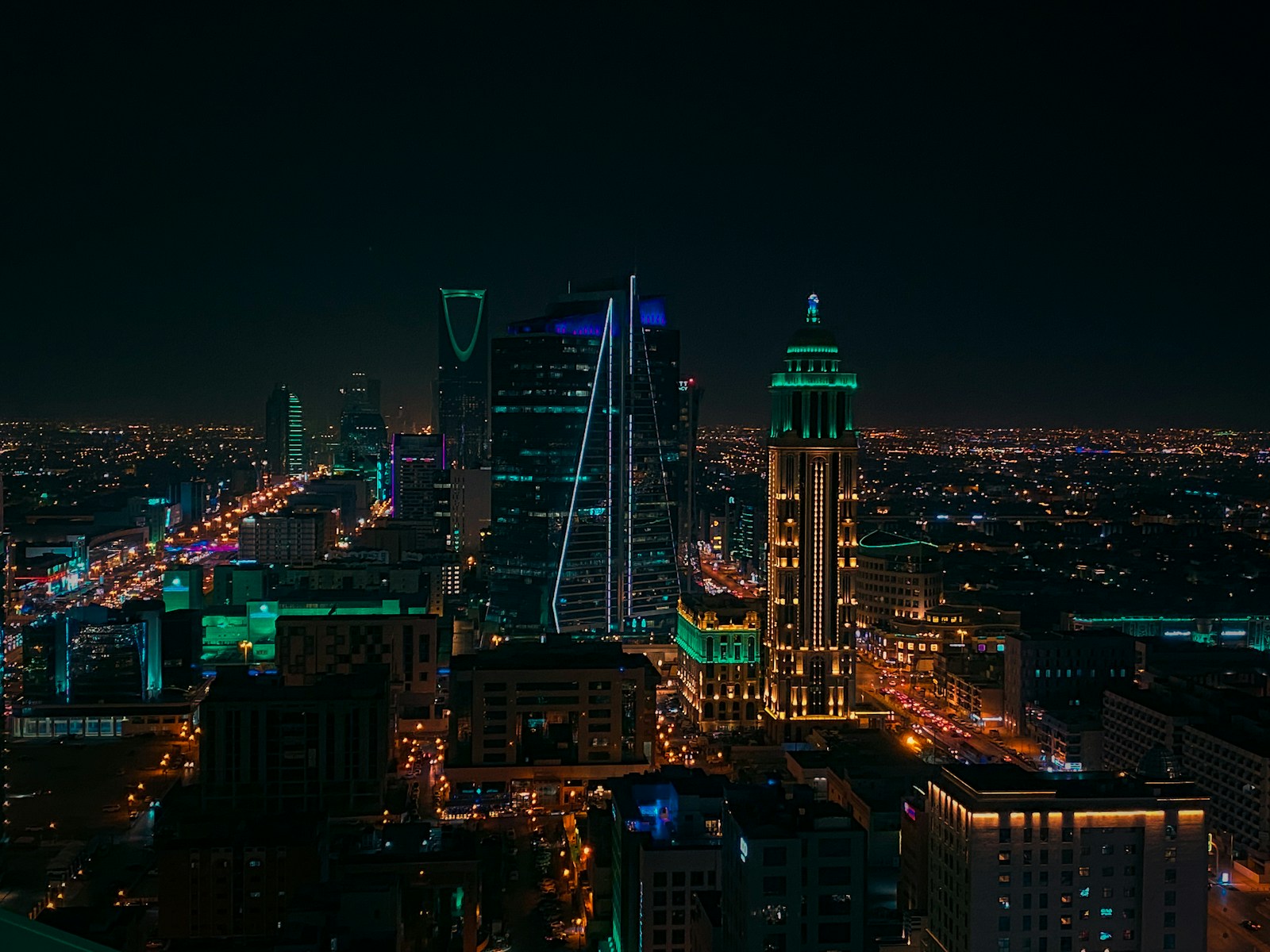
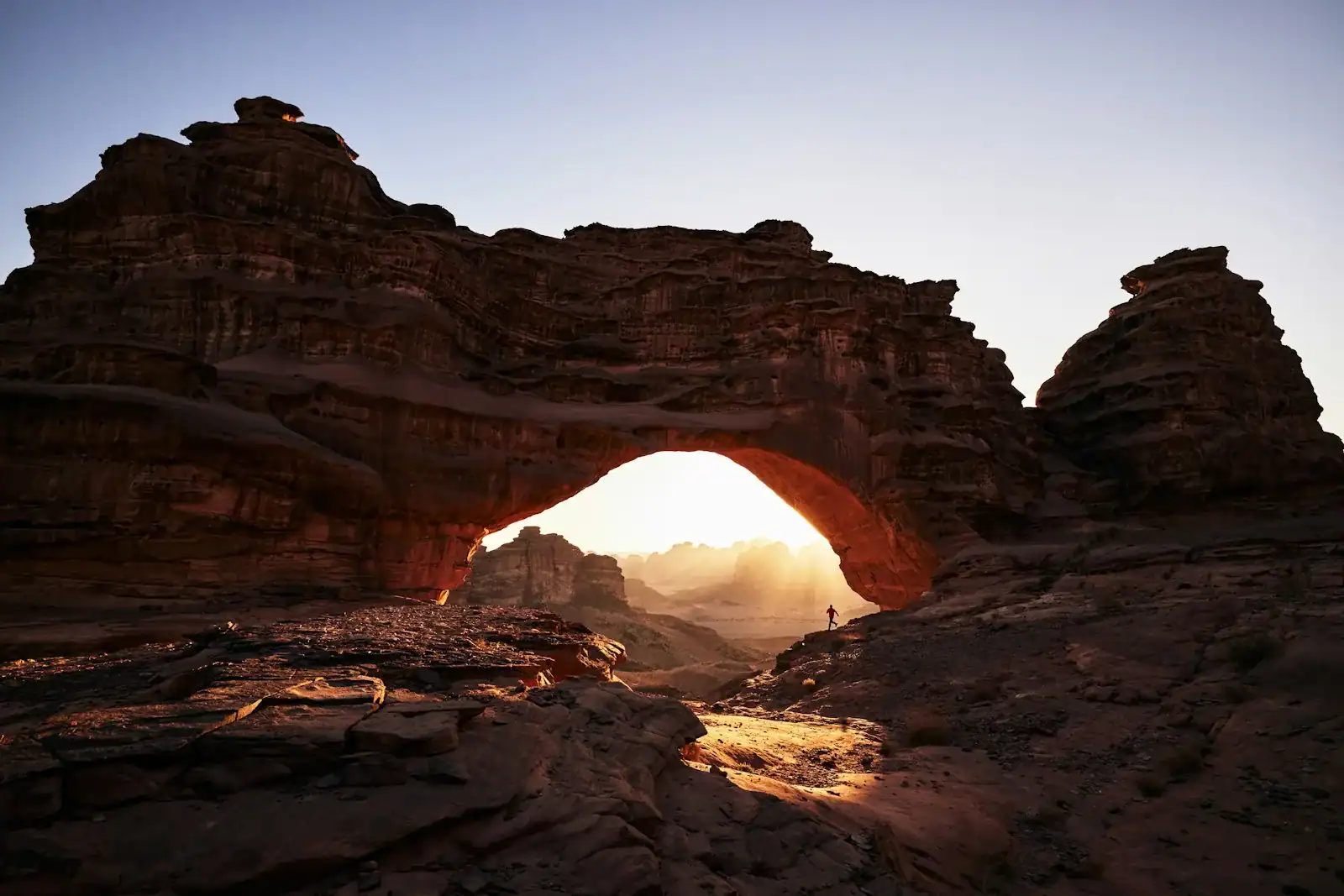
Choose Your Next Adventure- Saudi Arabia Travel Guide: Explore mountains, archaeological wonders, Red Sea coasts, and rapidly growing cultural scenes.
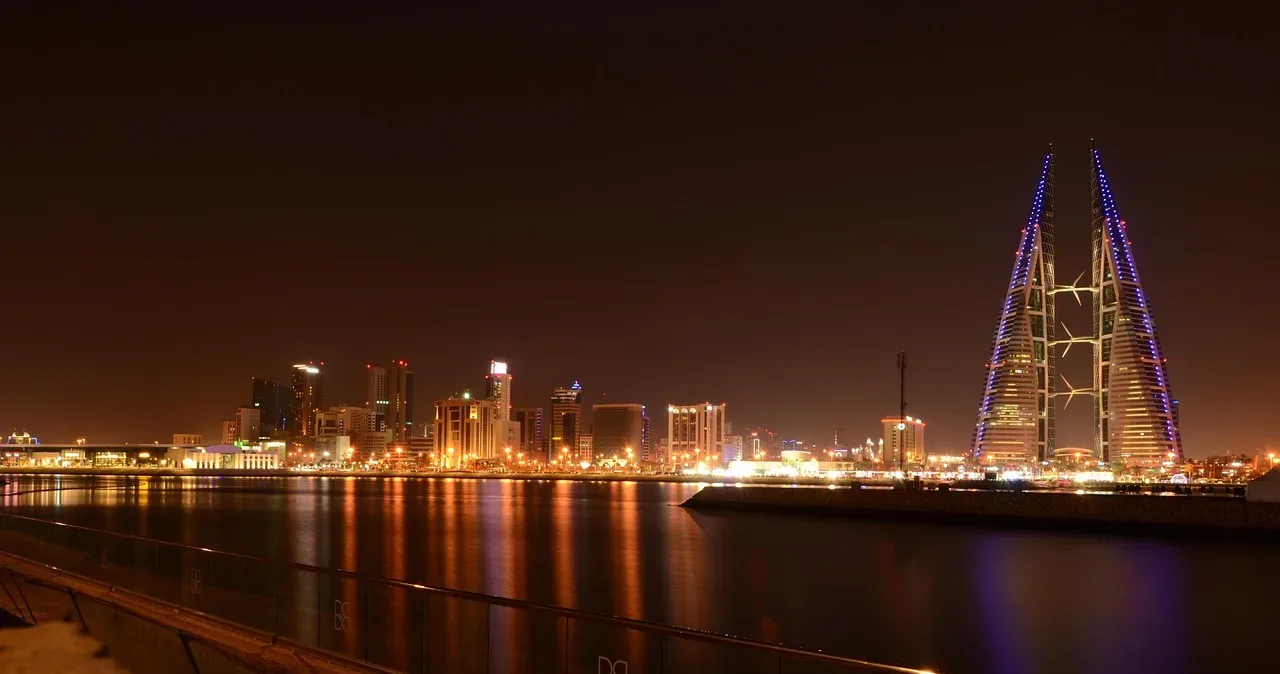
- Bahrain Travel Guide: Experience island heritage, pearl diving history, and vibrant markets.
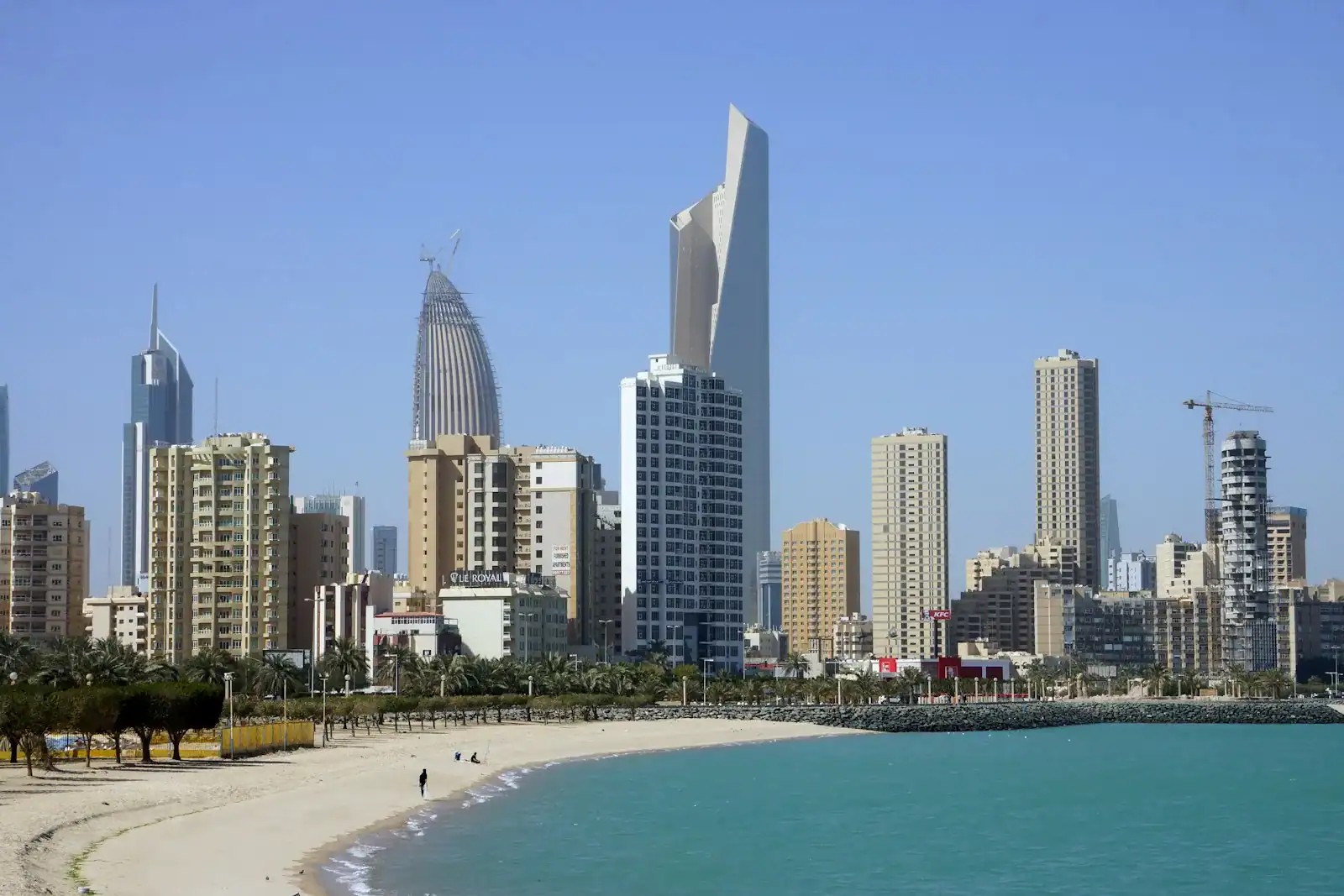
- Kuwait Travel Guide: Discover Gulf history, dhow culture, and a modern arts landscape.
- Qatar Travel Guide: Wander souks, museums, desert camps, and Doha’s waterfront skyline.
- Oman Travel Guide: A natural paradise of wadis, forts, mountains, and one of the region’s best road-trip destinations.
It’s Time to Experience the United Arab Emirates
Ready to plan your journey? This UAE travel guide helps you explore cities, mountains, islands, and deserts with confidence, ensuring your time in the United Arab Emirates becomes a journey of culture, nature, and unforgettable encounters.