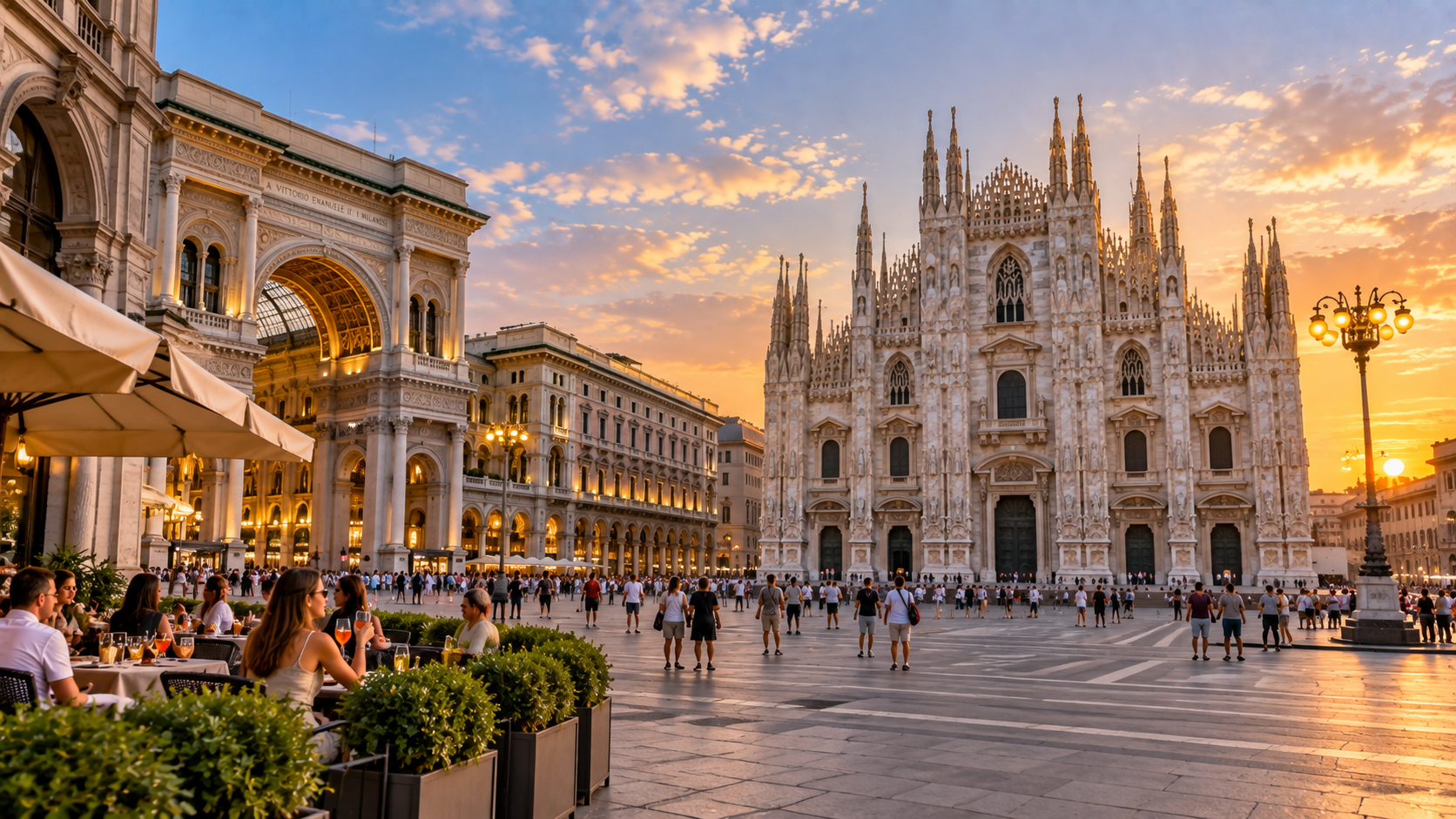
France is a country where every corner tells a story — from Parisian boulevards and vineyard-covered hills to medieval villages, sun-soaked Riviera beaches, and snow-dusted Alpine peaks. It’s a land of timeless elegance, bold flavors, revolutionary art, and deep cultural pride.
Whether you’re sipping wine in Bordeaux, exploring lavender fields in Provence, hiking the Pyrenees, or wandering through the Louvre, France rewards travelers with sophistication, variety, and a sense of discovery.
Start planning your trip with our complete France Tour Guide — explore iconic cities, regional treasures, and unforgettable experiences across every season.
Where to Go in France
Auvergne-Rhône-Alpes | Bourgogne-Franche-Comté | Brittany | Centre-Val de Loire | Corsica | Grand Est | Hauts-de-France | Île-de-France | Normandy | Nouvelle-Aquitaine | Occitanie | Pays de la Loire | Provence-Alpes-Côte d’Azur
Travel Essentials
Practical information for planning your trip to France, from arrival requirements and transportation to local customs, emergencies, connectivity and seasonal conditions.
France Quick Facts
Essential details worth knowing before you travel.
Metropolitan France stretches from the English Channel and Atlantic coast to the Mediterranean and Alps. Paris is the principal international gateway, while high-speed rail links major cities including Lyon, Marseille, Bordeaux, Lille and Strasbourg.
Arrival Information
Important entry and border considerations for travel to France.
Entry requirements vary by traveler. Visa and documentation requirements depend on nationality, passport type, purpose of travel and length of stay. Confirm current requirements with France-Visas and the appropriate official authorities before departure.
Passport & Visa
France is part of the Schengen Area. Confirm whether your nationality requires a visa and ensure your passport meets current entry-validity rules.
Border Procedures
Non-EU travelers may be asked for accommodation details, sufficient funds, travel insurance and evidence of onward or return travel.
Customs
Review French and EU customs rules for cash, food, alcohol, tobacco and other controlled or restricted goods before arrival.
Medication
Carry necessary medicines in appropriate packaging and check French rules before traveling with controlled medication or larger quantities.
Health Information
Practical health considerations while traveling in France.
Healthcare
France has an extensive healthcare system with hospitals, clinics and pharmacies throughout major population centers and tourist regions.
Vaccinations
Keep routine vaccinations current and review official health guidance for any recommendations or entry-related requirements before travel.
Travel Insurance
Appropriate medical and travel insurance can help cover treatment, disruptions and repatriation expenses not otherwise covered during your trip.
Summer Heat
Heat waves can affect parts of France in summer. Stay hydrated, use sun protection and follow local heat advisories during hot periods.
Travel Advisory
Safety, disruption and environmental considerations for travelers.
Government advisory systems differ by issuing country. Check your government’s current official travel advice for France before departure and during your trip when conditions change.
Personal Safety
Protect valuables in busy tourist areas, stations and public transportation, and remain aware of pickpocketing and common tourist scams.
Demonstrations & Strikes
Demonstrations and industrial action can affect transportation and public services. Check local information and allow extra time when disruptions occur.
Extreme Heat & Wildfire
Summer heat and wildfire risk can affect southern and Mediterranean regions. Follow local alerts, restrictions and evacuation instructions when issued.
Mountain Conditions
Alpine and Pyrenean weather can change rapidly. Check forecasts, trail conditions and avalanche information when planning mountain activities.
Holidays & Busy Periods
Periods that can affect crowds, transport demand and opening hours.
Visitor Information
Everyday details that can make traveling in France easier.
Payments
Credit and debit cards are widely accepted, particularly in cities. Carrying some euros remains useful for small purchases and cash-only situations.
Tipping
Service is generally included in restaurant and café prices. Additional tipping is optional when you want to recognize particularly good service.
Drinking Water
Tap water is generally drinkable in France unless a local notice states otherwise. Public drinking fountains are available in some cities.
Opening Hours
Hours vary by business and region. Smaller shops may close on Sundays, Mondays or during midday, particularly outside major cities.
Major Airports
Important gateways for international and regional travel.
Paris Charles de Gaulle
France’s principal international aviation hub, northeast of central Paris.
Paris Orly
Major Paris airport serving domestic, European and international routes.
Nice Côte d’Azur
Primary air gateway for Nice, the French Riviera and southeastern France.
Lyon–Saint Exupéry
Major gateway for Lyon, the Rhône-Alpes region and onward rail connections.
Marseille Provence
Important gateway for Marseille, Provence and the Mediterranean coast.
Toulouse–Blagnac
Major airport serving Toulouse and southwestern France.
Transport in France
Ways to move between cities, regions and local destinations.
High-Speed Rail
TGV services connect Paris with many major cities and regional centers across France.
Regional Rail
TER and other regional services connect cities, towns and destinations beyond the high-speed network.
Metro & Tram
Paris has an extensive Métro network, while several other French cities operate metro or tram systems.
Buses & Coaches
Urban buses and intercity coaches supplement rail services and reach many smaller communities.
Rental Cars
Useful for countryside, villages and rural regions where public transportation may be less frequent.
Domestic Flights
Flights can be useful for selected longer routes, including connections involving Corsica and distant regions.
Connectivity & Electricity
Internet access, mobile service and device compatibility.
Wi-Fi
Wi-Fi is widely available in hotels, cafés, airports and many public or commercial locations, particularly in larger cities.
SIM & eSIM
Prepaid SIM cards, eSIM plans and international roaming options are available. Confirm device compatibility and plan terms before purchase.
Electricity
France uses approximately 230V electricity with Type E sockets. Travelers may need a plug adapter or voltage-compatible device.
Frequency
The standard electrical frequency is 50Hz. Check chargers and appliances for compatible voltage and frequency ratings.
Laws & Etiquette
Important legal considerations and practical social customs.
Medication & Controlled Substances
French rules apply to controlled drugs and medicines. Check official requirements before bringing restricted medication into the country.
Smoking Rules
Smoking is restricted in enclosed public places and workplaces. Follow posted restrictions and designated-area rules at each venue.
Driving Regulations
France drives on the right. Observe posted speed limits, parking restrictions and local low-emission-zone requirements where applicable.
Religious & Historic Sites
Follow dress, photography, silence and access rules posted at churches, memorials, museums and other culturally sensitive locations.
Greetings & Courtesy
A simple “bonjour” before asking a question or entering a small shop is a common courtesy rather than a legal requirement.
Queueing & Public Spaces
Respect queues, priority seating, pedestrian areas and venue-specific rules, especially on public transportation and at busy attractions.
Emergency Information
Emergency numbers and practical assistance worth keeping accessible.
European emergency number: 112 can also be used for emergency assistance in France and elsewhere in the European Union.
Visitor Assistance
For non-emergency help, contact local police, your accommodation provider, transport staff or an official tourist information office as appropriate.
Lost Passport
Report a lost or stolen passport when appropriate and contact your embassy or consulate for official replacement-document procedures.
France Weather by Season
Conditions vary considerably between Atlantic, Mediterranean, continental and mountain regions.
Spring
March – MayTemperatures generally become milder, though rain and cool spells remain possible. Conditions vary significantly by region and elevation.
Summer
June – AugustWarm to hot weather is common, with particularly hot periods possible inland and in southern France. Coastal areas become busy.
Autumn
September – NovemberTemperatures gradually cool, with changing foliage and increased rain in some regions. Mediterranean areas can experience heavy rainfall.
Winter
December – FebruaryWinters range from relatively mild Atlantic conditions to colder inland weather and substantial snow in the Alps and other mountain areas.
France Travel Guide by Region – Where to Go
France’s regional diversity is a traveler’s dream. From alpine villages and lavender fields to cosmopolitan cities and wine valleys, here’s how to plan your trip region by region:
Île-de-France
- Paris – The heartbeat of France. Iconic landmarks like the Eiffel Tower, Louvre, and Sacré-Cœur await, paired with romantic walks along the Seine.
- Versailles – Home to the extravagant Château de Versailles, just a short RER ride from Paris.
Provence-Alpes-Côte d’Azur
- Marseille – A gritty port city with a dynamic food scene and gateway to Calanques National Park.
- Nice & Côte d’Azur – Mediterranean charm, pebble beaches, and easy access to Monaco and Cannes.
- Avignon – Medieval walls, papal history, and summer theatre festivals in a sun-drenched Provençal town.
Normandy
- Mont-Saint-Michel – A fairytale island abbey with dramatic tides.
- Rouen – Gothic architecture and Joan of Arc history in a charming old town.
- D-Day Beaches – Sobering WWII landmarks with museums and memorials.
Brittany
- Saint-Malo – Walled port city with pirate history and stunning tidal views.
- Quimper – Traditional Breton architecture and Celtic roots.
- Carnac – Prehistoric standing stones older than Stonehenge.
Nouvelle-Aquitaine
- Bordeaux – One of the world’s premier wine capitals with a UNESCO-listed old town.
- Biarritz – A surfer’s paradise with Belle Époque elegance.
- Dordogne – Castles, caves, and cuisine in a river-cut countryside.
Occitanie
- Toulouse – The “Pink City,” blending aerospace tech with historic churches.
- Carcassonne – A double-walled medieval citadel like a storybook come alive.
- Nîmes – Roman heritage, arenas, and aqueducts like the Pont du Gard.
Auvergne-Rhône-Alpes
- Lyon – Culinary capital of France and UNESCO gem of Renaissance architecture.
- Annecy – Known as “the Venice of the Alps,” with canals and mountain-framed lakes.
- Chamonix & Mont Blanc – France’s alpine playground for hikers and skiers.
Grand Est
- Strasbourg – Half-timbered houses and the European Parliament.
- Reims – Birthplace of champagne and Gothic cathedrals where kings were crowned.
- Colmar – Alsatian storybook village with canals and colorful facades.
Hauts-de-France
- Lille – Flemish-influenced city with vibrant markets and a strong cultural scene.
- Amiens – Gothic cathedral and scenic canals in northern France.
Corsica
- Ajaccio & Bastia – Napoleon’s birthplace and seaside citadels with Mediterranean flair.
- GR20 Trail – One of Europe’s toughest and most rewarding long-distance hikes.
Top Places to Visit in France
Cultural Capitals
- Paris – A timeless blend of romance, art, fashion, and history.
- Lyon – France’s gastronomic hub with cobblestoned Renaissance quarters.
- Strasbourg – Where French and German cultures blend in architecture and cuisine.
Nature Escapes
- Chamonix-Mont Blanc – Ski resorts, glaciers, and Europe’s tallest peak.
- Gorges du Verdon – A turquoise canyon perfect for kayaking and cliff hikes.
- Camargue – Wild white horses, pink flamingos, and rice paddies of the south.
Historic Sites
- Carcassonne – A fully preserved medieval fortress town.
- Versailles – Gold-leafed palace, manicured gardens, and royal drama.
- Normandy Landing Beaches – D-Day memorials rich in World War II history.
Islands & Coasts
- Corsica – Rugged coastlines and wild hiking routes in a Mediterranean jewel.
- French Riviera – From Nice to Saint-Tropez, sun-soaked glamour meets azure waters.
- Île de Ré – Cyclist-friendly and dotted with salt flats and charming villages.
How to Choose Where to Go in France
- For art, fashion, and history: Start in Paris, then add Versailles or Rouen.
- For wine & food: Combine Bordeaux, Lyon, and Dijon for tastings and traditional fare.
- For beach lovers: Nice, Corsica, and Biarritz deliver surf, sun, and sea breezes.
- For adventure: Hike in the Alps, explore Verdon Gorge, or tackle the GR20 in Corsica.
- For medieval charm: Choose Carcassonne, Strasbourg, or Colmar.
Pair cities with nearby countryside for a well-rounded French experience.
How to Get Around France
France’s public transport is world-class, especially for long distances:
- Trains: The TGV (high-speed rail) links cities like Paris, Lyon, Marseille, and Bordeaux. Book early for savings.
- Regional trains (TER) connect towns and villages affordably.
- Buses: FlixBus and BlaBlaCar Bus offer budget intercity routes.
- Domestic flights: Quick but often unnecessary due to train speeds.
- Car rentals: Ideal for rural regions like the Dordogne, Corsica, or the Alps.
- Urban transport: Metro systems in major cities, plus tramways and bike rentals.
- Apps: SNCF Connect (trains), Citymapper (urban navigation), and BlaBlaCar (rideshares).
Travel Budget & Costs in France
Average Daily Costs:
- Budget: €60–80/day (hostels, bakeries, local transport)
- Mid-range: €120–180/day (3-star hotels, regional dining, TGV)
- Luxury: €250–500/day (boutique stays, Michelin-star meals, private tours)
Sample Prices:
- Baguette sandwich: €4–6
- Dinner at a bistro: €20–40
- TGV from Paris to Lyon: ~€40 (advance)
- 3-star hotel: €100–150/night
Money-saving tips:
- Use city passes (e.g., Paris Museum Pass)
- Shop at local markets
- Travel by train pass or bus for intercity hops
Best Time to Visit France
- Spring (April–June): Mild weather, fewer crowds, and blooming gardens.
- Summer (July–August): Festivals galore, beach season, but expect crowds and high prices.
- Autumn (September–October): Grape harvests, vibrant foliage, and pleasant weather.
- Winter (December–March): Christmas markets, skiing in the Alps, and cozy bistros.
By Region:
- South of France: Best from May to September
- Alps: Ideal for skiing December–March
- Paris: Year-round charm, though spring and fall are especially pleasant
Must-See Experiences in France
Here’s your curated list of top things to do in France:
- Cruise the Seine in Paris at sunset
- Hike Mont Blanc or the GR20 for alpine thrills
- Attend the lavender bloom in Provence (late June–July)
- Take a Champagne cellar tour in Reims
- Explore the Louvre or Musée d’Orsay with a guided tour
- Cycle through vineyards in Burgundy
- Eat your way through Lyon’s bouchons
- Visit Mont-Saint-Michel during a high tide
- Wander the Alsace wine route during harvest
- Join a cooking class or patisserie workshop
Discover more through France tours and immersive things to do in France via local guides.
Best Travel Itineraries in France
Classic France – 10 Days
- Paris → Versailles → Loire Valley → Lyon → Nice
Perfect for first-timers: mix of cities, castles, food, and coast.
Wine & Food Trail – 7 Days
- Bordeaux → Dordogne → Lyon
Focus on regional cuisine and vineyard visits.
Historic France – 10 Days
- Normandy → Brittany → Loire Valley
Rich in WWII history, medieval towns, and châteaux.
Alps & Riviera – 2 Weeks
- Annecy → Chamonix → Provence → Nice
A dream blend of nature and sun-kissed glamour.
Local Cuisine & Culinary Experiences
Don’t leave France without tasting:
- Croissant & Pain au Chocolat – Buttery, flaky morning staples
- Bouillabaisse – Marseille’s iconic seafood stew
- Coq au Vin – Burgundy-style chicken braised in wine
- Cassoulet – Rich bean and meat casserole from the southwest
- Tartiflette – Alpine dish with potatoes, cheese, and bacon
- Duck Confit – Slow-cooked duck leg, melt-in-your-mouth delicious
- Raclette – Melted cheese scraped over charcuterie and potatoes
- Macarons – Colorful meringue-based sweets in Paris pâtisseries
Explore street food in Paris, Lyon bouchons, or Provençal markets for full culinary immersion.
Travel Safety & Cultural Etiquette in France
Safety Tips:
- Watch for pickpockets in cities like Paris and Marseille.
- Avoid unlicensed taxis or vendors.
- Protests or strikes may disrupt travel — check news in advance.
Etiquette:
- Greet with “Bonjour” before asking questions.
- Avoid loud conversations in public.
- Dress modestly when visiting churches.
- Table manners: keep hands visible (but not elbows on table), and say “Bon appétit”!
Apps to know: Google Translate, WhatsApp, and AntiPickpocket Paris.
Where to Go Next – Pair France with These Destinations
- Italy – Culture, cuisine, and high-speed trains from Lyon or Nice.
- Spain – Easy border crossings from Occitanie or Nouvelle-Aquitaine.
- Switzerland – Scenic train connections from the Alps.
- Belgium – Quick hop from Paris to Brussels via Thalys.
- Germany – Strasbourg offers easy access to the Rhine region.
Italy Travel Guide | Spain Travel Guide | Germany Travel Guide | Switzerland Travel Guide | Belgium Travel Guide
Final Planning Checklist for France
- Finalize your itinerary with regions and cities to match your interests
- Book trains, rental cars, and key accommodations in advance
- Reserve skip-the-line museum and château entries when possible
- Download SNCF Connect, Google Maps, and Citymapper
- Check Schengen visa requirements for your nationality
- Prepare for cultural etiquette: greetings, dining, dress
- Activate or buy a eSIM or local SIM card
- Pack for seasonal changes, especially in spring/fall
Explore France with confidence using our trusted tips, local insights, and region-by-region planning tools.
For more expert travel tips, practical strategies, and trusted tools — visit our Homepage and get inspired for your next trip.