Thailand stretches from the mountains of the north through Bangkok and the central plains to two very different southern coastlines, so planning it as one continuous sightseeing route usually creates unnecessary travel. First-time visitors generally get more from choosing two or three compatible regions rather than trying to combine Bangkok, Chiang Mai, the Gulf islands, and the Andaman coast in a single short trip. Bangkok is the country’s main international gateway, while Chiang Mai anchors the north and Phuket and Krabi provide practical access to the Andaman side. Domestic flights can save substantial time between distant regions, while trains work particularly well on selected north–south routes and buses or vans fill many regional gaps. Thailand’s monsoon patterns also matter because beach conditions can differ considerably between the Andaman Sea and Gulf of Thailand at the same time of year. A strong Thailand itinerary therefore starts with geography, season, and transportation rather than a list of attractions.
Travel Destinations in Thailand
Ayutthaya | Bangkok | Chiang Mai | Chiang Rai | Hua Hin | Kanchanaburi | Khao Sok National Park | Krabi | Pai | Pattaya | Phuket | Sukhothai | Trang | Trat | Udon Thani
Travel Essentials
Essential information for planning your trip to Thailand, from arrival requirements and transportation to local customs, emergencies and seasonal weather.
Thailand Quick Facts
Essential details worth knowing before you travel.
Thailand blends ornate temples, energetic cities, tropical islands, mountain landscapes and distinctive regional cuisine with flights, trains, buses and ferries linking destinations across the country.
Arrival Information
Important entry and arrival considerations.
Entry requirements vary by traveler. Visa requirements depend on nationality, purpose of travel and length of stay. Confirm current requirements before departure.
Passport & Visa
Travel with a valid passport and confirm whether your nationality requires a visa for your planned stay.
Digital Arrival Card
International travelers should check Thailand’s current digital arrival-card requirements before departure and keep their arrival and accommodation information accessible.
Customs
Review customs allowances and declare restricted, controlled or dutiable goods when required.
Medication
Some medicines and controlled substances are restricted in Thailand. Check import rules before traveling.
Health Information
Practical health considerations while traveling in Thailand.
Healthcare
Thailand has extensive healthcare services, particularly in major cities and established tourist destinations. English availability varies by facility.
Vaccinations
Travelers should generally remain current on routine vaccinations and review recommendations for their itinerary.
Travel Insurance
Consider coverage for overseas medical treatment, cancellations and unexpected travel expenses.
Heat & Humidity
Heat and humidity can be intense. Hydration, sun protection and breaks from prolonged outdoor activity are important.
Travel Advisory
Safety and natural-hazard considerations for travelers.
Government advisory systems differ by country. Check current official travel advice from your government before departure.
Personal Safety
Use normal precautions around valuables, transportation hubs, nightlife districts, beaches and crowded tourist areas.
Regional Advisories
Security conditions can vary by region. Check current government travel advisories before visiting border areas or destinations subject to specific warnings.
Monsoon Weather
Heavy rain and tropical weather can cause flooding, rough seas and transportation disruptions.
Coastal Conditions
Strong currents, rough seas and changing weather can affect beaches, ferries and island excursions. Follow local warnings and flag systems.
Holidays & Busy Periods
Periods that can affect crowds, transport and opening hours.
Visitor Information
Everyday details that make traveling in Thailand easier.
Payments
Cards and digital payments are common in many tourist areas, but Thai baht remains useful for markets, street food, taxis and smaller businesses.
Tipping
Tipping is generally discretionary. Small tips are appreciated in many tourism and hospitality settings but are not universally expected.
Tourist Information
Tourism information is available at major airports and visitor destinations throughout Thailand.
VAT Refund
Eligible international visitors may qualify for VAT refunds on qualifying purchases from participating retailers, subject to current requirements.
Major Airports
Important gateways for international and regional travel.
Suvarnabhumi Airport
Bangkok’s principal international gateway with rail, bus, taxi and private-transfer connections.
Don Mueang International
Major Bangkok airport serving domestic and regional routes, including many low-cost carriers.
Phuket International
Major gateway to Phuket and southern Thailand’s Andaman coast.
Chiang Mai International
Primary air gateway to Chiang Mai and much of northern Thailand.
Samui International Airport
Convenient gateway to Ko Samui and nearby Gulf of Thailand islands.
Krabi International Airport
Gateway to Krabi, Ao Nang and nearby islands along the Andaman coast.
Transport in Thailand
Ways to move between cities, islands and local destinations.
Rail
Passenger trains connect Bangkok with many destinations across northern, northeastern and southern Thailand.
Urban Transit
Bangkok has extensive rapid-transit options including BTS Skytrain and MRT services.
Buses & Minivans
Intercity buses and minivans connect cities, towns and many popular visitor destinations.
Taxis & Ride Apps
Taxis and app-based transport are widely used in Bangkok and many major tourist areas.
Rental Cars
Useful for independent regional travel. Thailand drives on the left.
Flights & Ferries
Domestic flights cover long distances while ferries and speedboats connect many coastal and island destinations.
Connectivity & Electricity
Internet access, mobile service and device compatibility.
Wi-Fi
Wi-Fi is common at hotels, airports, cafés, shopping centers and many tourism businesses.
SIM & eSIM
Tourist SIM, eSIM and roaming options are widely available. Check device compatibility before travel.
Electricity
Thailand uses approximately 220V electricity. Travelers should check their devices for voltage compatibility.
Frequency
Thailand’s electrical supply operates at 50Hz. Several plug configurations are encountered, so a universal travel adapter can be useful.
Laws & Etiquette
Important legal considerations and everyday social customs.
Drugs & Controlled Substances
Thailand has strict laws covering illegal drugs, controlled substances and certain medications. Check current rules before traveling.
Smoking & Vaping
Smoking is restricted in many public places. Electronic-cigarette and vaping rules are strict, so travelers should verify current regulations.
Respect for the Monarchy
Thailand has laws protecting the monarchy. Travelers should behave respectfully and understand that applicable laws differ from those in many countries.
Shoes Indoors
Shoes are commonly removed before entering homes and certain temples, shops and traditional spaces.
Temples
Dress respectfully, follow posted rules and remove shoes where required. Avoid disruptive behavior around religious ceremonies and sacred objects.
Everyday Etiquette
Avoid touching people’s heads or pointing your feet toward people or sacred objects. Calm and courteous behavior is generally valued.
Emergency Information
Numbers and assistance worth keeping accessible.
Tourist Police
Thailand’s Tourist Police can be reached at 1155 for tourist assistance and related support.
Lost Passport
Report the loss to local authorities and contact your embassy or consulate for replacement-document guidance.
Thailand Weather by Season
Conditions vary by region, coast, elevation and monsoon pattern.
Cool & Dry
November – FebruaryGenerally drier and more comfortable across much of Thailand, making this a popular travel period.
Hot Season
March – MayTemperatures and humidity rise across much of the country, with April often particularly hot.
Rainy Season
May – OctoberSouthwest monsoon conditions bring frequent rain to many regions, although rainfall often occurs in heavy bursts rather than continuously.
Southern Coasts
Varies by CoastAndaman Sea and Gulf of Thailand destinations can experience different rainfall and monsoon timing, so check conditions for your specific island or coast.
Understanding Thailand Before You Plan
Thailand is a long north–south country in mainland Southeast Asia, bordered by Myanmar, Laos, Cambodia, and Malaysia. Its shape matters more to travelers than its total area suggests: Chiang Mai, Bangkok, Phuket, and the far southern islands belong to different travel zones and should not automatically be treated as easy day-to-day additions.
The Tourism Authority of Thailand divides the country into North, Central, East, Northeast, South, and West, which is a useful starting point for understanding how destinations fit together; its official destination information is available through Tourism Authority of Thailand.
Bangkok and Central Thailand
Bangkok is the country’s principal transportation hub and the logical beginning or end of many trips. Nearby Central Thailand includes Ayutthaya and the Chao Phraya basin, making historical sites relatively easy to combine with the capital.
This is Thailand’s easiest region for travelers who want major temples, markets, museums, nightlife, shopping, and historical excursions without repeatedly changing hotels.
Northern Thailand
Chiang Mai is the north’s main tourism base, while Chiang Rai provides access to a different mix of temples, mountain landscapes, and border-region culture.
The north makes particular sense for travelers prioritizing temples, food, mountain scenery, hiking, slower travel, and Lanna cultural heritage. It combines naturally with Bangkok because of frequent air connections and the Bangkok–Chiang Mai rail corridor.
Northeastern Thailand
Isan, Thailand’s northeast, receives fewer international visitors than Bangkok, Chiang Mai, or the southern islands. It offers Khmer-era ruins, Mekong landscapes, distinctive regional food, and cities including Khon Kaen, Udon Thani, and Ubon Ratchathani.
It is better suited to travelers deliberately seeking regional Thailand than to first-time visitors trying to fit every major tourism zone into one trip.
Southern Thailand
Southern Thailand creates one of the country’s biggest itinerary decisions.
The Andaman coast includes Phuket, Krabi, Khao Lak, Koh Lanta, and access to numerous offshore islands.
The Gulf side includes Koh Samui, Koh Phangan, and Koh Tao farther south, while destinations closer to Bangkok include Hua Hin and the upper Gulf.
Unless you have enough time, choosing one southern coast usually produces a cleaner trip than repeatedly crossing the peninsula.
Who Thailand Works Best For
First-Time Southeast Asia Travelers
Thailand is relatively straightforward for travelers building their first multi-stop Southeast Asian itinerary because its major tourism centers have extensive accommodation, domestic transportation, organized activities, and visitor infrastructure.
The challenge is not finding things to do. It is resisting the temptation to include too many places.
Food Travelers
Thailand is particularly rewarding when food is treated regionally rather than simply as “Thai food.” Northern dishes, Isan cooking, central Thai cuisine, seafood traditions, and southern curries create noticeably different experiences.
Bangkok alone can support several days of food-focused exploration, while Chiang Mai and the northeast add completely different culinary identities.
Beach Travelers
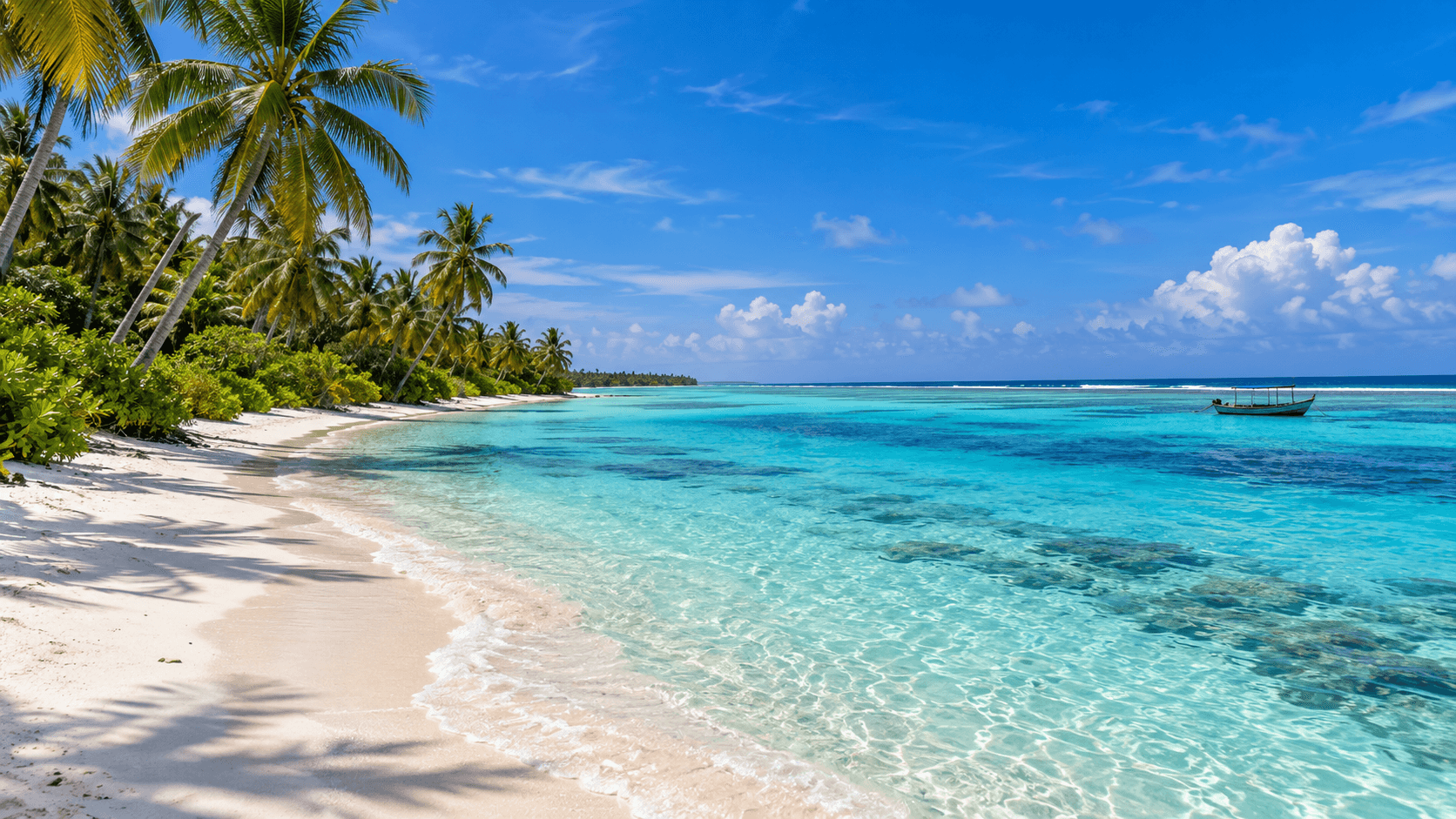
Thailand offers an enormous range of beach environments, but the best destination depends on season and preferred atmosphere.
Phuket provides infrastructure and connectivity. Krabi emphasizes limestone scenery and island access. Koh Lanta generally feels more spread out and relaxed. Koh Samui offers a developed Gulf alternative, while Koh Tao is strongly associated with diving.
Couples and Families
Resort areas can work extremely well for couples and families, particularly when reducing transfers matters. Families should be cautious about itineraries requiring repeated speedboat, ferry, van, and flight connections simply to collect more islands.
Backpackers and Budget Travelers
Thailand remains highly flexible for travelers willing to use local food, guesthouses, trains, buses, and shared transportation. However, famous islands and resort districts can cost considerably more than inland destinations.
Slow Travelers
Thailand rewards longer stays. Bangkok, Chiang Mai, and larger islands can each function as multi-night bases rather than one- or two-night stops.
Travelers who prefer quiet destinations, uncrowded archaeological sites, or deeper regional exploration should consider going beyond the standard Bangkok–Chiang Mai–island circuit.
Explore Thailand Tours
Discover popular tours, activities, attractions & experiences in Thailand.
View Tour Guide →Essential Thailand Travel Basics
Entry Requirements
Passport, visa-exemption, visa-on-arrival, and visa requirements depend on nationality and circumstances, so travelers should verify the rules that apply to their passport rather than relying on generalized travel advice.
Thailand also operates the Thailand Digital Arrival Card. The official immigration system states that non-Thai nationals entering Thailand must submit their travel information before arrival, with submission available up to 72 hours before entry; travelers transiting without passing immigration do not require one. The current official TDAC guidance is at Thailand Digital Arrival Card.
Because immigration rules can change, verify them again shortly before departure.
Major Airports
Bangkok has two major airports: Suvarnabhumi Airport (BKK) and Don Mueang International Airport (DMK). Phuket (HKT) and Chiang Mai (CNX) are important gateways for itineraries focused on southern or northern Thailand.
Airports of Thailand also operates Mae Fah Luang–Chiang Rai and Hat Yai airports alongside Bangkok, Phuket, and Chiang Mai; current passenger and airport information is available through Airport Thai.
Check the airport code carefully when connecting through Bangkok. A flight arriving at BKK and another departing from DMK requires a cross-city airport transfer rather than a normal terminal connection.
Currency and Payments
Thailand uses the Thai baht.
Cards are common at many hotels, malls, larger restaurants, and established tourism businesses, but cash remains useful for markets, small restaurants, local transport, smaller businesses, and more remote areas.
Do not structure a trip around being completely cashless.
Language
Thai is the national language. English is widely encountered in major visitor areas, but proficiency varies considerably outside tourism centers.
Keeping accommodation names and addresses available on your phone can simplify taxi and local transportation situations.
Electricity and Connectivity
Mobile connectivity is widely available in populated areas, and travelers can use physical SIMs or eSIMs depending on their device and provider.
Thailand commonly uses 220-volt electricity. Travelers should check both plug compatibility and the voltage requirements of their electronics.
Safety
Normal urban and travel precautions remain important, particularly around traffic, nightlife, water activities, heat, and unfamiliar transportation.
Thailand’s Tourist Police operate the 1155 hotline and provide visitor assistance; official information is available at Tourist Police TH.
Major Cities and Destinations in Thailand
Bangkok
Bangkok deserves more than an airport stop.
For a first visit, three or four nights provide enough time to understand the city’s contrasts: historic Rattanakosin, the Chao Phraya River, major temples, markets, contemporary shopping districts, neighborhoods, and a food scene that ranges from street stalls to destination restaurants.
Bangkok also makes an efficient launch point for Ayutthaya and onward travel north or south.
Chiang Mai
Chiang Mai is the north’s most practical first-time base. The Old City, temples, markets, cafés, surrounding mountains, and access to countryside excursions give it enough depth for three or four nights.
It pairs naturally with Bangkok.
Travelers who add Chiang Rai should normally give the north additional time instead of trying to treat Chiang Rai as another rushed box to check.
Chiang Rai
Chiang Rai works for travelers wanting northern landscapes, contemporary temple architecture, and a quieter urban base.
It is less compelling as a hurried overnight detour from Chiang Mai. Allowing two nights makes the transfer more worthwhile.
Ayutthaya
Ayutthaya provides one of the easiest historical additions to a Bangkok itinerary.
The Fine Arts Department identifies Ayutthaya Historical Park as the archaeological area of Thailand’s former capital, approximately 75 kilometers north of Bangkok; official historical-park background is available at Fine Arts Department.
It can be visited from Bangkok, although travelers particularly interested in history may prefer staying overnight.
Phuket
Phuket is much more than a single beach. It is a large island with multiple resort zones, Phuket Old Town, extensive tourism infrastructure, an international airport, and convenient access to marine excursions.
Its strength is convenience. Its tradeoff is development and traffic.
Krabi
Krabi is often the stronger choice for travelers whose priority is dramatic limestone scenery and access to Railay and offshore islands.
Krabi Town and Ao Nang provide different experiences, so accommodation location matters.
Koh Samui
Koh Samui is a major Gulf island with an airport, resorts, beaches, restaurants, and connections to Koh Phangan and Koh Tao.
It becomes especially useful when Gulf conditions fit the travel period better than the Andaman coast.
Sukhothai
Sukhothai requires more effort to incorporate than Ayutthaya but provides a quieter archaeological experience.
It works best for travelers deliberately building a history-focused route between central and northern Thailand rather than those with a tightly compressed first visit.
Thailand’s Natural Highlights
Thailand’s landscapes extend far beyond tropical beaches.
Andaman Coast
Krabi and Phang Nga are defined by limestone cliffs, karst formations, bays, mangroves, and islands. Phuket provides the strongest transport infrastructure, while Koh Lanta gives travelers a more elongated island base with road access across much of the inhabited island.
Mu Ko Lanta National Park encompasses marine and terrestrial environments around the Koh Lanta area, and Thailand’s Department of National Parks provides official park information through DNP Booking.
Marine access can be highly seasonal, so never assume every island excursion operates identically year-round.
Gulf Islands
Koh Samui, Koh Phangan, and Koh Tao form a logical island group.
Samui provides the strongest resort infrastructure, Phangan mixes beaches with nightlife and quieter areas, and Tao is particularly associated with diving.
Combining these islands is more geographically sensible than repeatedly moving between Gulf and Andaman destinations.
Northern Mountains
The north offers a completely different Thailand: forested mountains, cooler elevations, national parks, waterfalls, rural roads, and mountain communities.
Chiang Mai and Chiang Rai are the primary urban gateways.
Khao Yai
Khao Yai is one of the most practical nature additions from Bangkok. It works particularly well for travelers who want forest, wildlife potential, hiking, and waterfalls without flying to another part of the country.
Independent exploration is considerably easier with suitable transportation than when relying entirely on public transit.
Protected Areas
National parks can have changing access conditions, seasonal closures, accommodation rules, and marine restrictions. Thailand’s Department of National Parks maintains its official park portal at DNP Booking.
Check individual park conditions before building an itinerary around a specific trail, island, cave, or marine area.
Understanding Thai Culture and History
Thailand’s visitor experience becomes much richer when Bangkok, Ayutthaya, Sukhothai, Chiang Mai, and the northeast are understood as products of different historical and regional traditions.
Historic Kingdoms
Sukhothai and Ayutthaya represent two of the most visible historical centers encountered by travelers.
Ayutthaya’s ruins demonstrate the scale and international connections of the former capital, while Sukhothai presents a different architectural landscape in a more spacious archaeological setting.
Lanna Culture
Northern Thailand, particularly Chiang Mai and surrounding provinces, retains a strong Lanna identity visible in temple architecture, cuisine, festivals, crafts, and regional traditions.
That is one reason Bangkok plus Chiang Mai feels more varied than simply visiting two large Thai cities.
Buddhism and Temple Etiquette
Theravada Buddhism strongly shapes Thailand’s religious landscape.
Visitors should dress appropriately at temples, remove shoes where required, observe photography restrictions, and behave respectfully around religious images, monks, and worshippers.
World Heritage
Thailand’s UNESCO-listed properties include Ayutthaya, Sukhothai, Ban Chiang, Si Thep, Phu Phrabat, natural forest complexes, and—following its 2026 inscription—Wat Phra Mahathat Woramahawihan in Nakhon Si Thammarat. UNESCO’s current Thailand listing is available at UNESCO World Heritage Centre.
These sites are geographically dispersed, which makes them more useful for enriching regional itineraries than for creating a single “UNESCO route” across the whole country.
Where to Go in Thailand
This is the decision that should shape the rest of the itinerary.
Choose Bangkok + Chiang Mai for a First Cultural Trip
This combination provides the clearest contrast with relatively simple logistics.
Bangkok supplies royal and religious landmarks, urban neighborhoods, markets, nightlife, contemporary culture, and central Thai food. Chiang Mai introduces northern architecture, Lanna traditions, mountains, markets, and a slower pace.
Seven days can cover both, although ten days is much more comfortable if excursions are important.
Choose Bangkok + Andaman Coast for City and Beaches
Bangkok followed by Phuket or Krabi is efficient because flights eliminate long overland transfers.
Choose Phuket when airport access, resorts, nightlife, and broad tourism infrastructure matter most.
Choose Krabi when limestone scenery, Railay, and marine excursions are stronger priorities.
Add Koh Lanta only when you have enough time to slow the route down.
Choose Bangkok + Gulf Islands When the Gulf Fits Your Season
Samui, Phangan, and Tao work naturally together.
Do not automatically choose Phuket simply because it is Thailand’s most internationally recognized island gateway. Weather pattern, desired atmosphere, diving, and onward connections can make the Gulf a better choice.
Choose Northern Thailand for Culture and Mountains
A Chiang Mai–Chiang Rai itinerary makes sense for travelers less interested in beaches.
With additional time, northern road routes can add mountain towns and national parks, but transport becomes more dependent on buses, private transfers, tours, or driving.
Choose Isan for Regional Thailand
The northeast makes sense for travelers who have already seen the classic destinations or specifically want archaeology, Mekong towns, regional cuisine, and a less internationally oriented travel experience.
It should usually replace another region rather than being squeezed into an already overloaded first trip.
Combine Coasts Only on Longer Trips
Phuket or Krabi plus Samui can work, but crossing between the Andaman and Gulf sides consumes meaningful travel time.
On a seven-day trip, choose one.
On a two-week trip, combining them becomes more reasonable if beaches are the main purpose of the journey.
Food and Drink Across Thailand
Thai food changes substantially by region.
Bangkok and Central Thailand
Bangkok provides the broadest culinary range, from neighborhood noodle shops and market stalls to contemporary Thai restaurants.
Central Thai cooking often balances sweet, salty, sour, and spicy flavors. Dishes familiar internationally—including pad thai, tom yum, and many curries—represent only part of the picture.
Northern Thailand
Northern food is one of the strongest reasons to spend meaningful time in Chiang Mai.
Khao soi, a curry noodle dish, is a signature introduction. Sai ua, northern-style sausage, and nam prik chili dips further distinguish the region.
Markets are useful because they allow travelers to encounter several dishes without structuring every meal around restaurants.
Isan
Northeastern cuisine is bold, herbaceous, spicy, and strongly associated with sticky rice.
Som tam, larb, grilled meats, and sticky rice combinations are fundamental experiences and have influenced food throughout the country.
Southern Thailand
Southern cooking can be intensely flavored and spicy, with seafood, turmeric, coconut, and regional curries playing important roles.
Food is another reason not to treat Phuket, Bangkok, and Chiang Mai as interchangeable tourism bases.
Dining Practicalities
Street stalls and casual restaurants may specialize in only a handful of dishes. That is often a strength rather than a limitation.
Markets tend to become particularly active around morning or evening meal periods depending on the location. Popular upscale restaurants may require reservations, while casual local establishments usually do not.
Tipping practices differ from North American expectations; check whether service charges are already included at higher-end establishments rather than applying a universal rule to every meal.
Getting Around Thailand
Transportation should be chosen according to distance rather than loyalty to one mode.
Domestic Flights
Flying makes sense when connecting distant regions such as Bangkok and Chiang Mai or Bangkok and Phuket.
It becomes especially valuable on short trips because an overnight or all-day ground journey can consume a large percentage of available vacation time.
But calculate the full journey: hotel to airport, check-in, flight, baggage collection, and transfer at the destination.
Trains
Rail travel is useful along Thailand’s main north–south corridors and can be part of the experience rather than simply transportation.
Bangkok–Ayutthaya is a practical short rail journey. Bangkok–Chiang Mai is much longer and can work as an overnight journey for travelers who prefer rail to flying.
Sleeping trains can save a hotel night but should not be treated as equivalent to sleeping in a hotel.
Buses and Vans
Buses provide extensive connections where rail does not.
They can be particularly useful between regional cities, but journey times can become substantial. Vans are common on shorter tourism corridors but may feel cramped when carrying large luggage.
Ferries and Boats
Island itineraries depend heavily on ferries, speedboats, and combined land-and-sea transfers.
Build buffer time around boat connections, especially when connecting to a flight on the same day. Sea conditions and seasonal operating patterns can affect services.
Rental Cars
A car is usually unnecessary for central Bangkok and can create parking and traffic problems.
Driving becomes more useful for rural northern routes, national parks, countryside exploration, and destinations where public transportation is fragmented.
Do not rent simply because a destination appears close on a map. In Bangkok, rail transit, taxis, boats, and walking combinations are often easier.
Bangkok Transportation
Bangkok’s BTS Skytrain and MRT systems are valuable for many modern commercial districts, while river boats and other services help with destinations along the Chao Phraya.
Not every major historical attraction sits directly beside a rail station, so mixed-mode transportation is normal.
Where to Base Yourself in Thailand
Bangkok: 3–4 Nights
Bangkok works as more than a gateway.
Stay longer when food, nightlife, museums, markets, or an Ayutthaya excursion matter. Moving to another Bangkok hotel rarely makes sense unless location needs change substantially.
Chiang Mai: 3–4 Nights
Chiang Mai is an excellent northern base because travelers can combine city exploration with day trips.
Stay longer rather than changing accommodation repeatedly for excursions that can reasonably be completed from the city.
Chiang Rai: 2 Nights
Two nights generally make more sense than treating Chiang Rai as an exhausting same-day extension from Chiang Mai.
Phuket: 3–5 Nights
Choose the part of Phuket carefully. Patong, Kata, Karon, Phuket Old Town, and quieter northern areas serve different purposes.
A poor base choice can result in considerable daily driving.
Krabi/Ao Nang: 3–4 Nights
Ao Nang is a practical base for marine excursions and access toward Railay. Travelers wanting a quieter beach experience may prefer a different base rather than automatically staying in the busiest hub.
Koh Samui: 4–5 Nights
Samui is large enough that accommodation location matters. A longer stay reduces the inefficiency of repeatedly packing for nearby islands.
The strongest Thailand itineraries generally use fewer, better-chosen bases instead of changing hotels every night or two.
Planning Your Thailand Travel Budget
Thailand can still provide strong value, but cost differences between regions are significant.
Accommodation
Bangkok and Chiang Mai offer broad accommodation ranges.
Popular island resorts can become considerably more expensive, particularly during high-demand periods. Beachfront location and private villas increase costs quickly.
Transportation
Local trains and buses can be inexpensive, while domestic flights trade higher cost for substantial time savings.
Island hopping introduces additional ferry, transfer, taxi, and boat expenses that travelers sometimes underestimate.
Food
Local restaurants, markets, and street food can keep meal costs manageable.
International restaurants, resort dining, rooftop venues, beach clubs, and high-end Bangkok establishments operate at completely different price levels.
Tours and Attractions
Marine excursions, diving, private guides, national parks, cooking classes, and organized day trips can become significant trip expenses.
Prioritize experiences that genuinely solve an access problem or add interpretation rather than booking a tour for every day.
Convenience Versus Price
The cheapest route is not always the best value.
A flight that preserves an entire sightseeing day can be worth more than a cheaper overnight ground transfer on a short vacation. Conversely, travelers with three weeks may prefer trains and buses because time pressure is lower.
Choosing the Right Thai Regions for Your Trip
For a First Visit
Bangkok plus Chiang Mai plus one beach region creates a strong introduction when you have enough time.
With only one week, reduce that to two regions.
For Food
Bangkok and Chiang Mai provide an accessible contrast.
Add Isan when regional cuisine is a central reason for traveling.
For Beaches
Choose the Andaman coast for Phuket, Krabi, Phang Nga, Koh Lanta, and associated islands.
Choose the Gulf for Samui, Phangan, and Tao.
Season should influence the decision.
For History
Bangkok, Ayutthaya, and Sukhothai create a logical historical progression toward northern Thailand.
This route works particularly well when ending in Chiang Mai.
For Outdoor Travel
Northern mountains and national parks provide trekking and forest environments, while southern Thailand specializes more heavily in marine landscapes, diving, paddling, and island activities.
For Families
Bangkok plus one well-connected beach base can be more enjoyable than a complicated island-hopping itinerary.
Fewer transfers usually mean more usable vacation time.
For Couples
Bangkok followed by Chiang Mai or a beach destination offers a straightforward combination of urban experiences and slower days.
For Slow Travel
Choose two bases and stay longer.
Bangkok plus Chiang Mai, Chiang Mai plus the northern countryside, or Bangkok plus one island can provide more depth than a six-stop itinerary.
Realistic Thailand Itineraries
Thailand is large and diverse enough that seven, ten, and fourteen days should produce noticeably different routes.
7 Days: Bangkok + Chiang Mai
Days 1–3: Bangkok
Use the first days for the historic center, river, neighborhoods, markets, and food.
Day 4: Travel to Chiang Mai
Flying maximizes time. An overnight train is an alternative if the journey itself appeals to you.
Days 5–7: Chiang Mai
Explore the city, temples, markets, northern food, and one carefully chosen excursion.
Leave the islands for another trip.
7 Days: Bangkok + Southern Beach
Days 1–3: Bangkok
Stay in one Bangkok base.
Day 4: Fly south
Choose Phuket or Krabi rather than attempting both plus several islands.
Days 5–7: Southern Thailand
Use one base for beaches and one or two excursions.
This is considerably more realistic than Bangkok–Chiang Mai–Phuket in seven days.
10 Days: Bangkok + Chiang Mai + Beach
Days 1–3: Bangkok
Days 4–6: Chiang Mai
Day 7: Fly south
Days 8–10: Phuket, Krabi, or another well-connected beach base
This is fast but workable. Avoid adding Chiang Rai and multiple islands unless you remove something else.
10 Days: Bangkok + Historical Route + Chiang Mai
Days 1–3: Bangkok
Day 4: Ayutthaya
Days 5–6: Sukhothai
Days 7–10: Chiang Mai
This route sacrifices beach time for a more coherent historical and cultural journey.
14 Days: Classic Thailand
Days 1–3: Bangkok
Days 4–7: Chiang Mai and northern excursion
Day 8: Travel south
Days 9–13: One southern region
Day 14: Position for departure
Fourteen days gives enough breathing room to experience three major regions without turning every second day into a transfer.
14 Days: Southern Thailand Focus
Use Bangkok briefly, then devote the majority of the trip to one coast.
For example, combine Phuket, Khao Lak, Krabi, and Koh Lanta on an Andaman-focused trip when seasonal access is favorable.
Do not add the Gulf merely because two weeks sounds long. Surface and ferry transfers still consume time.
When to Travel Around Thailand
Thailand’s climate is monsoonal rather than a simple four-season system. The Tourism Authority of Thailand describes broad rainy, cooler/drier, and hot periods, with national temperatures varying considerably by location and season; its official climate overview is available at Tourism Authority of Thailand.
Cooler and Drier Period
For many central and northern destinations, roughly November through February is popular because conditions tend to be more comfortable for urban sightseeing and outdoor travel.
That popularity can also mean stronger accommodation demand in major tourism areas.
Northern mountain areas can become surprisingly cool, particularly at elevation and during early mornings.
Hot Period
Heat becomes a major itinerary factor before the main rains become established.
Urban sightseeing during the hottest part of the day can be tiring, making early starts, indoor breaks, and slower schedules useful.
Rainy Period
Rain does not automatically mean continuous all-day rainfall everywhere.
However, heavy rain can affect road travel, marine excursions, hiking, visibility, and urban transportation. Localized flooding can also create delays; for example, the Tourism Authority issued travel guidance in late September 2026 advising extra travel time during rainfall and waterlogging around Bangkok. Tourism Authority of Thailand
Andaman Versus Gulf
Do not apply one generic “Thailand beach season” to both coasts.
Weather patterns differ, which is why the choice between Phuket/Krabi and Samui/Phangan/Tao should be checked against the actual month of travel.
This is one of the most important seasonal decisions in a Thailand itinerary.
Common Thailand Planning Mistakes
Trying to Cover the Entire Country
Bangkok, Chiang Mai, Chiang Rai, Phuket, Krabi, Samui, and multiple islands do not belong in a normal one-week itinerary.
Every flight, ferry, hotel checkout, and transfer reduces sightseeing time.
Treating Every Island as Interchangeable
Phuket, Lanta, Samui, Phangan, and Tao offer different transportation, development, nightlife, diving, and resort experiences.
Choose based on trip style rather than name recognition.
Ignoring the Two-Coast Weather Difference
A disappointing beach itinerary can result from assuming that conditions on Thailand’s Gulf and Andaman coasts are identical.
Changing Hotels Too Often
Three nights in one place usually produces more usable travel time than three consecutive one-night stops.
This matters especially on islands where ferry schedules control arrival and departure times.
Using Ground Transportation for Every Long Journey
Overnight trains can be memorable, but travelers with limited vacation time should compare them with domestic flights.
Saving money while losing an entire day may be a poor trade on a seven-day trip.
Flying Everywhere
The opposite mistake also exists.
Bangkok to Ayutthaya does not require a flight, and some shorter regional journeys are easier by train, bus, van, boat, or road.
Booking Tight Flight-Ferry Connections
A ferry delay becomes much more serious when an international flight leaves several hours later.
Position yourself near the departure airport when the consequences of a missed connection are significant.
Underestimating Bangkok
Treating Bangkok as a single-night arrival stop leaves little time for one of Southeast Asia’s largest and most complex cities.
For a first visit, several nights are justified.
Preparing for Your Thailand Trip
Verify Entry Rules
Check passport validity, visa requirements for your nationality, and the current Thailand Digital Arrival Card procedure shortly before departure.
Do not rely on an old screenshot or travel forum for immigration requirements.
Confirm Airports
Check whether every Bangkok flight uses BKK or DMK.
An airport change can radically alter a connection.
Reserve Critical Transportation
Consider advance reservations for important domestic flights, overnight trains, and ferry connections when your itinerary depends on a specific departure.
The more tightly structured the trip, the more important the critical transfers become.
Check National Parks and Marine Access
Confirm current operating conditions before traveling specifically for a park, island, trail, cave, or marine excursion.
Seasonal closure is part of conservation and weather management in some areas.
Prepare for Heat and Rain
Lightweight clothing, sun protection, appropriate footwear, and rain protection are more useful than packing for an imagined generic tropical vacation.
Northern mountains may require an extra layer during cooler periods.
Plan Mobile Access
Arrange roaming, a SIM, or an eSIM before you become dependent on navigation and transportation apps.
Keep important reservations and addresses accessible offline as a backup.
Protect the Departure Day
Do not build a fragile chain of island boat → long road transfer → separate domestic flight → international departure unless there is enough buffer for disruption.
A final night in Bangkok, Phuket, or another departure gateway can be strategically more valuable than squeezing in one additional beach night.
Where to Go Next
Cambodia
Cambodia follows naturally from Thailand for travelers who want to continue exploring mainland Southeast Asian history and temple architecture. Bangkok has strong regional transport connections, and Angkor provides a very different archaeological experience from Ayutthaya or Sukhothai.
Laos
Laos pairs naturally with northern and northeastern Thailand. It provides a slower-paced contrast, Mekong landscapes, Buddhist heritage, and an easy thematic continuation for travelers interested in mainland Southeast Asian culture.
Malaysia
Malaysia is the most logical continuation southward. It works especially well after southern Thailand and adds a different combination of Malay, Chinese, Indian, and Indigenous influences alongside major cities, food destinations, islands, and rainforests.
Vietnam
Vietnam is a logical flight connection from Bangkok, Chiang Mai, or major Thai gateways. It complements Thailand with different historical traditions, cuisine, landscapes, and a long north–south travel corridor that deserves its own dedicated itinerary.
Singapore
Singapore works particularly well as a short urban continuation after Thailand. Its compact scale, major international airport, public transportation, architecture, and food culture provide a strong contrast to Thailand’s sprawling multi-region travel experience.