USA Travel Guide: Coastlines, Cities, and Natural Wonders
The United States is less a single destination and more a collection of landscapes, cultures, and travel environments stitched together by highways, flight corridors, and shared systems. What works in New York does not work in Arizona, and what feels effortless in California can feel remote and rugged in Wyoming. From museum-dense skylines and historic neighborhoods to canyon deserts, alpine parks, coastal islands, and agricultural plains, the country rewards travelers who understand how scale, distance, and regional differences shape daily movement. Expect strong infrastructure, English as the dominant language, predictable services, and enormous variety in food, climate, and pace across states. Visiting the United States is about sequencing cities, nature, and cultural zones in a way that matches your energy, interests, and season of travel rather than trying to see everything at once. With realistic pacing and region-aware planning, the country becomes surprisingly accessible for first-time visitors.
United States’ scale and travel expectations for newcomers
Geographic size and travel reality
The United States spans nearly the width of North America, and distances between major regions often require flights rather than surface travel. Driving from one iconic area to another can consume an entire day, so scenic routes are rewarding only when time allows for them. Understanding this scale early prevents over-packed itineraries that look close on a map but feel exhausting in practice.
Diversity of experiences within one border
Few countries combine global cities, tropical wetlands, desert canyons, alpine parks, and rugged coastlines inside a single set of borders. This means you can design dramatically different trips depending on region and season without leaving the country. First-time visitors benefit from choosing two or three contrasting environments rather than attempting coast-to-coast coverage.
United States’ traveler fit and beginner-friendliness
Who the country suits best
The U.S. works well for travelers who enjoy independent exploration, road trips, museum culture, and outdoor recreation. English language use, consistent signage, and strong services make navigation straightforward even for beginners. Families, solo travelers, and multi-generation groups all find viable travel styles here.
Who may struggle without planning
Travelers expecting short distances, heavy public transit coverage, or uniform experiences may find the scale overwhelming. Rural and park areas require driving, early reservations, and awareness of weather conditions. A little research on regions dramatically improves comfort and enjoyment.
United States’ essential basics for first-time visitors
Entry requirements and documentation
Visitors must meet entry requirements set by U.S. authorities, including visas or ESTA approval for eligible countries. Official guidance on documents and entry rules is provided by the government at the U.S. Customs and Border Protection. Checking this before booking flights avoids costly last-minute changes.
Money, tipping, and language
The country uses the United States Dollar (USD), and credit cards are accepted nearly everywhere from cities to small towns. Tipping is standard practice in restaurants, taxis, and hotels, usually between 15–20% of the bill. English is dominant, though Spanish is widely spoken in many regions.
Safety, health, and connectivity
Emergency services are reached by dialing 911 anywhere in the country. Healthcare is high quality but expensive without insurance, so travel coverage is strongly advised; health guidance is available from the Centers for Disease Control and Prevention. Mobile connectivity is strong in cities but may be limited in national parks and remote areas.
United States’ major cities and gateway destinations
New York City and the Northeast corridor
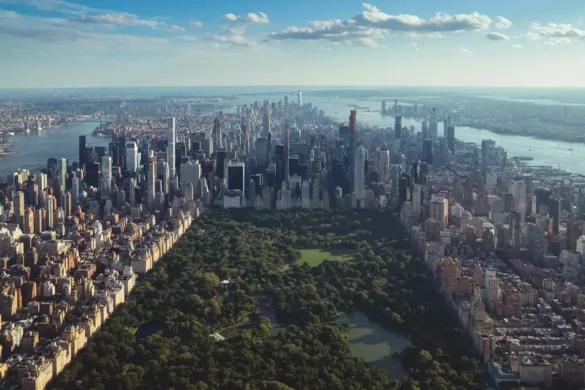
New York City anchors the Northeast with museums, architecture, and neighborhoods that can fill an entire trip. Nearby cities like Boston, Philadelphia, and Washington, D.C. connect easily by rail and offer dense historic and cultural experiences. This corridor is ideal for travelers without cars.
Chicago and the Midwest urban hubs
Chicago offers lakefront parks, architecture tours, jazz culture, and food traditions that reflect immigrant history. Cities like Detroit and Minneapolis provide additional cultural stops without the density of coastal megacities. The Midwest balances urban life with accessible open landscapes.
Los Angeles, San Francisco, and the Pacific coast
California’s cities mix beaches, technology culture, film history, and scenic drives. The Pacific Coast Highway connects coastal towns with cliffs, ocean views, and relaxed pacing. This region works best with a rental car and extra time.
Southern cultural cities
New Orleans, Savannah, Charleston, and Nashville showcase music, cuisine, and preserved architecture. These cities move at a slower pace and reward walking exploration. They are often combined with road trips or coastal visits.
United States’ natural highlights and park systems
Canyon and desert parks of the Southwest
The Grand Canyon, Zion, Bryce Canyon, and Arches define the red rock Southwest with dramatic geology and hiking opportunities. These parks require early starts, hydration planning, and careful driving distances. They are best experienced in spring or fall to avoid extreme heat.
Alpine and mountain landscapes
Yellowstone, Glacier, Rocky Mountain, and Yosemite showcase glaciers, wildlife, waterfalls, and alpine trails. Seasonal road openings and snow conditions influence access, so checking park alerts is essential at the National Park Service trip planning page. These parks often require advance lodging or campsite reservations.
Coastal and wetland ecosystems
Everglades National Park, Olympic National Park, and coastal preserves show subtropical wetlands, rainforests, and rugged shorelines. Wildlife viewing and kayaking are common activities in these areas. Weather patterns significantly affect accessibility and comfort.
United States’ cultural and historic must-sees
Founding history in the Northeast
Philadelphia’s Independence Hall and Boston’s Freedom Trail reveal early American history in walkable settings. Museums and preserved streetscapes help visitors understand the country’s origins. These areas are easy to explore without a vehicle.
Sites across Alabama, Mississippi, and Tennessee mark key moments in the civil rights movement. Visiting these locations adds depth to understanding modern American society. Many of these are connected by well-marked heritage trails.
Music, art, and regional identity
New Orleans jazz clubs, Memphis blues heritage, Seattle’s rock history, and Austin’s live music culture show how art defines regions. Museums and neighborhoods often serve as the best introduction to local identity. Planning time for evening performances enhances these visits.
United States’ top places to visit across regions
City icons
New York City, Chicago, San Francisco, Washington D.C., and New Orleans consistently rank as first-time favorites. Each offers dense attractions within walkable or transit-friendly areas and rewards slow exploration. These cities form natural anchors in many itineraries.
Nature icons
Grand Canyon, Yellowstone, Yosemite, and Rocky Mountain National Park represent America’s most photographed landscapes. They require driving access and weather awareness to enjoy safely. Visitors should plan park days carefully to avoid crowd peaks.
Underrated stops
Sedona, Moab, Bar Harbor, Asheville, and Santa Fe provide scenic bases with strong local character near major natural areas. These towns often cost less than large cities and allow better access to trails and viewpoints. They are excellent additions to road trips.
United States’ food and local experiences
Regional foods to try
- New York pizza and bagels in Manhattan and Brooklyn
- Cajun gumbo and beignets in New Orleans
- Texas brisket and Carolina pulled pork across the South
- Fresh salmon and oysters in Seattle and coastal Oregon
- Deep dish pizza in Chicago
- Green chile dishes in New Mexico
- Lobster rolls in Maine
- Hawaiian poke and kalua pork in Honolulu
Markets and street culture
Public markets like Pike Place in Seattle and Reading Terminal in Philadelphia highlight regional produce and artisan foods. Street food trucks in cities like Austin and Portland showcase modern culinary creativity. Exploring markets often doubles as sightseeing.
Experience-based food activities
Wine tastings in Napa Valley, oyster trails in Washington State, barbecue trails in Texas, and seafood festivals in New England connect travelers to local environments. These experiences reveal how geography shapes cuisine. Booking ahead is often necessary in peak seasons.
United States’ transport systems and getting around
Flights and major airports
Most visitors arrive via international hubs like JFK, LAX, ORD, and ATL, with strong connections nationwide. Domestic flights are frequent and often the most efficient way to cross regions. Airport security procedures are managed by the Transportation Security Administration.
Rail corridors and urban transit
The Northeast Corridor offers efficient train travel between major cities via the national rail network. Urban transit systems in New York, Chicago, Boston, and Washington, D.C. reduce the need for cars. These options work best in dense regions.
Driving and highways
Interstate highways connect nearly every region, and rental cars are essential for national parks and rural areas. Scenic byways offer memorable drives but require extra time and fuel planning. Weather and mountain passes can affect travel in winter, with road advisories available from the U.S. Department of Transportation.
United States’ base strategy for different budgets
Luxury urban bases
Manhattan, Beverly Hills, and downtown Chicago provide high-end hotels close to attractions. These areas reduce transit time and offer premium dining and cultural access. They are best for short city-focused trips.
Mid-range city hubs
Seattle, Denver, Austin, and Savannah offer balanced pricing with strong local culture. These cities work well as gateways to nature and regional exploration. Visitors often split time between urban stays and nearby landscapes.
Budget-friendly alternatives
Smaller cities near major attractions often cost far less than primary hubs. Staying outside park entrances or major downtowns can reduce accommodation costs significantly. This strategy works well for road trips.
Book your perfect base — from NYC lofts and Grand Canyon lodges to California beachfronts — with our handpicked hotels and rentals. We earn a commission on bookings at no extra cost to you. Book Now
United States’ daily budget expectations for travelers
Budget traveler daily estimate
Travelers using hostels, buses, and modest meals may spend $120–$180 per day depending on region. Smaller cities and rural areas are generally more affordable than major metros. Careful route planning reduces transport costs.
Mid-range traveler daily estimate
Hotels, rental cars, and restaurant meals place daily costs between $220–$350. This is the most common travel style for first-time visitors. Booking in advance keeps prices stable.
Luxury traveler daily estimate
Five-star hotels, guided experiences, and premium dining can exceed $500 per day. These trips often focus on cities and curated experiences. Costs rise sharply during holiday periods.
Sample price anchors
- Simple meal: $12–$25
- Sit-down restaurant meal: $25–$50
- City transit pass: $5–$15 per day
- Mid-range hotel: $150–$250 per night
- Rental car: $40–$90 per day
- Domestic flight: $120–$300 depending on route
How to reduce costs
Travel in shoulder seasons, stay outside downtown cores, and combine city stays with park camping or smaller towns. City attraction passes and advance bookings lower sightseeing costs. Choosing fewer regions reduces expensive flights.
United States’ regions and how to choose where to go
Northeast
The Northeast is compact, historic, and transit-friendly, ideal for city lovers and history enthusiasts. Visitors can explore multiple cities without a car and see iconic landmarks quickly. This region suits shorter trips with dense sightseeing.
South
The South offers warm weather, music heritage, coastal scenery, and slower pacing. Driving between cities is common and rewarding for scenic and culinary routes. Food culture is a highlight here.
Midwest
The Midwest balances urban lakefront cities with open landscapes and festivals. It offers authentic cultural experiences without heavy tourist crowds. This region works well in summer and fall.
West
The West is defined by deserts, mountains, and coastline, making it ideal for outdoor enthusiasts and road trippers. Distances are large but scenery is unmatched. A rental car is essential here.
United States’ 10-day framework for first-time visitors
Day 1: Arrive in New York City and explore central landmarks on foot to adjust to time differences. This day focuses on orientation rather than long sightseeing lists. Staying central reduces transit stress.
Day 2: Visit museums and neighborhoods before taking a short day trip to a nearby historic town. This adds context without requiring relocation. Evening travel preparation sets up the next leg.
Day 3: Travel by train to Washington, D.C. and explore the National Mall and monuments. This corridor is efficient and avoids airport transfers. Overnight in a central district.
Day 4: Fly to Chicago and settle into a lakefront hotel for skyline views and local dining. This transition bridges East Coast history with Midwest culture. Evening walks help adjust to the new city.
Day 5: Explore Chicago’s architecture, museums, and parks at a relaxed pace. Avoid over-scheduling to preserve energy for the western segment. Prepare for a longer flight next day.
Day 6: Fly to Las Vegas or Phoenix as a gateway to canyon landscapes. This positions you close to major parks with minimal driving. Rest and hydrate before desert exploration.
Day 7: Visit the Grand Canyon with early departure to avoid crowds and heat. Scenic viewpoints and short hikes provide the best experience. Return to base before nightfall.
Day 8: Fly to San Francisco and enjoy a waterfront walk to reset after park travel. Urban pacing contrasts nicely with canyon scenery. Cable cars and neighborhoods offer light exploration.
Day 9: Drive part of the Pacific Coast Highway or visit Muir Woods for coastal nature. This adds a final natural element without heavy logistics. Evening in the city prepares for departure.
Day 10: Depart from San Francisco after a relaxed morning and airport transfer. This sequencing minimizes backtracking and long drives. The trip ends with balanced city and nature memories.
Explore United States tours that unlock layered experiences across urban, cultural, and outdoor zones. We may earn a commission if you book through our links at no additional cost to you.
United States’ seasonal travel expectations for planning
Spring
Spring brings mild temperatures and blooming landscapes across many regions, making it ideal for cities and parks without peak crowds. Snowmelt fuels waterfalls in mountain parks while southern states enjoy comfortable weather. Travelers should still check mountain road openings using updates from the National Oceanic and Atmospheric Administration.
Summer
Summer is peak travel season with long daylight hours, especially favorable for national parks and coastal drives. Heat can be intense in desert and southern regions, requiring early starts and hydration planning. Advance reservations are essential.
Fall
Fall offers foliage in the Northeast and Midwest and grape harvests in wine regions. Temperatures are moderate and crowds thinner than summer. This is one of the most balanced seasons for cross-region travel.
Winter
Winter favors ski resorts, southern cities, and holiday events in urban centers. Mountain roads may close due to snow, and northern parks become inaccessible. Packing layers and checking weather alerts is critical.
United States’ common planning mistakes to avoid
Underestimating distances
Travelers often try to cover too many regions in one trip without accounting for flight time and airport procedures. This leads to fatigue and missed experiences. Choosing fewer regions improves enjoyment.
Ignoring park reservation systems
Many parks require timed entries, permits, or early reservations that visitors overlook. Checking updates at the National Park Service alerts page avoids disappointment. This is especially important in summer.
Relying on public transit everywhere
Outside dense cities, public transit is limited and unreliable for sightseeing. Renting a car in rural and park areas is usually necessary. Planning this early saves time.
United States’ packing and preparation essentials
Clothing and gear
Pack layers for variable climates, especially when combining cities with mountain or desert environments. Comfortable walking shoes are essential for urban exploration and light hiking. Sun protection is important in the Southwest and coastal zones.
Documents and apps
Keep digital copies of passports, visas, and insurance policies accessible offline. Map apps and park guides help in low-signal areas. Downloading offline maps before entering parks is highly recommended.
Health and safety preparation
Bring basic medications, hydration packs for parks, and travel insurance documents. Checking wildfire alerts before driving into wilderness areas is prudent using updates from the National Interagency Fire Center. Preparation reduces avoidable stress.
Where to Go in United States
Alabama | Alaska | Arizona | Arkansas | California | Colorado | Connecticut | Delaware | Florida | Georgia | Hawaii | Idaho | Illinois | Indiana | Iowa | Kansas | Kentucky | Louisiana | Maine | Maryland | Massachusetts | Michigan | Minnesota | Mississippi | Missouri | Montana | Nebraska | Nevada | New Hampshire | New Jersey | New Mexico | New York | North Carolina | North Dakota | Ohio | Oklahoma | Oregon | Pennsylvania | Rhode Island | South Carolina | South Dakota | Tennessee | Texas | Utah | Vermont | Virginia | Washington | West Virginia | Wisconsin | Wyoming
U.S. Territories
American Samoa | Guam | Northern Mariana Islands | Puerto Rico | U.S. Virgin Islands
Plan your route around cities, parks, and cultural corridors to experience the most meaningful things to do in United States. We may earn a commission if you book through our links at no additional cost to you.
United States’ next destinations to consider after your trip
Canada
Canada pairs naturally with northern U.S. states through shared landscapes, easy border crossings, and similar travel infrastructure. Visitors can extend road trips into Banff, Vancouver, or Toronto with minimal logistical change. This suits travelers already comfortable with long scenic drives.
Mexico
Mexico connects seamlessly from California, Arizona, and Texas with direct flights and land crossings. Beaches, ruins, and vibrant cities provide a cultural contrast after a U.S. itinerary. This suits travelers seeking warmth and slower pacing.
Caribbean islands
Miami, Houston, and New York serve as major gateways to Caribbean destinations like the Bahamas and Puerto Rico. These islands offer relaxed beach time after busy city and park travel. This suits travelers wanting recovery after active exploration.
United Kingdom
Direct flights from East Coast cities make the UK a logical transatlantic extension. Historic cities and countryside landscapes contrast nicely with American geography. This suits travelers wanting culture without language barriers.