Washington DC Travel Guide — Power, Culture, and Living HistoryWelcome to Washington DC
Washington DC blends global power with neighborhood soul, where neoclassical monuments sit beside indie cafés and tree-lined streets. Travelers come for the icons, but stay for the layers: walkable districts, world-class museums with free entry, and a dining scene shaped by diplomats and locals alike. End your planning with confidence by choosing experiences that balance history, culture, and everyday city rhythm.
For a seamless trip, browse top-rated Washington DC tours and curated activities that highlight the best things to do in Washington DC.
Must-See Attractions in Washington, DC
Capitol Hill | Georgetown | Lincoln Memorial | National Air and Space Museum | National Gallery of Art | National Mall | Smithsonian National Museum of American History | Supreme Court | Tidal Basin | United States Capitol | Washington Monument | White House
💡Quick Facts:
City: Washington, District of Columbia (D.C.) — federal capital of the United States.
Area: 177.0 km² / 68.3 mi² — official geography via DC Office of Planning.
Population: ~678,000 (2024 est.) — US Census Bureau.
Government Status: Federal district (not a state).
Official Language: English.
Currency: US Dollar (USD).
Time Zone: Eastern Time — UTC −5 (summer UTC −4).
Climate: Humid subtropical; hot, humid summers and cool winters.
Known For: National Mall, Smithsonian museums, White House, U.S. Capitol, monuments and memorials.
🛂Arrival Info:
Entry Requirements: US domestic travel; international visitors must meet US entry rules — US Customs & Border Protection.
Border Notes: No border controls within the US; standard airport security applies.
🏥Health Info:
Vaccines: No city-specific requirements; routine US guidance applies.
Medical Care: Major public and private hospitals throughout the city.
Water: Tap water safe to drink.
Insurance: Strongly recommended due to healthcare costs.
🚑 Check travel insurance options for travel emergencies, delays, and medical needs abroad — Get coverage here
💉 Stay Informed with Official Updates: WHO – International Travel & Health | CDC – Travel health updates
🚨Travel Advisory:
Risk Level (Consolidated):
Notes: Demonstrations and large events may cause localized disruptions; crime varies by neighborhood.
🌍Track Real-Time Official Updates: US Travel Advisory | UK Foreign Travel Advice | Government of Canada | NZ SafeTravel
💰Visitor Info:
Payments: Cards and contactless widely accepted; cash rarely needed.
Tipping: Standard US practice (15–20%).
Typical Daily Budgets (estimate):
• Budget: US$70–110
• Mid-range: US$150–250
• Luxury: US$350+
🛫Airports:
Ronald Reagan Washington National (DCA): Closest to city center (5 miles)
Washington Dulles International (IAD): Major international hub (26 miles west)
Baltimore/Washington International (BWI): Budget carriers, 32 miles northeast
🧳 Delayed or canceled flight? Check if you’re eligible for compensation
🚍Transports:
Local Transit: Metro rail and buses operated by Washington Metropolitan Area Transit Authority (WMATA).
Intercity: Amtrak services from Union Station.
Driving: Right-hand traffic; heavy congestion and limited parking in central areas.
🚗 Book reliable airport transfers and in-city rides in advance. Reserve your ride here
🛰️Connectivity:
SIM/eSIM: Verizon, AT&T, T-Mobile nationwide coverage.
Wi-Fi: Free public Wi-Fi in many federal buildings, museums, and downtown zones.
Power: Type A/B plugs; 120V, 60Hz.
🛜 Stay connected abroad with affordable eSIM data packs. Get your eSIMS here
📜Laws & Etiquette:
Alcohol: Legal drinking age 21; open-container laws enforced.
Cannabis: Legal for adults 21+ to possess limited amounts; sales regulated — DC Government.
Security Zones: Photography and access restrictions around federal buildings and security perimeters.
👮Safety & Contacts:
Emergency: 911 (police, fire, ambulance).
City Services: Visitor and municipal information via DC Government.
🗺️US/UK Embassies Abroad: US Embassies | UK Embassies
🏛️ Embassy locator tools: Embassies Worldwide
🌞Weather:
Spring: 10–22°C / 50–72°F
Summer: 22–35°C / 72–95°F (humid)
Autumn: 10–22°C / 50–72°F
Winter: −2–8°C / 28–46°F; occasional snow
🌦️ Meteorology: NOAA / National Weather Service (Washington, DC):
Neighborhoods That Define Washington DC
Capitol Hill
Home to the United States Capitol, this area pairs stately rowhouses with neighborhood markets and leafy parks. It suits travelers who like early mornings, quiet evenings, and easy access to civic landmarks.
Georgetown
Cobblestone streets, canal paths, and waterfront dining give Georgetown a European feel. It’s ideal for shopping, scenic walks, and boutique hotels close to the Potomac.
Dupont Circle
Bookshops, embassies, and a lively café culture define Dupont Circle. The neighborhood works well for travelers who want central transit access and a social, walkable base.
U Street Corridor
Once known as “Black Broadway,” U Street carries a deep music legacy alongside buzzing nightlife. Choose this area for live shows, late dinners, and a youthful energy.
Adams Morgan
Colorful murals and international eateries make Adams Morgan a late-night favorite. It’s best for travelers who want eclectic food and a relaxed, creative vibe.
The Wharf
A revitalized waterfront with promenades, concert venues, and river views. The Wharf suits visitors who want modern hotels, sunset strolls, and easy boat access.
Landmarks and Must-See Places
National Mall
The green spine of the city links memorials, museums, and open vistas. Visiting early or near sunset delivers the calmest, most photogenic experience.
White House
The official residence of the U.S. president anchors Pennsylvania Avenue. Even from the exterior, it offers essential context for the city’s global role.
Lincoln Memorial
A powerful monument facing the Reflecting Pool, especially moving at dawn or dusk. Its steps frame one of DC’s most iconic perspectives.
Smithsonian National Air and Space Museum
From historic aircraft to planetary science, this museum showcases human ingenuity. Timed entry helps avoid peak crowds.
Library of Congress
A masterpiece of architecture and scholarship, with soaring reading rooms and rotating exhibitions. It rewards slow exploration.
Parks, Gardens, and Scenic Spots
Rock Creek Park
A forested escape cutting through the city, perfect for hiking, cycling, and wildlife sightings. Trails feel surprisingly remote minutes from downtown.
Tidal Basin
Famous for spring blossoms, the loop also offers year-round views of memorials reflected on water. Evening walks are especially serene.
National Arboretum
A quieter green space with columns, bonsai collections, and seasonal color. It’s ideal for contemplative walks away from crowds.
Potomac Riverfront
Kayaking, riverside paths, and skyline views define this corridor. Access is easy from Georgetown and the Wharf.
Must-See Experiences
Monument Walk at Night
Seeing memorials illuminated transforms familiar sights into something intimate and reflective. Fewer crowds make the experience feel personal.
Smithsonian Museum Hop
Free entry allows flexible, curiosity-driven exploration. Mix one large museum with a smaller gallery for balance.
Capitol Hill Tour
Guided visits explain legislative history and architecture. Advance booking secures access during busy seasons.
Embassy Row Stroll
Massachusetts Avenue showcases global architecture and cultural houses. It’s a subtle way to understand DC’s diplomatic fabric.
Local Food Crawl
Neighborhoods reveal DC’s diversity through Ethiopian, Salvadoran, and Chesapeake-influenced cuisine. Guided tastings add context.
Ready to explore? Check out Washington DC tours that showcase iconic neighborhoods, local culture, and essential things to do in Washington DC. We may earn a commission if you book through our links — at no extra cost to you.
Eastern Market
A working market with crafts, fresh produce, and weekend buzz. Locals come for breakfast pastries and conversation.
Dumbarton Oaks
Formal gardens and museum collections tucked into Georgetown. Spring and autumn bring the best colors.
Blagden Alley
A restored alley turned social hub with coffee roasters and eateries. It shows how DC repurposes historic spaces.
Culture, History, and Local Identity
African American History and Culture Museum
A deeply moving narrative spanning centuries, presented through artifacts and multimedia. Allocate several hours for a meaningful visit.
National Archives
See foundational documents that shaped the nation. The experience grounds modern debates in historical context.
Ford’s Theatre
Part museum, part working theater, connecting performance with pivotal history. Evening shows add depth to daytime sightseeing.
Eat and Drink Like a Local
Half-Smokes and Modern Classics
DC’s signature sausage has evolved through gourmet takes. Try it alongside local craft beer.
International Markets
Global communities shape everyday dining, from Ethiopian injera to Southeast Asian bakeries. Markets reveal the city’s culinary diversity.
Waterfront Dining
Seasonal menus shine at the Wharf and Georgetown. Sunset reservations are popular in warmer months.
Where Washington DC Comes Alive at Night
Live Music on U Street
Jazz heritage meets modern venues hosting touring acts. Weekends bring the strongest lineups.
Theater and Performing Arts
From Broadway-bound shows to experimental productions, evenings cater to varied tastes. Check seasonal calendars.
Rooftop Lounges
Panoramic views pair with relaxed social scenes. Arrive early to avoid lines in peak season.
Best Travel Itineraries in Washington DC
3-Day City Highlights
- Day 1 — Monuments and Memory: Begin on the National Mall, moving from memorial to memorial as the city’s story unfolds, then transition into an evening walk when lights soften the scale. The day matters because it anchors your understanding of DC’s purpose and symbolism.
- Day 2 — Museums and Neighborhoods: Balance a flagship Smithsonian visit with time in Dupont Circle or Georgetown, letting culture flow into café breaks and canal walks. This contrast shows how institutions and daily life coexist.
- Day 3 — Civic Core to Waterfront: Tour Capitol Hill in the morning, then drift toward the Wharf for a relaxed finale by the river. Ending near water provides perspective and closure.
5-Day Discovery Break
- Day 1 — Orientation: Settle in with a Mall overview and sunset views, easing jet lag while capturing essentials. The gentle pace prepares you for deeper dives.
- Day 2 — History in Focus: Explore archives and memorials, connecting documents to places. Context builds appreciation beyond photos.
- Day 3 — Green Escape: Spend time in Rock Creek Park, shifting from stone to forest. The contrast refreshes energy mid-trip.
- Day 4 — Global DC: Walk Embassy Row and sample international cuisine, experiencing the city’s diplomatic side. It reframes DC as outward-looking.
- Day 5 — Creative Close: Choose a museum you missed or a neighborhood market, ending with personal interests.
7-Day Urban Explorer
- Day 1 — Arrival and Landmarks: Establish bearings with major sights and an evening stroll.
- Day 2 — Museums at Depth: Dedicate time to two institutions, allowing unhurried exploration.
- Day 3 — Neighborhood Life: Live locally in Adams Morgan or Capitol Hill, slowing the pace.
- Day 4 — Nature Reset: Hike or cycle through Rock Creek Park, restoring balance.
- Day 5 — Performance and Arts: Attend theater or live music, experiencing DC after dark.
- Day 6 — Waterfront Flow: Kayak or walk along the Potomac, linking neighborhoods by water.
- Day 7 — Reflection: Revisit a favorite spot, ending with perspective rather than checklists.
10-Day Immersive Stay
- Day 1 — Orientation: Mall overview and sunset calm.
- Day 2 — Civic History: Capitol Hill and archives for grounding.
- Day 3 — Smithsonian Focus: Deep museum engagement.
- Day 4 — Garden Pause: Arboretum or Dumbarton Oaks for quiet.
- Day 5 — Global Tastes: Embassy Row and international dining.
- Day 6 — Outdoor Day: Rock Creek Park immersion.
- Day 7 — Performance Night: Theater or jazz.
- Day 8 — Waterfront Living: Wharf exploration and river views.
- Day 9 — Personal Interests: Tailor the day to niche museums or neighborhoods.
- Day 10 — Farewell: Final walk and reflective close.
Getting Around Washington DC
Metro
Extensive coverage connects neighborhoods and attractions efficiently. Peak hours are busiest on weekdays.
Bus and Circulator
Buses fill gaps and offer street-level views. The Circulator is budget-friendly for short hops.
Walking and Cycling
Compact districts make walking pleasant, with bike lanes expanding yearly. Comfortable shoes are essential.
Useful late at night or for airport transfers. Traffic can slow peak-hour travel.
Where to Base Yourself in Washington DC
Downtown and Penn Quarter
Central access suits first-time visitors focused on museums and transit convenience.
Georgetown
Scenic and upscale, ideal for relaxed evenings and waterfront walks.
Dupont Circle
Balanced location with dining, nightlife, and easy Metro connections.
Explore trusted Washington DC hotels and boutique lodgings chosen for location, comfort, and trip flow.
We may earn a commission if you book through our links — at no extra cost to you.
Best Time to Visit Washington DC
Spring
Mild weather and blossoms draw crowds. Book early for peak bloom weeks.
Summer
Hot and humid, but festivals and extended hours compensate. Hydration and early starts help.
Autumn
Cooler air and cultural calendars make this a favorite season. Fewer crowds enhance walks.
Winter
Quieter museums and holiday events define winter. Cold snaps are brief but possible.
Planning and Access
Reservations and Timing
Timed entries streamline popular museums. Early planning saves hours.
Passes and Strategy
Free attractions reduce costs, letting you splurge on experiences. Group sights by area.
Responsible and Regenerative Travel in Washington DC
- Respect memorial spaces by keeping noise low and paths clear, preserving reflection for all visitors.
- Support local businesses in neighborhoods beyond the Mall to spread economic benefits.
- Use public transport to reduce congestion and emissions in dense districts.
- Follow park guidelines to protect urban wildlife and green spaces.
- Learn context before photographing sensitive sites, honoring their significance.
Accessibility and Inclusive Travel in Washington DC
- Museums prioritize step-free access and elevators throughout galleries.
- The Metro provides elevators at many stations, though checks before travel help.
- Sidewalk curb cuts are widespread in central areas.
- Audio guides and tactile exhibits support varied needs.
- Accessible restrooms are common in major attractions.
Photography and Creative Planning in Washington DC
- Sunrise and dusk soften marble tones and reduce crowds.
- Reflections at the Tidal Basin add depth to compositions.
- Night photography benefits from tripod use at illuminated monuments.
- Seasonal color changes refresh familiar scenes.
- Candid neighborhood shots capture everyday DC.
Weather Backup Plans and Flexibility
- Museum days fit rainy forecasts perfectly.
- Cafés and markets provide warm refuges in winter.
- Covered memorials still offer atmosphere during light rain.
- Evening performances rescue stormy afternoons.
Plan Smarter, Travel Better
- Group sights geographically to minimize transit time.
- Start early to beat school groups.
- Balance institutions with outdoor breaks for energy.
- Build flexibility into afternoons for discoveries.
Choose Your Next Adventure
New York City
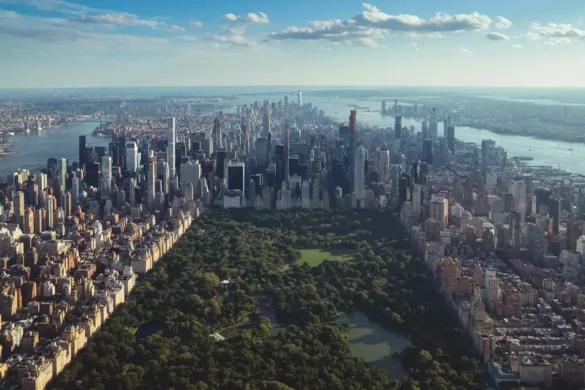
Urban energy contrasts with DC’s civic calm, offering theater, neighborhoods, and skyline icons in one dense experience.
Philadelphia
Historic streets and culinary scenes connect naturally with American history explored in DC, making a logical pairing.
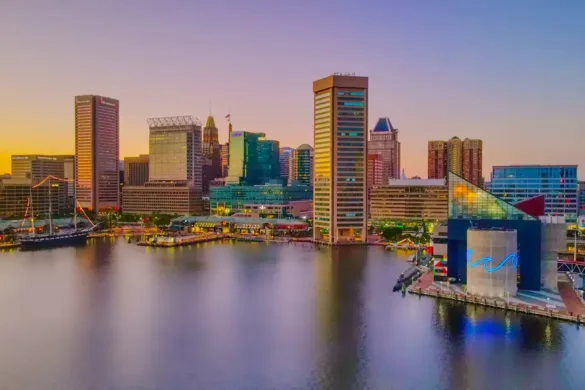
Baltimore
A creative harbor city with museums and waterfront neighborhoods adds texture to a Mid-Atlantic route.
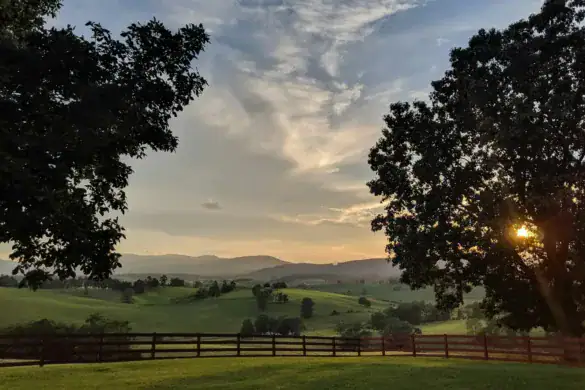
Shenandoah Valley
Mountains and small towns provide a nature-focused counterpoint within easy reach.
Ready to Explore Washington DC
Washington DC rewards curiosity with context, inviting travelers to move beyond monuments into lived neighborhoods and green escapes. Use this guide to shape a stay that feels informed, balanced, and memorable, then let the city’s layers reveal themselves at your pace.