Explore Europe | Continent Travel Planning Guide
Europe is often treated as a compact collection of iconic cities, but that mental model causes more failed itineraries than any other planning mistake. Europe functions as a dense, multi-layered travel system where borders, climate bands, currencies, and transit networks overlap rather than align cleanly. Distances appear short on maps, yet travel friction varies wildly depending on region, season, and infrastructure quality. Cultural expectations shift faster than geography, and administrative rules can change without crossing large physical distances. Travelers who succeed in Europe plan around systems rather than sights. Those who fail attempt to “see everything” without understanding how the continent actually moves.
How Europe actually works
Europe is not a single coherent travel environment; it is a cluster of highly developed but unevenly synchronized systems. High-speed rail corridors connect certain regions with near airline efficiency, while adjacent areas may rely on slow regional trains or buses. Political integration under the European Union simplifies some movement, but national sovereignty still governs labor laws, holidays, strikes, and regional transit funding. This creates a patchwork where efficiency is concentrated, not universal.
For travelers, the friction appears when planning assumes uniform standards. A rail-first itinerary that works flawlessly between Paris and Amsterdam may collapse entirely when extended into the Balkans or parts of southern Italy. Administrative ease does not guarantee logistical ease. The practical implication is that Europe rewards regional clustering rather than continent-wide loops, especially on trips under two weeks.
Europe’s entry gateways
Europe’s primary entry points are shaped by aviation economics rather than traveler convenience. Major hubs concentrate long-haul arrivals, while secondary airports serve budget intra-European traffic with limited onward connectivity. Cities like London, Paris, Frankfurt, Amsterdam, and Istanbul function as intercontinental funnels, but each serves different downstream regions more efficiently than others.
Entry choice affects the entire trip structure. Landing in a hub that aligns poorly with your first region can add unnecessary backtracking, cost, and fatigue. Open-jaw itineraries reduce this friction but require advance planning and fare comparison. Official guidance from European aviation safety authorities reflects how traffic density and regulation vary by airspace, which indirectly shapes scheduling reliability.
The planning implication is straightforward: choose entry points based on first regional focus, not airfare alone.
Europe’s climate fault lines
Europe’s climate is divided by latitude, altitude, and ocean exposure rather than simple north–south logic. The Atlantic moderates western Europe, while continental interiors experience sharper seasonal swings. Southern Europe faces summer heat stress and seasonal closures, while northern regions compress peak travel into short, intense windows.
Weather disruption is not evenly distributed. Alpine snow affects transit corridors long after cities thaw, and southern heat increasingly alters sightseeing viability during midday hours. Climate data published by European meteorological agencies shows rising volatility rather than predictable seasonality.
For travelers, this means that “best time to visit Europe” is a misleading question. The correct approach is to align specific regions with specific months, not plan continent-wide trips around a single season.
Europe’s cost realities
Europe’s cost structure is fragmented and counterintuitive. High-income countries do not always equal high daily travel costs, and lower-income regions can become expensive due to limited infrastructure or seasonal scarcity. Accommodation pricing is driven more by supply constraints than national averages, while food costs fluctuate sharply between tourist cores and local districts.
Currency adds another layer of friction. While many countries use the euro, exchange-rate exposure still exists across borders, and price perception shifts quickly when moving between euro and non-euro zones. Consumer protection standards are broadly consistent under EU law, as outlined by official EU consumer guidance, but pricing transparency varies.
The practical implication is that budgeting must be region-specific, not country-based, with contingency buffers for transport and lodging in high-demand zones.
Europe’s regional systems
Europe organizes itself regionally more than nationally for travel purposes. Western Europe prioritizes dense rail networks and urban mobility. Southern Europe balances historic cities with seasonal coastal economies. Northern Europe operates on compressed daylight cycles and high-cost efficiency. Eastern and Southeastern Europe combine long distances with improving but uneven infrastructure.
These systems do not blend smoothly. Crossing from one region to another often introduces a shift in pace, reliability, and cost that travelers underestimate. Regional tourism boards, such as those coordinated through official European tourism platforms, reflect this segmentation in how destinations are promoted and serviced.
The planning implication is to treat each region as a self-contained travel unit, rather than stacking regions back-to-back without adjustment days.
Europe’s natural zones
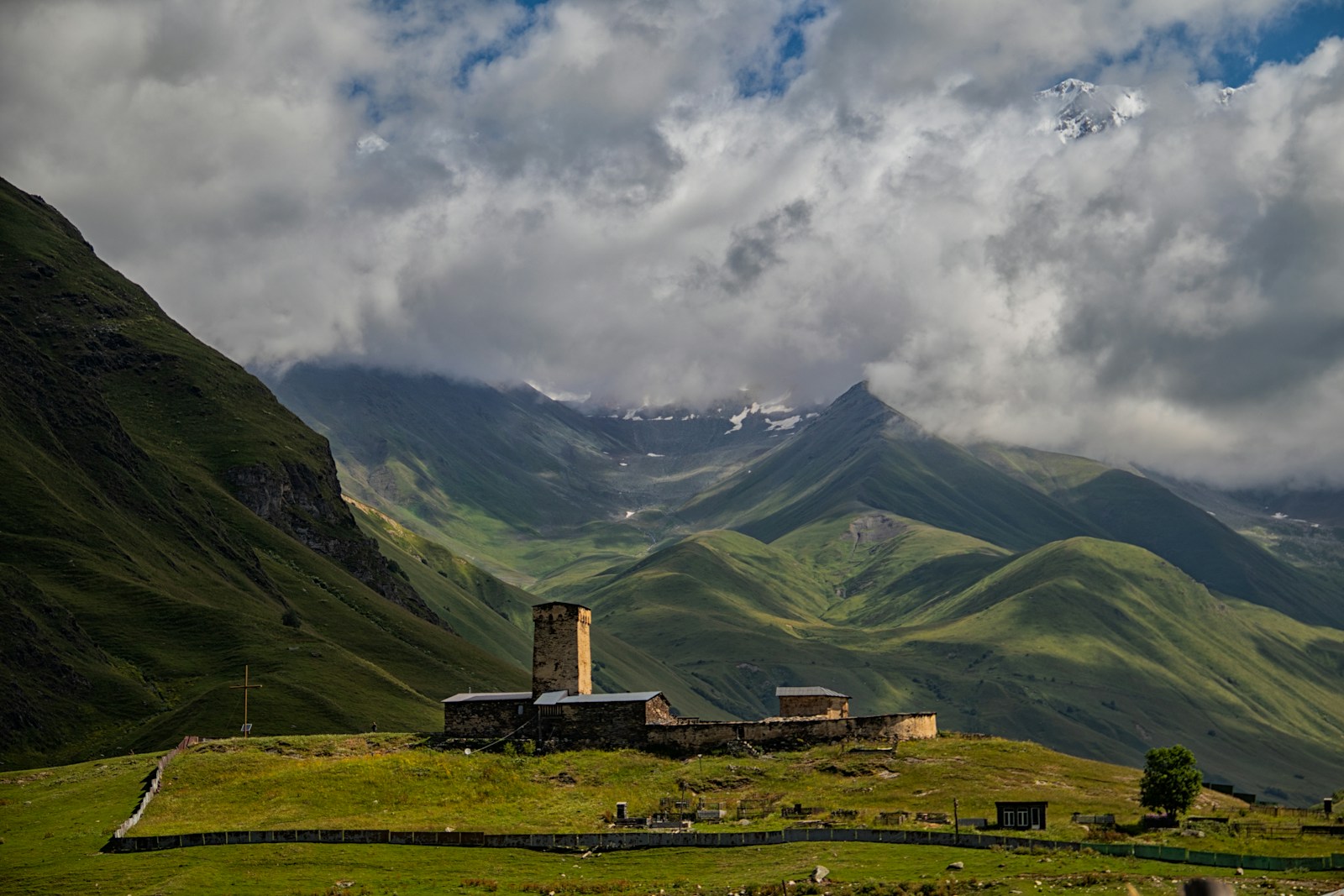
Natural geography still dictates movement despite modern infrastructure. Mountain ranges, river basins, and coastlines shape settlement patterns and transit corridors. The Alps remain a major seasonal barrier, while river systems like the Danube function as cultural and logistical spines across multiple countries.
Nature-driven constraints surface in subtle ways: tunnel closures, weather-sensitive passes, and limited alternative routes. Environmental protections enforced through bodies like the European Environment Agency also restrict development in sensitive areas, preserving landscapes but limiting capacity.
For travelers, this means that scenic regions require slower pacing and buffer days, especially when nature—not cities—is the primary draw.
Europe’s cultural frameworks
Europe’s cultural diversity operates on a smaller geographic scale than most travelers expect. Language, dining schedules, social norms, and service expectations can change dramatically within a few hundred kilometers. Cultural alignment often follows historical regions rather than modern borders, which explains why adjacent countries may feel more similar than distant regions within the same nation.
Misreading these frameworks creates friction: arriving during national holidays, misunderstanding meal times, or expecting uniform service norms. Cultural policy and heritage preservation frameworks outlined by UNESCO Europe illustrate how deeply regional identity influences daily life.
The planning implication is to research local rhythms, not just attractions, when sequencing destinations.
Europe’s local life rhythms
Daily life in Europe follows rhythms that rarely align with visitor expectations. Meal times, shop hours, work schedules, and social norms vary sharply by region, often independent of tourism demand. Southern Europe prioritizes late dinners and extended evenings, while northern regions compress daily activity into daylight hours, especially outside summer. In parts of Europe, Sundays remain functionally closed days despite tourist presence.
This creates friction for travelers who plan days rigidly or rely on continuous service availability. Museums may close midweek, restaurants may not open before evening, and transport schedules may thin dramatically on weekends or holidays. Labor protections and public holidays defined by official EU employment frameworks directly affect what is realistically accessible on any given day.
The planning implication is to build flexible daily structures that accommodate local schedules rather than forcing full-day sightseeing templates everywhere.
Europe 10-day travel framework
Ten days is enough to experience Europe meaningfully—but only if scope is controlled. The most common failure at this length is attempting to combine too many regions or climates into a single loop. Travel days consume more time and energy than most itineraries acknowledge, even with efficient rail or short flights.
A structurally sound 10-day Europe framework prioritizes depth over coverage:
• One primary region (7–8 days)
• One secondary city or nearby contrast (2–3 days)
• Minimal border crossings
• No overnight relocations back-to-back
This approach aligns with real transit behavior and recovery needs, especially when adjusting to time zones and cultural pacing. Guidance from official EU transport policy sources highlights how even optimized corridors experience congestion, maintenance windows, and seasonal disruption.
The planning implication is to design trips around stay-lengths, not attraction counts.
Europe’s planning pitfalls
Most Europe travel failures stem from misapplied assumptions rather than lack of research. Travelers overestimate how interchangeable destinations are, underestimate transit fatigue, and assume infrastructure consistency that does not exist continent-wide. Booking-heavy itineraries often collapse under delays, strikes, or simple exhaustion.
Another common pitfall is overconfidence in “cheap flights” as time-savers. Secondary airports, early departures, and baggage rules frequently erase cost and time advantages. Official passenger rights information from EU air travel authorities illustrates how disruptions are managed, but compensation does not recover lost trip value.
The planning implication is to optimize for resilience, not theoretical efficiency.
Who Europe fits best
Europe rewards travelers who value structure, adaptability, and contextual awareness. First-time international travelers benefit from safety standards, signage, and service predictability in core regions. Slow travelers, cultural explorers, and repeat visitors gain the most by leaning into regional depth rather than checklist tourism.
Europe is less forgiving for travelers with rigid schedules, minimal buffer days, or expectations of uniform service culture. Families and older travelers succeed when transit complexity is reduced and accommodation bases are stable. Accessibility standards vary, though EU-wide initiatives continue improving baseline compliance through official accessibility policies.
The planning implication is to match travel style to regional realities, not the other way around.
Europe’s global travel role
Europe occupies a unique position in global travel as both a cultural anchor and a transit crossroads. It functions simultaneously as a destination, a connector between continents, and a benchmark for heritage preservation. Its influence extends beyond tourism into education, diplomacy, and global mobility norms.
This role creates density pressure: Europe absorbs disproportionate visitor volume relative to land size, intensifying crowding and regulatory response. Sustainability initiatives coordinated through bodies like the European Travel Commission increasingly shape access, pricing, and visitor management strategies.
The planning implication is that Europe travel will continue shifting toward managed access and demand control, rewarding informed, forward-looking planners.
Explore Europe by region
Europe works best when approached as a set of regional travel systems, not a collection of countries to tick off. Each region operates under different assumptions about distance, timing, cost, and mobility. Treating them interchangeably is the fastest way to overload an itinerary.
Western Europe
Western Europe is Europe’s most integrated and compressed travel system. High-speed rail corridors, dense urban clusters, and synchronized schedules make movement relatively predictable, but demand pressure is constant. Cities are close together, yet accommodation scarcity and peak-season crowding amplify friction quickly. This region rewards travelers who plan rail routes early, anchor trips around major hubs, and accept that efficiency comes with higher baseline costs.
Logistics are forgiving, but expectations are not. Western Europe punishes spontaneity during peak periods and shortchanges travelers who underestimate reservation requirements. The planning implication is to prioritize fewer cities with longer stays, using rail efficiency to deepen experiences rather than expand coverage.
Southern Europe
Southern Europe operates on seasonal intensity rather than constant flow. Climate dictates daily rhythm, annual access, and even service availability. Coastal economies surge in summer and partially shut down outside peak months, while inland historic cities face heat constraints that reshape sightseeing hours. Transit exists, but pacing—not speed—defines success here.
Travel friction emerges when visitors apply northern efficiency assumptions to southern schedules. Late dinners, midday slowdowns, and summer heat require adaptive planning. The planning implication is to align destinations tightly with season, building in rest windows and avoiding overloaded midday itineraries.
Northern Europe
Northern Europe is governed by season compression and cost concentration. Travel works exceptionally well when conditions are favorable, but the viable window is narrow. Infrastructure is reliable, services are punctual, and nature access is excellent, yet pricing escalates rapidly and daylight variability reshapes daily planning outside summer.
Friction appears when travelers underestimate how much timing matters. A week too early or too late can radically alter access, weather, and experience quality. The planning implication is to treat timing as the primary planning variable, even above destination choice.
Eastern Europe
Eastern Europe functions as a transitioning travel system. Infrastructure quality varies widely, distances are longer, and regional connectivity is improving but uneven. Costs remain comparatively favorable, and crowd pressure is lower, but logistics require more intentional routing and buffer time.
Travelers struggle here when they expect Western Europe–level synchronization. Success comes from grounding trips in a limited number of bases and allowing for slower intercity movement. The planning implication is to optimize for value and depth, not speed or breadth.
Regional takeaway
Europe does not reward continent-wide itineraries built on symmetry. Each region demands a different planning logic, and trips fail when those logics are mixed without adjustment. Strong Europe itineraries cluster within one region—or transition deliberately between two compatible ones—rather than attempting to sample all four.
Each region requires different timing, budgets, and expectations. Regional tourism coordination supported by official EU travel portals reflects these distinctions clearly.
Accommodation as a planning system
Where you sleep in Europe matters more than how many places you list. Accommodation is not just a cost line; it determines daily transit load, recovery capacity, and how resilient your itinerary is when plans shift. Europe’s density tempts travelers into frequent hotel changes, but that approach consistently increases friction rather than reducing it.
Stable accommodation bases outperform constant relocation for three reasons. First, daily transit compounds faster than expected—short distances still involve packing, check-out windows, luggage handling, and orientation costs. Second, Europe’s urban form rewards familiarity; knowing a neighborhood improves meal timing, route efficiency, and energy management. Third, recovery time is not optional in a continent where walking, stairs, and standing are routine parts of sightseeing.
The most effective approach is to choose fewer, well-located bases and explore outward from them. This is especially true in rail-dense regions, where day trips are easier than luggage moves, and in historic cities where accommodation near transit nodes reduces daily friction. The planning implication is to treat lodging as an anchor, not a nightly variable.
When guided experiences make sense in Europe
Tours in Europe work best when they solve a specific access or knowledge problem. They add value when they unlock restricted sites, provide expert interpretation that cannot be replicated independently, or handle logistics that would otherwise consume disproportionate time and effort. Used this way, tours enhance understanding and efficiency.
Problems arise when tours are used as default fillers. Over-scheduled guided activities reduce flexibility, amplify fatigue, and often duplicate experiences travelers could access independently with better pacing. Europe’s infrastructure already supports self-guided exploration in many contexts; tours should complement that strength, not replace it.
The highest-value tours typically fall into three categories:
- Experiences with limited or controlled access
- Context-heavy sites where interpretation changes the experience
- Logistically complex activities involving timing, transport, or permits
The planning implication is to book tours selectively and deliberately, using them to enable what independent travel cannot rather than to occupy every available hour.
Where to Go in Europe
Albania | Andorra | Armenia | Austria | Azerbaijan | Belgium | Bosnia and Herzegovina | Bulgaria | Croatia | Cyprus | Czech Republic | Denmark | Estonia | Finland | France | Georgia | Germany | Greece | Hungary | Iceland | Ireland | Italy | Kazakhstan | Kosovo | Latvia | Liechtenstein | Lithuania | Luxembourg | Malta | Moldova | Monaco | Montenegro | Netherlands | North Macedonia | Norway | Poland | Portugal | Romania | Russia | San Marino | Serbia | Slovakia | Slovenia | Spain | Sweden | Switzerland | Turkey | United Kingdom | Vatican City