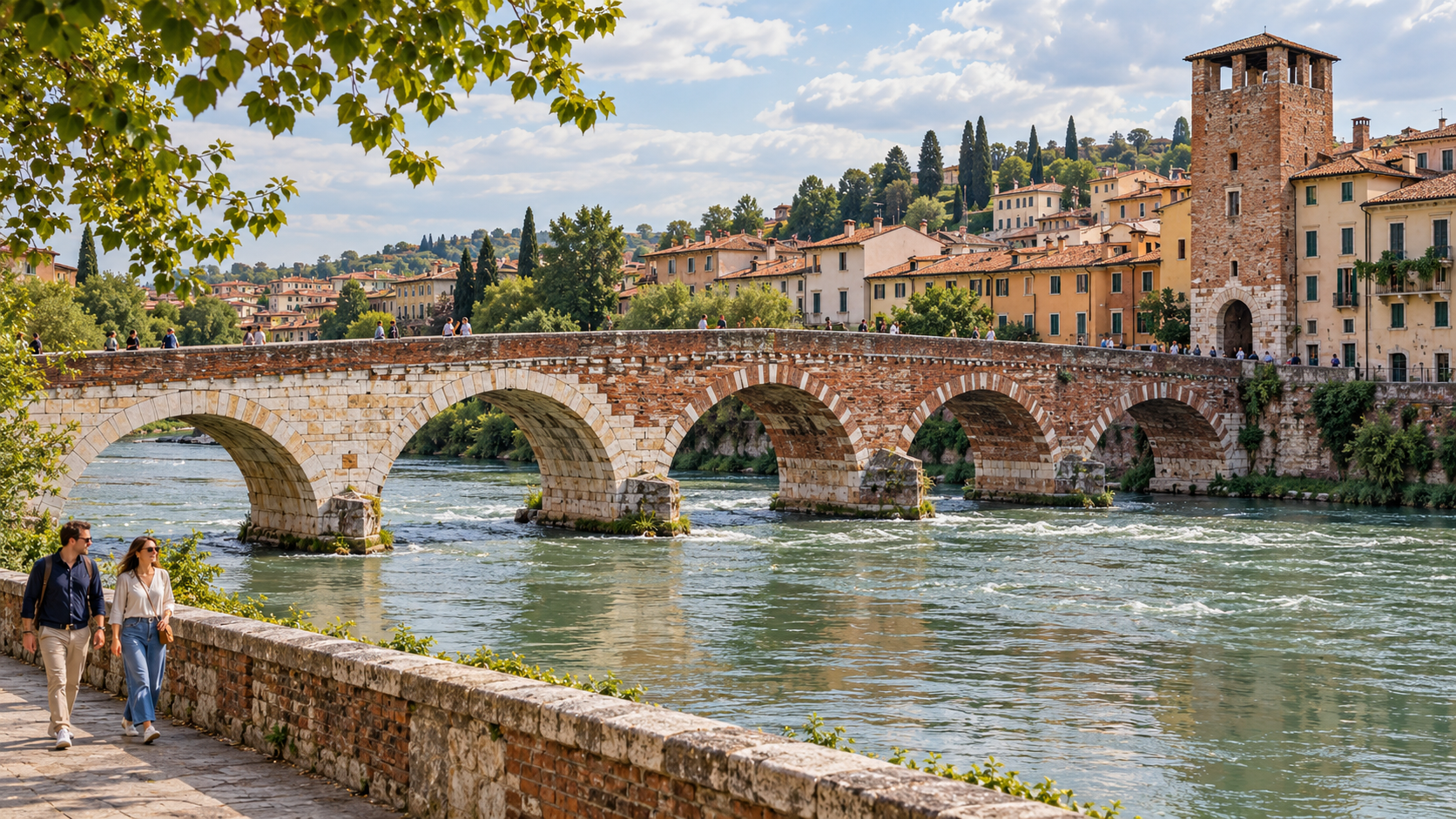
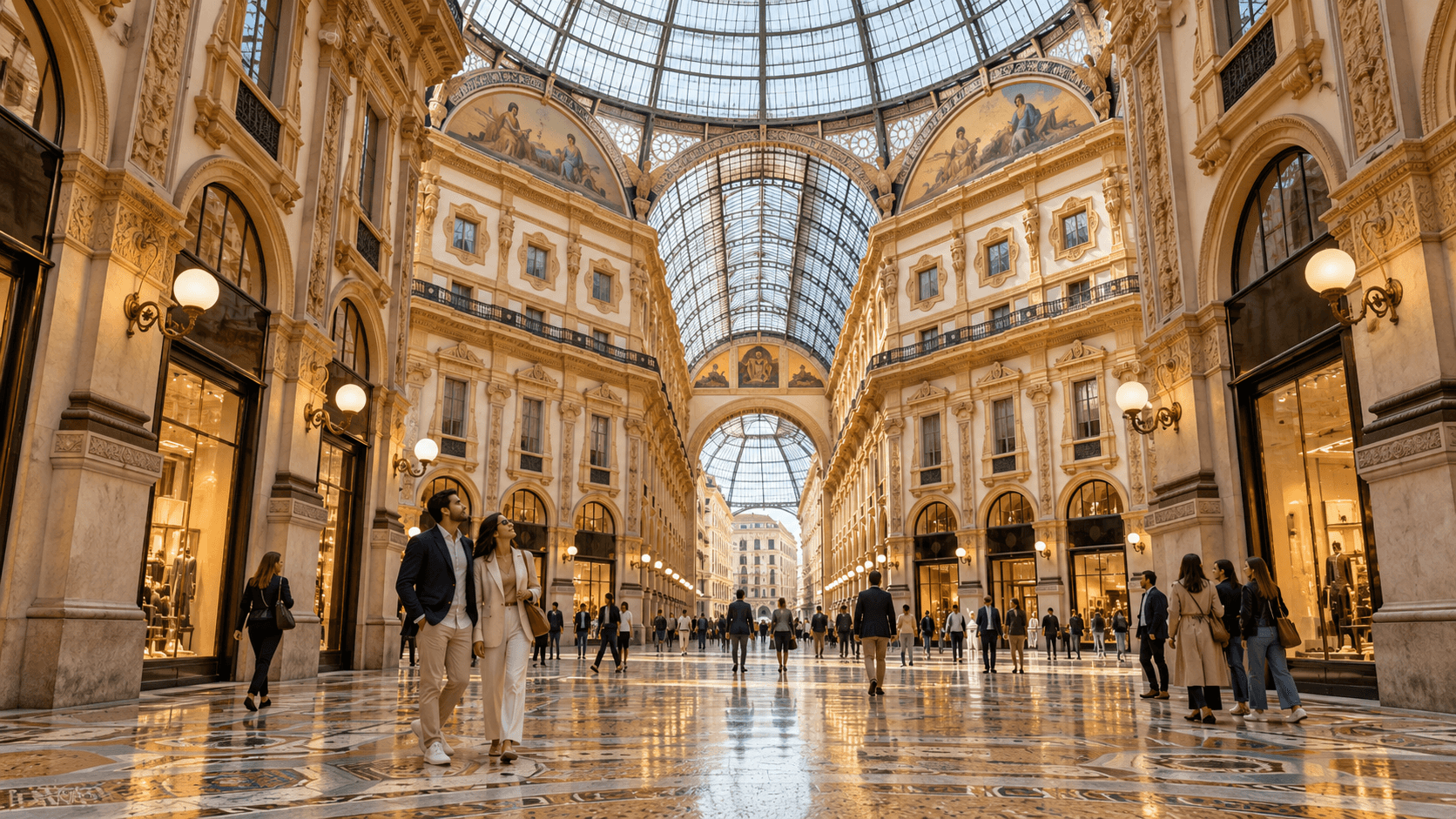
Europe is less a single destination and more a collection of countries, cultures, landscapes, and travel experiences that can feel completely different from one border to the next. From the historic cities of Italy and France to Norway’s fjords, Switzerland’s mountains, Greece’s islands, and the medieval towns of Central Europe, the continent offers extraordinary variety within a relatively connected travel network. What works in Western Europe does not necessarily work in the Balkans or northern Scandinavia, where transportation, prices, distances, seasonal conditions, and travel infrastructure can vary significantly. Some destinations are ideal for short city breaks and train journeys, while others reward slower road trips, ferry connections, or extended stays in one region. Europe’s cultural heritage, regional food, architecture, natural landscapes, and centuries of history make it appealing to travelers with very different interests and budgets. This Europe travel guide explains how to choose countries, organize realistic routes, understand transportation and entry requirements, and plan a trip that balances famous attractions with meaningful local experiences.
Explore Europe Tours
Discover popular tours, activities, attractions & experiences.
View Tour Guide →Countries to Explore in Europe
Albania | Andorra | Armenia | Austria | Azerbaijan | Belgium | Bosnia and Herzegovina | Bulgaria | Croatia | Cyprus | Czech Republic | Denmark | Estonia | Finland | France | Georgia | Germany | Greece | Hungary | Iceland | Ireland | Italy | Kazakhstan | Kosovo | Latvia | Liechtenstein | Lithuania | Luxembourg | Malta | Moldova | Monaco | Montenegro | Netherlands | North Macedonia | Norway | Poland | Portugal | Romania | Russia | San Marino | Serbia | Slovakia | Slovenia | Spain | Sweden | Switzerland | Turkey | United Kingdom | Vatican City
Travel Essentials
From the historic streets of Rome and Paris to the alpine landscapes of Switzerland, the Mediterranean coast and the vibrant cities of Northern Europe, Europe offers an extraordinary mix of culture, history, food and natural beauty. Discover practical travel essentials to help plan journeys across this diverse continent.
Europe Quick Facts
Essential information for planning travel across Europe.
Europe brings together centuries of history, world-renowned museums, distinctive cuisines, charming villages and spectacular scenery. Explore Paris, London, Rome, Barcelona, Amsterdam, Vienna and Prague; enjoy the Swiss Alps, Norwegian fjords, Greek islands and Italian lakes; or discover castles, vineyards and medieval towns. Travel experiences range from Mediterranean beach holidays to Nordic adventures and scenic rail journeys.
Arrival Information
Passports, visas and border requirements for European travel.
Europe is not one immigration area. The European Union, Schengen Area and individual European countries have different membership and entry rules. Requirements depend on your nationality and the countries you visit.
Passport & Visa
Most international travelers need a valid passport. Some nationalities require a visa. Passport validity requirements differ between Schengen and non-Schengen countries.
Schengen Short Stays
Many eligible non-EU visitors may stay in the Schengen Area for up to 90 days within any rolling 180-day period. The limit generally applies across the Schengen Area collectively, not separately to each country.
ETIAS & Entry Systems
European border procedures are changing, including the Entry/Exit System (EES) and the planned ETIAS travel authorization. Check official implementation dates and nationality-specific requirements before departure.
United Kingdom & Other Countries
The United Kingdom has separate entry rules, including an Electronic Travel Authorisation requirement for many visa-exempt visitors. Ireland and other non-Schengen destinations also have their own immigration requirements.
International Arrival
Major international gateways include London Heathrow, Paris Charles de Gaulle, Amsterdam Schiphol, Frankfurt, Madrid and Rome Fiumicino.
Cross-Border Travel
Many Schengen borders have no routine internal border checks, but temporary controls may apply. Travel outside Schengen can involve passport and customs inspections.
Health Information
Healthcare access, insurance and health precautions across Europe.
Healthcare
Many European countries have extensive public and private healthcare networks. Availability, eligibility and costs vary by destination.
Travel Medical Insurance
Medical insurance is recommended for international visitors. Certain visa applications require coverage meeting specified minimum standards. Emergency evacuation coverage can be useful for remote destinations.
European Health Insurance Card
Eligible travelers holding a valid EHIC may access medically necessary state-provided care during temporary stays in participating countries. It is not a substitute for travel insurance.
Vaccinations
Keep routine vaccinations current. Additional precautions may be relevant for hiking, rural travel or specific destinations. Check official health guidance before traveling.
Prescription Medicines
Carry medicines in their original packaging with supporting documentation. Rules for controlled medications differ between countries.
Seasonal Health
Summer heatwaves, winter cold, altitude and tick exposure can affect travel. Prepare for the conditions of your specific itinerary.
Travel Advisory
Practical safety considerations for European destinations.
Safety conditions differ by country and region. Consult official country-specific travel advisories, particularly for areas affected by armed conflict, political unrest or severe weather. Do not assume one advisory applies to all of Europe.
Pickpocketing & Scams
Pickpocketing and tourist scams can occur in crowded city centers, major stations and popular attractions. Keep bags secure and remain alert to distractions.
Transport Disruptions
Rail strikes, flight cancellations and public transport disruptions may affect itineraries. Check operator notices and allow extra time for connections.
Extreme Weather
Heatwaves, floods, wildfires and severe winter storms occur in different parts of Europe. Follow local alerts.
Mountain Safety
Alpine and other mountain areas can experience sudden weather changes, avalanche risk and difficult hiking conditions. Use appropriate equipment.
Travel Documents
Carry required identification and keep secure copies of important documents. Some countries require visitors to produce identification when requested by authorities.
Coastal Safety
Follow beach warnings and lifeguard guidance. Conditions vary greatly between Atlantic, Mediterranean, Baltic and northern coastal areas.
Holidays & Festivals
Notable European celebrations and widely observed holidays.
Europe has no single continent-wide holiday calendar. Public holidays, religious observances and festival dates vary by country. The events below are examples, not holidays observed everywhere.
Visitor Information
Useful everyday details for exploring multiple European countries.
Currency & Payments
The euro is used in many European countries, but others use currencies such as the British pound, Swiss franc, Polish złoty and Czech koruna. Cards are widely accepted in many cities, though cash remains useful.
Tipping
Tipping customs differ considerably. Service may already be included in restaurant bills. Small tips or rounding up are common in some destinations.
Languages
Europe has many national and regional languages, including English, French, German, Spanish, Italian, Portuguese and Polish. English is commonly used in major tourism centers.
Accommodation
Options range from hostels and boutique hotels to apartments, countryside stays and luxury resorts. Popular cities can be expensive during peak travel periods.
Advance Reservations
Book popular museums, landmarks, high-speed trains and accommodations in advance, particularly during summer and major festivals.
Local Customs
Dining times, shopping hours, public behavior and cultural expectations differ by country. Learn basic local greetings and respect regional traditions.
Major Airports
Important international aviation hubs serving European destinations.
London Heathrow Airport
United Kingdom · Major international gateway serving London and connecting destinations worldwide.
Paris Charles de Gaulle Airport
France · Major hub for Paris, international arrivals and onward European connections.
Amsterdam Airport Schiphol
Netherlands · International gateway to Amsterdam and an important European transfer hub.
Frankfurt Airport
Germany · Major European aviation hub with extensive international and regional connections.
Adolfo Suárez Madrid–Barajas Airport
Spain · Major international gateway to Madrid, Spain and onward European destinations.
Rome Fiumicino Airport
Italy · Principal international gateway to Rome and a major connection point for Italy.
Barcelona–El Prat Airport
Spain · Gateway to Barcelona, Catalonia and Mediterranean destinations.
Zurich Airport
Switzerland · International gateway to Zurich, Swiss cities and the Alpine region.
Transport Across Europe
Rail, flights, buses and other options for exploring multiple countries.
High-Speed Rail
High-speed services connect many major cities, including routes operated by Eurostar, TGV INOUI, ICE, AVE and Frecciarossa. Coverage varies by country.
Regional Trains
Extensive regional and intercity rail networks serve cities and smaller towns. Tickets and reservation rules depend on the operator.
Budget Airlines
Low-cost airlines provide connections between many European cities. Compare baggage rules, airport locations and extra fees.
Long-Distance Buses
Intercity buses can offer economical connections where train service is limited or more expensive.
Metro & Public Transit
Many cities have metro, tram, suburban rail and bus networks. Ticketing systems differ by destination.
Rental Cars & Ferries
Rental cars are useful for rural itineraries. Ferries serve islands and coastal routes. Check cross-border rental and driving requirements.
Connectivity & Electricity
Mobile networks, roaming, Wi-Fi and electrical standards.
Wi-Fi
Hotels, cafés, airports and public venues commonly offer Wi-Fi. Quality and availability vary by region.
SIM & eSIM
Local SIM cards and regional travel eSIMs are available from numerous providers. Check country coverage, data limits and compatibility.
Mobile Roaming
EU roaming regulations allow many eligible subscribers to use domestic allowances while traveling in participating countries, subject to fair-use rules. Non-EU destinations may have different charges.
Electricity
Most European countries use approximately 230V and 50Hz. Common plug types include C, E and F, while the UK and Ireland generally use Type G.
Calling Codes
Every country has its own international calling code, such as +44 for the UK, +33 for France, +49 for Germany and +39 for Italy.
Remote Coverage
Mountain regions, islands and rural areas may have limited mobile service. Download offline maps before remote journeys.
Laws & Etiquette
Important cultural and legal differences between European destinations.
Identification
Identification rules differ by country. Visitors may need to carry a passport or recognized identity document and present it when legally required.
Driving Side
Most European countries drive on the right. The United Kingdom, Ireland, Malta and Cyprus drive on the left.
Religious & Historic Sites
Dress respectfully where required, follow photography rules and avoid disturbing religious services. Some sites require covered shoulders or knees.
Local Restrictions
Smoking, alcohol consumption, public behavior and environmental rules vary by country and city. Observe posted restrictions and local regulations.
Tax & Customs
VAT is commonly included in displayed consumer prices. Customs rules differ between the EU customs territory and destinations outside it.
Respectful Travel
Respect queues, local quiet hours, private property and neighborhood rules. Avoid blocking narrow streets or entrances while taking photographs.
Emergency Information
Essential emergency contact guidance for European travelers.
112 is the common emergency number throughout the European Union and is also available in many other European countries, including the United Kingdom. The UK additionally uses 999 for emergencies. Local emergency numbers and availability differ outside the EU.
Medical Emergencies
Call the appropriate local emergency number for urgent medical assistance. Healthcare access and payment arrangements differ by country.
Lost Passport
Report suspected theft to local police and contact your embassy or consulate for replacement travel documents.
Local Emergency Alerts
Follow official emergency instructions during severe weather, wildfires, floods or other incidents.
Mountain Rescue
Rescue procedures vary by country. When visiting alpine or remote areas, carry suitable equipment and check whether your insurance covers rescue costs.
Europe Weather by Season
Seasonal patterns vary widely from Mediterranean beaches to Arctic regions.
Spring
March – MayMild conditions in many regions, blooming gardens and fewer crowds in some destinations. Northern and alpine areas remain cool.
Summer
June – AugustWarm to hot in southern Europe, with long daylight hours in northern regions. Popular travel season with busy attractions.
Autumn
September – NovemberCooler temperatures, harvest festivals and autumn colors. Rain increases in many areas, while parts of the Mediterranean stay mild.
Winter
December – FebruaryCold and snowy in alpine and northern areas. Southern coastal regions are often milder. Popular for winter sports and Christmas markets.
Europe has highly varied climates. Mediterranean destinations may be hot and dry in summer, while northern Europe is generally cooler. Alpine areas can experience snow and freezing conditions, and Atlantic-facing regions may receive rain throughout the year. Check forecasts for each destination.
Understanding Europe’s Geography and Travel Regions
Europe is a continent comprising numerous sovereign countries and territories, each with its own geography, history, cultural identity, and travel arrangements. Although many European countries are connected by efficient transportation networks, Europe should not be approached as one uniform destination.
For travel planning, it is helpful to divide the continent into broad geographic regions.
Western Europe
Western Europe commonly includes France, Belgium, the Netherlands, Luxembourg, and, depending on the geographic classification, neighboring countries such as Germany, Austria, and Switzerland.
This region is particularly suitable for travelers interested in historic cities, museums, architecture, wine regions, and international train travel.
Paris, Amsterdam, Brussels, and other major cities are connected by extensive rail networks.
Western Europe is often convenient for first-time visitors, although accommodation and dining costs can be high in popular destinations.
Southern Europe and the Mediterranean
Southern Europe includes Italy, Spain, Portugal, Greece, Malta, and several Mediterranean and Balkan destinations.
The region offers historic cities, coastal landscapes, islands, archaeological sites, and distinctive food traditions.
Rome, Barcelona, Lisbon, Athens, and Florence are popular cultural destinations, while the Greek islands, Sardinia, Sicily, and the Spanish coast attract travelers seeking Mediterranean scenery.
Summer is particularly busy in coastal resorts, and high temperatures can make sightseeing uncomfortable in some cities.
Central Europe
Central Europe includes countries such as Germany, Austria, Czechia, Poland, Slovakia, Hungary, and Switzerland under commonly used travel classifications.
This region is known for historic capitals, castles, alpine landscapes, cultural traditions, and scenic train routes.
Vienna, Prague, Budapest, Kraków, and Munich can form the basis of multi-country itineraries.
Central Europe is particularly rewarding for travelers interested in architecture, classical music, history, and walkable historic centers.
Northern Europe and Scandinavia
Northern Europe includes the Nordic countries, the British Isles, and other northern destinations, depending on the classification used.
Norway, Sweden, Denmark, Finland, and Iceland are especially associated with dramatic natural landscapes and distinctive seasonal experiences.
Norwegian fjords, Icelandic volcanic scenery, Swedish cities, and Finland’s northern forests offer opportunities for outdoor exploration.
Travel costs can be high, and daylight conditions vary significantly between summer and winter.
Eastern Europe
Eastern Europe encompasses a broad group of countries with diverse histories and cultural traditions.
Destinations such as Romania, Bulgaria, and parts of the wider eastern European region offer historic cities, rural landscapes, mountains, and architectural heritage.
Transportation and tourism infrastructure vary by country and region.
Travelers should also check current government travel advisories, particularly for countries affected by conflict or regional security concerns.
The Balkans and Southeastern Europe
The Balkans include destinations such as Croatia, Slovenia, Bosnia and Herzegovina, Montenegro, Albania, North Macedonia, Serbia, and neighboring countries.
The region offers Adriatic coastlines, mountain landscapes, historic towns, and diverse cultural influences.
Dubrovnik, Split, Ljubljana, Kotor, and other destinations can be combined into carefully planned regional trips.
However, border crossings and transportation connections may be less straightforward than in parts of Western Europe.
The British Isles
The United Kingdom and Ireland offer historic cities, coastal landscapes, castles, countryside, and distinctive regional traditions.
London, Edinburgh, Dublin, the Scottish Highlands, and Ireland’s western coast provide different travel experiences.
The United Kingdom and Ireland maintain separate immigration arrangements from the Schengen Area, making entry planning particularly important.
For an official overview of European destinations and tourism experiences, the European Travel Commission’s consumer travel portal at visiteurope.com provides continent-wide travel inspiration.
Who Should Visit Europe?
Europe suits many different travel styles, but the best itinerary depends on whether the priority is history, food, outdoor recreation, beaches, or visiting several countries.
First-Time International Travelers
Europe is an appealing starting point for travelers interested in international travel because many major cities have established visitor infrastructure and extensive transportation connections.
Paris, London, Rome, Amsterdam, and Barcelona are common first-time choices.
However, visiting too many cities in one trip can quickly become exhausting.
A first European vacation is often more enjoyable when focused on two or three compatible destinations.
History and Culture Enthusiasts
Europe contains extraordinary concentrations of archaeological sites, museums, historic neighborhoods, religious buildings, and architectural landmarks.
Italy, Greece, France, Germany, the United Kingdom, and Central Europe provide particularly varied historical experiences.
Travelers can explore ancient civilizations, medieval towns, Renaissance art, industrial history, and modern European culture.
Couples
Paris, Venice, Florence, Prague, Vienna, and many smaller European towns offer romantic settings.
Couples may prefer slower itineraries with time for restaurants, scenic walks, and countryside excursions.
A trip built around two well-chosen destinations can be more rewarding than constantly changing hotels.
Families
Europe offers family-friendly cities, beaches, parks, museums, and outdoor destinations.
London, Copenhagen, Amsterdam, Switzerland, and selected Mediterranean regions can work well for family travel.
Families should consider transportation simplicity, accommodation size, and realistic daily sightseeing schedules.
Solo Travelers
Major European cities can be practical for solo travelers because of public transportation, hostels, organized activities, and walkable neighborhoods.
Train connections also make certain multi-city routes relatively straightforward.
Solo travelers should still research local safety, accommodation locations, and late-night transportation.
Outdoor Adventurers
Norway, Switzerland, Austria, Slovenia, Iceland, and parts of Scotland offer remarkable outdoor landscapes.
Activities range from scenic walks to demanding alpine hiking and winter sports.
Seasonal access and weather conditions are particularly important when planning mountain itineraries.
Beach and Island Travelers
Greece, Spain, Italy, Portugal, Croatia, and Malta offer extensive coastal and island experiences.
Some destinations are ideal for relaxed resort holidays, while others require ferries, rental cars, or longer transfers.
Beach travelers should consider water temperatures, seasonal crowds, and transportation between islands.
Food and Wine Travelers
Italy, France, Spain, Portugal, and many other European countries offer distinctive regional culinary traditions.
Travelers can explore markets, vineyards, bakeries, local restaurants, and traditional dishes.
Food-focused itineraries are often most rewarding when travelers spend enough time in one region to experience its local specialties.
Essential Europe Travel Basics
Understanding the Schengen Area
One of the most important distinctions in European travel is the difference between Europe, the European Union, and the Schengen Area.
Europe is the continent. The European Union is a political and economic union of member states. The Schengen Area is a group of participating countries that generally operate without routine internal border checks, subject to permitted temporary controls.
These groups overlap but are not identical.
For many non-EU travelers visiting the Schengen Area for short stays, the commonly applicable limit is 90 days within any rolling 180-day period. Rules depend on nationality, immigration status, and the purpose of travel.
The European Union’s official information portal at europa.eu provides background on EU institutions, travel rights, and related policies.
Passport and Visa Requirements
Entry requirements depend on nationality and destination.
Some travelers can visit Schengen countries without obtaining a short-stay visa in advance, while others must apply before traveling.
The United Kingdom and Ireland have separate entry rules.
Passport validity requirements also vary, so travelers should verify the rules for every country included in their itinerary.
The European Commission’s travel and migration information should be consulted before departure, particularly when new border systems or travel authorization requirements are being introduced.
European Travel Authorizations
European entry procedures are evolving, including digital border-management systems and the planned European Travel Information and Authorisation System, commonly known as ETIAS.
Travelers should not assume that requirements described in older travel articles remain accurate.
The official ETIAS website at travel-europe.europa.eu/etias provides current information about the system, including whether applications are required for a particular journey.
Currency
The euro is used in many European countries, but not throughout the continent.
The United Kingdom uses the pound sterling, Switzerland uses the Swiss franc, and several Central and Eastern European countries maintain their own currencies.
Card payments are widely accepted in many destinations, although cash remains useful in some markets, smaller establishments, and rural communities.
Travelers should verify the currency used in each country rather than assuming all European destinations accept euros.
Languages
Europe is linguistically diverse.
English is widely used in many tourism settings, particularly in major cities, but travelers should not assume it is universally spoken.
Learning basic greetings and practical phrases in the local language can improve everyday interactions.
Electrical Outlets
Most continental European countries use electrical systems different from those in North America.
Plug types vary by country, and the United Kingdom and Ireland use a different common plug design from much of continental Europe.
Travelers should check both plug compatibility and voltage requirements for their devices.
Choosing the Right Trip Length
Five to seven days are suitable for one major city and its surrounding region.
Ten days allow two or three nearby destinations.
Fourteen days can support a well-paced multi-country itinerary.
Three weeks or longer provide more flexibility for combining distant regions.
The most important principle is to plan by actual transportation time rather than by the number of countries you hope to visit.
Europe’s Major Cities and Destinations
Paris, France
Paris is one of Europe’s most recognizable cultural destinations.
The city offers historic architecture, museums, neighborhoods, gardens, and renowned culinary traditions.
Major attractions include the Eiffel Tower, Louvre Museum, and the Seine riverfront.
Four or five days allow a comfortable introduction, with additional time for day trips.
London, United Kingdom
London combines historic landmarks, museums, theaters, markets, and diverse neighborhoods.
Westminster, the Tower of London, and the city’s major museums provide extensive sightseeing opportunities.
Public transportation makes it relatively straightforward to explore without a rental car.
Four or five days are appropriate for a first visit.
Rome, Italy
Rome offers a remarkable concentration of ancient history, religious landmarks, and urban culture.
The Colosseum, Roman Forum, Pantheon, and Vatican City are major attractions.
The city rewards travelers who balance famous landmarks with neighborhood exploration.
Allow at least four days.
Barcelona, Spain
Barcelona is known for its architecture, Mediterranean setting, neighborhoods, and food culture.
Antoni Gaudí’s buildings, historic districts, and waterfront are major highlights.
Three or four days are suitable for the city itself.
Amsterdam, Netherlands
Amsterdam offers canals, historic buildings, museums, and walkable neighborhoods.
The city is particularly convenient for travelers interested in urban sightseeing without renting a car.
Three days provide a useful introduction.
Vienna, Austria
Vienna is associated with imperial architecture, classical music, museums, and historic cafés.
Its public transportation system makes the city easy to navigate.
Three or four days allow time for major cultural attractions.
Prague, Czechia
Prague is known for its historic center, medieval architecture, bridges, and hilltop castle complex.
The city’s compact historic areas make it appealing for walking-based exploration.
Three days are sufficient for many first-time visitors.
Athens, Greece
Athens combines ancient archaeological landmarks with contemporary neighborhoods and food culture.
The Acropolis is the city’s most recognizable attraction.
Athens also serves as a gateway to the Greek islands.
Two or three days are suitable before continuing to another Greek destination.
Lisbon, Portugal
Lisbon offers historic neighborhoods, hilltop viewpoints, waterfront scenery, and distinctive architecture.
Nearby Sintra provides a popular excursion into a landscape of palaces and gardens.
Three or four days are appropriate for a first visit.
Copenhagen, Denmark
Copenhagen combines historic streets, waterfront districts, contemporary design, and cycling culture.
Its compact center and public transportation make it convenient for a short city break.
Three days provide a good introduction.
Reykjavík, Iceland
Reykjavík is Iceland’s capital and principal international travel gateway.
The city provides access to geothermal attractions, volcanic landscapes, and scenic road trips.
Many of Iceland’s best-known natural destinations lie outside the capital, so a longer itinerary is advisable.
Zurich and Lucerne, Switzerland
Zurich and Lucerne are useful gateways to Switzerland’s lakes and mountain landscapes.
Both offer urban attractions and connections to scenic rail routes.
Travelers interested in alpine scenery should allow additional time beyond a short city visit.
Europe’s Most Remarkable Natural Highlights
Europe’s landscapes are as varied as its cities. Alpine mountains, volcanic islands, northern fjords, Mediterranean coastlines, and extensive forests create opportunities for outdoor travel in almost every season.
Norwegian Fjords
Western Norway is famous for deep fjords surrounded by steep mountains, waterfalls, and small waterfront communities.
Geirangerfjord and Nærøyfjord are among the best-known examples, offering opportunities for scenic cruises, hiking, and viewpoint excursions.
Bergen is a practical gateway for exploring parts of western Norway, while destinations such as Flåm and Geiranger require additional travel.
The fjords are best experienced over several days rather than as a hurried excursion from Oslo.
Swiss Alps
The Swiss Alps offer dramatic mountain scenery, alpine villages, lakes, and an extensive network of trains and mountain transport.
The Bernese Oberland, Zermatt, and the Engadin are particularly popular destinations.
Visitors can enjoy mountain railways, cable cars, hiking trails, and scenic viewpoints without necessarily undertaking technical mountaineering.
Summer is suitable for many hiking experiences, while winter attracts skiing and snow-focused travelers.
Mountain transport can be expensive, so travelers should account for these costs when budgeting.
Iceland’s Volcanic Landscapes
Iceland is one of Europe’s most distinctive natural destinations, with geothermal areas, glaciers, lava fields, waterfalls, and black-sand beaches.
The Golden Circle and South Coast are popular routes for first-time visitors.
Longer journeys can include the Snæfellsnes Peninsula, northern Iceland, or sections of the Ring Road.
Weather changes quickly, and winter driving requires careful preparation.
A week is sufficient for a focused southern Iceland trip, while a full Ring Road journey is generally more comfortable with ten days or longer.
The Dolomites, Italy
The Dolomites in northern Italy feature towering limestone peaks, alpine meadows, mountain villages, and scenic passes.
Val Gardena, Cortina d’Ampezzo, and the surrounding valleys provide useful bases.
Summer and early autumn are particularly attractive for hiking, while winter supports skiing and mountain recreation.
The Dolomites are a UNESCO World Heritage property. UNESCO describes their geological and landscape significance at UNESCO.
Allow four to seven days for a meaningful mountain holiday.
Plitvice Lakes National Park, Croatia
Plitvice Lakes National Park is known for interconnected lakes, waterfalls, forested landscapes, and walking routes.
The park is a popular stop on Croatian road trips, particularly between Zagreb and the Adriatic coast.
Visitor access, walking routes, and boat services can vary by season.
A full day is worthwhile, while an overnight stay nearby can provide more flexibility.
Scottish Highlands
The Scottish Highlands offer rugged mountains, lochs, historic castles, and expansive rural landscapes.
Glencoe, the Cairngorms, and the Isle of Skye are particularly recognizable destinations.
A rental car provides flexibility, although selected areas are accessible by rail and organized excursions.
Allow at least five to seven days for a Highlands-focused itinerary.
Greek Islands
Greece’s islands offer a combination of beaches, volcanic landscapes, traditional villages, and archaeological heritage.
Santorini is known for its caldera scenery, while Crete provides mountains, historic sites, and extensive coastlines.
Naxos, Paros, and Rhodes offer additional choices with different travel experiences.
Ferry schedules, island distances, and seasonal demand are important considerations.
A week is usually better spent on one or two islands rather than attempting to visit several in rapid succession.
The Pyrenees
The Pyrenees form a mountain range between Spain and France, with Andorra situated within the region.
The mountains offer hiking, valleys, alpine lakes, and winter recreation.
Access is often easiest through a rental car or regional transportation combined with local transfers.
Travelers should allow several days and research trail conditions carefully.
Europe’s Cultural and Historic Must-Sees
Europe’s history spans ancient civilizations, medieval kingdoms, maritime empires, industrial development, and major political transformations.
Its cultural landmarks are distributed across the continent, so travelers should select sites that fit naturally into their route.
The Colosseum and Roman Forum, Italy
Rome’s Colosseum and Roman Forum provide insight into the political, social, and architectural history of ancient Rome.
Both are major attractions and can be extremely busy.
Advance tickets and sufficient sightseeing time are important, especially during summer.
A full day can be dedicated to the archaeological heart of Rome.
The Acropolis, Greece
The Acropolis rises above Athens and contains some of the most significant monuments of ancient Greece.
The Parthenon is its most recognizable structure.
Visitors should plan around seasonal heat, particularly during summer afternoons.
Combining the Acropolis with nearby archaeological areas and museums creates a meaningful cultural day.
Historic Centre of Prague, Czechia
Prague’s historic center includes medieval streets, Gothic architecture, historic squares, and the Charles Bridge.
The city’s architectural heritage reflects centuries of political and cultural development.
Walking is one of the best ways to experience the historic neighborhoods.
Allow time for areas beyond the busiest tourist routes.
Palace of Versailles, France
Versailles lies outside central Paris and is associated with the French monarchy.
Its palace interiors, gardens, and surrounding estate offer insight into royal life and European political history.
The site can occupy most of a day, particularly when visitors explore the grounds extensively.
Travelers should check opening arrangements and reserve appropriate admission in advance.
Auschwitz-Birkenau Memorial and Museum, Poland
Auschwitz-Birkenau is one of Europe’s most important sites of remembrance.
The former Nazi German concentration and extermination camp is preserved as a memorial to the victims of the Holocaust.
A visit requires time, respect, and careful consideration of the site’s historical significance.
The museum is located near Oświęcim and is commonly reached from Kraków.
Alhambra, Spain
The Alhambra in Granada is one of Spain’s most significant architectural and cultural landmarks.
Its palaces, gardens, and fortifications reflect the history of Islamic rule in the Iberian Peninsula.
Timed admission and advance booking are important because popular entry periods can sell out.
Granada deserves at least two nights for visitors who want to explore the city beyond the Alhambra.
European UNESCO World Heritage Sites
Europe contains an extensive range of UNESCO-listed cultural and natural properties.
These include ancient cities, archaeological landscapes, historic industrial sites, religious monuments, and protected natural areas.
UNESCO’s official World Heritage List at UNESCO provides country-by-country information about recognized sites.
World Heritage status can help identify culturally significant destinations, but travelers should also consider smaller museums and local heritage sites that may be less internationally famous.
Where to Go in Europe Based on Your Interests
For a First European Vacation
Choose a compact route such as Paris and Amsterdam, Rome and Florence, or Vienna and Prague.
These combinations provide major cultural attractions and relatively manageable transportation.
A ten-day trip is sufficient for two or three nearby cities.
Avoid adding distant destinations simply to increase the number of countries visited.
For Historic Cities
Italy, France, Greece, Spain, Czechia, Austria, and Poland offer exceptional cultural itineraries.
Rome, Florence, Athens, Prague, Vienna, and Kraków are particularly rewarding for history-focused travelers.
A slower itinerary allows time for museums, neighborhoods, and guided cultural experiences.
For Mediterranean Beaches
Choose Greece, southern Italy, Spain, Portugal, Croatia, or Malta.
Each offers different coastal experiences, from sandy beaches and island villages to rugged cliffs and historic waterfront towns.
Travelers should consider the time required for ferries, regional flights, and transfers.
For Romantic Travel
Paris, Venice, Florence, Prague, the Amalfi Coast, and smaller European towns offer appealing settings for couples.
However, quieter alternatives can provide more relaxed experiences than the busiest famous destinations.
Consider Annecy in France, Lake Bled in Slovenia, or smaller Tuscan towns for a different atmosphere.
For Mountain Adventures
Switzerland, Austria, northern Italy, Norway, and Slovenia are strong choices.
Travelers can combine hiking, scenic rail journeys, lakes, and alpine villages.
Summer and early autumn are often best for hiking, while winter supports snow recreation.
For Budget-Conscious Travel
Parts of Central and Southeastern Europe can offer better value than major Western European capitals or Nordic destinations.
Cities such as Budapest, Kraków, Sofia, and selected Balkan destinations may provide opportunities for more affordable accommodation and dining.
However, costs vary by season, location, and travel style.
For Winter Travel
Vienna, Prague, Strasbourg, and several German cities are associated with seasonal Christmas markets.
The Alps offer skiing and winter scenery, while northern destinations may provide opportunities to see the aurora borealis under suitable conditions.
Winter travelers should account for short daylight hours and possible transportation disruptions.
For Scenic Road Trips
Iceland, Scotland, Norway, Ireland, Croatia, and parts of Italy offer memorable driving routes.
A road trip is especially useful when attractions are spread across rural areas.
Travelers should research road conditions, parking, tolls, and cross-border rental restrictions.
Europe’s Food and Drink Experiences
European cuisine varies enormously between countries and even neighboring regions.
Food-focused travelers should look beyond internationally famous dishes and explore local markets, seasonal ingredients, and regional traditions.
Italian Cuisine
Italy offers regional pasta, pizza, seafood, cheeses, cured meats, and traditional desserts.
Rome, Naples, Bologna, Florence, and Sicily have distinctive culinary identities.
Travelers should seek local specialties rather than expecting the same menu throughout the country.
French Cuisine
France is associated with bread, pastries, cheeses, regional cooking, and wine traditions.
Paris provides an extensive restaurant scene, while Lyon, Provence, Burgundy, and other regions offer different culinary experiences.
Markets and neighborhood bakeries are useful ways to explore everyday food culture.
Spanish Cuisine
Spain offers regional dishes that vary from the Basque Country to Andalusia and Catalonia.
Tapas, seafood, rice dishes, and regional cured products are important parts of the country’s food traditions.
Food experiences are often closely connected to local dining schedules and social customs.
Greek Cuisine
Greek food emphasizes regional ingredients, olive oil, vegetables, seafood, cheeses, and grilled dishes.
Athens, Crete, and the islands each offer distinctive specialties.
Traditional tavernas and local markets can provide opportunities to experience regional cooking.
Central European Food Traditions
Austria, Czechia, Hungary, Poland, and neighboring countries offer hearty regional dishes, breads, pastries, soups, and desserts.
Vienna is associated with historic cafés, while Budapest and Prague provide distinctive local dining experiences.
Traditional markets are useful for exploring regional products.
Nordic Food Experiences
The Nordic countries offer seafood, preserved foods, rye breads, berries, and seasonal ingredients.
Copenhagen, Stockholm, Oslo, and Helsinki have developed prominent contemporary dining scenes.
Travelers should expect generally higher restaurant prices than in many parts of Southern or Eastern Europe.
Markets and Local Dining
Markets are among the most accessible ways to explore Europe’s regional food cultures.
They can offer produce, breads, cheeses, prepared foods, and local specialties.
Travelers should research market days and opening hours, especially in smaller towns.
A useful strategy is to plan one or two regional food experiences in each destination rather than attempting to visit only famous restaurants.
Getting Around Europe: Trains, Flights, Buses, Ferries, and Cars
Europe offers several transportation options, but the best choice depends on the countries, distances, and destinations included in your itinerary.
A train may be ideal for traveling between neighboring cities, while flights are more practical for crossing the continent. Rental cars become useful when exploring rural landscapes and remote coastlines.
Traveling by Train
Rail travel is one of Europe’s most convenient transportation options.
High-speed trains connect many major cities in France, Spain, Italy, Germany, and neighboring countries.
Regional trains serve smaller communities, although frequency and convenience vary.
Examples of practical train-based routes include:
- Paris to Brussels and Amsterdam.
- Rome to Florence and Venice.
- Vienna to Budapest.
- Prague to Vienna.
- Madrid to Barcelona.
- Zurich to Lucerne and other Swiss destinations.
Train journeys generally work best when destinations are geographically close and stations are located near city centers.
For longer journeys, compare rail travel time with flying, including airport transfers and security procedures.
European Rail Passes
Rail passes can provide flexibility for travelers planning multiple journeys.
However, a pass is not automatically cheaper than purchasing individual tickets.
Some high-speed and international services require reservations or additional fees.
The European Union’s official rail passenger information at transport.ec.europa.eu provides background on European transportation policy and passenger rights.
Travelers should compare their intended journeys before deciding whether a rail pass is worthwhile.
Flights Between European Countries
Flights are often the most practical option for long-distance routes.
Traveling from London to Athens, Paris to Iceland, or Rome to Stockholm by rail would require substantial time and multiple connections.
European airports serve numerous international and regional routes.
However, travelers should account for airport transfers, baggage restrictions, security procedures, and possible delays.
A short flight is not necessarily faster than a direct train when both city centers are well connected.
Traveling by Bus
Long-distance buses connect many European cities and can provide economical transportation.
They are particularly useful on routes where rail connections are limited or expensive.
However, journey times can be longer than by train, and overnight travel may be uncomfortable for some passengers.
Buses are often useful for regional travel in parts of Southeastern Europe.
Ferries and Island Transportation
Ferries are essential for certain Mediterranean and northern European itineraries.
Greece, Croatia, Italy, Norway, and parts of Scandinavia have extensive maritime connections.
Travelers visiting islands should confirm sailing frequency and seasonal availability.
Some routes operate frequently during summer but have reduced schedules outside the main season.
Weather can also affect departures.
Renting a Car
A rental car is useful for rural France, Tuscany, the Scottish Highlands, Iceland, Norway’s fjord regions, and parts of the Balkans.
However, driving is often unnecessary in major cities with established public transportation.
Before renting, verify license requirements, insurance coverage, toll systems, parking restrictions, and cross-border permissions.
Some countries require additional documentation or equipment.
Driving Across Borders
Cross-border travel may be straightforward within parts of Europe, but rental-car agreements and immigration requirements still matter.
Not all rental companies permit travel into every neighboring country.
One-way international drop-off fees can be substantial.
Travelers should confirm permissions before booking a route that crosses national borders.
How Much Travel Time to Allow
A useful planning principle is to treat major transfers as part of the itinerary rather than as invisible transportation time.
Even a three-hour train journey can consume much of a day after packing, reaching the station, checking into accommodation, and settling into a new city.
For a two-week vacation, three or four accommodation bases are often more comfortable than seven or eight.
Where to Base Yourself in Europe
Europe’s major cities and regional hubs can serve as excellent accommodation bases.
The best choice depends on whether you want urban sightseeing, countryside exploration, coastal relaxation, or access to neighboring destinations.
Paris for France and Nearby Excursions
Paris is suitable for travelers interested in museums, historic landmarks, neighborhoods, and day trips.
Versailles is a popular nearby excursion.
Four or five nights allow time to explore the city without rushing.
Paris is also a useful rail gateway to Belgium and the Netherlands.
Rome for Central Italy
Rome provides extensive cultural attractions and connections to other Italian cities.
It is an excellent base for exploring the capital itself.
However, Florence, Naples, and the Amalfi Coast are generally better experienced with dedicated stays rather than repeated long day trips.
Florence for Tuscany
Florence is a practical base for Renaissance art, historic architecture, and selected Tuscan excursions.
Travelers can explore nearby towns and countryside destinations.
Three or four nights work well for a focused visit.
Amsterdam for the Netherlands
Amsterdam provides access to museums, canals, historic neighborhoods, and regional train connections.
It is convenient for travelers without a car.
Three or four nights allow time for both city attractions and selected nearby destinations.
Vienna for Central Europe
Vienna offers cultural attractions, historic architecture, and strong transportation connections.
It can form part of a route that includes Prague, Bratislava, and Budapest.
Three nights provide a useful introduction, although longer stays suit travelers interested in museums and music.
Barcelona for Northeastern Spain
Barcelona combines urban culture, architecture, food, and access to Mediterranean scenery.
It is a practical base for a city-focused holiday.
Four nights provide time for major attractions and nearby excursions.
Lisbon for Portugal
Lisbon offers historic neighborhoods, viewpoints, restaurants, and convenient access to Sintra.
It is especially suitable for travelers exploring Portugal for the first time.
Four or five nights allow a relaxed city-and-region experience.
Interlaken or Lucerne for Switzerland
Interlaken provides access to the Bernese Oberland, while Lucerne combines a lakeside city setting with mountain excursions.
Both are useful for travelers who want alpine scenery without constantly changing hotels.
Three or four nights are suitable for a focused Swiss itinerary.
Dubrovnik or Split for Croatia
Dubrovnik is a strong choice for historic city exploration and southern Adriatic scenery.
Split offers access to coastal attractions and ferry connections to nearby islands.
Both can serve as bases, but combining them requires additional travel.
Reykjavík for Iceland
Reykjavík is useful for city attractions and excursions around southwestern Iceland.
However, travelers planning the full Ring Road should stay in multiple locations rather than returning to the capital each night.
Europe Travel Budget: What to Expect
Europe includes some of the world’s more expensive travel destinations as well as regions where visitors may find comparatively affordable accommodation, transportation, and dining.
Costs vary substantially by country, city, season, and travel style.
Budget Travel
Budget travelers may find better value in selected parts of Central and Southeastern Europe than in Switzerland, Norway, or major Western European capitals.
Hostels, guesthouses, regional trains, and local restaurants can help control expenses.
Traveling during shoulder seasons can also reduce accommodation costs.
However, cheap transportation between distant cities does not always justify the time lost moving between destinations.
Mid-Range Travel
Mid-range travelers typically combine comfortable hotels, rail transportation, restaurant meals, and selected paid attractions.
The most effective approach is to choose a manageable route with a limited number of accommodation changes.
For example, Rome, Florence, and Venice provide a coherent Italian itinerary, while Paris, Brussels, and Amsterdam form a practical northwestern European route.
Luxury Travel
Luxury travel opportunities include premium hotels, private excursions, upscale dining, scenic rail journeys, and exclusive resort experiences.
Switzerland, the French Riviera, parts of the Italian coast, and major European capitals can be particularly expensive.
Luxury travelers should reserve high-demand accommodation well in advance.
Major Cost Differences by Region
Generally higher-cost destinations: Switzerland, Norway, Iceland, Denmark, and certain major Western European cities.
Variable mid-range destinations: Italy, France, Spain, Portugal, Germany, and Austria, depending on location and season.
Potentially better-value destinations: Selected areas of Poland, Hungary, Romania, Bulgaria, Albania, and other parts of Southeastern Europe.
These are broad tendencies rather than fixed price categories. Popular resort towns can be expensive even in countries generally associated with lower travel costs.
Main Travel Expenses
Accommodation: Central locations and peak-season coastal properties often command higher rates.
Transportation: High-speed trains, flights, rental cars, and ferries can form a substantial part of the budget.
Dining: Restaurant costs vary widely between countries and tourist districts.
Attractions: Museums, historic sites, mountain railways, and guided excursions may require significant additional spending.
City taxes: Some destinations charge tourist or accommodation taxes.
Travel insurance: Medical coverage, cancellation protection, and activity-related insurance should be considered.
How to Save Money
Choose destinations that connect naturally.
Book important rail journeys early when discounted advance fares are available.
Stay several nights in each location rather than constantly changing accommodation.
Consider traveling in May, early June, September, or October, depending on the region.
Explore local markets and casual restaurants rather than relying exclusively on dining near major tourist attractions.
Best European Regions to Choose for Your Trip
Western Europe: Best for Classic First-Time Sightseeing
France, Belgium, and the Netherlands provide famous landmarks, museums, historic cities, and convenient rail connections.
Seven to ten days are suitable for a focused route.
Italy: Best for Art, History, and Regional Food
Italy offers ancient Roman sites, Renaissance cities, coastal landscapes, and diverse culinary traditions.
Rome, Florence, and Venice are a practical first-time combination.
Ten days provide a comfortable introduction.
Spain and Portugal: Best for Cities and Coastal Variety
The Iberian Peninsula combines historic architecture, beaches, regional food, and varied landscapes.
A first trip is often better focused on either Spain or Portugal rather than trying to cover both extensively.
Ten to fourteen days allow a meaningful regional journey.
Central Europe: Best for Historic Capitals
Vienna, Prague, Budapest, and Kraków provide architecture, museums, and cultural experiences.
Rail and bus connections make several routes manageable.
Ten days are suitable for three nearby cities.
Scandinavia: Best for Northern Landscapes
Norway, Sweden, Denmark, and Finland offer cities, forests, mountains, fjords, and distinctive seasonal experiences.
Travelers should account for potentially higher costs and substantial distances.
A week is suitable for one country or a compact regional itinerary.
Greece and the Mediterranean Islands: Best for Coastal Holidays
Greece, Malta, and the Mediterranean islands of Italy and Spain are particularly attractive for beach-focused travel.
Ferries and regional flights are important considerations.
Seven to ten days are suitable for one or two islands.
The Balkans: Best for Scenic Road Trips and Cultural Variety
Croatia, Slovenia, Montenegro, Albania, and neighboring countries offer coastal scenery, mountains, and historic towns.
Transportation connections and border requirements vary.
Ten to fourteen days are suitable for a carefully selected regional route.
Iceland: Best for Volcanic and Geological Landscapes
Iceland is particularly rewarding for waterfalls, glaciers, geothermal areas, and dramatic coastal scenery.
Seven days allow a focused southwestern itinerary.
Ten to fourteen days are more comfortable for a broader road trip.
Realistic Europe Itineraries for 5, 7, 10, and 14 Days
Europe’s transportation network makes multi-destination travel possible, but a successful itinerary depends on selecting cities and regions that connect logically.
The following itineraries emphasize manageable transfers, sufficient sightseeing time, and realistic accommodation changes.
5-Day Europe Itinerary: Paris and Versailles, France
This itinerary is ideal for first-time visitors who want a focused European city experience without frequent hotel changes.
Day 1: Arrive in Paris
Arrive at your chosen Paris airport and travel to your accommodation.
Explore the surrounding neighborhood, enjoy a relaxed meal, and take an evening walk if time allows.
Avoid booking a major attraction immediately after a long international flight.
Day 2: Historic Paris
Explore central Paris, including the Seine riverfront and selected historic landmarks.
Visit Notre-Dame Cathedral’s surroundings and enjoy the city’s neighborhoods.
Allow time for cafés and unplanned discoveries.
Day 3: Museums and Landmarks
Visit the Louvre or another major museum, depending on your interests.
Spend the afternoon around the Tuileries Garden, Eiffel Tower area, or nearby neighborhoods.
Book major attractions in advance when appropriate.
Day 4: Versailles
Take a day trip to the Palace of Versailles.
Explore the palace and gardens, allowing sufficient time for transportation and admission procedures.
Return to Paris for dinner.
Day 5: Departure
Enjoy a final breakfast or neighborhood walk before traveling to the airport.
This itinerary provides a meaningful introduction to Europe without the pressure of visiting several countries.
7-Day Europe Itinerary: Rome and Florence, Italy
This route combines ancient history, Renaissance art, regional cuisine, and efficient train travel.
Day 1: Arrive in Rome
Settle into accommodation and explore a nearby neighborhood.
Enjoy a relaxed Italian dinner.
Day 2: Ancient Rome
Visit the Colosseum, Roman Forum, and surrounding historic areas.
Allow sufficient time for walking and archaeological exploration.
Day 3: Vatican City and Rome
Visit Vatican City and selected museums or religious landmarks.
Spend the afternoon exploring another part of Rome.
Day 4: Rome to Florence
Take a high-speed train to Florence, generally requiring around 1.5 hours between the principal stations on direct services.
Check into accommodation and explore the historic center.
Day 5: Florence Highlights
Visit selected museums, churches, and Renaissance landmarks.
Explore the city on foot and enjoy regional Tuscan cuisine.
Day 6: Florence or a Tuscan Excursion
Spend another day in Florence or choose a manageable nearby excursion.
Avoid scheduling several distant Tuscan towns in one day.
Day 7: Departure
Depart through Florence or return to Rome if required by your flight arrangements.
If returning to Rome, allow sufficient time for the train journey and airport transfer.
10-Day Europe Itinerary: Paris, Brussels, and Amsterdam
This route is especially suitable for travelers who want to visit three countries without relying on multiple flights.
Day 1: Arrive in Paris
Settle into accommodation and explore the neighborhood.
Day 2: Paris Landmarks
Visit major historic attractions and enjoy the Seine riverfront.
Day 3: Paris Museums
Explore the Louvre or another museum, then enjoy a relaxed afternoon.
Day 4: Paris to Brussels
Take a direct high-speed train to Brussels, typically around 1.5 hours on the fastest services.
Explore the historic center and Grand-Place.
Day 5: Brussels
Visit museums, historic neighborhoods, and local food establishments.
Alternatively, consider a day trip to Bruges or Ghent, choosing one rather than both.
Day 6: Brussels to Amsterdam
Travel by train to Amsterdam, generally requiring approximately two hours on direct high-speed services.
Explore the canals and surrounding neighborhoods.
Day 7: Amsterdam Museums
Visit selected museums and historic areas.
Reserve popular attractions in advance.
Day 8: Amsterdam Neighborhoods
Explore quieter neighborhoods, markets, and waterfront areas.
Day 9: Netherlands Excursion
Take a manageable excursion to Haarlem, Utrecht, or another nearby destination.
Return to Amsterdam for the night.
Day 10: Departure
Depart from Amsterdam.
This route works particularly well with an open-jaw flight itinerary, arriving in Paris and departing from Amsterdam.
14-Day Europe Itinerary: Prague, Vienna, Budapest, and Kraków
This itinerary focuses on Central Europe’s historic capitals and cultural heritage.
It involves four accommodation bases and several intercity train journeys.
Day 1: Arrive in Prague
Settle into accommodation and explore the historic center.
Day 2: Prague Old Town
Visit Old Town Square, Charles Bridge, and surrounding historic streets.
Day 3: Prague Castle and Neighborhoods
Explore Prague Castle and nearby districts.
Enjoy a relaxed evening.
Day 4: Prague to Vienna
Travel by train to Vienna, generally requiring around four hours on direct services.
Explore the city center after checking in.
Day 5: Imperial Vienna
Visit selected palaces, museums, and historic landmarks.
Day 6: Vienna Culture
Enjoy another day exploring Vienna’s cultural attractions and neighborhoods.
Day 7: Vienna to Budapest
Take a direct train to Budapest, generally requiring approximately 2.5–3 hours.
Explore the Danube waterfront in the evening.
Day 8: Budapest Highlights
Visit the Castle District, historic viewpoints, and selected landmarks.
Day 9: Budapest
Explore additional neighborhoods, markets, or thermal bath experiences.
Day 10: Budapest to Kraków
Travel to Kraków.
Direct train options can take approximately seven to nine hours or longer, depending on the service, so treat this as a substantial transfer day.
Check current schedules before committing to the route.
Day 11: Historic Kraków
Explore the Old Town, Main Market Square, and Wawel area.
Day 12: Kraków Cultural Attractions
Visit museums and historic neighborhoods.
Day 13: Auschwitz-Birkenau Memorial
Dedicate the day to visiting the memorial and museum near Oświęcim.
Arrange admission and transportation in advance, and allow sufficient time for a respectful visit.
Day 14: Departure
Depart through Kraków.
This itinerary is particularly suitable for travelers interested in architecture, history, and culture. Those who prefer fewer transfers can omit Kraków and spend additional nights in Prague, Vienna, and Budapest.
Best Time to Visit Europe
Europe’s climate varies considerably between the Mediterranean, Atlantic coast, Alps, Scandinavia, and continental interior.
There is no single best month for every European destination.
Spring: March to May
Spring is an attractive time for cultural sightseeing in many European cities.
Paris, Rome, Lisbon, Amsterdam, and Vienna can offer comfortable walking conditions, although rain and cooler weather remain possible.
Mediterranean destinations generally become warmer as the season progresses.
Higher mountain trails may still be snow-covered.
Spring is especially suitable for travelers who prioritize museums, architecture, gardens, and historic towns.
Summer: June to August
Summer is Europe’s busiest travel season in many destinations.
Mediterranean beaches, Greek islands, Croatian coastal towns, and major cities attract substantial visitor numbers.
Northern Europe benefits from long daylight hours, making it particularly appealing for outdoor exploration.
However, heat can make sightseeing uncomfortable in southern cities, and accommodation prices may rise in popular locations.
Travelers should reserve high-demand accommodation and attractions in advance.
Autumn: September to November
September and early October are often excellent months for European travel.
Many Mediterranean destinations remain warm, while crowds may decline after peak summer.
Wine regions and countryside destinations can be particularly attractive during harvest season.
Later autumn brings cooler weather, shorter daylight hours, and more frequent rain in some regions.
Winter: December to February
Winter is particularly appealing for Christmas markets, alpine skiing, museums, and city breaks.
Vienna, Prague, Strasbourg, and several German cities are known for festive seasonal experiences.
The Alps provide winter recreation, while northern Scandinavia and Iceland offer opportunities for aurora viewing under suitable conditions.
However, winter travel can involve snow, storms, short daylight hours, and transportation disruptions.
Best Months by Travel Style
For a classic European city trip, April, May, September, and October are often attractive choices.
For Mediterranean beaches, June through September is generally the principal season, although conditions vary by destination.
For alpine hiking, summer and early autumn are often preferable.
For Scandinavian outdoor travel, June through August offers long daylight hours.
For skiing and snow-focused holidays, winter is the main season.
Common Europe Travel Mistakes to Avoid
Visiting Too Many Countries in One Trip
A common mistake is attempting to visit six or seven countries in ten days.
Although transportation connections may make this technically possible, the experience can become dominated by packing, transfers, and hotel check-ins.
Choose a smaller number of destinations and explore them properly.
Confusing Europe, the EU, and Schengen
These are not interchangeable geographic or political categories.
Entry requirements, border procedures, and permitted stay durations depend on the specific countries involved.
Travelers should verify requirements for every destination rather than relying on a general assumption about Europe.
Underestimating Transportation Time
A two-hour flight may require several additional hours for airport transfers, security, and boarding.
Similarly, an international train journey can occupy much of a day once hotel changes are included.
Plan around total door-to-door travel time.
Assuming Every Country Uses the Euro
Several European countries use currencies other than the euro.
Check local payment arrangements before arrival.
Avoid unnecessary currency exchange fees when possible.
Ignoring Local Holidays
Public holidays can affect museum openings, shops, transportation, and restaurant availability.
Some attractions also close on particular weekdays.
Check schedules before finalizing a sightseeing itinerary.
Overlooking Seasonal Differences
A European summer itinerary may not work in winter.
Greek island ferry services, mountain roads, alpine trails, and northern daylight conditions can vary substantially.
Plan activities according to the actual season.
Booking Accommodation Too Far from Transportation
A cheaper hotel outside the city center can become inconvenient when it requires lengthy daily transfers.
Choose accommodation near the neighborhoods, stations, or attractions you plan to use most frequently.
Assuming All Trains Are Inexpensive
High-speed trains can be costly when booked close to departure.
International routes may also require reservations or additional fees.
Compare ticket options early, particularly during holidays and summer.
Ignoring Local Customs
Dining times, tipping practices, public behavior, and cultural expectations vary across Europe.
Learning a few local customs can improve the travel experience and help avoid misunderstandings.
Forgetting Travel Insurance
International travel can involve medical expenses, cancellations, baggage problems, and transportation disruptions.
Insurance requirements may also apply to certain visa applications.
Choose coverage appropriate to the destinations and activities included in your trip.
What to Pack and Prepare for Europe
Packing for Europe requires consideration of season, destination, transportation style, and planned activities.
A summer trip to Greece requires different preparation from a winter visit to Norway or a hiking holiday in the Swiss Alps.
For City-Based Travel
Bring comfortable walking shoes, versatile clothing, and a lightweight day bag.
European historic centers often contain cobblestone streets, stairs, and extensive pedestrian areas.
Travelers using trains should consider luggage that can be lifted and carried without difficulty.
A compact suitcase or manageable backpack is often more convenient than oversized luggage.
For Mediterranean Holidays
Pack lightweight clothing, swimwear, sun protection, and comfortable footwear.
Summer temperatures can be high in parts of Italy, Spain, Greece, and southern France.
A light layer is useful for evenings and air-conditioned transportation.
Some religious sites require modest clothing, so travelers should check dress requirements before visiting.
For Alpine and Outdoor Travel
Bring appropriate hiking shoes, layered clothing, waterproof protection, and sufficient water.
Mountain conditions can change rapidly, even during summer.
Travelers planning demanding hikes should research routes, elevation, weather, and equipment requirements.
Do not assume that popular mountain viewpoints are accessible without suitable preparation.
For Northern Europe
Pack layers, wind-resistant outerwear, and waterproof clothing.
Conditions in Iceland, Norway, Scotland, and other northern destinations can change quickly.
Winter travelers may require insulated clothing, gloves, and footwear suitable for snow or ice.
Travel Documents
Carry a valid passport and any required visas or travel authorizations.
Keep digital copies of important documents in a secure location.
Check passport validity requirements and ensure that your travel arrangements comply with the immigration rules of each destination.
The European Union’s official Your Europe travel guidance at europa.eu explains important travel rights and practical considerations for eligible travelers.
Money and Payments
Bring at least one internationally accepted payment card and a backup payment method.
Check foreign transaction fees and withdrawal charges before departure.
Carry a modest amount of local currency where appropriate.
Do not assume that every destination accepts euros.
Mobile Connectivity
Research international roaming arrangements before traveling.
A regional eSIM or local mobile plan may be useful for navigation and communication, depending on device compatibility and the countries visited.
Download offline maps and important booking information.
Electrical Adapters
Check the plug types and voltage standards used in your destinations.
A universal travel adapter can be useful for multi-country itineraries, but it does not necessarily convert voltage.
Verify device compatibility before connecting electrical equipment.
Travel Insurance and Health Preparation
Review medical coverage, emergency assistance, and cancellation protection.
Some activities, including skiing or technical mountaineering, may require additional insurance.
Travelers should also check destination-specific health guidance and medication requirements.
Safety and Government Travel Advisories
Check official travel advisories before departure and again if regional conditions change.
Travelers from the United Kingdom can consult the government’s destination-specific guidance at gov.uk/foreign-travel-advice. Travelers of other nationalities should also consult their own government’s official travel advisories.
Keep emergency contact information accessible and understand the local emergency procedures in each country.
Final Europe Travel Checklist
Before departure, confirm that your passport, visas, and travel authorizations are appropriate for your itinerary.
Check accommodation reservations, transportation tickets, baggage allowances, and attraction bookings.
Review local holidays and seasonal operating schedules.
Leave some flexibility in your itinerary for weather, delays, and spontaneous experiences.
Where to Go Next
Europe can be combined with neighboring regions, but the best continuation depends on geography, flight connections, entry requirements, and available time.
Türkiye
Türkiye connects southeastern Europe with western Asia and offers a rich combination of historic cities, archaeological sites, coastlines, and distinctive cultural traditions.
Istanbul is a particularly logical continuation from Greece or the Balkans, while Cappadocia and the Aegean coast reward longer visits. Travelers should verify entry requirements and transportation connections before planning the journey.
Morocco
Morocco is a practical extension for travelers exploring Spain or Portugal, depending on available flights and ferry routes.
Marrakech, Fes, and the Atlantic coast offer architecture, markets, cuisine, and landscapes that contrast with Southern Europe. Allow at least five to seven days rather than treating Morocco as a brief stop.
Georgia
Georgia, in the Caucasus region, offers mountain landscapes, historic churches, distinctive cuisine, and wine traditions.
Tbilisi provides an urban gateway, while the surrounding regions reward longer exploration. Georgia is better approached as a separate trip or an extension involving suitable flight connections rather than a quick overland excursion from Western Europe.
Tunisia
Tunisia is a possible continuation from Mediterranean Europe, particularly through available air connections.
The country offers ancient archaeological sites, Mediterranean coastal destinations, historic medinas, and desert landscapes. A week provides time for a focused introduction, while longer stays allow exploration beyond the principal coastal areas.
Egypt
Egypt offers an extraordinary contrast to Europe’s historic cities and landscapes.
Cairo, the Giza pyramids, Luxor, and the Nile Valley provide experiences centered on ancient Egyptian history and archaeology. It is best planned as a dedicated journey with sufficient time for domestic transportation, sightseeing, and seasonal heat considerations.