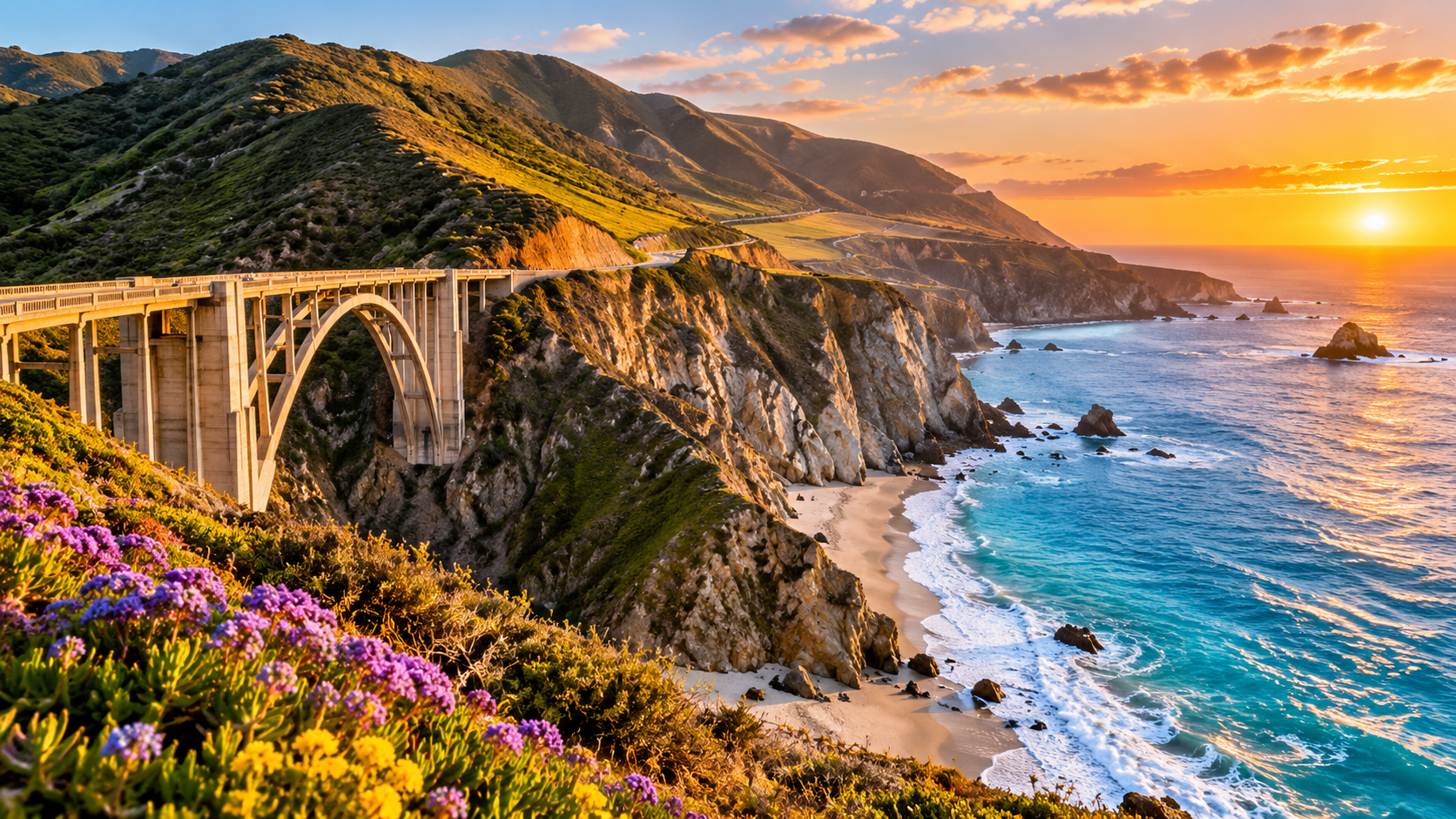
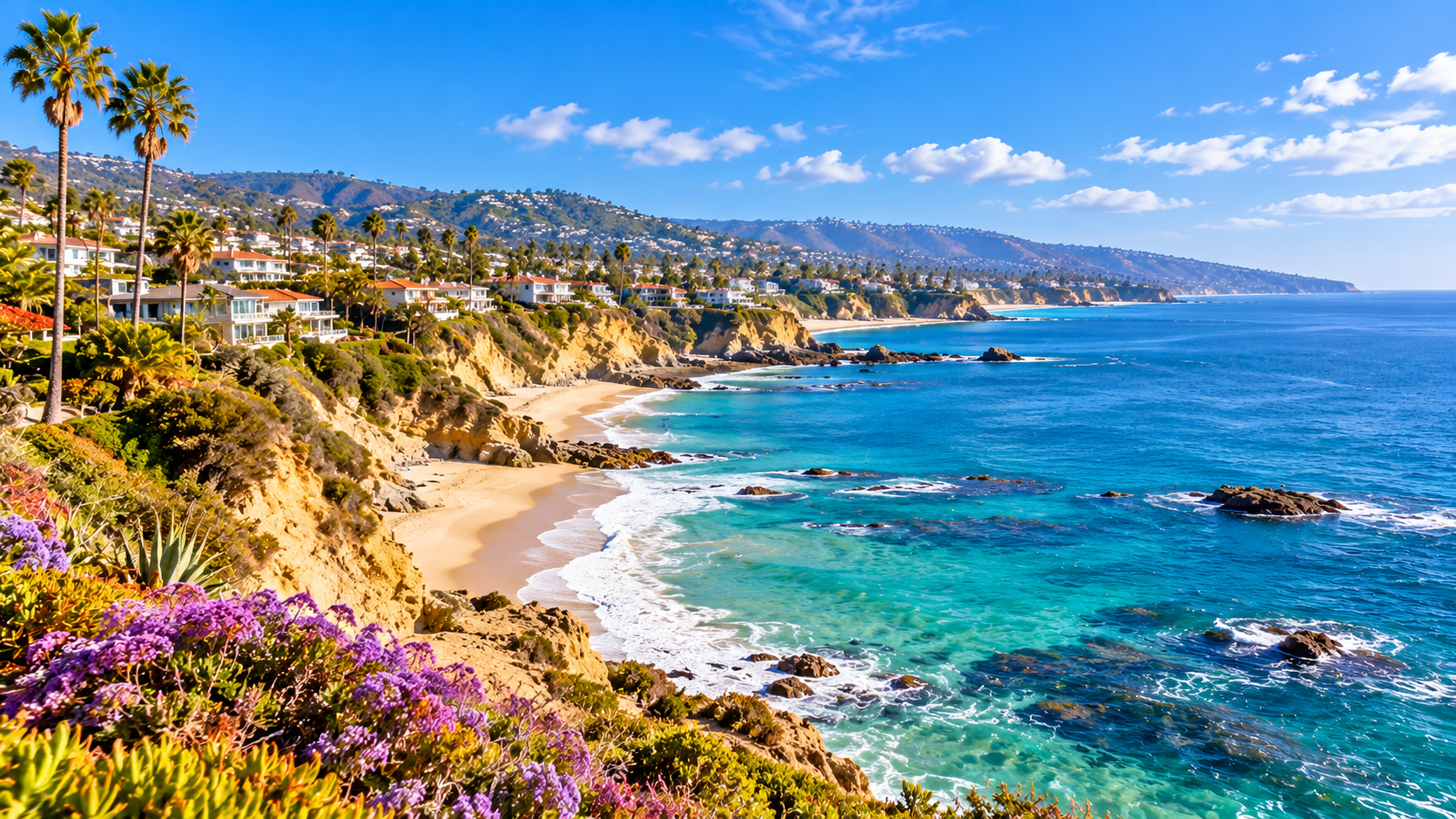
Oregon is less a single destination and more a collection of remarkably different landscapes, from the rugged Pacific coastline to the volcanic peaks of the Cascade Range and the high desert of eastern Oregon. This northwestern U.S. state offers coastal towns, waterfalls, wine country, deep forests, historic communities, and outdoor adventures that can fill anything from a long weekend to a two-week road trip. What works along the Oregon Coast does not necessarily work in Central Oregon, where driving distances, seasonal weather, elevation, and available activities create a completely different travel experience. Portland provides an accessible urban starting point, while destinations such as Bend, Crater Lake, the Columbia River Gorge, and the southern coast reward travelers willing to explore farther. Although Oregon is famous for its scenery, its local food, cultural attractions, Indigenous heritage, and small-town character are equally important parts of the experience. This Oregon travel guide explains where to go, when to visit, how to travel between regions, where to stay, and how to plan a realistic itinerary without spending your entire vacation on the road.
Travel Essentials
Everything you need to know before exploring Oregon, from Portland’s creative neighborhoods and the rugged Pacific coastline to the Columbia River Gorge, Mount Hood, Crater Lake and the high desert around Bend. Find practical travel information, transportation, safety tips, local customs and seasonal weather.
Oregon Quick Facts
Essential information for visiting Oregon, United States.
Oregon is a Pacific Northwest state celebrated for dramatic landscapes, evergreen forests, volcanic mountains, waterfalls, vineyards and a wild Pacific coastline. Portland offers distinctive neighborhoods, food carts, coffee culture and gardens. The Columbia River Gorge is famous for Multnomah Falls, while Crater Lake National Park showcases one of the world’s deepest lakes. Explore the beaches of Cannon Beach, the slopes of Mount Hood, the wineries of the Willamette Valley, the outdoor adventures of Bend and the scenic high desert of eastern Oregon.
Arrival Information
Travel documents and practical information for arriving in Oregon.
Oregon is a US state. Domestic travelers do not pass through immigration when arriving from another US state. International visitors must meet United States entry requirements, including any applicable visa or Visa Waiver Program authorization.
Passport & Visa
International travelers must meet US passport and visa requirements. Eligible Visa Waiver Program travelers generally need approved ESTA authorization before travel. Check the latest rules for your nationality.
Flying In
Portland International Airport (PDX) is Oregon’s principal commercial gateway. Regional airports serve Eugene, Medford, Redmond and other communities.
Arriving by Road or Rail
Interstate 5 connects Oregon with Washington and California. Interstate 84 follows the Columbia River corridor. Amtrak provides passenger rail service on selected routes.
Domestic Flight Identification
Adults flying domestically must present identification accepted by the Transportation Security Administration, such as a REAL ID-compliant license, valid passport or another approved document.
Health Information
Healthcare access and health considerations in Oregon.
Healthcare
Hospitals, urgent care clinics and pharmacies are available in major cities. Emergency services may take longer to reach remote mountain, coastal or wilderness locations.
Vaccinations
Keep routine vaccinations current. Travelers planning extensive outdoor activities should also consider tick prevention and other appropriate wilderness precautions.
Travel Medical Insurance
Healthcare in the United States can be expensive. Visitors should consider medical coverage that includes emergency treatment, hospitalization and evacuation where appropriate.
Outdoor Health
Prepare for rapidly changing mountain weather, cold coastal water, summer heat and seasonal wildfire smoke. Carry drinking water, layers and appropriate outdoor equipment.
Travel Advisory
Safety considerations for Oregon’s cities, coast and wilderness.
Check conditions before outdoor travel. Wildfires, snowstorms, coastal hazards, landslides and road closures can affect Oregon throughout the year. Follow official weather, park and transportation updates.
Wildfires & Smoke
Summer and early autumn can bring wildfires and unhealthy air quality. Check fire restrictions, evacuation notices and air-quality reports.
Coastal Hazards
Oregon beaches can experience sneaker waves, powerful currents and unstable cliffs. Never turn your back on the ocean. Follow tsunami evacuation signs when necessary.
Snow & Mountain Roads
Mountain passes can require traction tires or chains during winter conditions. Check road restrictions before traveling through the Cascades.
Personal Security
Take standard precautions in cities and busy tourist areas. Secure valuables, avoid leaving belongings visible in vehicles and remain aware of your surroundings.
Holidays & Festivals
Major holidays and popular annual events in Oregon.
Visitor Information
Everyday travel details for exploring Oregon.
Payments & Sales Tax
Credit and debit cards are widely accepted. Oregon has no general statewide sales tax, although certain local taxes, lodging taxes and specific fees may apply.
Tipping
Restaurant tipping of approximately 15–20% is customary for table service. Tips are also common for bartenders, taxi drivers and certain hospitality services.
Language
English is the primary language. Spanish and many other languages are spoken in communities across Oregon.
Outdoor Culture
Hiking, cycling, camping, skiing, coastal exploration and wine tasting are popular activities. Reserve high-demand accommodations and park experiences well in advance.
Major Airports
Important commercial airports serving Oregon.
Portland International Airport
Oregon’s main airport, serving Portland and the northern Willamette Valley.
Eugene Airport
Serves Eugene, Springfield and the southern Willamette Valley.
Rogue Valley International–Medford Airport
Gateway to Medford, Ashland, the Rogue Valley and southern Oregon.
Redmond Municipal Airport
Convenient gateway to Bend, Central Oregon and nearby mountain recreation.
Transport in Oregon
Transportation options for cities and scenic road trips.
Rental Cars
One of the most flexible ways to explore the Oregon Coast, mountains, vineyards and rural areas.
Portland MAX Light Rail
TriMet MAX connects Portland neighborhoods and suburbs, with service to Portland International Airport.
Amtrak Trains
Amtrak Cascades and Coast Starlight serve selected Oregon cities and connect with other states.
Public Buses
Local and regional bus services operate in major communities. Rural schedules can be limited.
Rideshare & Taxis
Available in Portland and many larger cities, with fewer options in remote communities.
Scenic Road Trips
Popular routes include US Highway 101, the Historic Columbia River Highway and Cascade Lakes Scenic Byway.
Connectivity & Electricity
Mobile coverage, Wi-Fi and electrical compatibility.
Wi-Fi
Common in hotels, cafés, libraries and many public venues. Internet access can be limited in remote wilderness areas.
Mobile Networks
Major US carriers operate across Oregon, but signal strength varies in mountains, forests and remote coastal locations.
Electricity
Standard electricity is approximately 120V, with Type A and Type B outlets.
Frequency
Electrical frequency is 60Hz. International travelers should verify appliance voltage compatibility.
Laws & Etiquette
Important regulations and respectful travel practices.
Identification
Carry accepted identification for driving, age-restricted purchases and situations where identification is legally required.
Alcohol & Cannabis
The minimum purchase age for alcohol and recreational cannabis is 21. Public consumption restrictions apply, and cannabis remains prohibited under federal law.
Driving Rules
Drive on the right, obey speed limits and yield to pedestrians as required. Oregon generally prohibits drivers from handling mobile electronic devices.
Nature & Wildlife
Stay on designated trails, follow Leave No Trace principles and keep a safe distance from wildlife.
Public Spaces
Follow local rules on smoking, parking, camping, public behavior and permitted recreational activities.
Fire Restrictions
Campfires and outdoor burning may be restricted during wildfire season. Always check current regulations before lighting a fire.
Emergency Information
Essential emergency contacts for visitors to Oregon.
Call 911 for police, fire or medical emergencies. Oregon’s 511 service provides transportation and road-condition information, while 988 connects callers with suicide and crisis support. These numbers serve different purposes.
Medical Emergencies
Call 911 for immediate medical assistance. Hospitals and urgent care facilities serve major population centers.
Lost Passport
International travelers should contact their embassy or consulate and report suspected theft to local police.
Oregon Weather by Season
Conditions vary between the Pacific coast, Willamette Valley, Cascade Mountains and eastern high desert.
Spring
March – MayCool to mild conditions, blooming gardens and frequent rain in western Oregon. Mountain snow can linger.
Summer
June – AugustGenerally warm and drier inland, with cooler coastal weather. Popular for hiking and road trips, but wildfire smoke is possible.
Autumn
September – NovemberColorful foliage, harvest festivals and cooling temperatures. Rain returns across much of western Oregon.
Winter
December – FebruaryWet and cool in western valleys, snowy in the Cascades and colder inland. Skiing and winter sports are popular.
Time zone reminder: Most of Oregon observes Pacific Standard Time (UTC−8) in winter and Pacific Daylight Time (UTC−7) in summer. Most of Malheur County in eastern Oregon observes Mountain Time.
Understanding Oregon’s Geography and Travel Regions
Oregon sits in the Pacific Northwest, bordered by Washington, Idaho, Nevada, California, and the Pacific Ocean. Its landscapes change dramatically from west to east, making regional planning essential.
Portland and the Willamette Valley
Portland is Oregon’s largest city and a major gateway for visitors arriving by air. Its neighborhoods, gardens, food culture, and access to nearby natural areas make it an excellent starting point.
South of Portland, the Willamette Valley stretches through communities such as Salem, McMinnville, Newberg, Corvallis, and Eugene. This region is known for farmland, wineries, historic towns, and scenic countryside.
The valley is particularly suitable for travelers interested in food, wine, cultural attractions, and relaxed drives.
The Northern Oregon Coast
The northern coastline includes Astoria, Seaside, Cannon Beach, Manzanita, and Tillamook.
Visitors come for sandy beaches, dramatic rock formations, historic waterfronts, coastal forests, and scenic viewpoints.
Cannon Beach and its iconic Haystack Rock are among Oregon’s best-known coastal landmarks, while Astoria offers maritime history and views near the Columbia River’s mouth.
This region is especially convenient for travelers starting in Portland.
The Central Oregon Coast
Newport, Depoe Bay, Lincoln City, Florence, and Yachats anchor the central coastline.
The area combines fishing communities, lighthouses, tide pools, rocky headlands, and forested coastal landscapes.
The stretch around Cape Perpetua and Yachats is particularly appealing for travelers seeking dramatic scenery.
The central coast is a good choice for a slower road trip with frequent scenic stops.
The Southern Oregon Coast
The southern coast includes Coos Bay, Bandon, Port Orford, Gold Beach, and Brookings.
This region is known for sea stacks, rugged headlands, beaches, and comparatively remote stretches of coastline.
It is especially rewarding for photographers, nature enthusiasts, and travelers who prefer smaller coastal communities.
Because the southern coast is farther from Portland, it is best included in a longer trip or approached through southern Oregon.
The Cascade Mountains
The Cascade Range runs north to south through Oregon and includes volcanic mountains, alpine lakes, forests, and national recreation areas.
Mount Hood, Mount Jefferson, the Three Sisters, and Crater Lake are among its most recognizable landmarks.
The mountains provide opportunities for hiking, skiing, camping, scenic drives, and winter recreation.
Access varies considerably by season, with snow affecting higher-elevation roads and trails.
Central Oregon
Central Oregon centers on Bend, Redmond, Sisters, and the surrounding high-desert landscapes.
This region offers volcanic scenery, rivers, outdoor recreation, mountain views, and a generally drier climate than western Oregon.
Bend is one of the state’s strongest bases for hiking, mountain biking, and exploring nearby natural attractions.
Central Oregon is especially appealing for active travelers.
Eastern Oregon
Eastern Oregon includes the Columbia Plateau, John Day region, Baker City, La Grande, Pendleton, and the Wallowa Mountains.
The landscape features wide-open valleys, painted hills, mountain ranges, ranching communities, and historic routes.
Distances between destinations are often substantial, and services may be limited in remote areas.
Eastern Oregon is best suited to travelers who enjoy independent road trips and quieter landscapes.
For an official overview of destinations and travel regions, the state’s tourism organization provides planning information at traveloregon.com.
Who Should Visit Oregon?
Oregon appeals to a wide range of travelers, but the best destinations depend on the experiences you want.
Nature and Landscape Lovers
Oregon is particularly rewarding for visitors interested in forests, waterfalls, volcanic landscapes, rugged beaches, and mountains.
The Columbia River Gorge, Crater Lake, Mount Hood, and the Oregon Coast provide very different natural environments.
A weeklong trip can include several landscapes, but travelers should avoid attempting to cover every major region.
Road Trip Travelers
Oregon is an excellent road trip destination because many of its best experiences are located outside major cities.
Highway 101 follows the coastline, while inland routes connect mountain communities, wine country, and high-desert destinations.
Travelers should allow extra time for viewpoints, short hikes, and changing weather.
Families
Families can enjoy beach exploration, aquariums, scenic parks, easy walking trails, and educational attractions.
Newport, Portland, Bend, and selected northern coast towns are practical bases with varied activities.
Families traveling with younger children may prefer two accommodation bases rather than changing hotels every night.
Couples
Cannon Beach, Hood River, Willamette Valley wine country, and smaller coastal towns offer romantic settings.
Couples can combine scenic accommodation, restaurants, coastal walks, and relaxed day trips.
Spring and autumn are especially attractive for quieter travel, although coastal weather can be unpredictable.
Outdoor Adventure Travelers
Bend, Mount Hood, the Columbia River Gorge, and the Cascades provide opportunities for hiking, cycling, skiing, paddling, and climbing.
Some activities require permits, specialized equipment, or experience.
Travelers should research seasonal access and route conditions rather than assuming all mountain trails are open year-round.
Food and Wine Travelers
Portland and the Willamette Valley are especially suitable for culinary travel.
Visitors can explore restaurants, food carts, local markets, vineyards, breweries, and agricultural communities.
The Oregon Coast also provides opportunities to enjoy seafood and regional specialties.
Travelers Without a Car
Portland is the easiest Oregon destination to explore without a rental car because of its public transportation network.
Some connections to Eugene, Salem, and other cities are possible by train or bus.
However, most coastal viewpoints, mountain trails, and remote natural attractions are substantially easier to visit by car.
Essential Oregon Travel Basics
Best Airport for Oregon
Portland International Airport (PDX) is the main gateway for travelers visiting northern Oregon, Portland, the Columbia River Gorge, and much of the northern coast.
Redmond Municipal Airport (RDM) is useful for Bend and Central Oregon.
Eugene Airport (EUG) serves the southern Willamette Valley, while Rogue Valley International–Medford Airport (MFR) provides access to parts of southern Oregon.
Choosing an airport near your main destination can significantly reduce driving.
Entry Requirements
Oregon follows U.S. federal entry requirements.
International travelers should verify passport, visa, and authorization requirements based on nationality and travel status.
The U.S. Department of State provides official visitor visa information at travel.state.gov.
Domestic travelers should also verify applicable identification requirements for air travel.
Currency and Payments
The currency is the U.S. dollar.
Credit and debit cards are widely accepted, although carrying some cash can be useful in small communities.
Oregon does not impose a general statewide retail sales tax, but lodging taxes and certain other taxes or fees may still apply.
Driving in Oregon
Driving is generally straightforward on major highways, but road conditions vary by region.
Highway 101 can be slower than expected because of curves, towns, traffic, and scenic stops.
Mountain passes may experience snow and ice during colder months, while eastern Oregon can involve long stretches between services.
Check current road conditions before traveling, particularly in winter.
Time Zone
Most of Oregon follows Pacific Time.
A small portion of eastern Oregon, principally part of Malheur County, observes Mountain Time.
Travelers on long eastern Oregon road trips should be aware of the time-zone difference.
How Long to Stay
Three to four days are sufficient for Portland and a nearby region.
Five to seven days work well for Portland, the Columbia River Gorge, and the northern or central coast.
Ten days allow a broader route that includes Central Oregon.
Fourteen days provide enough time for a more extensive road trip, although covering every corner of the state would still require compromises.
Oregon’s Major Cities and Destinations
Portland
Portland is the state’s largest urban destination, known for its neighborhoods, gardens, independent businesses, food culture, and access to outdoor recreation.
Washington Park, the International Rose Test Garden, and the city’s riverfront are popular places to explore.
Portland also makes a practical base for day trips to the Columbia River Gorge and Willamette Valley.
Allow two or three days for the city itself.
Bend
Bend is Central Oregon’s principal outdoor recreation hub.
The city sits near the Deschutes River and provides access to volcanic landscapes, mountain trails, lakes, and winter recreation areas.
Its downtown offers restaurants, shops, and an active local atmosphere.
Three or four nights are useful for travelers interested in outdoor activities.
Eugene
Eugene is a university city in the southern Willamette Valley, known for its arts, recreation, and access to surrounding countryside.
It provides a convenient stop between Portland and southern Oregon.
The city also works as a gateway to parts of the central Cascades and nearby wine-producing areas.
One or two nights are sufficient for most first-time visitors.
Salem
Salem is Oregon’s state capital and offers historic sites, parks, gardens, and access to the Willamette Valley.
Its location makes it convenient for travelers exploring the valley or traveling between Portland and Eugene.
Salem is often best included as a stop rather than a primary base for a nature-focused vacation.
Astoria
Astoria sits near the mouth of the Columbia River and has a distinctive maritime atmosphere.
Historic buildings, waterfront views, museums, and the Astoria Column are among its attractions.
The town combines naturally with Fort Stevens State Park and the northern Oregon Coast.
One or two nights allow a relaxed visit.
Cannon Beach
Cannon Beach is one of Oregon’s most recognizable coastal destinations.
Haystack Rock dominates the shoreline, while the town offers galleries, restaurants, and coastal accommodation.
Nearby Ecola State Park adds forested headlands and ocean viewpoints.
Two nights are ideal for travelers who want to enjoy the area beyond a brief day trip.
Newport
Newport is a working coastal community with a historic bayfront, beaches, marine attractions, and nearby scenic headlands.
The Oregon Coast Aquarium is a popular family attraction.
Newport also provides access to Yaquina Head and other central coast destinations.
Two or three nights make it a practical central coast base.
Hood River
Hood River sits along the Columbia River east of Portland.
The town is known for river recreation, scenic surroundings, and access to the Hood River Valley.
It is a useful base for exploring the eastern Columbia River Gorge and nearby Mount Hood landscapes.
Two nights are suitable for a relaxed visit.
Ashland
Ashland is a southern Oregon town known for its performing arts, cultural atmosphere, and proximity to mountain landscapes.
It is particularly associated with the Oregon Shakespeare Festival.
Ashland works well as a southern Oregon base or as part of a longer road trip toward Crater Lake.
Allow one or two nights, or longer if attending performances.
Oregon’s Most Remarkable Natural Highlights
Crater Lake National Park
Crater Lake National Park is one of Oregon’s most extraordinary natural destinations. Its intensely blue lake occupies a volcanic caldera formed following the collapse of Mount Mazama thousands of years ago.
The lake is famous for its clarity, dramatic cliffs, and remarkable depth. Scenic overlooks around Rim Drive offer different perspectives of the water and surrounding volcanic landscape.
Crater Lake deserves at least one full day, particularly for travelers who want to stop at several viewpoints or complete a hike.
The most important planning consideration is seasonal access. The park remains open throughout the year, but snow closes many roads and trails for extended periods. The National Park Service explains seasonal restrictions and visitor conditions at nps.gov.
Travelers should not assume that a complete Rim Drive circuit will be possible during spring or autumn.
Columbia River Gorge
The Columbia River Gorge forms a spectacular landscape along the border between Oregon and Washington.
The Oregon side is particularly well known for waterfalls, forested trails, cliffs, and viewpoints overlooking the Columbia River.
Multnomah Falls is the best-known attraction, but the gorge contains many additional waterfalls and hiking opportunities.
The western gorge is an easy excursion from Portland, while Hood River provides a useful base for exploring farther east.
Allow one full day for a selection of viewpoints and short walks, or two days if hiking is a major priority.
Mount Hood
Mount Hood is Oregon’s highest mountain and one of the Pacific Northwest’s most recognizable volcanic peaks.
The surrounding national forest offers hiking trails, alpine scenery, lakes, winter sports, and historic mountain facilities.
Government Camp is a practical base for mountain activities, while Hood River provides access to the mountain’s northern and eastern approaches.
Summer and early autumn are popular for hiking, while winter brings skiing and snow recreation.
Mountain weather can change rapidly, so visitors should prepare for conditions that differ significantly from Portland.
Oregon Dunes National Recreation Area
The Oregon Dunes stretch along the central and southern coast, particularly around Florence, Reedsport, and Coos Bay.
This remarkable landscape contains extensive sand dunes, coastal forests, lakes, and wetlands.
Visitors can explore designated walking areas, enjoy scenic viewpoints, or participate in permitted recreational activities.
Some areas allow off-highway vehicles, while others emphasize quieter nature experiences.
Travelers should select the appropriate access area according to their interests rather than assuming the entire dunes landscape operates under the same rules.
Smith Rock State Park
Smith Rock State Park is one of Central Oregon’s most dramatic natural landmarks.
Towering rock formations rise above the Crooked River, creating a landscape popular with hikers, climbers, and photographers.
The park offers trails ranging from relatively gentle riverside walks to demanding climbs involving significant elevation changes.
Smith Rock is particularly convenient from Bend or Redmond.
Summer heat can make exposed trails challenging, so early starts and adequate water are important.
Painted Hills
The Painted Hills are part of John Day Fossil Beds National Monument in eastern Oregon.
Layers of red, gold, and darker-colored earth create a distinctive landscape shaped by ancient environmental changes.
Short trails and viewpoints allow visitors to appreciate the hills without undertaking a major hike.
The Painted Hills are best visited as part of a Central or Eastern Oregon road trip rather than a rushed day trip from Portland.
Wallowa Mountains
The Wallowa Mountains rise above northeastern Oregon and offer alpine lakes, mountain trails, and spectacular scenery.
Joseph and Enterprise are useful gateways to the region, while Wallowa Lake is a popular recreational destination.
This part of Oregon is particularly appealing to travelers seeking quieter mountain landscapes.
Because of its distance from Portland and the Oregon Coast, the Wallowa region deserves several days within a dedicated eastern Oregon itinerary.
Oregon’s Cultural and Historic Must-Sees
Oregon’s Indigenous Heritage
Oregon has a rich Indigenous history that predates European settlement by thousands of years.
Tribal nations maintain distinct cultural identities, histories, and connections to ancestral lands across the state.
Visitors can learn through tribal museums, cultural centers, and educational programs, while respecting access restrictions and community protocols.
The Confederated Tribes of Warm Springs maintain the Museum at Warm Springs, which offers opportunities to learn about the region’s Indigenous cultures and histories.
Cultural sites should be approached as living heritage rather than simply historical attractions.
Oregon State Capitol in Salem
Salem’s State Capitol represents an important part of Oregon’s civic history.
The surrounding grounds and nearby historic districts provide opportunities to explore the state capital.
Access to the Capitol building and tours can be affected by construction, official business, or security arrangements.
Travelers should verify current visitor access before planning an interior visit.
Astoria’s Maritime Heritage
Astoria has a long history associated with river transportation, maritime commerce, fishing, and settlement.
The Columbia River Maritime Museum explores the relationship between the river, ocean, and the communities that developed around them.
The Astoria Column and surrounding viewpoints provide a broader perspective on the river mouth and coastal landscape.
Astoria is an especially rewarding cultural stop on a northern Oregon Coast itinerary.
Oregon Trail History
The Oregon Trail played a major role in nineteenth-century westward migration.
Eastern Oregon contains historic routes, interpretive locations, and landscapes associated with overland migration.
The National Historic Oregon Trail Interpretive Center near Baker City is an important destination for understanding this history, although travelers should verify current facility access and available programs.
A visit works particularly well as part of an eastern Oregon road trip.
Timberline Lodge
Timberline Lodge on Mount Hood is a historic mountain landmark known for its architecture, craftsmanship, and setting.
The lodge reflects the work of artisans and laborers during the New Deal era.
Visitors can appreciate the historic building and mountain views even without staying overnight, subject to access and operational arrangements.
It is a logical stop on a Mount Hood excursion from Portland or Hood River.
Ashland’s Performing Arts
Ashland has developed a strong cultural identity through theater and performing arts.
The Oregon Shakespeare Festival is particularly important to the town’s reputation.
Visitors interested in performances should review production schedules before booking accommodation, as the experience depends on the festival calendar.
Ashland also offers galleries, restaurants, and an attractive downtown.
Where to Go in Oregon Based on Your Interests
For a First-Time Oregon Trip
Choose Portland, the Columbia River Gorge, and the northern Oregon Coast.
This combination offers urban attractions, waterfalls, forests, and iconic Pacific beaches without requiring a journey across the entire state.
Five to seven days provide enough time for a balanced introduction.
For a Scenic Coastal Road Trip
Focus on Highway 101 between Astoria and Newport, or continue farther south if you have additional time.
Cannon Beach, Cape Perpetua, Newport, Bandon, and Samuel H. Boardman State Scenic Corridor offer distinct coastal experiences.
Allow at least five days for a substantial coastline itinerary.
For Mountains and Outdoor Adventures
Choose Bend and the surrounding Central Oregon region.
Smith Rock, the Cascade Lakes area, volcanic landscapes, and mountain trails provide varied outdoor opportunities.
Four to six days allow a mix of active experiences and relaxation.
For Waterfalls and Forests
Base yourself in Portland or Hood River and explore the Columbia River Gorge.
Mount Hood can add another dimension to the itinerary, particularly during summer and early autumn.
Three to five days work well for a focused nature trip.
For Wine Country and Food Experiences
Choose the Willamette Valley, with bases such as McMinnville, Newberg, or Dundee.
Combine vineyard visits, local restaurants, agricultural landscapes, and small-town exploration.
Three or four days provide a relaxed experience.
For Quiet Landscapes and Fewer Crowds
Consider Eastern Oregon, particularly the Painted Hills, Wallowa Mountains, and historic communities around Baker City.
These destinations require more driving and independent preparation than Portland or the northern coast.
A week or longer is preferable for a meaningful eastern Oregon road trip.
Oregon’s Food and Drink Experiences
Oregon’s food culture reflects its agricultural valleys, fishing communities, forests, and independent culinary scene.
Portland’s Food Culture
Portland offers a diverse dining environment that includes food carts, neighborhood restaurants, bakeries, coffee shops, and international cuisine.
Food cart pods are a particularly recognizable part of the city’s culinary identity.
Rather than visiting only the most famous establishments, explore neighborhoods where independent restaurants and local businesses are concentrated.
Willamette Valley Wine
The Willamette Valley is especially well known for Pinot Noir.
Wine-producing areas around Dundee, Newberg, McMinnville, and nearby communities offer vineyard landscapes and tasting experiences.
Reservations may be recommended or required at certain wineries.
Travelers should arrange a designated driver or transportation when planning multiple tastings.
Oregon Coast Seafood
Coastal communities provide opportunities to enjoy Dungeness crab, oysters, salmon, and other regional seafood.
Astoria, Newport, and Charleston are among the places associated with fishing and maritime food traditions.
Availability varies by season, regulations, and local supply.
Visitors interested in seafood should explore working waterfronts and locally focused restaurants.
Hazelnuts, Berries, and Farm Products
Oregon is an important agricultural producer, particularly in the Willamette Valley.
Hazelnuts, berries, and other regional products appear in markets, bakeries, desserts, and specialty shops.
Farm stands and seasonal markets can provide an enjoyable addition to a countryside drive.
Craft Beverages
Oregon has a well-established craft beer and cider culture, with breweries and producers in Portland, Bend, Hood River, and other communities.
Nonalcoholic beverages and locally roasted coffee are also prominent parts of the state’s food scene.
Travelers can explore regional producers without building an itinerary entirely around alcoholic beverages.
Getting Around Oregon: Driving, Trains, Buses, and Flights
Transportation is central to planning an Oregon vacation. Portland has an extensive public transportation system, but most of the state’s major natural attractions are spread across regions where a rental car is considerably more practical.
Renting a Car in Oregon
A rental car is the most flexible option for visiting the Oregon Coast, Columbia River Gorge, Cascade Mountains, and Central Oregon.
Interstate 5 connects major Willamette Valley cities, while Interstate 84 provides access to the Columbia River Gorge. U.S. Highway 101 follows the coastline, and U.S. Highway 97 is an important route through Central Oregon.
Approximate driving times in normal conditions include:
- Portland to Cannon Beach: 1.5–2 hours.
- Portland to Astoria: 1.5–2 hours.
- Portland to Hood River: approximately 1 hour.
- Portland to Bend: 3–3.5 hours.
- Portland to Newport: 2.5–3 hours.
- Portland to Eugene: approximately 2 hours.
- Bend to Crater Lake National Park: 2–2.5 hours, depending on the open entrance route.
- Eugene to Florence: approximately 1–1.5 hours.
- Newport to Bandon: 2.5–3 hours.
- Portland to Joseph in northeastern Oregon: approximately 5.5–6.5 hours.
These estimates exclude substantial sightseeing stops, traffic delays, and adverse weather.
Coastal and mountain drives often take longer than navigation estimates suggest, particularly when travelers stop frequently for viewpoints.
Highway 101 and Coastal Driving
Highway 101 is one of Oregon’s most scenic road trip routes.
It passes through coastal communities, forested sections, headlands, and stretches with ocean views.
However, the road is not a continuous high-speed coastal highway. Traffic, curves, towns, and sightseeing stops can slow progress considerably.
Travelers should avoid planning more than a few major attractions on days involving long coastal drives.
Mountain Roads and Seasonal Conditions
Mountain travel requires additional preparation, especially from late autumn through spring.
Snow, ice, chain requirements, and temporary closures may affect routes near Mount Hood, Crater Lake, and the Cascades.
Wildfires and smoke can also affect travel during the warmer months.
Oregon’s official road information service at tripcheck.com provides highway conditions, closures, and travel alerts.
Check road conditions before departure and again when planning mountain crossings.
Traveling by Train
Amtrak provides passenger rail connections through the Willamette Valley, including Portland, Salem, Albany, and Eugene.
Rail travel can be convenient for travelers moving between major cities without visiting remote natural areas.
However, train service does not directly reach most of Oregon’s famous coastal attractions or national parks.
Travelers should check schedules and onward transportation before relying on rail for a multi-destination itinerary.
Portland Public Transportation
Portland offers light rail, buses, and streetcar services.
These can be useful for exploring downtown, neighborhoods, cultural attractions, and some areas around the airport.
The regional transit provider at trimet.org publishes routes, fares, and service information.
A rental car may be unnecessary during a Portland-only city break, although one becomes useful for regional excursions.
Regional Buses
Bus connections serve some cities and smaller communities throughout Oregon.
Service frequency varies considerably, particularly in rural areas.
Travelers planning to visit coastal towns without a car should verify both outbound and return schedules before booking accommodation.
Domestic Flights
Portland is the state’s principal air gateway, while Redmond, Eugene, and Medford provide useful regional alternatives.
For trips focused on Bend, flying into Redmond can eliminate a long drive from Portland.
Medford can be convenient for southern Oregon, Ashland, and parts of the Crater Lake region.
For a longer itinerary, entering through one airport and departing through another may reduce backtracking, although rental-car fees should be checked.
Where to Base Yourself in Oregon
Oregon’s attractions are too widely distributed for one accommodation base to serve the entire state comfortably.
The best strategy is to choose bases according to the regions you want to explore.
Portland for City Attractions and Northern Excursions
Portland is ideal for travelers who want restaurants, gardens, neighborhoods, and convenient access to the Columbia River Gorge.
It can also serve as a starting point for a northern coast trip.
Three nights are suitable for a city-focused stay, while four or five nights allow additional day trips.
Portland is not a practical base for repeated excursions to Bend, Crater Lake, or the southern coast.
Cannon Beach for a Relaxed Coastal Stay
Cannon Beach is particularly appealing for couples, families, and travelers who want to spend time near the ocean.
Its walkable center and proximity to Haystack Rock make it easy to enjoy the coast without constant driving.
Two or three nights allow time for beach walks, Ecola State Park, and nearby coastal towns.
Newport for the Central Coast
Newport offers a useful combination of accommodation, restaurants, marine attractions, and coastal scenery.
It works well for exploring Depoe Bay, Yaquina Head, Yachats, and other central coast destinations.
Three nights provide time for a balanced coastal experience.
Bend for Central Oregon Adventures
Bend is one of Oregon’s strongest outdoor recreation bases.
Travelers can explore Smith Rock, nearby lakes, mountain trails, and volcanic landscapes while enjoying the city’s restaurants and amenities.
Three to five nights are appropriate, depending on the number of outdoor activities planned.
Hood River for the Columbia River Gorge
Hood River provides convenient access to the eastern gorge, scenic valleys, and portions of Mount Hood.
It is particularly suitable for travelers interested in outdoor recreation and a smaller-town atmosphere.
Two or three nights offer enough time for several regional experiences.
Ashland or Medford for Southern Oregon
Ashland is ideal for cultural travelers interested in theater, restaurants, and historic surroundings.
Medford provides practical transportation connections and access to the Rogue Valley.
Both can serve as bases for exploring southern Oregon, although Crater Lake still requires a substantial drive.
Bandon for the Southern Coast
Bandon is known for dramatic offshore rock formations, beaches, and a relaxed coastal atmosphere.
It is an excellent base for travelers who want to explore the southern coastline without moving accommodation every night.
Two or three nights allow time for coastal walks and nearby scenic drives.
Joseph for the Wallowa Mountains
Joseph provides access to Wallowa Lake and northeastern Oregon’s mountain landscapes.
It is best suited to travelers planning a dedicated eastern Oregon itinerary.
Three nights or more are worthwhile when hiking and outdoor recreation are priorities.
Oregon Travel Budget: What to Expect
Oregon travel costs vary significantly by season, accommodation style, and transportation needs.
A Portland city break can have a very different budget from a two-week road trip involving coastal hotels, mountain lodging, and rental vehicles.
Budget Travel
Budget-conscious travelers can reduce costs by visiting outside peak summer, staying in smaller communities, and limiting the number of accommodation changes.
Camping can be an option, but reservations, park fees, and equipment costs should be considered.
Travelers who remain in Portland may be able to avoid renting a car.
For a coastal road trip, choosing two affordable bases is often more economical than booking a different hotel every night.
Mid-Range Travel
A mid-range Oregon itinerary typically includes comfortable hotels or vacation rentals, a rental car, restaurant meals, and selected paid attractions.
The most effective way to manage costs is to choose geographically compatible destinations.
For example, Portland, Cannon Beach, and Newport create a manageable northern and central Oregon itinerary.
Adding Bend and Crater Lake increases both driving and accommodation requirements.
Higher-End Travel
Upscale coastal resorts, boutique hotels, vineyard accommodation, and mountain lodges can increase the overall cost substantially.
Popular destinations such as Cannon Beach and selected Willamette Valley wine towns may have particularly strong weekend and summer demand.
Luxury travelers should reserve desirable accommodation well in advance during peak periods.
Major Expenses to Consider
Accommodation: Coastal hotels and popular mountain destinations may command higher prices during summer weekends and holidays.
Rental cars: Vehicle size, insurance, airport pickup, and one-way return arrangements affect total costs.
Fuel: Long road trips through eastern and southern Oregon can involve substantial mileage.
Park fees: Some parks and recreation areas charge parking, day-use, or entrance fees.
Food: Restaurant expenses vary widely between urban destinations, resort areas, and smaller towns.
Activities: Guided excursions, theater performances, recreational rentals, and winery tastings can add to the budget.
Ways to Save Money
Travel during late spring or early autumn when practical.
Book accommodation near the destinations you intend to visit rather than choosing a distant property based only on price.
Plan scenic stops along the natural direction of your route.
Take advantage of Oregon’s many outdoor viewpoints and public recreation areas, while checking applicable parking and access fees.
Avoid unnecessary cross-state driving, which increases fuel costs and reduces sightseeing time.
Best Oregon Regions to Choose for Your Trip
Portland and the Columbia River Gorge: Best for First-Time Visitors
This region offers a convenient combination of city experiences, waterfalls, forests, and scenic drives.
It is especially suitable for trips lasting three to five days.
Travelers can explore Portland without a car and rent one for excursions.
Northern Oregon Coast: Best for Iconic Coastal Scenery
Astoria, Cannon Beach, Seaside, and nearby communities provide classic Oregon coastal experiences.
The region is suitable for couples, families, photographers, and travelers seeking relaxing beach walks.
Three or four days are sufficient for a focused trip.
Central Oregon Coast: Best for Marine Attractions and Headlands
Newport, Depoe Bay, Yachats, and Florence provide access to rocky shorelines, marine attractions, lighthouses, and coastal forests.
The area works particularly well for a four- to five-day coastal road trip.
Southern Oregon Coast: Best for Dramatic and Quieter Landscapes
Bandon, Port Orford, Gold Beach, and Brookings offer striking coastal formations and relatively remote scenery.
This region is best explored slowly, particularly for travelers interested in photography and nature.
Allow three to five days for a meaningful visit.
Central Oregon: Best for Outdoor Adventures
Bend, Sisters, Smith Rock, and nearby Cascade landscapes provide opportunities for hiking, cycling, and mountain recreation.
Four to six days are appropriate for an active itinerary.
Southern Oregon: Best for Crater Lake and Culture
Crater Lake, Ashland, Medford, and the Rogue Valley offer a combination of volcanic scenery, performing arts, and outdoor recreation.
Four or five days allow time for several experiences without rushing.
Eastern Oregon: Best for Remote Road Trips
The Painted Hills, Baker City, Joseph, and the Wallowa Mountains are ideal for travelers who enjoy open landscapes and independent exploration.
Because distances are substantial, a week or more is preferable.
Realistic Oregon Itineraries for 5, 7, 10, and 14 Days
Oregon’s geography makes route selection especially important. The following itineraries prioritize destinations that connect naturally rather than attempting to visit every famous attraction in one trip.
5-Day Oregon Itinerary: Portland, Columbia River Gorge, and Cannon Beach
This itinerary is suitable for first-time visitors arriving through Portland International Airport.
Day 1: Arrive in Portland
Arrive in Portland and settle into your accommodation.
Explore a neighborhood, enjoy the local dining scene, and take a relaxed walk through the city.
Avoid scheduling a long drive after your flight.
Day 2: Explore Portland
Visit Washington Park, the International Rose Test Garden, or other cultural attractions.
Spend the afternoon exploring neighborhoods, shops, and restaurants.
A second night in Portland allows you to enjoy the city without changing hotels.
Day 3: Columbia River Gorge
Collect a rental car if needed and travel east toward the Columbia River Gorge.
Visit Multnomah Falls and selected viewpoints or trails, subject to current access rules.
Continue toward Hood River for lunch or additional sightseeing before returning to Portland.
Day 4: Cannon Beach
Drive west to Cannon Beach.
Explore the beach around Haystack Rock, visit nearby viewpoints, and enjoy the coastal town.
Stay overnight near Cannon Beach to avoid an unnecessary evening return drive.
Day 5: Return to Portland
Enjoy a final coastal walk before returning to Portland for departure.
Allow sufficient time for traffic and rental-car return.
This route offers three distinctive Oregon experiences while keeping travel manageable.
7-Day Oregon Itinerary: Northern and Central Coast
This itinerary is ideal for travelers who want to experience Oregon’s Pacific coastline in greater depth.
Day 1: Arrive in Portland
Arrive in Portland and settle into accommodation.
Explore the city at a relaxed pace.
Day 2: Portland to Astoria
Drive toward Astoria, allowing approximately two hours before sightseeing stops.
Explore the waterfront, maritime attractions, and viewpoints.
Stay overnight in Astoria.
Day 3: Astoria to Cannon Beach
Travel south along the coast.
Visit Fort Stevens State Park or selected northern coastal viewpoints before continuing to Cannon Beach.
Enjoy the afternoon around Haystack Rock.
Day 4: Cannon Beach and Surroundings
Spend a full day exploring Cannon Beach, Ecola State Park, and nearby coastal scenery.
Stay a second night to enjoy the area without rushing.
Day 5: Cannon Beach to Newport
Drive south through Tillamook and other coastal communities.
Stop at selected viewpoints or food-related attractions along the way.
Continue to Newport for the night.
Day 6: Newport and the Central Coast
Explore Newport’s historic bayfront, Yaquina Head, and nearby coastal attractions.
Travel south toward Yachats if time allows.
Return to Newport for another night.
Day 7: Return to Portland
Drive inland toward Portland for departure.
Allow approximately three hours or more, depending on traffic and stops.
This route is particularly suitable for travelers who enjoy beaches, viewpoints, small towns, and scenic driving.
10-Day Oregon Itinerary: Coast, Bend, and Crater Lake
Ten days allow a broader trip that combines the northern coast, Central Oregon, and southern volcanic landscapes.
Day 1: Arrive in Portland
Explore Portland and settle into accommodation.
Day 2: Columbia River Gorge
Take a day trip to the Columbia River Gorge.
Visit selected waterfalls and viewpoints before returning to Portland.
Day 3: Portland to Cannon Beach
Drive west to Cannon Beach.
Spend the afternoon exploring the beach and surrounding coastal scenery.
Day 4: Cannon Beach to Newport
Travel south along Highway 101, stopping at selected coastal destinations.
Stay overnight in Newport.
Day 5: Newport to Bend
Drive inland toward Bend.
Depending on your route and conditions, the journey may take approximately four hours or longer.
Settle into Bend and enjoy the evening.
Day 6: Smith Rock and Central Oregon
Visit Smith Rock State Park for scenic walks or hiking.
Return to Bend for the afternoon and evening.
Day 7: Cascade Lakes or Bend Exploration
Explore nearby mountain scenery or enjoy a more relaxed day around Bend.
Choose activities according to seasonal access.
Day 8: Bend to Crater Lake Region
Drive south toward Crater Lake National Park.
Allow time for scenic stops and check current park access before departure.
Stay near the park or in an appropriate southern Oregon gateway community.
Day 9: Crater Lake National Park
Dedicate a full day to Crater Lake.
Explore available overlooks, trails, and scenic roads according to weather and seasonal conditions.
If traveling during a period of limited road access, adjust the day’s activities accordingly.
Day 10: Departure
Depart through Medford or another suitable regional airport, or continue a longer return journey if your flight is booked from Portland.
This itinerary works best with a one-way rental arrangement. Returning to Portland from the Crater Lake region requires a substantial additional drive and should be treated as a travel day.
14-Day Oregon Itinerary: Coast, Mountains, and Southern Oregon
Two weeks provide enough time for a more comprehensive western and central Oregon road trip.
Day 1: Arrive in Portland
Settle into accommodation and explore the city.
Day 2: Portland Attractions
Visit gardens, neighborhoods, museums, and local restaurants.
Day 3: Columbia River Gorge
Travel east to explore waterfalls and viewpoints.
Stay overnight in Hood River.
Day 4: Mount Hood
Explore Mount Hood’s scenic areas, historic landmarks, or suitable hiking routes.
Stay in Hood River or the Mount Hood area.
Day 5: Travel to Bend
Drive toward Central Oregon, allowing time for mountain scenery along the route.
Check seasonal road conditions before choosing your route.
Day 6: Smith Rock State Park
Explore Smith Rock and nearby Central Oregon landscapes.
Return to Bend for the evening.
Day 7: Bend and Cascade Lakes
Spend the day exploring Bend or nearby recreational areas.
Choose activities based on weather, trail conditions, and personal interests.
Day 8: Travel to Crater Lake
Drive south toward Crater Lake National Park.
Explore available viewpoints if time and conditions permit.
Stay near the park or in a southern Oregon gateway community.
Day 9: Crater Lake National Park
Spend a full day exploring the park.
Prioritize scenic overlooks and trails appropriate to the season.
Day 10: Travel to Ashland
Drive southwest toward Ashland.
Explore the town and consider attending a performance if the schedule aligns with your visit.
Day 11: Ashland to Bandon
Travel west toward the southern Oregon Coast.
This is a substantial driving day, so avoid adding too many attractions.
Settle into Bandon and enjoy an evening coastal walk.
Day 12: Southern Oregon Coast
Explore Bandon’s beaches and nearby viewpoints.
Spend a second night in the area.
Day 13: Bandon to Newport
Travel north along Highway 101, passing through the Oregon Dunes region and central coastal communities.
Choose a few meaningful stops rather than attempting to see everything.
Stay overnight in Newport.
Day 14: Return to Portland
Drive inland toward Portland for departure.
Allow sufficient time for traffic and vehicle return.
This route covers a broad range of Oregon landscapes, but it includes several hotel changes. Travelers who prefer a slower vacation can omit Mount Hood or part of the southern coast and spend additional nights in Bend or Newport.
Best Time to Visit Oregon
Oregon’s climate varies considerably between the coast, Willamette Valley, Cascade Mountains, and eastern high desert.
The best travel season depends on your preferred activities and the regions you plan to visit.
Spring: March to May
Spring brings greener landscapes, waterfalls, and seasonal flowers across much of western Oregon.
The Columbia River Gorge can be particularly attractive when waterfalls are flowing strongly.
Rain remains common, and mountain areas may still have substantial snow.
Spring is a good choice for Portland, the Willamette Valley, and selected coastal destinations.
However, high-elevation hiking and Crater Lake scenic roads may remain inaccessible.
Summer: June to August
Summer is one of the most popular seasons for Oregon road trips.
Longer daylight hours and generally drier conditions make coastal exploration, hiking, and mountain recreation more convenient.
July and August often provide the most reliable access to higher-elevation destinations, although snow can linger in some areas.
Popular coastal towns and mountain recreation areas may be busy.
Wildfire smoke can also affect certain regions during summer, so travelers should monitor current conditions.
Autumn: September to November
Early autumn can be an excellent time to visit Oregon.
September often offers comfortable conditions for road trips, hiking, and coastal exploration.
The Willamette Valley becomes especially appealing during the harvest season.
As autumn progresses, rain increases in western Oregon and mountain snow becomes more likely.
Travelers planning Crater Lake or high-elevation drives should be particularly attentive to seasonal closures.
Winter: December to February
Winter brings a very different travel experience.
Portland and coastal towns can be explored year-round, although rain, wind, and storms are common.
The Cascade Mountains offer winter recreation, but snow and ice affect driving.
Crater Lake remains open in winter, yet many roads and visitor facilities are inaccessible. The National Park Service provides detailed winter guidance at nps.gov.
Winter is best suited to travelers who deliberately want a quieter city break, storm-watching holiday, or snow-focused mountain experience.
Best Overall Months
For a first-time Oregon road trip combining coast, mountains, and cities, July through September generally provides the strongest seasonal flexibility.
May and June can be excellent for waterfalls, forests, and the Willamette Valley.
September is particularly attractive for travelers who want a balance of outdoor access and potentially fewer crowds than peak summer.
Common Oregon Travel Mistakes to Avoid
Trying to Visit Every Major Region in One Week
Oregon is too geographically diverse for a complete state-wide itinerary in seven days.
Combining Cannon Beach, Bend, Crater Lake, the Painted Hills, and the Wallowa Mountains would involve substantial driving.
Focus on two or three compatible regions.
Underestimating Highway 101 Driving Times
Coastal driving is slower than interstate travel.
Frequent curves, town traffic, scenic viewpoints, and weather can significantly extend the journey.
Allow time for spontaneous stops rather than scheduling every hour.
Assuming Mountain Roads Are Open Year-Round
High-elevation routes can remain snow-covered well into spring or early summer.
Crater Lake is especially important because access to Rim Drive varies by season.
Always check current road and park conditions.
Treating Oregon Beaches Like Warm-Water Resorts
Oregon’s coastline is scenic, but Pacific Ocean water is cold and conditions can be dangerous.
Sneaker waves, powerful surf, unstable driftwood, and changing tides require attention.
Visitors should follow posted warnings and avoid turning their backs on the ocean.
Ignoring Wildfire Conditions
Wildfires and smoke can affect travel during warmer months.
Even destinations far from an active fire may experience reduced air quality.
Travelers should monitor conditions and remain flexible with outdoor plans.
Booking Accommodation Too Far from Attractions
A cheaper hotel can become less economical when it requires long daily drives.
Choose accommodation near the attractions you plan to visit most frequently.
Forgetting Reservations and Access Requirements
Popular campgrounds, lodging, and certain recreation areas may require advance reservations.
Some destinations also operate seasonal parking or access systems.
Confirm current requirements before arrival, particularly during summer weekends.
Driving Remote Routes Without Preparation
Eastern and southern Oregon include areas with limited services and mobile coverage.
Carry water, maintain sufficient fuel, and download offline maps.
Avoid relying entirely on mobile navigation when traveling through remote landscapes.
What to Pack and Prepare for Oregon
Oregon’s varied geography means travelers should pack for the activities and regions they intend to visit.
A summer trip to Portland and the coast requires different preparation from a winter mountain holiday or a remote eastern Oregon road trip.
Clothing for Coastal Travel
Bring a waterproof or water-resistant jacket, comfortable walking shoes, and layers.
Even during summer, coastal temperatures can feel cool because of wind and marine conditions.
A warm layer is useful for early mornings and evenings.
Visitors planning beach walks should wear footwear suitable for wet sand, rocky surfaces, and uneven trails.
Hiking and Mountain Equipment
For hiking in the Cascades, Smith Rock, or other outdoor destinations, bring suitable footwear, water, sun protection, and weather-appropriate clothing.
Some trails involve steep elevation changes, exposed terrain, or limited shade.
Carry offline navigation tools and avoid attempting difficult routes without sufficient preparation.
The U.S. Forest Service provides recreation information and safety guidance at fs.usda.gov, including details relevant to Oregon’s national forests.
Road Trip Essentials
Carry a phone charger, reusable water bottle, basic emergency supplies, and offline maps.
Check tire condition and fuel levels before traveling through remote areas.
In winter, verify whether your route requires traction tires or chains.
Keep your itinerary flexible enough to accommodate weather-related delays.
Preparing for Rain
Western Oregon experiences substantial seasonal rainfall.
A compact rain jacket and water-resistant footwear are useful during spring, autumn, and winter.
Travelers should avoid assuming that a rainy forecast makes every outdoor activity impossible.
However, heavy rainfall can affect trails, visibility, and road conditions.
Preparing for Summer Heat
Central and Eastern Oregon can become hot during summer.
Bring sun protection, adequate water, and lightweight clothing.
Plan exposed hikes for cooler hours, particularly around Smith Rock and the Painted Hills.
Wildfire and Air Quality Preparation
During wildfire season, check smoke forecasts and local advisories.
Poor air quality may require changing hiking plans or selecting another region.
Travelers with respiratory concerns should pay particular attention to air quality information.
The U.S. Environmental Protection Agency’s AirNow service at airnow.gov provides official air quality information and maps.
Final Travel Preparation
Before departing, confirm accommodation reservations, transportation arrangements, and any park entry or parking requirements.
Check seasonal road closures and trail conditions.
If your itinerary includes Crater Lake, Mount Hood, or other mountain destinations, verify access shortly before the visit.
A realistic itinerary with a few flexible periods is often more enjoyable than a tightly scheduled trip.
Where to Go Next
Oregon connects naturally with several destinations across the Pacific Northwest and northern California. Travelers continuing their journey can explore neighboring states with landscapes and cultural experiences that complement Oregon.
Washington
Washington is the most natural continuation of a northern Oregon itinerary.
Seattle, Mount Rainier National Park, Olympic National Park, and the Washington Coast provide opportunities to explore cities, mountains, forests, and coastal landscapes. Travelers can cross from Portland into southwestern Washington or continue north along Interstate 5.
Northern California
Northern California is an excellent extension for travelers finishing an Oregon Coast road trip near Brookings.
Redwood National and State Parks offer towering forests and rugged coastal scenery, while nearby communities provide a slower-paced introduction to California. This route works particularly well for travelers continuing south along the Pacific Coast.
Idaho
Idaho offers mountain scenery, rivers, lakes, and outdoor recreation.
Boise is a practical destination for travelers exploring eastern Oregon, while more remote Idaho regions suit longer outdoor-focused road trips. The state provides a different experience from Oregon’s Pacific coastline.
Nevada
Northern Nevada is a possible continuation for travelers exploring southeastern Oregon.
Its desert landscapes, historic communities, and expansive open spaces offer a striking contrast to western Oregon’s forests and coast. Because distances are considerable, this connection is best suited to longer road trips.
British Columbia, Canada
British Columbia is a rewarding extension for travelers continuing north through Washington.
Vancouver offers urban attractions, coastal scenery, and access to nearby mountains, while other parts of the province provide extensive outdoor recreation opportunities. International travelers should verify Canadian entry requirements before planning a cross-border journey.